
Review · MUSEUMS
Thessaloniki: Museum of Illusions Admission Ticket
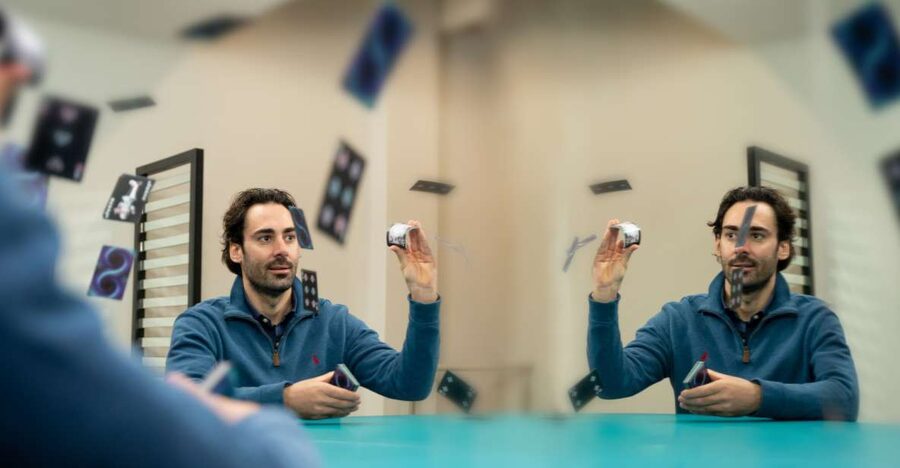
The Museum of Illusions Thessaloniki turns a simple museum visit into a playful test of your eyesight and judgment. In about an hour, you can walk through the Infinity Room, challenge gravity in the Reverse Room, and appear miniature in the Ames Room.
I like the mix of learning and silly photo opportunities. I also like that the admission is only $12, making it an easy add-on to a day in Thessaloniki. The main drawback is that this is a short attraction, not a full-day outing, so the value depends on how much you enjoy taking photos and trying each exhibit.
Key points to know before you go
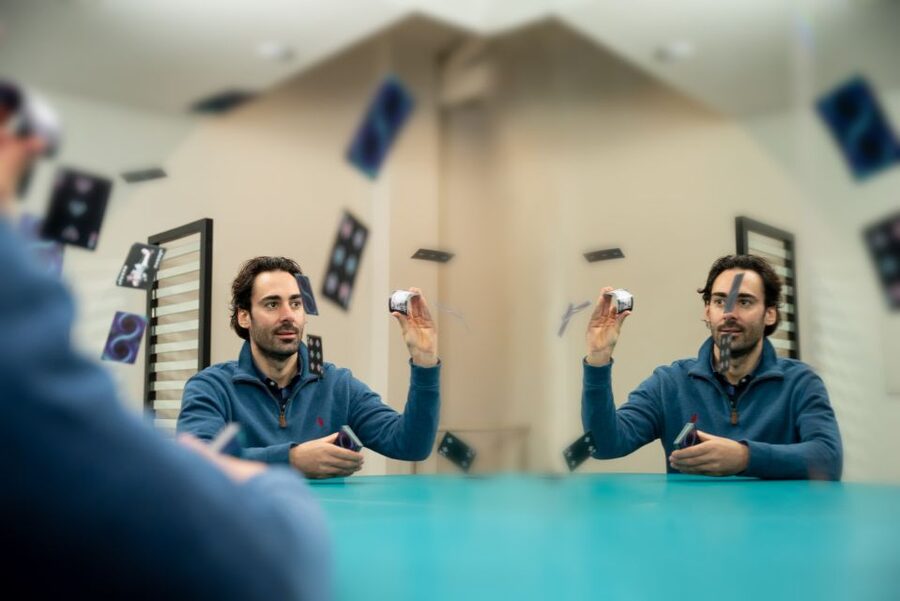
- Around 40 illusions: Expect optical displays, holograms, interactive rooms, and hands-on visual tricks.
- Three photo favorites: The Infinity Room, Reverse Room, and Ames Room create the most striking images.
- Plan on about an hour: The museum is compact enough for a short visit rather than an all-day activity.
- Good for families: The exhibits are simple to understand, playful, and suitable for a shared visit.
- Greek and English support: A host or greeter is available in both languages.
- Wheelchair accessible: The museum is listed as accessible for wheelchair users.
What the Museum of Illusions Thessaloniki actually offers
This is not a traditional museum filled with paintings, ancient objects, or long information panels. It is a collection of roughly 40 visual and interactive illusions designed to make you question what your eyes are reporting.
That makes the experience easy to understand from the start. You do not need specialist knowledge, and you do not need to prepare in advance. You look, step inside, change your position, and watch your sense of scale, depth, and balance shift.
I like attractions that give you something to do rather than asking you to stand quietly in front of exhibits. Here, the point is to test each illusion yourself. The educational side is still present, since the displays show how outside stimuli can affect your perception.
The museum also works well for mixed-age groups. Children can enjoy the strange rooms and funny pictures, while adults may take more interest in why the trick works. The experience does not demand a long attention span, which helps if you are visiting with younger children.
More Museum Tours in Thessaloniki:
- From Thessaloniki: Aigai Royal Tombs & Pella Museum Day Trip
★ 4.6 · 40 reviews - Thessaloniki:Selfie Museum, a 60-minute immersive experience
★ 4.8 · 33 reviews - Athens: Acropolis, Parthenon & Acropolis Museum Guided Tour
★ 4.8 · 9,316 reviews
The Infinity Room and the power of repetition
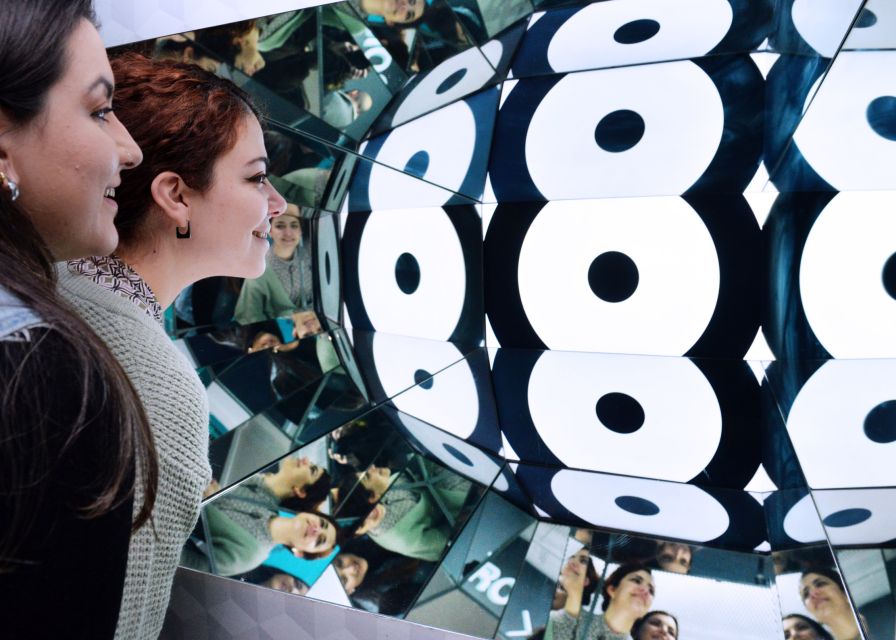
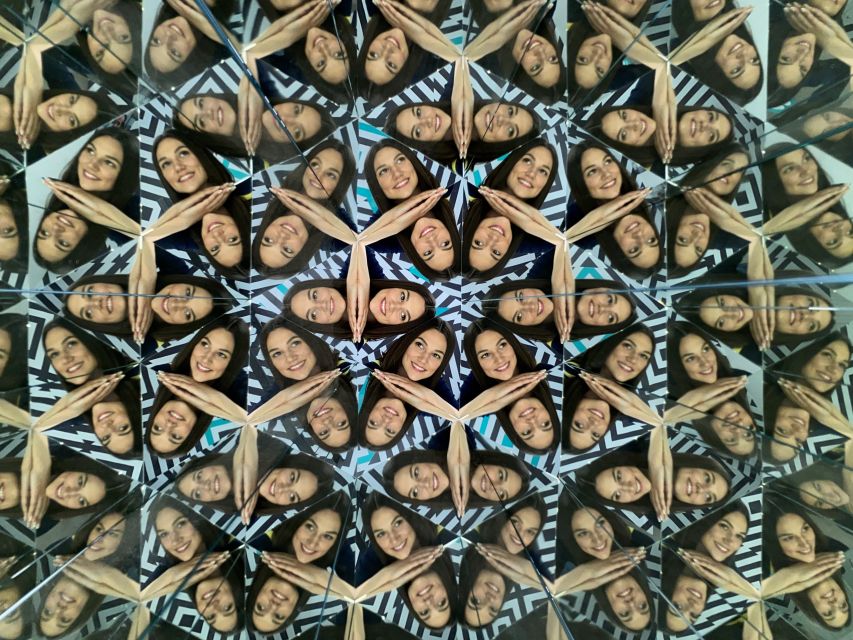
The Infinity Room is one of the clearest examples of the museum’s approach. Mirrors and repeated images create the impression of a space that continues far beyond its actual walls.
You can use the room as a visual puzzle, but most people will also want a photo. The result can look much larger and stranger than the physical room itself. It is worth taking a moment to study the effect before reaching for your phone, since the room is more interesting when you notice how your eyes are being fooled.
This exhibit is especially useful for understanding the difference between what you see and what is physically present. The museum repeatedly returns to that idea: your brain makes fast assumptions, and carefully arranged surroundings can steer those assumptions in the wrong direction.
If you are visiting with friends or family, take turns posing and photographing. The strongest pictures usually depend on where you stand, so move around rather than taking the first shot from the entrance.
The Reverse Room turns gravity upside down
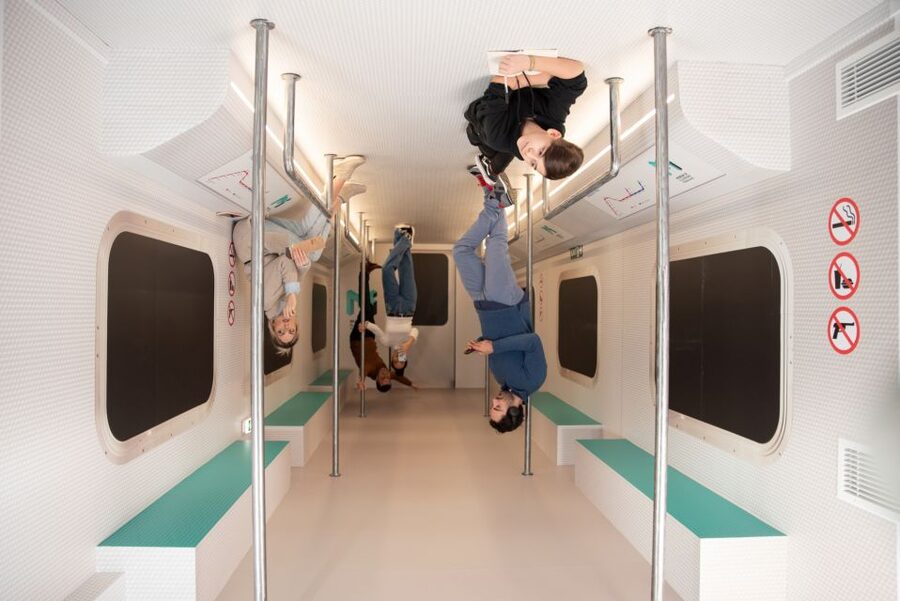
The Reverse Room uses familiar household details arranged in an unfamiliar way. The result makes it look as if ordinary physical rules have been reversed.
This is a good example of why the museum is more than a series of framed optical illusions. You become part of the display, and your pose helps create the finished image. A photograph can make it appear as if you are standing on a ceiling or occupying a room that has been turned on its head.
The room is also a quick lesson in how much context affects perception. Your brain recognizes the objects around you, then tries to interpret their position. When the setting is reversed, that interpretation becomes unreliable.
Allow enough time to try more than one pose. A hurried visit can turn the room into a quick snapshot, while a little patience makes the trick much clearer. Since the attraction is compact, you should have room in an approximately one-hour visit to repeat the photos you like best.
The Ames Room changes your apparent size
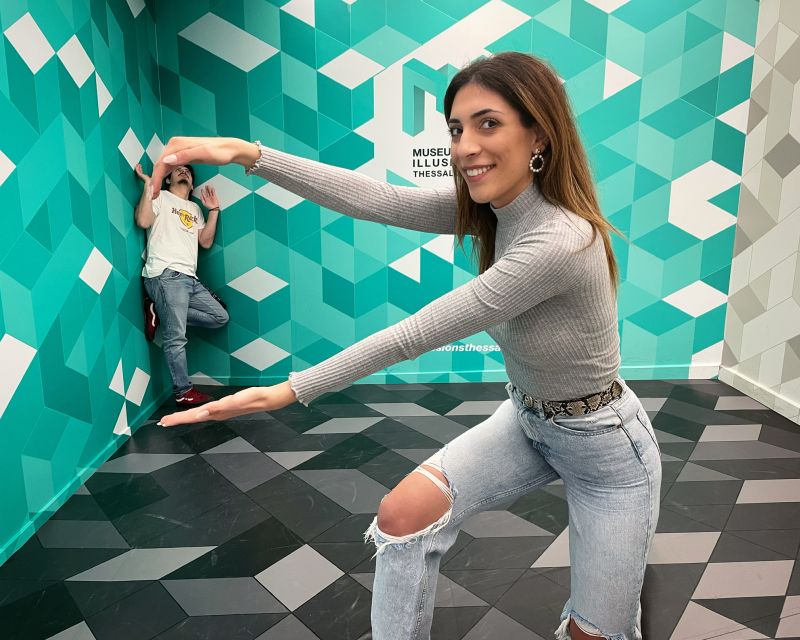
The Ames Room creates the illusion that one person is tiny while another appears much larger. The room itself is shaped to make a distorted perspective look like a normal rectangular space.
This is probably the most immediately amusing exhibit for groups. Two people can stand in different parts of the room and appear to be radically different sizes in the same photograph. The effect depends on the camera angle, so follow the suggested viewing position if one is provided at the exhibit.
The Ames Room also gives you a practical lesson in perspective. Your eyes assume that the walls, floor, and ceiling follow familiar lines. Once those lines are altered, your sense of size changes with them.
I would especially recommend this room for families and pairs of friends. It gives you a clear shared activity, and the result is easy to understand even if you do not read every explanation.
A few more Thessaloniki options worth putting side by side
- From Thessaloniki: Pozar Thermal Baths and Edessa Day Trip
★ 4.7 · 1,243 reviews - Thessaloniki: OTE Tower Rotating Experience with Light Meal
★ 4.6 · 857 reviews - Thessaloniki: Vergina and Pella Day Trip
★ 4.8 · 673 reviews - Thessaloniki Hop-on Hop-off Sightseeing Bus Tour
★ 4.0 · 473 reviews
Holograms and smaller optical illusions
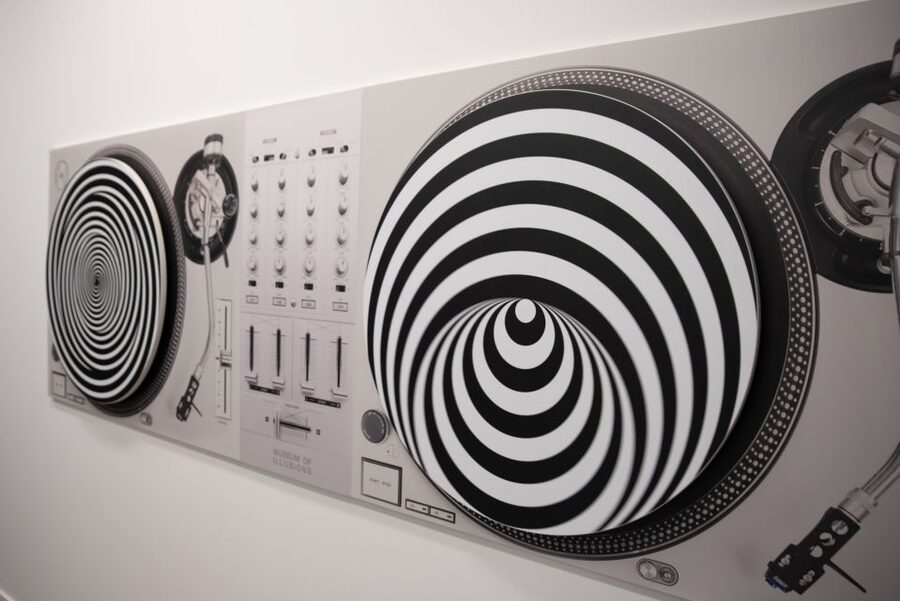
The museum includes a collection of holograms and other optical illusions that reward close attention. These displays may not produce the same dramatic photograph as the large rooms, but they add variety to the visit.
Look closely at changes in shape, movement, and apparent depth. Some tricks work best when you shift your viewpoint, while others depend on the way your brain fills in missing information. The small displays help explain the larger rooms because they show the same basic idea in a simpler form.
This part of the visit is where the educational purpose becomes clearest. The museum is not simply trying to surprise you. It is showing how easily visual information can be altered by angles, patterns, reflections, and context.
Do not rush from one large room to the next. Spend a little time with the smaller exhibits, especially if you want more than a collection of funny pictures. They help connect the playful side of the museum with its lesson about perception.
How long to allow and how the $12 price works
Admission costs $12 per person, and the ticket is valid for one day. That price is reasonable if you want a short indoor activity with interactive displays and photos, especially for a family or a small group.
The important point is duration. Plan on roughly an hour inside. One booking description gives an hour as the expected length, and the museum’s compact format supports that estimate. You are paying for a focused experience, not a full day of entertainment.
At $12, I would compare this with the cost of other short attractions in Thessaloniki. The value is strongest if you enjoy taking part in the displays and keeping the photos afterward. If you prefer large museums with many rooms of historical material, this may feel brief.
The ticket can make sense as a break between longer sightseeing stops. It gives you something different from churches, archaeological sites, and city streets, and it does not require the physical effort of a long walking tour.
Who will enjoy the visit most
This museum is a strong choice for families, couples, and friends who enjoy playful activities. The rooms are easy to grasp, and you can create photos together instead of moving through the museum alone.
It also suits anyone who likes learning through demonstration. You do not just read that perception can be misleading. You see the effect directly, then test it with your own body and camera.
The experience may be less satisfying if you want a quiet, traditional museum visit. It is active, visual, and built around participation. Some people may finish quickly, particularly if they take only a few photos and do not spend time examining the smaller displays.
I would also think about your group’s photo habits. If everyone wants to pose, compare images, and repeat a shot, the visit can feel lively. If nobody wants to take pictures, part of the attraction’s appeal is reduced.
Practical details for a smoother visit
The museum does not allow food or drinks, so finish snacks and beverages before entering. This is a small point, but it matters if you are visiting with children or arriving between meals.
Greek and English are the listed languages, and a host or greeter is available in both. That gives you a useful level of support if you want help understanding an exhibit or working out how to view a room.
The museum is wheelchair accessible. If accessibility is important for your group, this is a helpful feature to confirm when planning your day, since the attraction is designed for movement between interactive displays.
You can reserve your place and pay later, which keeps your plans flexible. Free cancellation is available up to 24 hours in advance for a full refund. Check the available starting times before booking, since the ticket is valid for one day but entry still depends on the schedule.
The provider is MOI THES AE. No individual guide name is supplied, so you should expect museum-based assistance from the host or greeter rather than a named guided tour.
Getting the best photos from the illusion rooms
Your phone is the main tool for this visit. The museum is designed to create images that look impossible, so take a few seconds to set up each shot rather than snapping quickly.
For the Infinity Room, try to keep the camera steady and include enough of the mirrored space to show the repeated reflections. In the Reverse Room, frame the walls and furniture clearly so the upside-down effect makes sense. In the Ames Room, photograph both people from the intended angle, since the illusion depends on perspective.
Do not judge an exhibit only by looking at someone else’s picture. The fun comes from changing your position and seeing how the effect shifts. If a photo does not work, try again from the suggested viewpoint or move slightly until the room’s distortion becomes clearer.
The museum’s appeal is visual, but you do not need expensive equipment. A standard phone camera should let you record the main effects, provided you follow the viewing angles and allow enough room in the frame.
Should you book the Museum of Illusions Thessaloniki?
Book it if you want a short, hands-on attraction with unusual photos and simple lessons about perception. At $12, it offers fair value for an approximately one-hour visit, especially for families and groups of friends.
Skip it if you are looking for ancient Greek history, a large collection, or a full-day museum program. This is a compact, playful stop. Its success depends on your willingness to interact with the exhibits and take part in the visual tricks.
For most visitors, I would treat it as an easy addition to a Thessaloniki day rather than the main event. The Infinity Room, Reverse Room, and Ames Room give you three memorable photo setups, while the holograms and smaller illusions add a useful explanation of how your senses can misread the world.
FAQ
How much does admission to the Museum of Illusions Thessaloniki cost?
Admission costs $12 per person.
How long does the experience last?
Plan on about one hour inside. The ticket itself is valid for one day.
What can I see at the museum?
You can see about 40 visual and interactive illusions, including holograms, the Infinity Room, the Reverse Room, and the Ames Room.
Is the Museum of Illusions Thessaloniki suitable for families?
Yes. The experience is described as suitable for families and includes simple, interactive displays and photo opportunities.
What languages are available?
Greek and English are available, including host or greeter assistance.
Is the museum wheelchair accessible?
Yes, the experience is listed as wheelchair accessible.
Can I cancel my booking?
You can cancel up to 24 hours in advance for a full refund. You can also reserve now and pay later.
New on the Thessaloniki shelf
- Thessaloniki: Aristotle’s Birthplace and Mt. Athos Cruise★ 4.4 · 52 reviews
- Thessaloniki: Small-Group Wine Tasting Tour with Appetizers★ 4.8 · 31 reviews
- Thessaloniki: Walking Tour★ 4.9 · 27 reviews
- Thessaloniki: Self-Guided Audio Walking Tour & Narrative★ 3.5 · 28 reviews
- Thessaloniki:Selfie Museum, a 60-minute immersive experience★ 4.8 · 33 reviews
- Thessaloniki: Food and Walking Tour with Tastings★ 4.8 · 27 reviews
- Thessaloniki: Bike Tour★ 4.7 · 75 reviews
- Thessaloniki: Cooking & Dining Experience with Greek Family★ 4.9 · 85 reviews
Museums, compared.
Mythology of Delphi, Museum and Arachova Guided Tour
Read our verdict →
Acropolis, Parthenon & Acropolis Museum Guided Tour
Read our verdict →
Acropolis monuments & Parthenon Walking Tour with Optional Acropolis Museum
Read our verdict →
Athens All Included: Acropolis and Museum Guided Tour with Ticket
Read our verdict →
Acropolis Museum Ticket with optional Audio Guide
Read our verdict →
Small-Group Delphi, Museum & Arachova Day Trip
Read our verdict →
Parthenon & Acropolis Museum with Audio or Live Tour Option
Read our verdict →
Acropolis, Parthenon and Acropolis Museum Guided Tour
Read our verdict →Browse the lists this tour appears in