
Review · ACROPOLIS TOURS
Athens All Included: Acropolis and Museum Guided Tour with Ticket
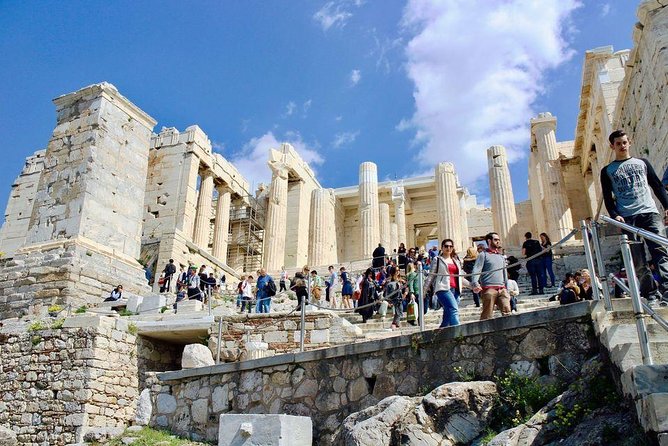
The big appeal here is the pairing of the Acropolis and Acropolis Museum in one carefully timed visit. You see the Parthenon, Erechtheion, Propylaea, Theatre of Dionysus, and other ruins first, then view original sculpture and temple pieces in the museum with the guide’s explanations still fresh.
I like the pre-reserved admission and the headsets, especially when the Acropolis is crowded. I also like the compact group format, with no more than 20 people, and the fact that the guides make room for questions, photos, and different walking speeds. The catch is simple: this is a teaching tour, not a free-roaming visit. You may get only about 10 minutes to explore the Acropolis on your own.
Key points to know before booking
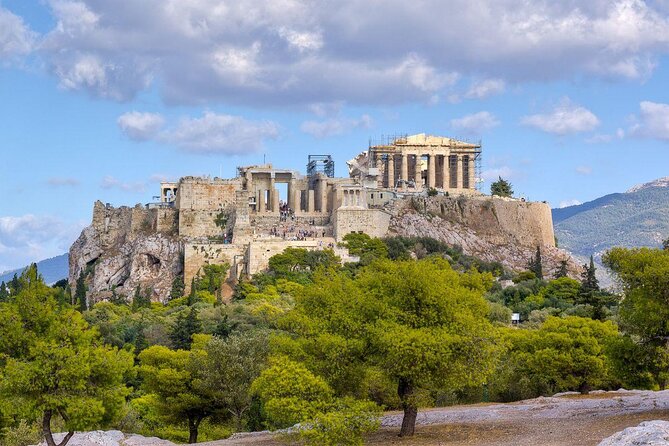
- Two major sights in three hours: The Acropolis and museum fit into one focused morning or afternoon.
- Timed entry matters: Arrive 10 minutes early, since late arrivals can miss the group and lose the ticket.
- The route is physical: Expect uphill walking, stairs, uneven stone, and little shade on the hill.
- Guides bring the site to life: Guides such as Eva, Antigone, and Lisa have been praised for clear stories, patience, and good pacing.
- The museum visit is brief but useful: You get a guided overview, then may stay longer on your own.
- The price buys structure: At $165.67 per person, this makes the most sense if you want context and help with timing, not simply entry tickets.
What the three-hour format really gives you
This tour is built around a smart sequence. You meet at Makrigianni 7, near the Acropolis metro station, walk uphill through the ancient site, then continue to the Acropolis Museum on Dionysiou Areopagitou Street.
The total time is about three hours. Roughly two hours go to the Acropolis, including the Parthenon and other monuments, while about 45 minutes is set aside for the museum. There is also a short pause between the two sections.
That sounds brisk, and it is. But the timing keeps the day from becoming an exhausting lecture marathon. The guide moves you from monument to monument, explains what matters, and keeps an eye on the entry schedule. Several guides have also been praised for pausing so people could take pictures and for adjusting the pace when the group included people with different walking abilities.
You should still expect a proper walk. Wear shoes with a firm sole. Flip-flops, slippers, and loose sandals are poor choices on polished marble and uneven ancient paths. The Acropolis hill can also feel much cooler or hotter than the streets below, depending on the season.
More Museum Tours in Athens
- Athens: Acropolis, Parthenon & Acropolis Museum Guided Tour
★ 4.8 · 9,316 reviews - Athens: Acropolis, Parthenon & Acropolis Museum Guided Tour
★ 4.8 · 3,579 reviews - Acropolis monuments & Parthenon Walking Tour with Optional Acropolis Museum
★ 5.0 · 2,678 reviews
Meeting near the Acropolis metro station
The meeting point is convenient if you are already in central Athens or can reach the Acropolis station by metro. The experience does not include transportation, so you are responsible for getting to the start and from the museum afterward.
Arrive at least 10 minutes early. This is more important than it sounds. The Acropolis tickets are tied to a specific entry time and may expire within five to 10 minutes. The group departs on schedule, with only a short grace period, and no refund is due if you arrive after the tour has started.
If you are coming from the port, allow extra time. The metro may be the practical choice, but you still need a cushion for finding the meeting point. I would not try to arrive at the last minute after a cruise disembarkation or a cross-town taxi ride.
At the start, your licensed Greek guide outlines the route and gives you a headset. The headset is a small but important advantage. At the Acropolis, wind, traffic, crowds, and open spaces can make ordinary conversation hard to follow. With the headset, you can look at the monuments while still hearing the explanation.
Entering the Acropolis with a guide
The first major section takes you through the Acropolis, with pre-reserved tickets intended to reduce time in the main ticket line. Do not read skip-the-line as instant entry. In high season, people with reserved tickets may still wait in a separate queue, especially at popular time slots.
Once inside, the route covers the major monuments and several places that independent visitors can easily rush past. The guide gives you the historical setting, explains the architecture, and connects the ruins to Athenian religion, politics, festivals, and daily life.
The approach is not just a list of names. You are asked to picture the Acropolis during the fifth century BC, when Athens was at the height of its power under Perikles. That context helps explain why the hill was built to impress, not merely to house temples.
The Propylaea and the first view of the hilltop
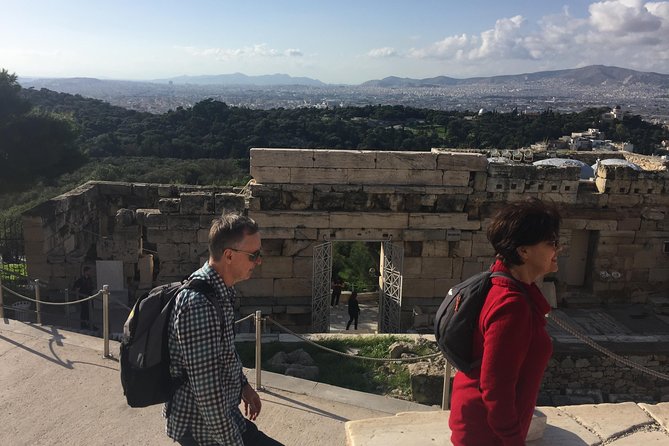
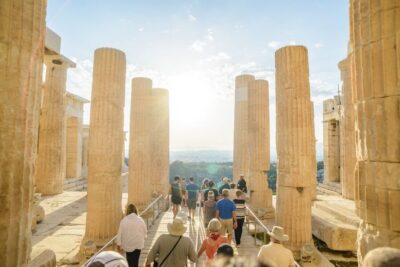
The Propylaea is the monumental gateway to the Acropolis. It was designed to make an arrival feel ceremonial, and your guide explains how its marble columns and planned approach prepared worshippers for the sacred buildings beyond.
This is a good early stop because it gives you a sense of how the Acropolis functioned as a religious and civic center. The gateway was not an ordinary entrance. It announced the power, wealth, and order of Athens before you even reached the Parthenon.
The climb and stone surfaces are the first reminder that the visit is physical. The route is manageable for people who can walk for several hours and handle stairs, but it is not a flat museum outing. Strollers of any kind are not allowed, and children under six cannot join this tour.
More Acropolis tickets and guided visits:
- Athens: Acropolis & up to 5 Archaeological Sites Combo Pass
★ 4.4 · 12,619 reviews - Athens: Acropolis Ticket with Optional Audio or Live Guide
★ 4.2 · 11,055 reviews - Athens: Acropolis and Parthenon Guided Walking Tour
★ 4.6 · 5,882 reviews - Athens: Acropolis Ticket with Audio Guide
★ 4.0 · 3,575 reviews
The Parthenon and the ideas behind it
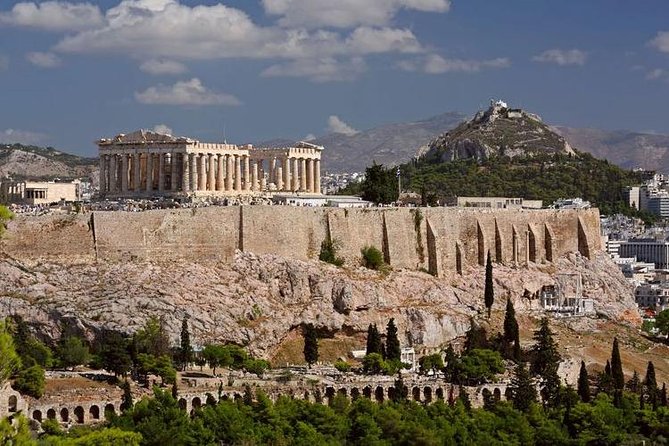
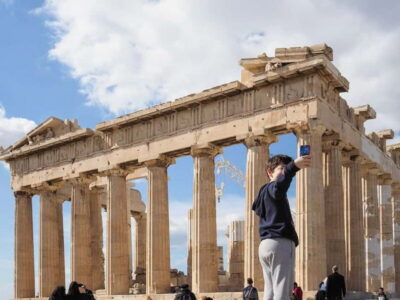
The Parthenon receives its own part of the visit, with about 30 minutes devoted to the temple and its meaning. The guide explains its dedication to Athena, the city’s patron goddess, along with its design, construction, and later role as a symbol of Athenian power and cultural achievement.
The value here is in learning how to look. Without guidance, it is easy to see columns, scaffolding, and missing sculpture and move on. With an explanation of the building’s purpose and design, the remains become evidence of a city making a public claim about itself.
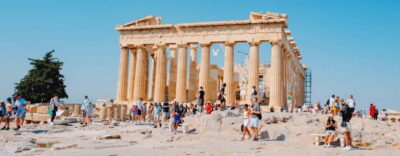
You will have chances to take photographs, but this is not a photography stop with unlimited free time. One common frustration is that the guide’s explanations can take up most of the time at the top. If you prefer to wander quietly, frame every view yourself, or study details at your own speed, you may find the schedule restrictive.
On the other hand, many people appreciate the structure. The guide keeps the group moving through a crowded site, answers questions, and helps you avoid spending your limited Athens time trying to work out what you are looking at.
Erechtheion, Athena Nike, and the north side
The Erechtheion and Temple of Athena Nike add another layer to the visit. These monuments show that the Acropolis was not a single-purpose site centered only on the Parthenon. Different buildings served different religious traditions and honored different aspects of Athenian belief.
The itinerary also includes the north side of the Acropolis, where earlier cults and temples connected to Olympian gods occupied the hill. This part can be easy to miss if you are focused only on the headline monuments, so the guided route gives the visit more range.
The guide may also point out details that are difficult to understand from a distance. The point is not simply to collect photographs of famous stones. You are given a picture of how the hill worked as a sacred complex, with processions, altars, temples, and ceremonies all tied together.
Views, the Theatre of Dionysus, and the south exit
The Acropolis offers broad views over Athens and toward the Aegean Sea. Your guide uses a different route toward the south exit, bringing you to the Altar of Asclepius and the Theatre of Dionysus.
The theatre is especially worthwhile because it connects the Acropolis to the birth of drama. It is easy to think of ancient Athens as temples and philosophers alone, but the theatre points to public performance, competition, storytelling, and civic life.
This southern route also changes the feel of the visit. Instead of walking straight back the way you came, you see more of the hill and finish near the museum. The walk still requires care, especially on uneven ground, but it gives the tour a fuller shape.
You may get a short break before entering the museum. Use it for water, a quick snack, or a moment to rest. Three hours is not excessive, but the combination of uphill walking, hard surfaces, sun, and concentrated listening can catch up with you.
The Acropolis Museum in about 45 minutes
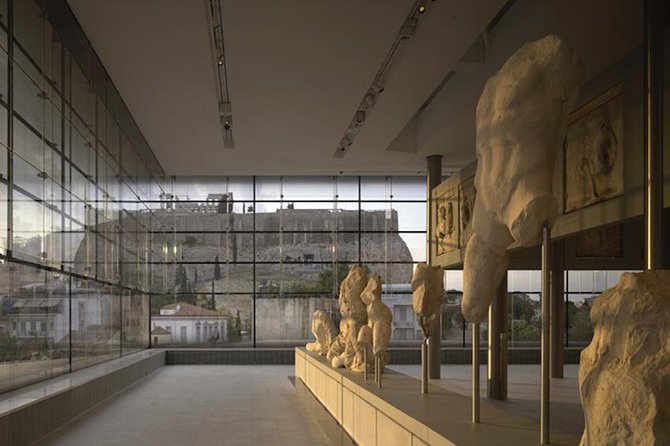
The museum is a strong second act because it lets you see original sculptures and architectural elements after standing among the buildings they came from. The guide explains how the pieces fit into the temples and the wider culture of ancient Athens.
The building itself is part of the experience. Glass floors reveal archaeological excavations beneath it, giving you a direct look at the layers below modern Athens. Inside, the collection moves from early sculpture to the works associated with the Acropolis monuments.
The Parthenon Gallery is a key stop. Here, the guide explains the story and significance of the Elgin Marbles, placing the surviving sculpture in its historical setting. This is useful preparation for anyone who has seen references to the marbles but never understood why they remain such a major cultural issue.
The guided museum visit finishes in the Archaic Gallery, where statues from before the main Acropolis monuments show how Greek sculpture developed over time. Forty-five minutes is enough for an orientation and the main works, but not enough for a slow museum study.
That limitation is partly solved by the ending. After the guided portion, you may remain inside and continue at your own pace. You can also relax at the museum café or step outside for city views. This is one of the tour’s best design choices: you get a clear framework without being forced to leave as soon as the guide finishes.
The guides make the difference
The experience depends heavily on the person leading it. Guides named Eva, Antigone, and Lisa have received especially warm praise for their history, energy, patience, and ability to keep the group together.
Eva has been described as lively and thoughtful, using stories, humor, and visual explanations to make the past easier to follow. Antigone has been praised for sharing a great deal of information while still allowing time for questions and photographs. Lisa has been noted for a calm pace, clear explanations, and attention to people who needed more time.
The guide’s style can shape your experience. Some people want extensive background and mythology. Others want the major facts, a few good views, and more time alone. The tour generally leans toward explanation, so book it if you want someone to connect the monuments rather than simply point them out.
The maximum group size is 20. That is not a private tour, despite some promotional wording describing an intimate experience. It is a small group compared with a large coach excursion, but you will still walk with other people and follow a shared schedule.
Is $165.67 a fair price?
At $165.67 per person, this is not the cheapest way to enter the Acropolis and museum. You can visit independently for less if you are comfortable arranging tickets, learning the site from a guidebook, and managing the timing yourself.
The price makes more sense when you value the guide’s interpretation, the reserved entry, the headsets, and the efficient pairing of the two sights. You are paying to understand what you see and to avoid spending part of your day sorting out queues and routes.
I would compare this cost with your priorities. If your main goal is to take photos and wander freely, buy your own admission and allow more time. If you have one day in Athens, want the central monuments explained, or feel unsure about navigating a timed archaeological site, the added structure may be worth it.
The museum access also improves the value. The Acropolis alone can feel disconnected from the sculptures and reliefs that once decorated it. Seeing both sites in one session lets the guide connect the stones on the hill with the original works inside the museum.
Who should book this experience?
This tour suits first-time visitors who want a clear introduction to ancient Athens without spending a full day in formal lectures. It also works well for couples, families with older children, and small groups who want a guide but do not want a large bus excursion.
A 12-year-old can enjoy it if the guide includes the younger visitor and the child is comfortable walking and listening. The experience is not suitable for children under six, and strollers are not allowed.
You need moderate physical fitness. People using a cane may manage the route, but the hill includes stairs and uneven ground. Anyone with serious mobility restrictions should think carefully before booking.
Bring water, wear proper walking shoes, and plan for the weather on the exposed hilltop. In December, the summit can feel cold even when the lower streets are comfortable. In warmer months, sun and crowds may make the walk feel harder.
Should you book the Acropolis and museum tour?
Book it if you want the Acropolis explained in person, prefer prearranged tickets, and like the idea of seeing the museum immediately afterward. The strongest parts are the guide-led route, the headsets, the connection between the ruins and original sculpture, and the option to stay in the museum after the formal tour.
Skip it if you mainly want free time, quiet photography, or the lowest possible price. The Acropolis section can feel too detailed for visitors who would rather wander, and the museum overview is short.
For most first visits, I think the format works well. You get the essential monuments, useful historical context, and a practical introduction to the museum in about three hours. Just arrive early, wear serious shoes, and accept that the guide’s schedule will shape your visit.
FAQ
How long does the tour last?
The experience lasts approximately three hours. About two hours are devoted to the Acropolis, followed by a short break and about 45 minutes in the Acropolis Museum.
Where does the tour begin?
The meeting point is at Makrigianni 7, near the Acropolis metro station in Athens.
Where does the tour finish?
The tour finishes at the Acropolis Museum, at Dionysiou Areopagitou 15.
Are Acropolis and museum tickets included?
Yes. The price includes pre-reserved admission tickets for both the Acropolis and the Acropolis Museum.
Does the tour include transportation?
No. Transportation to and from the attractions is not included.
What languages are offered?
The tour is offered in English.
How large is the group?
The group can include a maximum of 20 travelers. Headsets are provided so you can hear the guide more clearly.
Is the tour suitable for children and strollers?
Children under six are not permitted, and strollers of any kind are not allowed. Older children need to be comfortable walking and listening for several hours.
What happens if I arrive late?
You should arrive 10 minutes before the start time. The Acropolis tickets are timed and can expire within five to 10 minutes, so late arrivals may not be able to join and are not eligible for a refund.
Can I cancel the booking?
Free cancellation is available if you cancel at least 24 hours before the experience starts. Cancellations made less than 24 hours before the start time are not refunded.
New on the Athens shelf
- Acropolis of Athens, Parthenon and Acropolis Museum private tour with dinner★ 5.0 · 77 reviews
- Small-Group Wine Tour in Athens with Tasting★ 5.0 · 33 reviews
- Private Athens Transfer Airport/Port -Greek Tours-Hourly service★ 5.0 · 88 reviews
- VIP Private Guided Tour of Athens Acropolis & Plaka in a Sidecar★ 5.0 · 108 reviews
- Athens Moonlight Waling Tour with Drinks and Meze Dishes★ 5.0 · 259 reviews
- Private Athens Landmarks Layover Tour★ 4.5 · 41 reviews
- Departure Transfer from Athens City to Athens Airport★ 5.0 · 41 reviews
- Classic Athens Food Tour with Local Drink & Market Visit★ 5.0 · 34 reviews
Acropolis Tours, compared.
Acropolis & up to 5 Archaeological Sites Combo Pass
Read our verdict →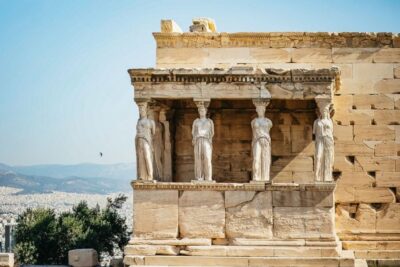

Acropolis, Parthenon & Acropolis Museum Guided Tour
Read our verdict →
Acropolis: Acropolis and Parthenon Guided Walking Tour
Read our verdict →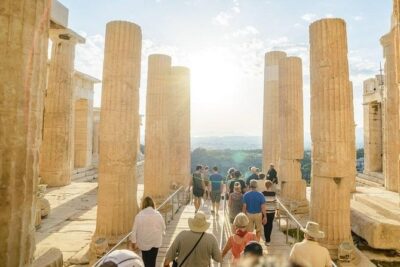
Acropolis monuments & Parthenon Walking Tour with Optional Acropolis Museum
Read our verdict →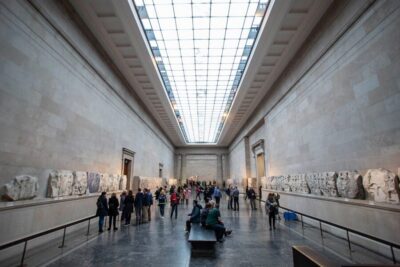
Acropolis Museum Ticket with optional Audio Guide
Read our verdict →Browse the lists this tour appears in