
Review · ACROPOLIS TOURS
Acropolis monuments & Parthenon Walking Tour with Optional Acropolis Museum
The best part of this Athens tour is the way it connects the bare stones on the Acropolis with the people, myths, and political ambition behind them. A guide gives you a reason to pause at the Theatre of Dionysus, look closely at the Caryatids, and understand why the Parthenon is more than a famous photo stop.
I like the choice of tour formats, especially the option to add the Acropolis Museum and entry tickets. I also like the small-group setup, audio equipment for groups larger than five, and the careful pace reported by guides such as Lisa, Anna, Aphrodite, and John D. The main drawback is physical: expect steep climbs, hard stone underfoot, and plenty of standing in the Greek sun.
Key points to know before you book
- The museum option completes the story: You see the monuments first, then the sculpture and artifacts that explain them.
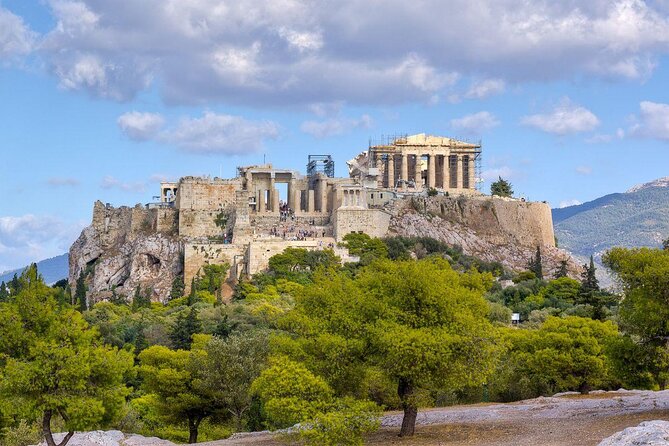
- The tour covers the Acropolis essentials: The Parthenon, Propylaea, Erechtheion, Temple of Athena Nike, Odeon, and Theatre of Dionysus are all included in the route.
- Choose your ticket package carefully: The advertised price is $42.33 per person, but Acropolis and museum admission may cost extra.
- Guides bring strong subject knowledge: Past tour leaders include Lisa, Anna, John D, Lydia, Annie, Dorina, Dionisios, and Aphrodite Gianni.
- You need decent stamina: The route includes uphill walking, steep sections, and long periods on your feet.
- Morning and other start times are available: That makes it easier to fit the tour around a busy Athens schedule.
Why a guide matters on the Acropolis
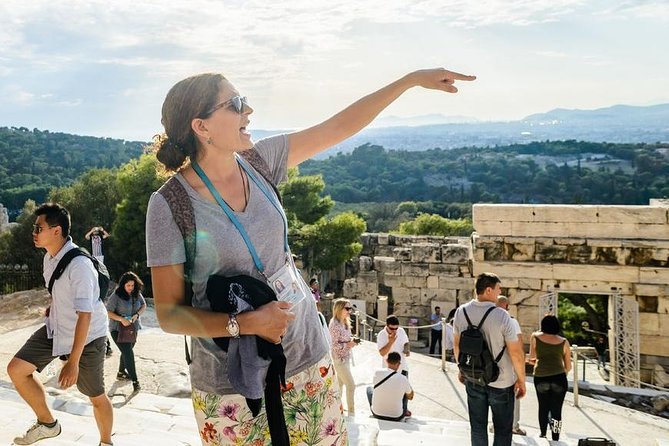
You can walk up the Acropolis alone, look at the ruins, take photographs, and still have a fine morning. But the hill makes much more sense when someone explains what you are seeing.
The Parthenon is often treated as the whole site, yet it is only one part of a larger ceremonial complex. Your guide helps you place the temple within the wider Acropolis, explains how the buildings changed over time, and points out details that are easy to miss when you are focused on the next viewpoint.
This is also a good tour for first-time visitors because the information comes in a sensible order. You begin at the southern slope, pass the ancient theaters, enter through the Propylaea, and then reach the central monuments. The route gives you a story rather than a string of disconnected stops.
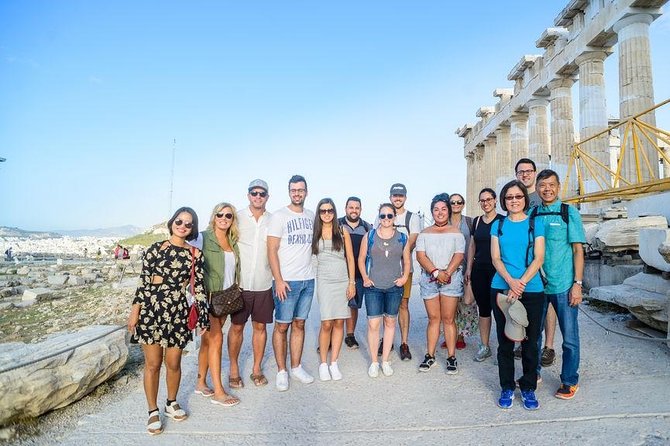
The guides use a microphone and whisper system for groups larger than five. That matters on a crowded hill, where a normal speaking voice can disappear into wind and foot traffic. The group limit is 20 people per guide, so this is not a private tour, but it is more manageable than a large coach group.
More Museum Tours in Athens
- Athens: Acropolis, Parthenon & Acropolis Museum Guided Tour
★ 4.8 · 9,316 reviews - Athens: Acropolis, Parthenon & Acropolis Museum Guided Tour
★ 4.8 · 3,579 reviews - Athens All Included: Acropolis and Museum Guided Tour with Ticket
★ 4.5 · 2,673 reviews
Starting near Porinou Street
The meeting point is at Porinou 5, close to the Acropolis and near public transportation. You check in at a nearby office with Wi-Fi, then walk the short distance to the archaeological site.
That nearby meeting point is useful if you are arriving on foot or using public transit. It also gives you a place to sort out tickets and audio equipment before the climb. If you are running late, contact the operator as soon as possible. One guide was able to help late arrivals join the next available group, but you should not rely on that as a guarantee.
Tour times vary, including morning departures. An early start can help with heat, though Athens conditions change by season. Bring water, sunscreen, and a hat. Comfortable shoes are essential, since smooth marble, worn stone, and steep paths are part of the visit.
Theatre of Dionysus and the first view of the hill
The first major stop is the Theatre of Dionysus Eleuthereus, on the southern slope of the Acropolis. The first orchestra terrace was built around the sixth century BC, and the theater became the setting for the City Dionysia.
Your guide may use this stop to explain how drama functioned in ancient Athens. This is where Greek theater took shape as a public and religious event, not simply as entertainment. The stop lasts about 15 minutes and gives you a chance to see the Acropolis rising above the theater.
Do not expect a long seated visit. The schedule keeps moving, and you may be standing while listening. Still, the theater provides an important opening because it shows that the Acropolis was linked to civic life, worship, festivals, and performance.
The Odeon of Herodes Atticus
Next comes the Odeon of Herodes Atticus, a Roman theater completed in AD 161. It sits on the southwest slope and was renovated in 1950.
The Odeon is a striking contrast to the older Greek remains. Its stone structure and curved seating area show how the site continued to matter under Roman rule. Your guide can help separate the Greek and Roman layers of Athens, which otherwise blur together during a quick walk.
You will spend about 15 minutes here. The theater is generally viewed from outside during the route, so think of it as a guided stop and photo opportunity rather than a full theater visit.
More Walking Tours in Athens
- Athens: Acropolis and Parthenon Guided Walking Tour
★ 4.6 · 5,882 reviews - Greek Food Walking Tour in Athens
★ 5.0 · 4,740 reviews - Acropolis: Acropolis and Parthenon Guided Walking Tour
★ 4.7 · 3,442 reviews - Athens Acropolis and Parthenon Walking Tour
★ 4.5 · 1,355 reviews
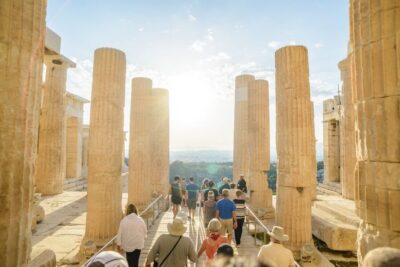
Climbing through the Propylaea
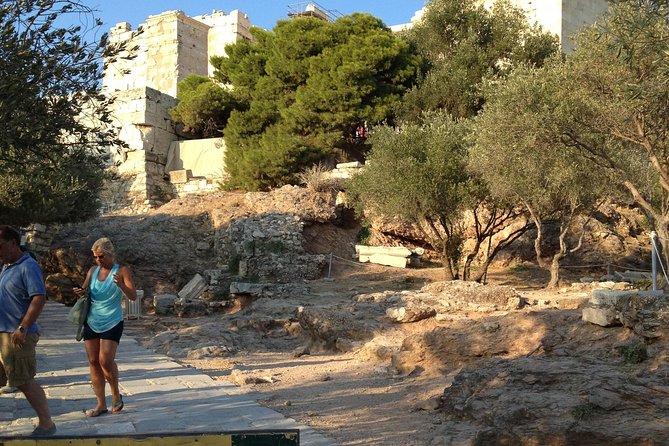
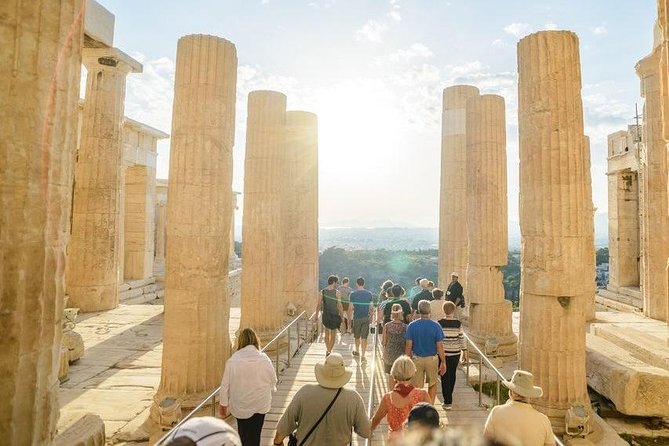
The Propylaea is the monumental entrance to the Acropolis. This is where the route begins to feel more demanding, with an uphill approach and uneven surfaces.
The gateway was designed about 2,500 years ago and gives you a strong first sense of the planning and ambition behind the hilltop complex. It is not merely an entrance in the modern sense. It was meant to shape the approach and prepare visitors for the sacred buildings beyond.
This is one of the places where the audio system earns its keep. You may be moving with the group while people pause for photographs, so clear sound helps you follow the explanation without crowding around the guide.
The route is not rushed, but you should be ready for a moderate physical workout. One person in their 60s described the experience as fairly vigorous, even with a good level of fitness. That is useful advice: the tour is accessible to many people, but it is not a flat museum stroll.
Temple of Athena Nike and the small details
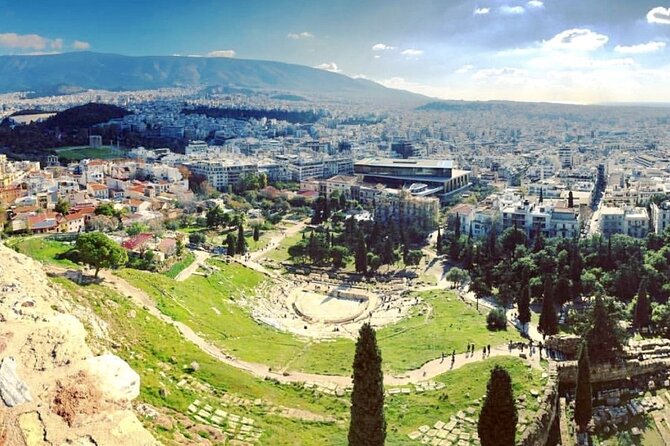
The Temple of Athena Nike is dedicated to Athena Nike, the goddess associated with victory. Built around 420 BC, it is the earliest fully Ionic temple on the Acropolis.
The temple is smaller than the Parthenon, which makes it easy to overlook. Your guide can draw attention to its position near the entrance and explain why its placement mattered. The stop is listed at about 10 to 15 minutes, so you get a focused explanation rather than a long lecture.
The route refers to the Temple of Athena Nike more than once, as the building is viewed from different points around the entrance. That is not a separate second temple. It is the same important monument seen as you approach and pass through the gateway.
The Parthenon: the main event, but not the whole visit
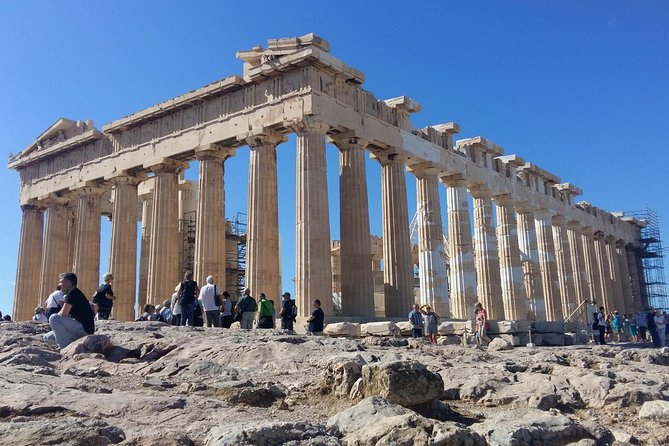
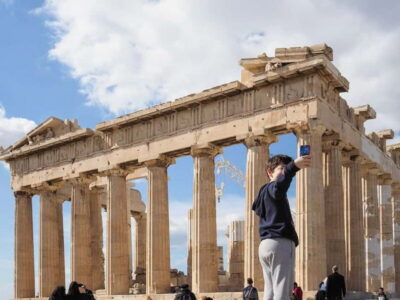
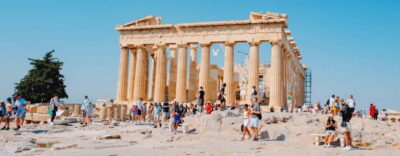
The Parthenon is the centerpiece of the Acropolis, and the tour allows about 30 minutes for this stop, with additional time within the broader Acropolis visit.
Your guide will explain its dedication to Athena and its place in fifth-century BC Athens. This is also where the gap between a casual visit and a guided visit becomes clearest. The temple is damaged, repaired, and partly under conservation work, so it takes context to understand its original form and purpose.
The Parthenon is busy, and the best viewing points can fill quickly. A guide helps you find workable places to listen without blocking paths. You will also get help with the order of the buildings, the architectural details, and the stories connected with the temple.
Do not expect to enter the Parthenon itself. The experience is about seeing the exterior ruins, understanding the structure, and viewing the temple from the Acropolis grounds. You will have time for photographs, but this is still an organized walk with a schedule.
The Erechtheion and its Caryatids
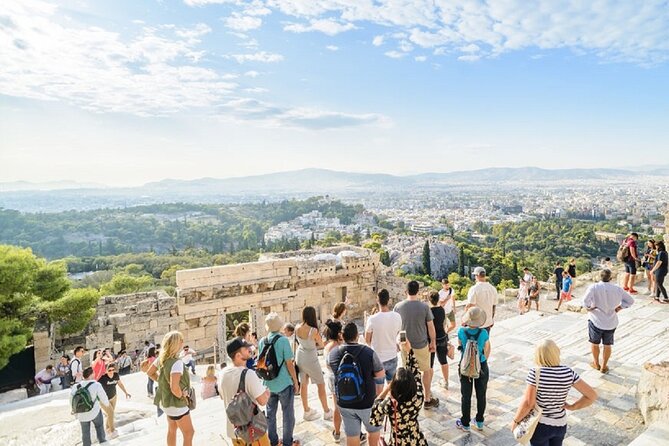
The Erechtheion is one of the most memorable buildings on the hill because of its unusual layout and the famous Caryatid statues. The stop lasts about 10 minutes, though you will encounter the monument as part of the wider Acropolis visit as well.
The Caryatids are female figures used as architectural supports on the porch. Their detail makes them especially rewarding for close looking, though the originals connected with the monument have a complicated preservation story and some are displayed in the museum.
This is a place where a guide such as Lisa, John D, or Lydia can add real value by explaining what you are looking at rather than simply naming it. The building is less immediately familiar than the Parthenon, but many people remember it just as clearly.
One hour across the Acropolis grounds
The full Acropolis portion lasts about an hour, with stops at the key monuments along the way. You will walk, listen, pause for photographs, and move with the group between viewpoints.
The views over Athens are a major reward. Still, the hilltop is exposed, and shade may be limited. Wear a hat, use sun cream, and bring water. The stone can be hard on your feet, and some paths are steep or uneven.
The tour suits anyone who wants a guided introduction, especially a first-time visitor, a solo visitor who wants an organized morning, or a person interested in mythology and classical architecture. It may be less suitable if you dislike group pacing or want to spend a long time photographing one building.
Adding the Acropolis Museum
If you choose the museum option, the tour continues to the Acropolis Museum for about an hour. The tour ends there, which is convenient because you can continue exploring on your own after the guide finishes.
I consider this upgrade worth serious thought. The hilltop shows the buildings in their setting, while the museum gives you sculpture, architectural fragments, and objects that are easier to examine at close range. The galleries also help fill in what is missing from the ruins.
The museum portion can move quickly. Guides often point out the most important pieces and explain their meaning, but an hour is not enough for every gallery. That is not necessarily a flaw. You receive an organized introduction, then you can stay afterward and continue at your own pace.
The museum is especially useful after seeing the Caryatids, Parthenon, and other buildings in person. You are no longer looking at isolated objects. You can connect the sculptures and architectural pieces with the places you just visited.
One particularly useful detail is that the area beneath the museum, where excavated remains of Athens can be viewed, does not require a museum ticket and can be accessed from outside. The guided museum portion itself does require the selected admission option or a separate ticket.
What the price really covers
The advertised price is $42.33 per person. That is a reasonable starting price for a four-hour guided visit, but you must check which ticket option you select.
Acropolis admission is not included unless you book the option with tickets. The stated adult price is €30 from April 2025 and €10 from November through March. Museum admission is listed at €20 per adult and is also extra unless included in your chosen package.
This makes the ticket-inclusive option easier for many people. You avoid sorting out separate admissions and can stay with the group from the meeting point. Still, compare the final total before booking, especially if you qualify for a reduced rate.
Visitors under 18 should bring a passport or identity document to confirm the reduced Acropolis price. EU citizens under 25 have free Acropolis admission, while other visitors under 25 receive a 50 percent discount. Passports or copies are required at the entrance gates.
The tour also includes a licensed guide, skip-the-line access, and the audio system for larger groups. Hotel pickup and drop-off are not included, but the central meeting point means you can reach the start independently.
The guides and the style of the experience
The strongest part of this tour is the human explanation. Guides named in feedback include Lisa, Aidli, Anna, Aphrodite, John D, Annie, Lydia, Dorina, Dionysus, Dionisios, and Afroditi Gianni.
The exact guide depends on the date, so you cannot assume you will receive a particular person. The best guides combine archaeology, mythology, architecture, and practical care. Anna was praised for keeping people comfortable and engaged, while Lisa was singled out for her archaeological background and strong museum presentation.
A guide may also help with photographs, set a manageable walking pace, and answer questions as you go. The tone is educational, with a fair amount of mythology and historical explanation. If you prefer a quick visit with minimal commentary, four hours may feel long.
The audio equipment helps, but it does not remove the need to stay near the group. Keep an eye on the guide during transitions, especially near the entrance and busy viewpoints.
Practical planning for your day
Wear shoes with firm soles. Sandals without support may be uncomfortable on the climbs and stone paths. Bring a hat, sunscreen, and water, and expect to stand for much of the tour.
The tour is offered in English. Confirmation arrives at booking, and you can show either a paper or electronic voucher. The maximum group size is 20 people per guide.
The experience requires good weather. If poor weather causes cancellation, you are offered another date or a full refund. You can cancel for a full refund up to 24 hours before the start time. Changes or cancellations within 24 hours are not accepted for a refund.
The route finishes at the Acropolis monuments if you select only the Acropolis option. With the museum option, it finishes at the Acropolis Museum on Dionysiou Areopagitou Street.
Who should book this Acropolis tour?
I would choose this tour if you are visiting Athens for the first time and want the major monuments explained in a clear order. It is also a good fit if you enjoy archaeology, mythology, classical art, or having someone point out details you might miss alone.
The museum option is best for people who want more than photographs from the hill. It adds the objects and sculpture needed to understand the Acropolis as a working religious and civic center.
I would look elsewhere if you want a private guide, a completely flexible schedule, or a short visit with little walking. The group can include up to 20 people, and the route has steep climbs and long periods of standing.
For most first visits, though, the combination of licensed guide, hilltop monuments, and optional museum access gives you a solid introduction to ancient Athens. The ticket-inclusive package is the simplest choice, while the Acropolis-only option works well if you already plan to visit the museum on your own.
FAQ
How long does the Acropolis walking tour last?
The experience lasts about four hours, depending on the option selected and the pace of the group.
Is the Acropolis Museum included?
Only if you choose the option that includes the Acropolis Museum. The museum visit lasts about one hour and the tour ends there.
Are Acropolis admission tickets included?
Tickets are included only with the booking option that specifically includes entrance tickets. Otherwise, you must arrange Acropolis admission separately.
How much is Acropolis admission?
The stated adult admission is €30 from April 2025 and €10 from November through March, unless your selected tour option includes the ticket.
How much is Acropolis Museum admission?
The stated adult museum admission is €20 unless it is included in your selected booking option.
Where does the tour begin?
The meeting point is at Porinou 5, Athens 117 42, close to the Acropolis and near public transportation.
Where does the tour end?
The Acropolis-only option ends at the Acropolis monuments. The option with the museum ends at the Acropolis Museum on Dionysiou Areopagitou Street.
Is the tour conducted in English?
Yes. The tour is offered in English.
What should I wear?
Wear comfortable shoes and bring a hat and sun cream. The route includes uphill walking, steep sections, uneven ground, and extended standing.
Can visitors under 25 receive reduced admission?
EU citizens under 25 have free Acropolis admission. Other visitors under 25 receive a 50 percent discount. You must bring a passport, identity document, or copy to confirm your birth date.
More Acropolis Tickets and Tours
- Athens: Acropolis & up to 5 Archaeological Sites Combo Pass
★ 4.4 · 12,619 reviews - Athens: Acropolis Ticket with Optional Audio or Live Guide
★ 4.2 · 11,055 reviews - Athens: Acropolis Ticket with Audio Guide
★ 4.0 · 3,575 reviews - Athens: Acropolis Museum Ticket with optional Audio Guide
★ 4.4 · 2,652 reviews
New on the Athens shelf
- Acropolis of Athens, Parthenon and Acropolis Museum private tour with dinner★ 5.0 · 77 reviews
- Small-Group Wine Tour in Athens with Tasting★ 5.0 · 33 reviews
- Private Athens Transfer Airport/Port -Greek Tours-Hourly service★ 5.0 · 88 reviews
- VIP Private Guided Tour of Athens Acropolis & Plaka in a Sidecar★ 5.0 · 108 reviews
- Athens Moonlight Waling Tour with Drinks and Meze Dishes★ 5.0 · 259 reviews
- Private Athens Landmarks Layover Tour★ 4.5 · 41 reviews
- Departure Transfer from Athens City to Athens Airport★ 5.0 · 41 reviews
- Classic Athens Food Tour with Local Drink & Market Visit★ 5.0 · 34 reviews
Acropolis Tours, compared.
Acropolis & up to 5 Archaeological Sites Combo Pass
Read our verdict →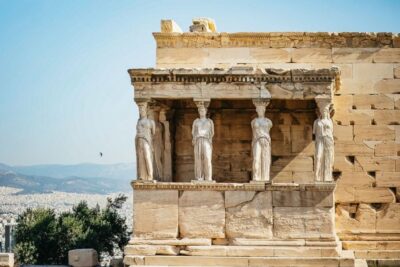
Acropolis, Parthenon & Acropolis Museum Guided Tour
Read our verdict →
Acropolis: Acropolis and Parthenon Guided Walking Tour
Read our verdict →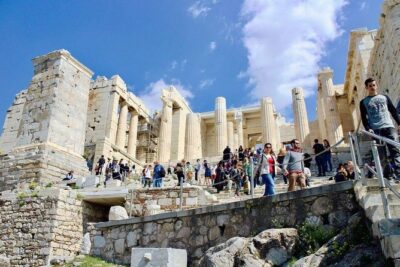
Athens All Included: Acropolis and Museum Guided Tour with Ticket
Read our verdict →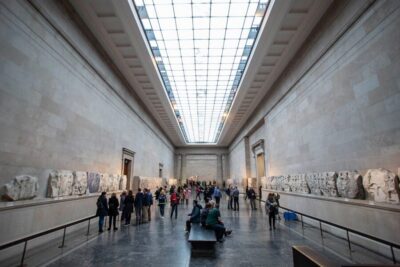
Acropolis Museum Ticket with optional Audio Guide
Read our verdict →Browse the lists this tour appears in