
Review · DAY TRIPS IN THESSALONIKI
Thessaloniki: Vergina and Pella Day Trip
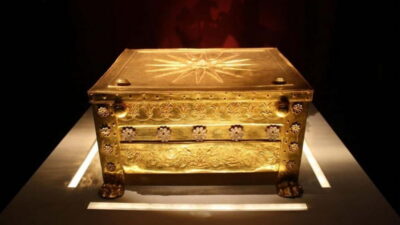
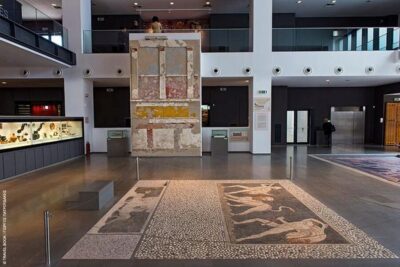
Philip II’s golden burial goods and the dark, atmospheric Royal Tombs of Aigai are the emotional high point of this day out. You also see Pella, the capital of ancient Macedon, where large mosaics still mark the old market and homes of the ruling class.
I like the way the day joins archaeological ruins with first-rate museums, and I like having a guide explain the wider story before giving you time to look around. Guides such as Eva, Eleni, Stelios, and Lazaros have been especially praised for their clear English and strong grasp of Macedonian history.
The main drawback is time. Pella’s museum and site each receive about an hour, which is enough for a good introduction but not enough for a slow study. Add the two €20 entrance fees, lunch, and the $58 tour price, and this is not the cheapest day trip from Thessaloniki.
Key points before you book
- Philip II’s tomb is the star: The Royal Tombs of Aigai contain the Golden Larnax, the famous sixteen-rayed Macedonian sun, Philip II’s golden oak wreath, armor, and other burial goods.
- Pella works best with preparation: The ancient market and its mosaics are rewarding, but the self-guided visit moves quickly.
- You visit two different Aigai museums: The Royal Tombs museum is dark and atmospheric, while the New Museum of Aigai presents sculptures, weapons, coins, pottery, and royal jewelry.
- The guide adds real value: English-speaking guides provide historical background on the bus and answer questions at the sites.
- Budget another €40: Entrance fees to Pella and Vergina are not included, and lunch is also separate.
- Wear practical shoes: Pella is an open archaeological site, and summer heat can be intense.
Why Pella and Vergina make a strong day from Thessaloniki
Thessaloniki is a fine base for exploring northern Greece, but some of the most important Macedonian sites sit well outside the city. Pella is about 50 kilometers away, and Vergina lies farther west. Public transport is not an easy way to join these places in one day, so the bus saves you a great deal of planning.
This tour gives you three connected chapters. At Pella, you see the capital of the Macedonian kingdom during the period when its rulers built power and wealth. At Vergina, you enter the burial complex of Aigai, the earlier royal center, and see objects linked to Philip II and the Argead dynasty. The New Museum of Aigai then widens the story with finds from the former capital.
I like this progression because the day does not feel like a random list of ruins. You move from city life, to royal burial, to the wider material world of Macedon. The guide’s explanations matter here. Without them, the mosaics, tombs, coins, and weapons can feel like separate displays. With context, you can follow the rise of the kingdom that produced Philip II and Alexander the Great.
The trip leaves at 8:00 a.m. from the Eleftherios Venizelos Statue at Aristotelous Square and Egnatia Street. Be early. The bus cannot wait for late arrivals because of road restrictions.
More Day Trips in Thessaloniki
- From Thessaloniki: Pozar Thermal Baths and Edessa Day Trip
★ 4.7 · 1,243 reviews - Pozar Thermal Baths and Edessa Day Trip from Thessaloniki
★ 4.5 · 216 reviews - Discover Vergina and Pella: Day Trip to Macedonian Kingdom
★ 4.5 · 183 reviews
The ride to Pella and the first history lesson
The first bus ride takes roughly 45 minutes, although the published schedule allows about an hour for transport. That gives the guide time to set out the political and family story of Macedon before you reach the ruins.
The transport is a modern, air-conditioned bus or minibus. Many people have found it comfortable and well run, especially during the hot months. One practical warning comes from taller passengers: the seats may feel tight on the longer rides. The drivers, including Dimitris and Nikos on some departures, have been singled out for smooth driving and for keeping the air conditioning running when the group returns.
The English-speaking guide stays with the group throughout the day. The guide may change by departure, but the strongest praise has gone to Eva, Eleni, Stelios, Yiannis, Lazaros, and Evaggelia. Several have an archaeology background or formal university training in Thessaloniki, which helps when the questions get more detailed than a standard sightseeing talk.
Pella Museum: small objects, big political story
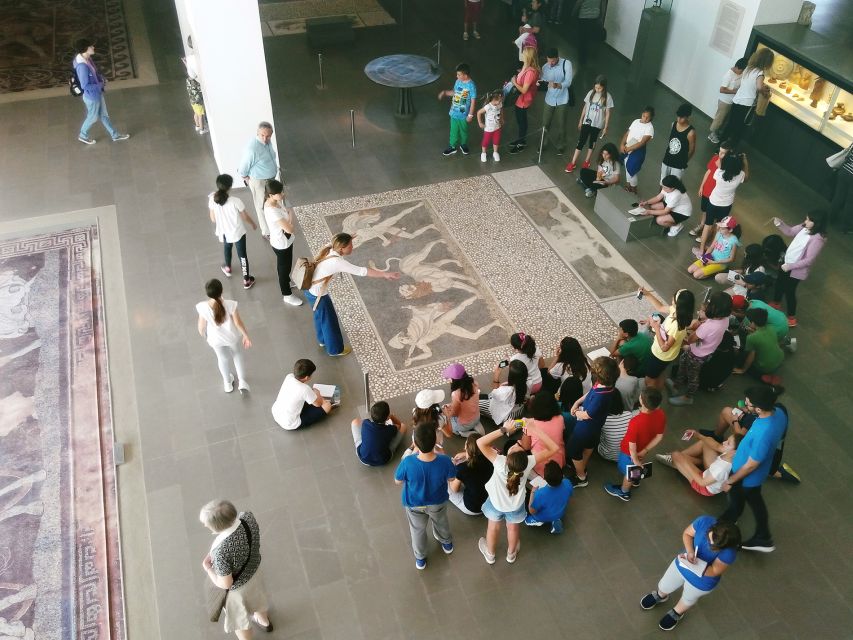
Your first main stop is the Archaeological Museum of Pella. You have about an hour here, so use your time carefully. The museum helps you understand the people behind the broad names of Philip and Alexander.
You can expect objects from everyday life alongside items linked to wealth, trade, religion, and public life. The museum’s displays make the ancient city feel lived in rather than purely royal. Look for the connection between ordinary household objects and the larger story of Macedon’s growing power.
The guide normally gives you background before you enter, then lets you explore at your own pace. That approach works well, but it also means you should keep an eye on the clock. An hour passes quickly if you read every panel. One useful tactic is to listen closely to the guide’s introduction, then focus your museum time on the objects and displays that interest you most.
If you want to read every label, take a quick photo of longer text and return to it later. You should not count on having enough time to absorb every detail on the spot.
Pella’s ancient market and its famous mosaics
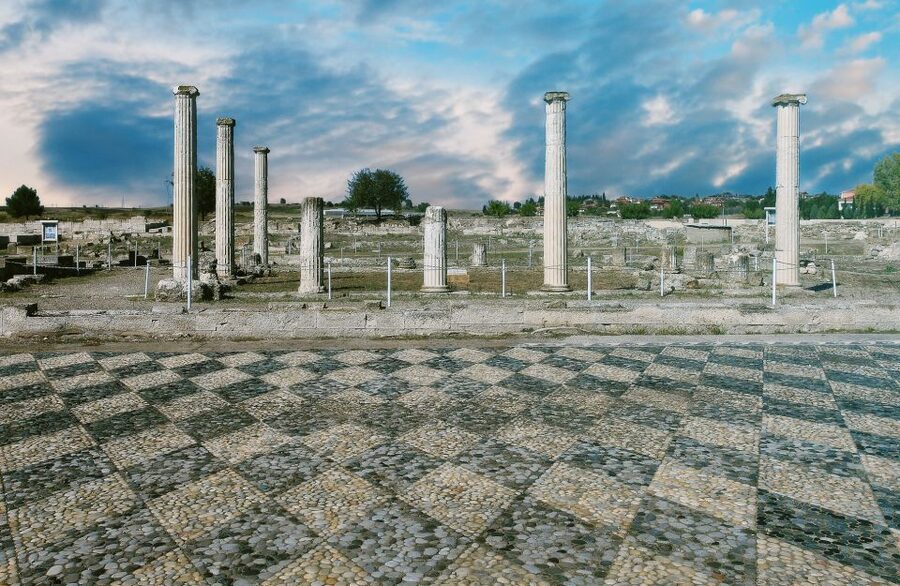
After the museum, you visit the archaeological site of Pella for about an hour. The site includes the ancient market and the remains of the city that served as the Macedonian capital. It is open-air, so the experience changes with the season and weather.
The mosaics are the main attraction. The Abduction of Helen and Amazonomachy scenes show the high level of design and craftsmanship available to wealthy Macedonian households. These are not vague fragments that require great imagination. Their subjects and patterns give you something specific to look for as you walk among the remains.
The site is broad, and some areas may feel less polished or somewhat overgrown. That is part of the tradeoff with an outdoor excavation. You get a real sense of the city’s scale, but not every foundation is easy to interpret without help.
The guide’s explanation before you wander is useful, yet this portion is largely self-guided. I recommend deciding in advance that you will see the central market and the major mosaics first. If you have extra time, then explore the less obvious remains. Several departures have left people wishing for more time in the museum and less time at the open site, so museum lovers should move briskly.
Close by, and nothing like it:
- Thessaloniki: OTE Tower Rotating Experience with Light Meal
★ 4.6 · 857 reviews - Thessaloniki Hop-on Hop-off Sightseeing Bus Tour
★ 4.0 · 473 reviews - Thessaloniki: City Sightseeing Hop-On Hop-Off Bus Tour
★ 4.2 · 285 reviews - Thessaloniki: Open Market Food Tour with Tasting
★ 4.8 · 186 reviews
The road to Vergina and the royal burial ground
The ride to Vergina takes about an hour. This is a good point to rest, listen to the guide, and keep water close. Summer visits can be very hot, and the open spaces at Pella offer little shelter.
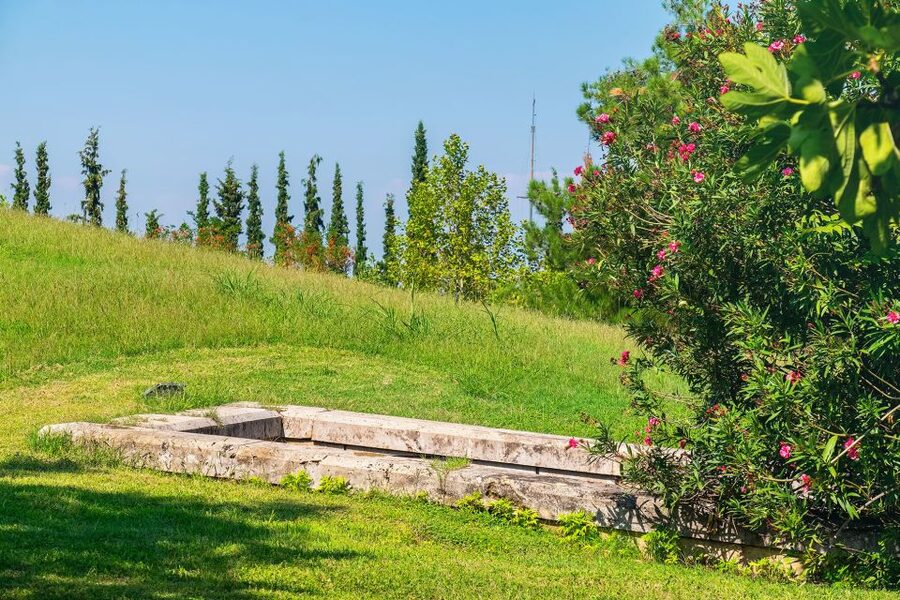
Vergina is the modern village beside Aigai, the ancient royal center of Macedon. The setting changes the mood of the day. Pella feels like an excavated city. The Royal Tombs feel more enclosed, ceremonial, and personal.
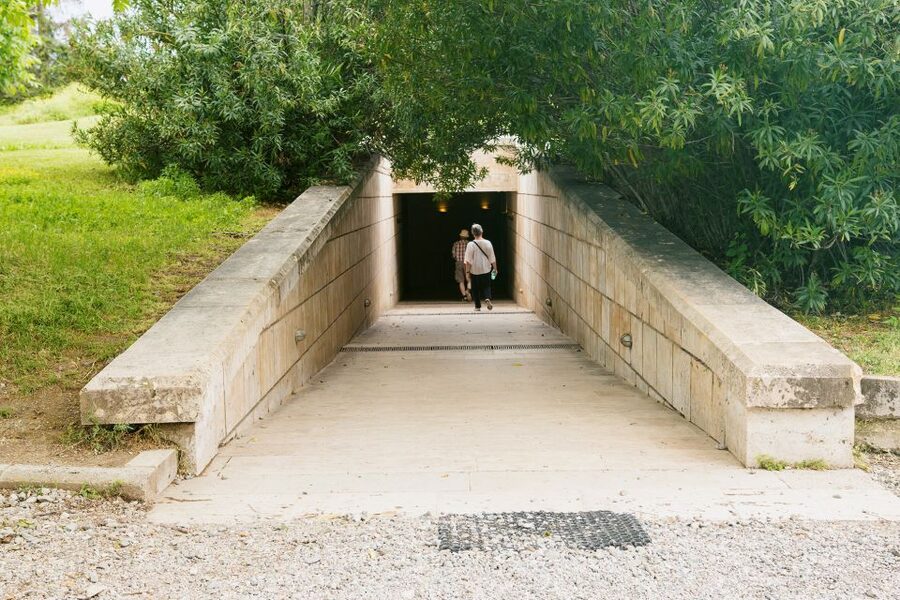
You first visit the Museum of the Royal Tombs of Aigai. It is built around the burial mound, and the interior is kept in low light. That darkness is not a minor detail. It gives the museum a quiet, solemn character and makes the gold objects appear even more striking.
Philip II’s tomb and the Golden Larnax
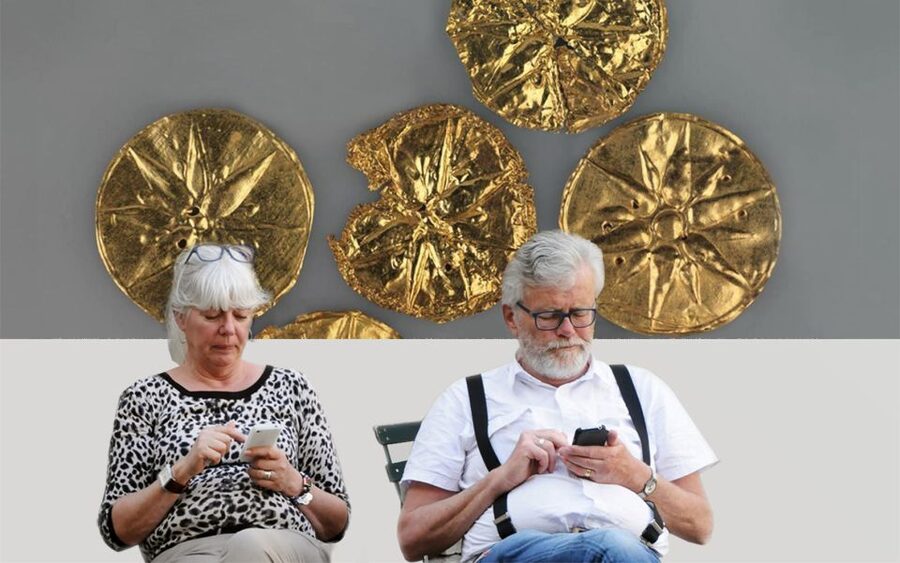
The central object is the Golden Larnax, the chest that held the cremated remains associated with Philip II. Its lid carries the sixteen-rayed sun, the emblem linked with the Argead dynasty and Macedon.
You also see the golden oak wreath associated with Philip’s funeral pyre, military armor, grave goods, and objects from other royal burials. The combination of weapons, precious metal, clothing-related objects, and ceremonial items gives you a more complete picture of Macedonian kingship than a portrait or inscription alone.
This is where a good guide earns the tour price. The objects are remarkable, but the identification and political setting can be confusing if you are seeing them quickly. Guides such as Lazaros, Yiannis, Eva, and Eleni have been praised for explaining the finds clearly and for answering questions without rushing the group.
The visit lasts about 90 minutes. That is longer than either stop at Pella, but you may still wish for more time. Some people prefer to linger in the tomb museum, while others want more time with the larger collections at the New Museum of Aigai. You cannot do everything at a leisurely pace in one day.
Lunch in Vergina: a useful pause, not a museum visit
Lunch takes about an hour at a traditional Greek restaurant in the Vergina area. The meal is not included, so plan to pay separately.
This break matters more than it might seem. The morning includes two Pella visits, a bus ride, and a museum with a lot to take in. A sit-down meal gives you time to reset before the final museum. Service has generally been quick enough to keep the schedule moving, but this is not a long, relaxed restaurant afternoon.
Bring cash. You need it for the entrance fees, and it is also the safest option for lunch. The tour information lists €20 for Pella’s museum and archaeological site together, and €20 for the Museum of Vergina, for €40 total at full price. The exact amount and admission rules can change, so check the current booking details before departure.
The New Museum of Aigai and the wider Macedonian story
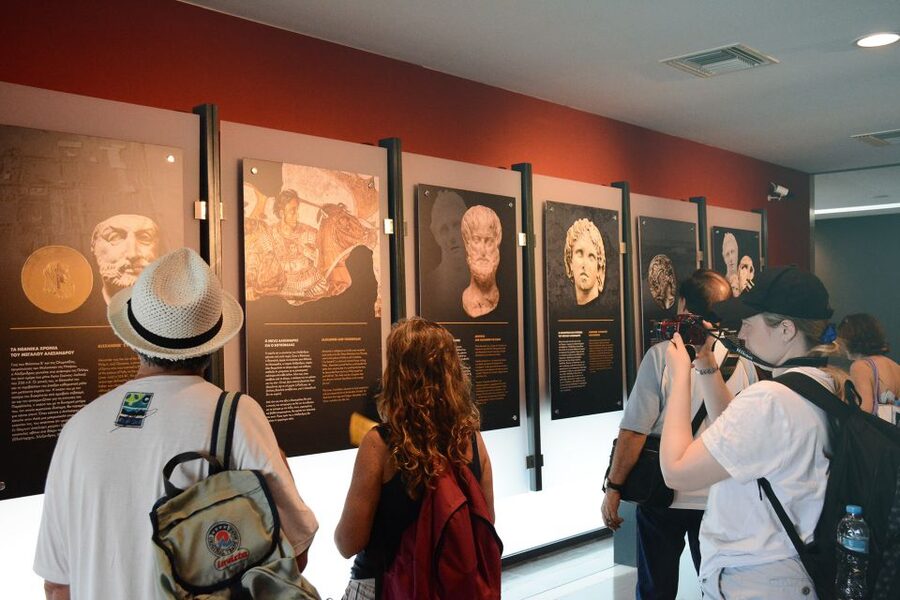
After lunch, you visit the New Museum of Aigai. This is a modern museum, and it gives the day a broader ending than the royal tombs alone.
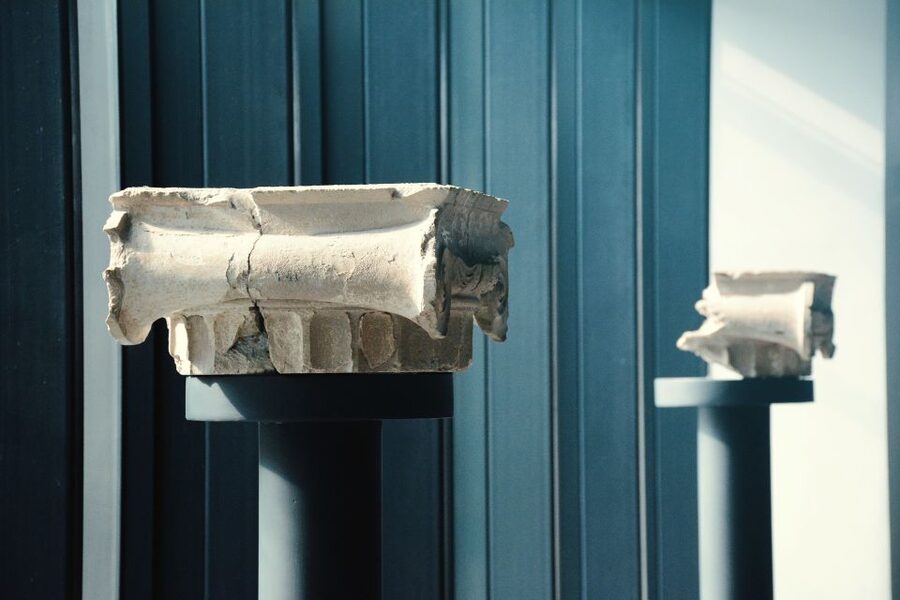
An impressive portrait of Alexander the Great greets you near the beginning. From there, the displays cover many sides of Macedonian life and power. You may see monumental sculpture, sárissa spears, helmets from the Macedonian phalanx, painted pottery, banquet vessels, coins from the Hellenistic world, and jewelry from royal burials.
The coin collection is especially useful for understanding how Macedonian influence continued after Alexander. It includes coinage from Macedonian kings and from Alexander’s successors across the Hellenistic world. You can see how political power traveled through currency, images, and symbols long after the original kingdom had changed.
The museum also includes queen burials with jewelry and royal insignia. This helps correct the usual male-centered story of Macedon. The royal collections are not only about battle and conquest. They also show status, ceremony, family, and the public display of wealth.
The New Museum of Aigai deserves time, and this is another reason to avoid lingering too long at the start of the day. The modern displays are easier to read and compare than the open ruins, but the sheer number of objects can still overwhelm you if you try to see every label.
What the $58 price really covers
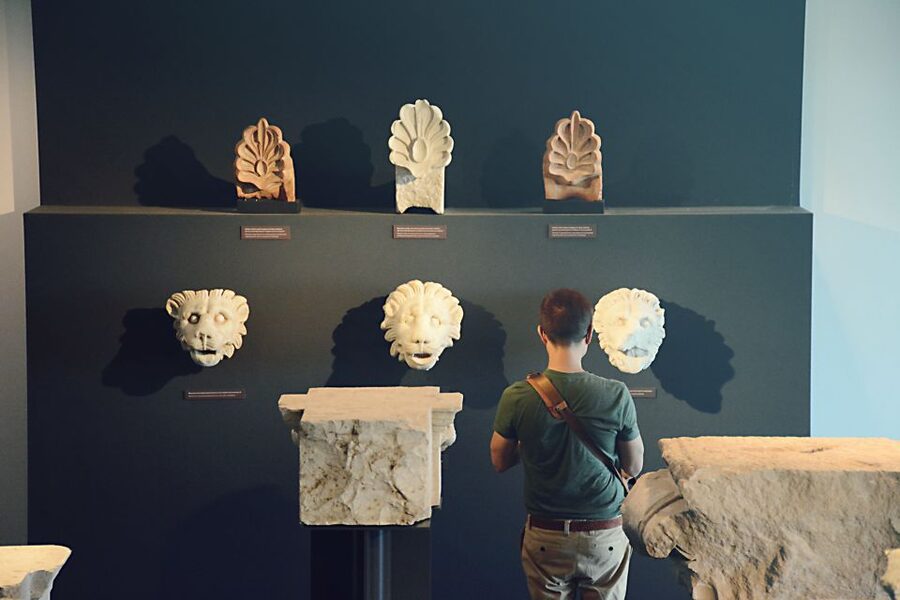
At $58 per person, the tour covers round-trip transport, basic travel insurance, skip-the-line assistance, and a live English-speaking guide. It does not cover the €40 in listed entrance fees, lunch, or separate guiding inside each museum beyond the tour guide’s general explanations.
That means a full-price adult should budget at least $58 plus €40 for admission, then add lunch. Depending on exchange rates, this can feel closer to a $100 day than the headline price suggests.
Still, the value is reasonable if you want to see both Pella and Vergina in one day. Transport is the biggest practical benefit. You avoid arranging separate connections to two archaeological areas, and the guide supplies the historical framework that makes the sites easier to understand.
I would not choose this tour only to save money. I would choose it because it joins difficult-to-reach places efficiently. The high transport rating, regular praise for the drivers, and strong feedback about guides all matter here. If you already have a rental car and enjoy planning museum visits yourself, you may prefer more control. If you are based in Thessaloniki without a car, the tour makes far more sense.
Timing, comfort, and what to bring
The complete day lasts about 8.5 hours, with the same central Thessaloniki meeting point for the return. The schedule is tight but logical. You are rarely on the bus for more than about an hour, and the day balances indoor museums with open-air ruins.
Bring:
- Passport or ID card, especially if you may qualify for reduced admission
- Cash for entrance fees and lunch
- Comfortable walking shoes or sturdy sandals
- Water and sun protection during the warmer months
- A phone or small camera for photographing long museum text for later reading
Free admission applies to European Union citizens up to age 25 with valid identification and to non-EU citizens up to age 18. Reduced admission applies to EU citizens aged 65 and over only from October 1 through May 31. From June through October, seniors pay the full price according to the stated rules.
Cancellation is free up to 24 hours before departure, and you can reserve without paying immediately. Those policies help if your Thessaloniki plans are still shifting, but the early meeting time remains fixed. Do not rely on arriving at 8:00 exactly.
Who should book this day trip
I would recommend it most strongly if you enjoy archaeology, ancient politics, museum collections, or the story of Philip II and Alexander. It is also a good choice if you want to understand northern Greece beyond Thessaloniki’s Roman, Byzantine, and Ottoman sights.
Families with older children may find the combination of gold, weapons, tombs, and famous rulers more engaging than a bare ruin. Younger children may struggle with the long day and the amount of museum time, especially since the schedule does not allow much wandering.
History enthusiasts should prepare a short wish list before leaving. At Pella, prioritize the museum and the two named mosaics. At Vergina, give the Golden Larnax, oak wreath, armor, and royal burial displays your full attention. In the New Museum of Aigai, look for the coins, phalanx equipment, banquet vessels, and queen burials.
Should you book the Pella and Vergina tour?
Book it if you want the easiest way to reach two major Macedonian sites from Thessaloniki, and if you value a strong English-speaking guide. The day is well planned, the museums are important, and the Royal Tombs of Aigai are difficult to match anywhere else in northern Greece.
Skip it if you dislike fixed schedules, want several hours at each museum, or need a low-cost outing after adding the entrance fees and lunch. The tour gives you a well-paced introduction, not an exhaustive archaeological study.
For most visitors with one free day and a real interest in ancient Macedon, I think it is worth the time and the added costs. Just arrive early, bring cash, wear sensible shoes, and save your energy for the tombs at Vergina.
FAQ
Where does the tour begin?
Meet at the Eleftherios Venizelos Statue at Aristotelous Square and Egnatia Street in Thessaloniki at 8:00 a.m.
How long does the day trip last?
The advertised duration is 8.5 hours, including transport, site visits, lunch, and the return to Thessaloniki.
What sites are included?
You visit the Archaeological Museum of Pella, the Archaeological Site of Pella, the Museum of the Royal Tombs of Aigai, and the New Museum of Aigai in Vergina.
Are entrance fees included?
No. The listed entrance fee is €20 for Pella’s archaeological site and museum and €20 for the Museum of Vergina. Bring cash for the tickets.
Is lunch included?
No. The schedule includes about an hour for lunch at a traditional Greek restaurant in the Vergina area, but you pay for your meal separately.
Is the tour conducted in English?
Yes. The activity includes a live English-speaking guide.
Can I cancel or pay later?
You can cancel up to 24 hours before the activity for a full refund. The reserve-now, pay-later option lets you book without paying immediately.
New on the Thessaloniki shelf
- Thessaloniki: Aristotle’s Birthplace and Mt. Athos Cruise★ 4.4 · 52 reviews
- Thessaloniki: Walking Tour★ 4.9 · 27 reviews
- Thessaloniki: Small-Group Wine Tasting Tour with Appetizers★ 4.8 · 31 reviews
- Thessaloniki: Self-Guided Audio Walking Tour & Narrative★ 3.5 · 28 reviews
- Thessaloniki:Selfie Museum, a 60-minute immersive experience★ 4.8 · 33 reviews
- Thessaloniki: Food and Walking Tour with Tastings★ 4.8 · 27 reviews
- Thessaloniki: Bike Tour★ 4.7 · 75 reviews
- Thessaloniki: Cooking & Dining Experience with Greek Family★ 4.9 · 85 reviews
Day Trips in Thessaloniki, compared.
Pozar Thermal Baths and Edessa Day Trip from Thessaloniki
Read our verdict →
Discover Vergina and Pella: Day Trip to Macedonian Kingdom
Read our verdict →
Browse the lists this tour appears in