
Review · MUSEUMS
From Thessaloniki: Aigai Royal Tombs & Pella Museum Day Trip
The most striking part of this trip is the Royal Tombs of Aigai, where Philip II, father of Alexander the Great, was buried with lavish gold and silver objects. You then visit Pella, the capital linked with Philip and Alexander, so the day connects royal burial customs with daily life in ancient Macedonia.
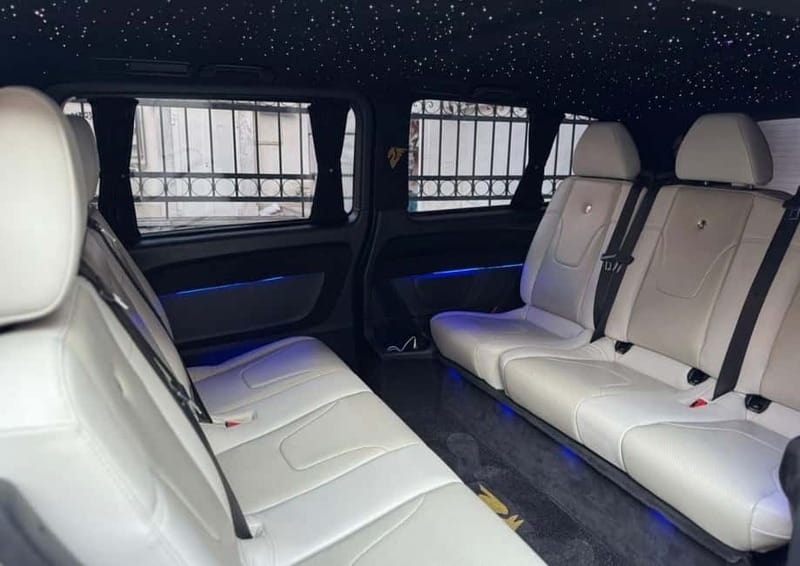
I like the private pickup from your Thessaloniki hotel and the small group, limited to eight people. I also like having Alexandros as your English-speaking driver-assistant, since his strong interest in Philip and Alexander can add useful context between the sites. The main drawback is a tight schedule: one hour is only enough for a brisk visit to the Pella Museum, and road delays can stretch the trip.
Key points to know before booking

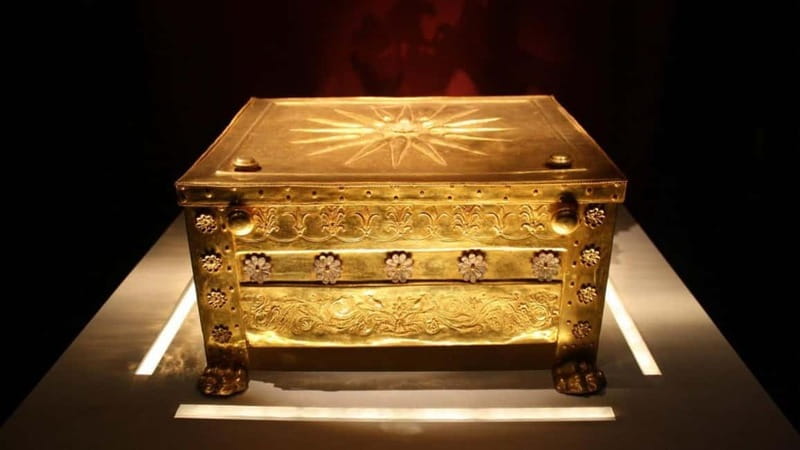
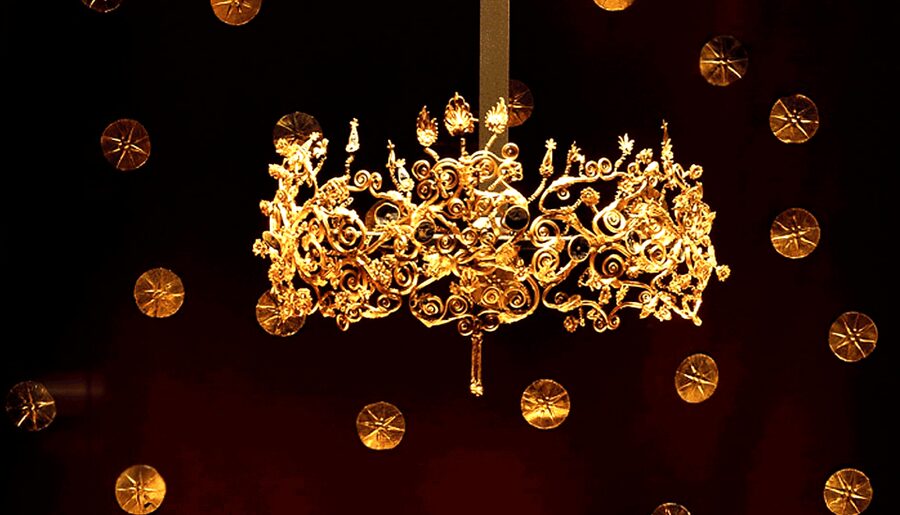
- Philip II’s tomb: See the underground Royal Tombs of Aigai and objects linked to the father of Alexander the Great, including a gold wreath, armor, diadems, and a golden chest.
- Two different kinds of archaeology: Aigai focuses on royal burials and precious objects, while Pella shows the layout and daily life of a Macedonian capital.
- Five hours from Thessaloniki: The route is efficient, but you need to keep moving through the museum and archaeological site.
- Small-group transport: Pickup and drop-off are provided anywhere in Thessaloniki, with groups limited to eight people.
- Extra costs: The tour price is $129 per person, with €20 in entrance fees for the two attractions and lunch not included.
- Best for history fans: The trip suits you if Philip II, Alexander the Great, archaeology, and ancient Macedonia are high on your list.
Why Aigai and Pella belong on the same day
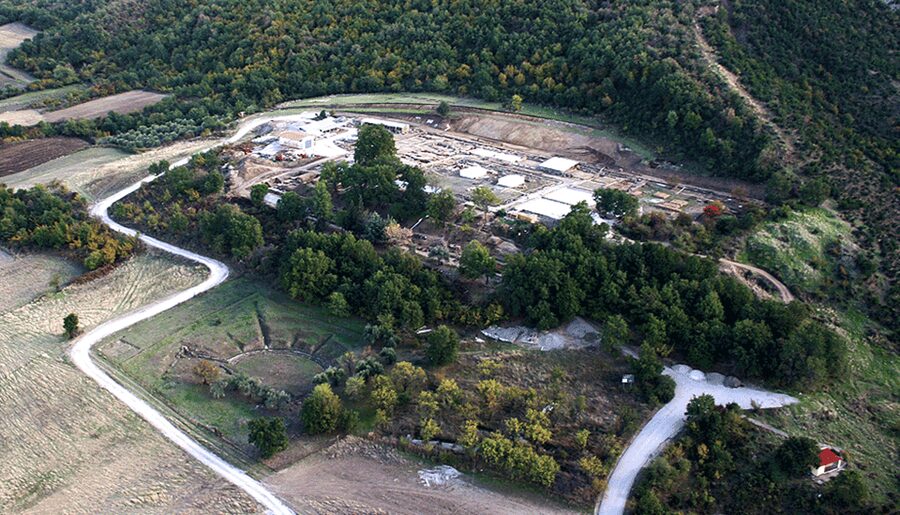
This outing works because the two sites tell different parts of the same Macedonian story. Aigai, now associated with Vergina, was the first capital of ancient Macedonia until the capital moved to Pella around 400 BC. Pella later became the political center linked with Philip II and Alexander the Great.
At Aigai, you are dealing with kings, funerals, ceremony, and wealth. At Pella, you walk through the remains of a city and see how a Macedonian capital was planned and used. The contrast gives the day shape. You are not simply looking at two collections of old stones.
I especially like the way the visit moves from the dark, enclosed tomb complex to the open remains at Pella. The Royal Tombs create a powerful sense of discovery, while Pella takes more imagination because much of the city survives as foundations, streets, and partial structures.
The trip is also a practical way to reach both places from Thessaloniki without arranging a rental car. You get hotel pickup, transport, an English-speaking driver-assistant, water, and all taxes included. That matters in a short visit, since planning the route and parking at two archaeological attractions would take time you could spend seeing the sites.
More Day Trips in Thessaloniki
- From Thessaloniki: Pozar Thermal Baths and Edessa Day Trip
★ 4.7 · 1,243 reviews - Thessaloniki: Vergina and Pella Day Trip
★ 4.8 · 673 reviews - Pozar Thermal Baths and Edessa Day Trip from Thessaloniki
★ 4.5 · 216 reviews
The Royal Tombs of Aigai: Philip II beneath Vergina
The first major stop is the Museum of the Royal Tombs of Aigai, with about 80 minutes scheduled for sightseeing. The museum is built around the underground burial complex, so you enter below ground rather than viewing the tombs as isolated ruins in an open field.
The site became famous after archaeologist Manolis Andronicos discovered the royal tombs in 1977 and 1978. Aigai had been the first capital of Macedonia, and it was believed to be the burial place of Macedonian kings. That background helps explain why the discovery mattered so much: this was not just an attractive collection of ancient objects, but a royal burial group tied to the early Macedonian state.
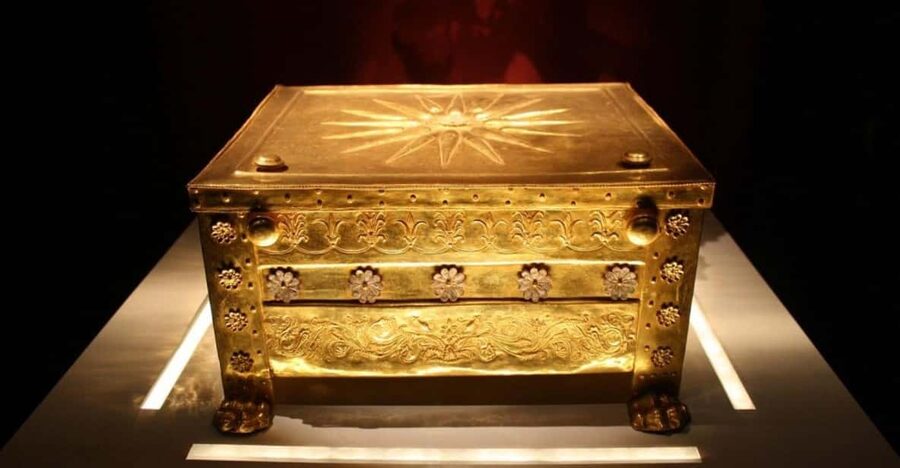
Inside, you can see objects associated with Philip II. The collection includes a shield decorated with ivory and gold, a gold-trimmed iron breastplate, gold diadems, a golden wreath made of oak leaves, a gold-plated collar, and silver burial urns. The workmanship is the star here. Even if you are not usually drawn to ancient art, the combination of precious metal, weapons, clothing details, and burial equipment makes the display easy to appreciate.
The tomb of Philip is the emotional center of the visit. A golden chest was found there, containing bones that had been washed with wine and wrapped in purple cloth. The tour description identifies these as the king’s remains. Your driver-assistant can add historical and archaeological context, though remember that the service is described as a driver-assistant rather than a licensed guide inside every exhibit.
You should allow time for the video presentations at Aigai. With roughly 45 to 60 minutes, you can see the main displays and watch the presentations, but you will not have much time to linger over every object. The planned 80-minute stop is more comfortable, but the exact time can change with traffic and the pace of your group.
The underground setting can also feel different from a typical open-air archaeological site. You are looking at original burial architecture and objects in a controlled museum setting, rather than trying to picture a tomb from scattered stones. For me, this is the strongest stop for anyone who wants a direct connection to Philip II.
Pella Museum: gold, mosaics, and the Macedonian court

From Aigai, the trip continues to Pella, the ancient city that became the capital of Macedonia. The Archaeological Museum of Pella gets about one hour on the schedule.
This is where you shift from royal burial to urban life. Pella is associated with the reigns of Philip II and Alexander the Great, and the museum helps explain the wealth and organization of the city. You can expect a modern museum with important objects from the ancient capital, including finds that make the archaeological site easier to understand.
The museum deserves your full attention, but one hour is not enough to examine every display. It has several floors, so you should avoid spending too long in the first room if you want to see the whole building. I would move steadily, pausing for the pieces that interest you most rather than trying to read every label.
This is also a good place to listen carefully to Alexandros. He is especially focused on Macedonian history and Alexander the Great, and his explanations can connect the objects to the political struggles and family relationships of the period. His style, based on the information provided for this outing, includes historical stories and personal theories about the power struggles of the time. That can make the ride and the museum feel more connected, though you may want to distinguish established evidence from interpretation.
Pella is a useful stop for people who know Alexander mainly as a military figure. The museum places him in a family, court, and city. It shows the setting from which his campaigns began, rather than presenting him as a figure floating outside ordinary political life.
Walking ancient Pella beyond the museum
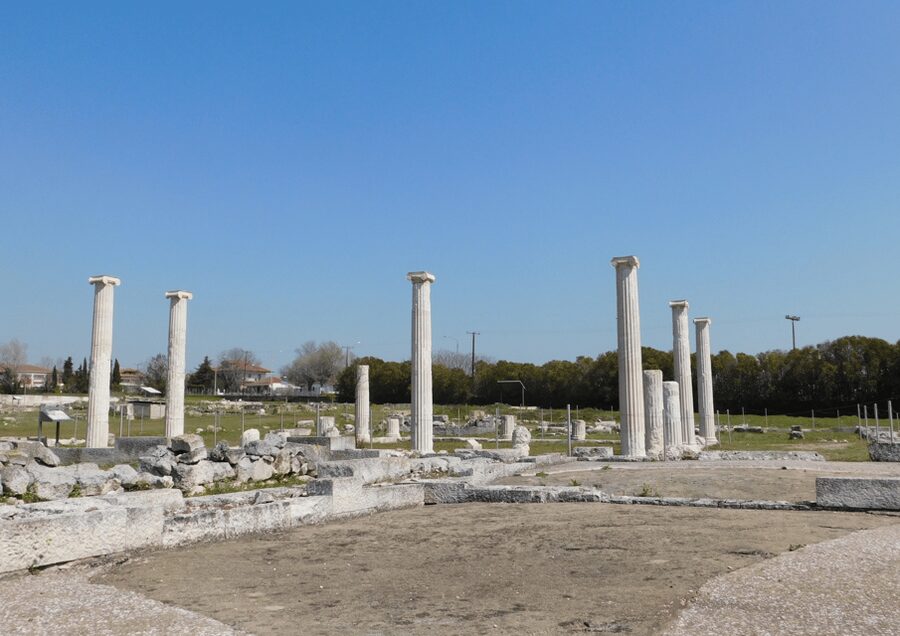
The archaeological site at Pella receives about 30 minutes, although the full experience may be closer to 45 minutes depending on the day’s timing. You walk among the remains of the ancient city and get a sense of its scale and planning.
The site is more open and less immediately dramatic than the Royal Tombs. You will see foundations and traces of city spaces rather than complete buildings. That means the museum visit matters. The objects give you details, while the ruins show the shape of the city where those objects were used.
If you want to walk all the way to the remains of the Temple of the Mother of the Gods, you need to use your time well. A brisk 45 minutes can cover the archaeological site, but stopping only near the closer end of the agora takes less time. The route includes unpaved paths and walking in the sun, so practical shoes, a hat, and water are sensible. One bottle of water is included, but you should not rely on that as your only supply for the day.
I like this stop because it changes the pace. After the enclosed tomb museum and the display cases at Pella, you get outside and read the city through its plan. You begin to picture streets, public spaces, and the working capital behind the famous names.
The limitation is simple: half an hour is short. If you love archaeological ruins and want to study every wall or follow the site in detail, this tour may leave you wanting more. If you want a well-chosen introduction to Pella while based in Thessaloniki, the stop gives you the essentials.
More Museum Tours in Thessaloniki:
- Thessaloniki: Museum of Illusions Admission Ticket
★ 4.3 · 147 reviews - Thessaloniki:Selfie Museum, a 60-minute immersive experience
★ 4.8 · 33 reviews - Athens: Acropolis, Parthenon & Acropolis Museum Guided Tour
★ 4.8 · 9,316 reviews - Athens: Mythology of Delphi, Museum and Arachova Guided Tour
★ 4.6 · 4,008 reviews
What the driver-assistant adds to the day
The person behind the wheel matters on a history-focused trip. Alexandros is repeatedly identified with this experience, and the information provided describes him as an English-speaking driver-assistant with a strong interest in ancient Macedonian history and Alexander the Great.
That role can be especially useful on the road. You are not simply transferred from Thessaloniki to two museums. The drive becomes a chance to connect Aigai, Pella, Philip II, and Alexander. Alexandros has also been described as willing to answer questions, discuss local culture, and adjust the day when circumstances allow.
You should keep the wording driver-assistant in mind. This is not presented as a formal walking tour led by a separate museum archaeologist. The quality of your historical explanation depends heavily on Alexandros and on how much time he can spend talking with you around the sites.
The small-group format helps. With a maximum of eight people, it is easier to ask questions and keep the group moving. Some departures may feel close to private if only a few people book. That is a major advantage over a large coach tour, especially at Pella, where short timing makes organization important.
Timing, traffic, and the real length of the day
The advertised duration is five hours, with pickup in Thessaloniki, visits to Aigai and Pella, and return to the city. In normal conditions, that makes this an efficient half-day excursion.
You should allow some flexibility. One account of the trip lasted five to six hours, and road disruptions caused delays and route changes. Farmer protests were one unusual cause of delay, not a normal feature of the tour, but the example shows why the schedule can move. Traffic, road conditions, or museum opening hours may also affect the order or length of stops.
There was also an occasion when the museums did not open until noon on a Tuesday, and Alexandros adjusted the plan by showing guests parts of old Thessaloniki first. That is a useful sign of flexibility, but you should still check the available starting time before booking. The activity page says to check availability for departure times.
The tight schedule is the main practical issue. You can see all three headline attractions, but you cannot treat them as a slow archaeological study day. At Aigai, watch the presentations and focus on the key royal objects. At Pella Museum, move through the floors without dawdling. At the archaeological site, decide in advance whether you want a short look at the agora or the longer walk toward the Temple of the Mother of the Gods.
Price, entrance fees, and overall value
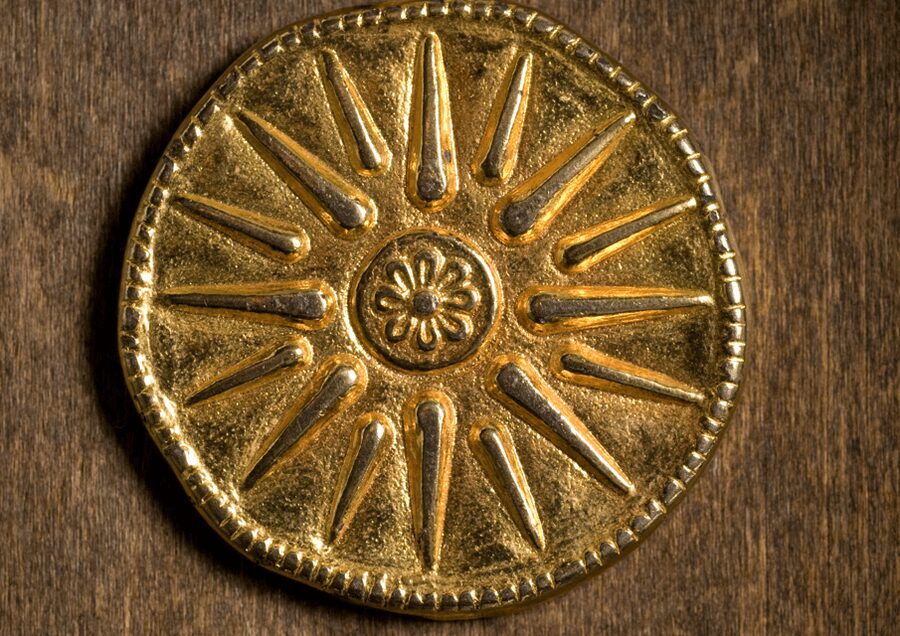
The tour costs $129 per person. That price includes private pickup and drop-off anywhere in Thessaloniki, transport, an English-speaking driver-assistant, a bottle of water, and taxes.
Entrance fees are extra: €12 for the Museum of the Royal Tombs of Aigai and €8 for the Archaeological Museum and archaeological site at Pella. Lunch is also not included. In other words, you should budget the listed price plus €20 in admissions and whatever you spend on food.
Is that good value? I think it can be, especially if you value convenience and a small group. You avoid arranging transport to two locations, and you receive historical commentary during the drive. A private car or van is also more comfortable and flexible than a large coach, particularly for a five-hour outing.
The value is weaker if you want long, unhurried visits. A rental car or a longer private day tour could give you more time at Pella, but it would require more planning and may cost more. This outing is best understood as a focused introduction, not a full archaeological expedition.
The 4.6 rating from 40 reviews and the 96 percent perfect transport score suggest that the driving service is a major strength. Still, I would not book it expecting every minute to be fixed. The trip works best when you accept a little flexibility and keep your own pace brisk.
Who should book this Aigai and Pella trip?
You are a strong match for this experience if you:
- Have an interest in Philip II, Alexander the Great, or ancient Macedonia.
- Want to see both royal tombs and a major ancient city in one outing.
- Prefer pickup from your Thessaloniki hotel over arranging public transport.
- Like small groups and the chance to ask questions during the drive.
- Have limited time in Thessaloniki but want to add serious archaeology.
- Can manage walking on unpaved paths and in the sun.
You may want another option if you need a very slow pace, want extensive time at each museum, or prefer a formal specialist guide at every exhibit. The tour is wheelchair accessible, which is useful, but the available information does not describe the exact accessibility of every path or display area, so you should confirm your specific needs before booking.
Free cancellation is available up to 24 hours in advance, and you can reserve now and pay later. Those policies help if your Thessaloniki schedule is still shifting, but the key decision remains the pace.
Should you book it?
I would book this trip if you want the two most important Macedonian archaeological stops near Thessaloniki without the work of planning transport. Aigai is the must-see, especially for Philip II’s tomb and the gold burial objects, while Pella gives you the city context that the tombs alone cannot provide.
Go in with realistic expectations. Five hours is enough for a well-organized overview, not a leisurely examination of every display. Keep your shoes practical, watch the clock, and consider paying for the optional admissions as part of the real cost. If Alexandros is driving your departure, you can expect a history-focused ride with plenty of attention to Philip and Alexander.
FAQ
Where does the tour start and finish?
Pickup and drop-off are provided at any location in Thessaloniki. The tour returns to Thessaloniki after visiting Aigai and Pella.
How long does the experience last?
The scheduled duration is five hours. Actual timing can vary, and the trip may last five to six hours if traffic, road conditions, or other delays affect the route.
What places are included?
The tour includes the Museum of the Royal Tombs of Aigai in Vergina, the Archaeological Museum of Pella, and the archaeological site of Pella.
Is an English-speaking guide included?
An English-speaking driver-assistant is included. The driver listed for the experience is Alexandros, also referred to as Alex in some tour information.
How many people can join the tour?
It is a small-group experience limited to eight participants. Pickup is by private car or van.
Are entrance fees included?
No. Admission to the Museum of the Royal Tombs of Aigai costs €12, and admission to the Archaeological Museum and archaeological site at Pella costs €8.
Is lunch included?
No. Lunch is not included in the tour price.
Is the tour wheelchair accessible?
The activity is listed as wheelchair accessible. The available information does not specify the accessibility details of every archaeological path or museum area.
Can I cancel or pay later?
You can cancel up to 24 hours before the experience for a full refund. Reserve now and pay later is also available.
New on the Thessaloniki shelf
- Thessaloniki: Aristotle’s Birthplace and Mt. Athos Cruise★ 4.4 · 52 reviews
- Thessaloniki: Walking Tour★ 4.9 · 27 reviews
- Thessaloniki: Small-Group Wine Tasting Tour with Appetizers★ 4.8 · 31 reviews
- Thessaloniki: Self-Guided Audio Walking Tour & Narrative★ 3.5 · 28 reviews
- Thessaloniki:Selfie Museum, a 60-minute immersive experience★ 4.8 · 33 reviews
- Thessaloniki: Food and Walking Tour with Tastings★ 4.8 · 27 reviews
- Thessaloniki: Bike Tour★ 4.7 · 75 reviews
- Thessaloniki: Cooking & Dining Experience with Greek Family★ 4.9 · 85 reviews
Museums, compared.
Mythology of Delphi, Museum and Arachova Guided Tour
Read our verdict →
Acropolis, Parthenon & Acropolis Museum Guided Tour
Read our verdict →
Acropolis monuments & Parthenon Walking Tour with Optional Acropolis Museum
Read our verdict →
Athens All Included: Acropolis and Museum Guided Tour with Ticket
Read our verdict →
Acropolis Museum Ticket with optional Audio Guide
Read our verdict →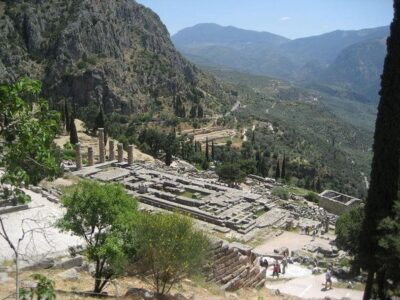
Small-Group Delphi, Museum & Arachova Day Trip
Read our verdict →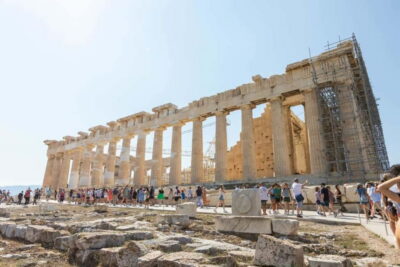
Parthenon & Acropolis Museum with Audio or Live Tour Option
Read our verdict →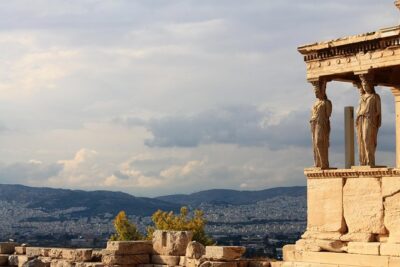
Acropolis, Parthenon and Acropolis Museum Guided Tour
Read our verdict →Browse the lists this tour appears in