
Review · MUSEUMS
Athens: Museum of Cycladic Art Entry Ticket
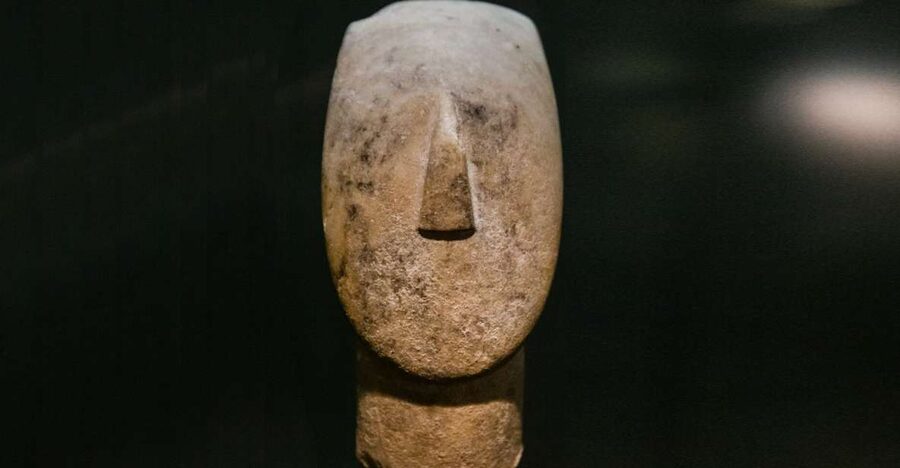
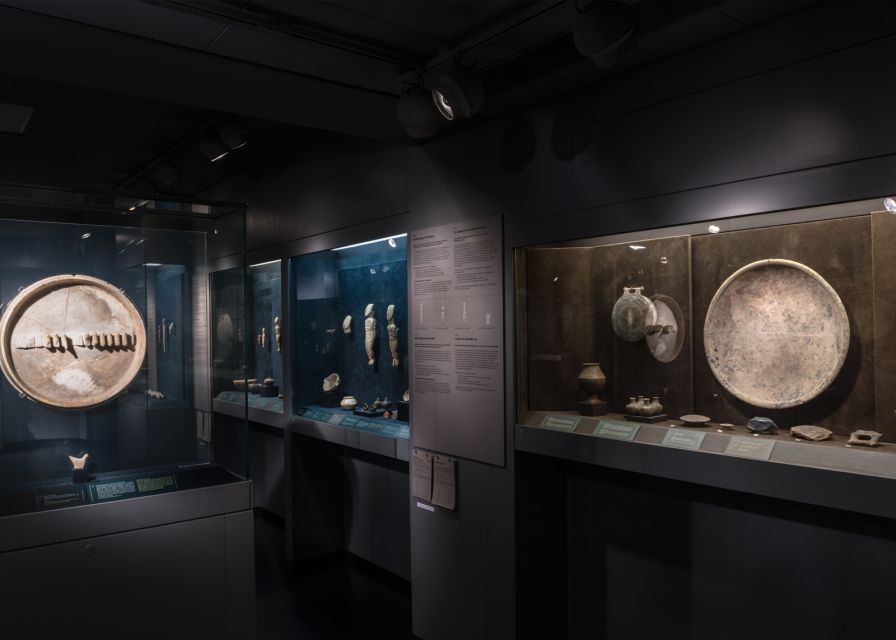
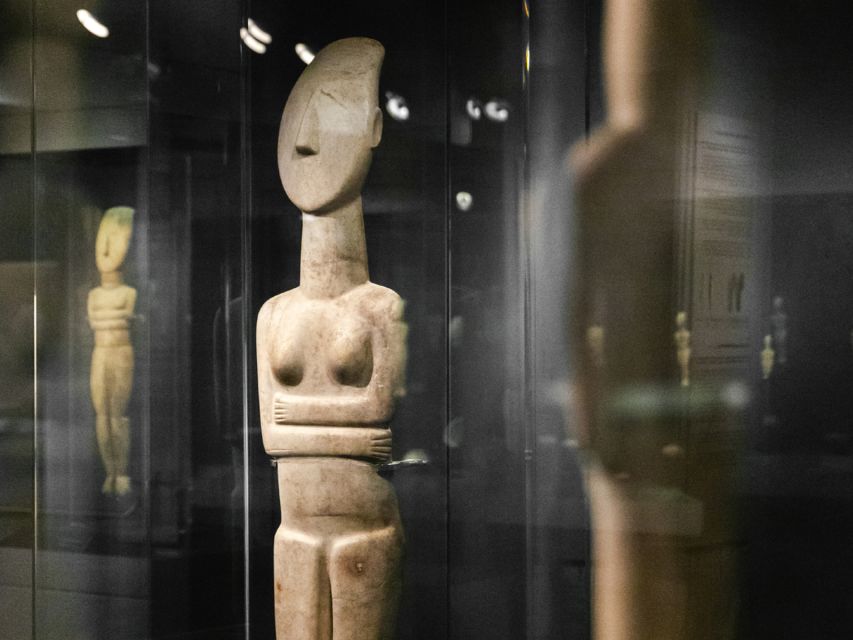
The Museum of Cycladic Art gives you a close look at the famous marble figures of the Cyclades, many made around 2300 BC. Their smooth, spare shapes can look modern at first glance, but the galleries place them within the ancient island culture that produced them.
I like the museum for two clear reasons: its four-floor layout is easy to follow, and the displays cover much more than Cycladic idols. You move from Bronze Age island art to Greek pottery, coins, jewelry, glass, and everyday life in Classical Athens. The $14 price is fair for that range.
There are two things to keep in mind. This is a self-guided museum, not a guided tour, and the QR-based Clio Muse material may not explain every object. Construction work has also affected access and, at times, created loud noise, so check conditions before you go if a quiet visit matters to you.
Key points at a glance
- Marble art from around 2300 BC: See the clean-lined figurines and vessels that make Cycladic art so recognizable.
- Four floors with a clear route: The museum moves from Cycladic and Cypriot collections to ancient Greek art and Classical Athenian life.
- A broad historical range: Objects date from the 4th millennium BC to the medieval period in the Cypriot collection, and from the 2nd millennium BC to the 4th century AD in the Greek collection.
- A central Athens location: The entrance is about five minutes on foot from Syntagma Square and Syntagma Metro station.
- A calm visit of about 1.5 to 2 hours: The museum is generally manageable in that time, though you can stay longer with the café and shop.
- Useful extras: Entry, free WiFi, and Clio Muse content by QR code are included, but a personal guided tour is not.
Why the Cycladic figures deserve your first look
The museum’s main draw is its Cycladic collection, one of the largest private collections of its kind. The objects come from the Cycladic islands in the central Aegean, where a distinctive culture flourished during the Early Bronze Age, in the third millennium BC.
The marble figures are the stars. Many have simple, folded forms and quiet faces, with a style that still feels striking today. Their plain appearance can fool you into thinking there is not much to see, but the surrounding displays help you read them as products of a particular society, not just attractive white sculptures.
You will also see marble vessels, pottery, tools, and weapons. Together, these pieces give you a better sense of daily work, craft, and trade than the famous figurines could provide on their own.
I recommend beginning here, even if the museum staff directs you elsewhere because of construction or access. One useful approach is to start on the highest floor and work down, which can reduce the amount of climbing. That route has helped some visitors, but the QR material can be less natural to use if you are moving backward through the museum.
More Museum Tours in Athens
- Athens: Acropolis, Parthenon & Acropolis Museum Guided Tour
★ 4.8 · 9,316 reviews - Athens: Acropolis, Parthenon & Acropolis Museum Guided Tour
★ 4.8 · 3,579 reviews - Acropolis monuments & Parthenon Walking Tour with Optional Acropolis Museum
★ 5.0 · 2,678 reviews
The second-floor story of ancient Greece
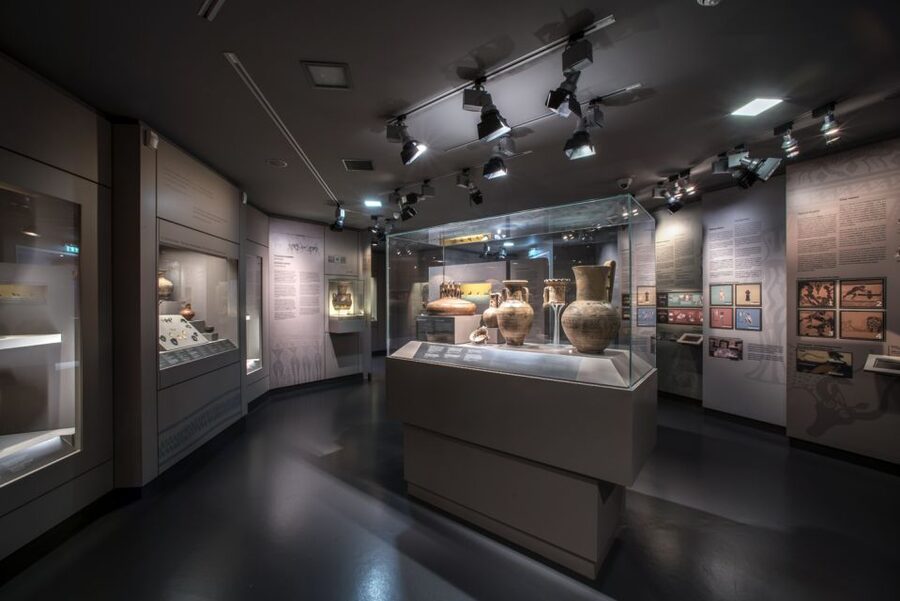
The second floor presents the museum’s Ancient Greek Art collection. Here, you can follow changes in Greek society and art across a long stretch of time, from the 2nd millennium BC to the 4th century AD.
The displays include painted vases, terracotta figures, bronze vessels, stone sculptures, coins, gold jewelry, and glass. That range is important because it keeps the visit from becoming a parade of statues. You get objects used for trade, decoration, ritual, storage, and daily life.
The vases are especially useful for seeing how Greek artists handled scenes and figures. The coins show another side of the Greek city-states, while jewelry and glass offer a more personal view of taste and wealth. You might find some overlap with objects in other Athens museums, including familiar pots, weapons, and statues. That is not a serious problem, but it does mean this museum works best as part of a wider Athens museum plan rather than as your only stop for ancient Greek art.
The display text is easy to read and gives enough context to help you connect the pieces. I would not rush this floor. It is where the museum shifts from a focused study of Cycladic culture to a broader look at the development of Greek city-states and society.
Classical Athens through ordinary daily life
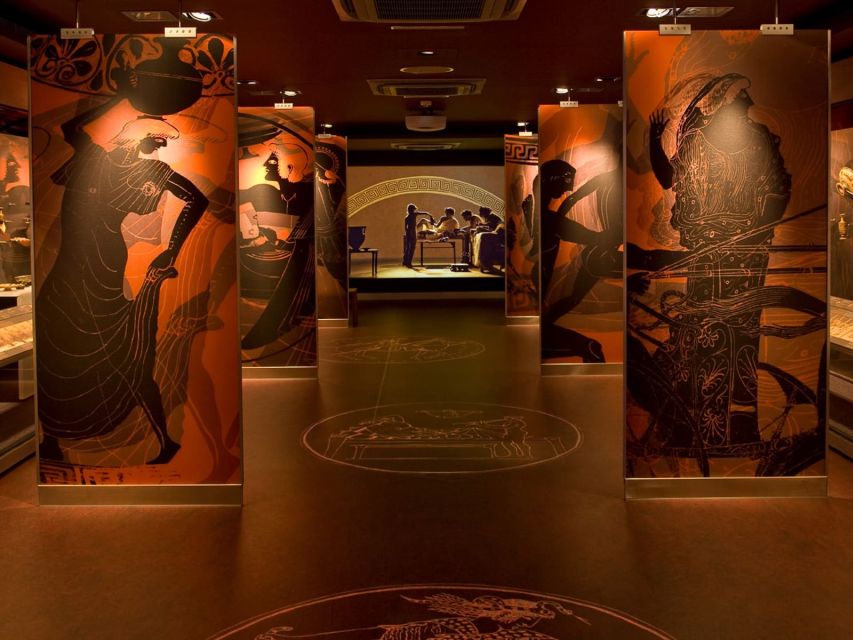
The fourth-floor exhibition focuses on everyday life in Classical Athens. This is a useful change of pace after the more formal sculpture and pottery displays.
Rather than looking only for famous works, I would pay attention to how objects show social habits, work, belief, and household life. The museum describes the floor as a vivid look at Classical Athenian daily experience, so it can help you picture the people behind the larger political and artistic story.
This floor may be particularly useful if you have already seen major archaeological sites in Athens. The Acropolis and Ancient Agora give you buildings and ruins; this exhibition gives you smaller objects and domestic details. It does not replace those sites, but it adds human scale.
The galleries are not designed around a long guided route. You can move at your own speed, stop at pieces that catch your eye, and leave once the information starts to feel repetitive. For many people, that makes the museum a good break from larger, more demanding archaeological collections.
Ancient Cyprus and the Mediterranean connection
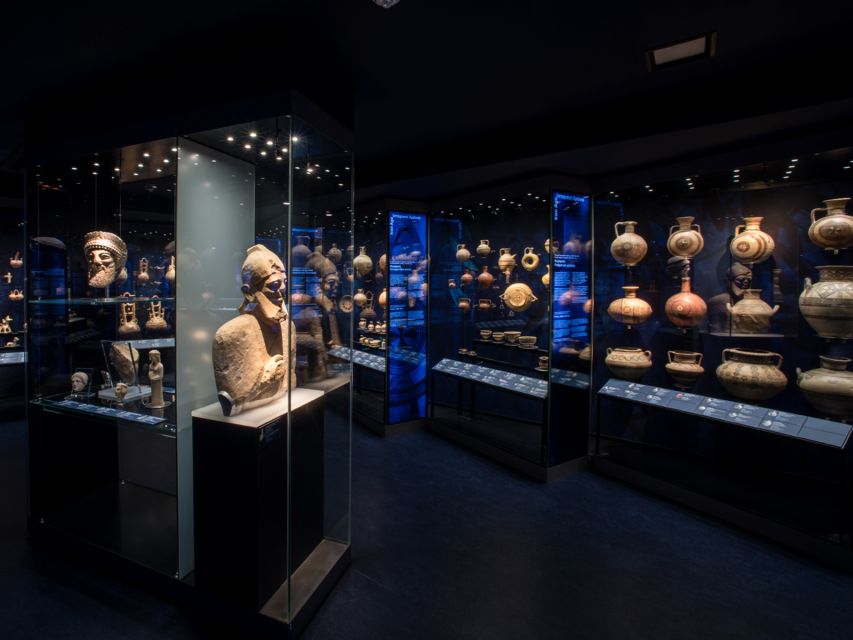
The collection of Ancient Cypriot Art is one of the museum’s strongest sections. It covers a very long period, from the 4th millennium BC to medieval times, and includes prehistoric figures, Archaic and Classical sculptures, inscriptions, bronzes, coins, gold jewelry, glasswork, and ceramics.
What makes this collection valuable is the way it shows contact between cultures. Cypriot art combines local traditions with influences from Greece, Egypt, and the Near East. You can see how the island’s position encouraged exchange across the eastern Mediterranean.
This is more than a side collection added to the Cycladic displays. It widens the story from one group of Aegean islands to the movement of ideas, styles, goods, and techniques between ancient societies.
If you like art history, this may be the section that gives the museum its greatest depth. If you mainly came for the smooth Cycladic figures, allow at least a little time here. The coins, inscriptions, jewelry, and glass help explain how art changes when cultures meet.
Close by, and nothing like it:
- Athens: Acropolis & up to 5 Archaeological Sites Combo Pass
★ 4.4 · 12,619 reviews - Athens: Acropolis Ticket with Optional Audio or Live Guide
★ 4.2 · 11,055 reviews - Athens: Acropolis and Parthenon Guided Walking Tour
★ 4.6 · 5,882 reviews - Athens, Piraeus, and Coastline: Blue Hop-On Hop-Off Bus
★ 3.9 · 4,849 reviews
How to plan your visit across four floors
The museum is in central Athens, about five minutes from Syntagma Square and Syntagma Metro station. That makes it easy to add before or after a walk through central Athens, and you do not need a hotel transfer or special transport plan.
The entrance is at the main entrance. Access has been affected by construction work at times, with the street-side approach blocked during one visit. If you see barriers or building work, ask at the site for the current entrance rather than assuming you are in the wrong place.
A practical route looks like this:
- Start with the Cycladic collection and its Early Bronze Age material.
- Continue to the Ancient Greek Art displays on the second floor.
- Visit the Classical Athens exhibition on the fourth floor.
- Finish with any remaining Cypriot galleries and return to objects you want to examine again.
- Take a break at the Cycladic Café if you want a quiet stop afterward.
The museum can be seen in about 1.5 to 2 hours at a steady pace. I would add time if you read every panel, use the QR content, visit the shop, or stop at the café.
The museum has a pleasant interior and clear floor arrangement. It is also described as cool inside, which can be welcome during a hot Athens day. Bring a light layer if you tend to feel cold in air-conditioned rooms.
Using the Clio Muse QR content
Your ticket includes access to Clio Muse Tours through a QR code. This gives you extra material without the cost or schedule of a private guide.
The system is most useful when you want help choosing key objects. It may not cover every item in the galleries, and the material can be awkward if you try to search for each exhibit by number. One practical strategy is to use it selectively: scan the objects that interest you most, then read the nearby wall text for the wider story.
This is not the same as having a guide walk you through the museum. A guided tour is not included, and no guide name is provided for this entry. If you want a continuous explanation from room to room, you may find the self-guided format less satisfying.
For independent visitors, though, the QR option adds useful structure. You can pause, skip, and set your own pace instead of following a group.
What the $14 ticket really gives you
At $14 per person, this is a solid-value museum stop in central Athens. The ticket covers the permanent collections, which means you get several distinct sections rather than one small Cycladic room.
The best value comes from the breadth: Cycladic art, ancient Greek art, Classical Athenian life, and Ancient Cypriot Art are all part of the same visit. The museum also includes free WiFi and QR access to Clio Muse content.
The ticket does not include a guided tour, hotel pickup, food, or drinks. That is not a surprise for a museum entry ticket, but it matters if you are comparing this with a guided archaeological tour that includes transport and live commentary.
I would call it good value for adults interested in archaeology, sculpture, design, or Mediterranean connections. Families with very young children should think twice. One visitor found the material less interesting for children under 10, and the museum depends more on looking and reading than on hands-on activities.
The café and the pace of the visit
The Cycladic Café is described as a quiet oasis with Cycladic flavors made from natural products and virgin ingredients. It gives you a reason to stay near the museum rather than rushing straight back into the busy center.
The café is not part of the ticket, and food and drinks are not allowed in the galleries. Plan to use it before or after the collection, not as something you carry through the exhibition rooms.
The shop is another small advantage, especially if you want a museum-related souvenir rather than a generic Athens item. Both café and shop are mentioned as facilities on site, but the visit is still mainly about the galleries.
Construction, noise, and access
The main issue to check is current building work. In November 2025, renovation noise affected one visit badly enough to shorten the time inside. Another visit found the entrance difficult to locate because construction blocked access from the main street.
Conditions can change, so I would ask before committing to a long visit if you are sensitive to noise. Earplugs may be useful during renovation work, though they will not solve an access problem.
The museum is wheelchair accessible. The building has four floors, and the route may involve moving between levels. If you need a particular entrance or lift arrangement, confirm the current setup when you arrive, since construction can alter the normal path.
Who should book this museum ticket?
I would choose this experience if you want a focused museum visit close to Syntagma and prefer setting your own pace. It suits adults, older children who already enjoy ancient art, students, and anyone who wants more context for the Cycladic figures seen in books or other museums.
It is also a good choice if you have only a few hours in central Athens. You can see a broad group of objects without committing to a full-day archaeological program.
I would be more cautious if you need a live guide, dislike reading exhibition panels, or are visiting mainly with children under 10. You may also want to postpone the visit if renovation noise is still present.
Should you book the Museum of Cycladic Art?
Yes, if you want a calm, well-arranged museum with a strong Cycladic collection and a wider view of ancient Aegean culture. The $14 ticket gives you enough material for a useful 1.5 to 2 hour visit, and the central location makes it easy to fit into an Athens day.
Book it for the art and historical range, not for a guided experience. Check the current entrance and renovation conditions, use the QR guide selectively, and allow time for the Cypriot collection instead of rushing straight from the famous marble figures to the exit.
FAQ
Where is the Museum of Cycladic Art?
The museum is in central Athens, about five minutes on foot from Syntagma Square and Syntagma Metro station.
How much does entry cost?
The listed price is $14 per person.
How long is the ticket valid?
The ticket is valid for one day. You can check availability for the available starting times.
What does the ticket include?
It includes entry to the museum’s permanent collections, free WiFi, and Clio Muse Tours access through a QR code.
Is a guided tour included?
No. A guided tour and hotel transfer are not included.
Can I cancel the booking?
Yes. You can cancel up to 24 hours in advance for a full refund.
Can I pay later?
Yes. The reserve now and pay later option lets you hold your plans without paying immediately.
Is the museum wheelchair accessible?
Yes, the museum is wheelchair accessible.
Are food and drinks allowed inside?
No. Food and drinks are not allowed in the museum galleries.
New on the Athens shelf
- Acropolis of Athens, Parthenon and Acropolis Museum private tour with dinner★ 5.0 · 77 reviews
- Small-Group Wine Tour in Athens with Tasting★ 5.0 · 33 reviews
- Private Athens Transfer Airport/Port -Greek Tours-Hourly service★ 5.0 · 88 reviews
- VIP Private Guided Tour of Athens Acropolis & Plaka in a Sidecar★ 5.0 · 108 reviews
- Athens Moonlight Waling Tour with Drinks and Meze Dishes★ 5.0 · 259 reviews
- Private Athens Landmarks Layover Tour★ 4.5 · 41 reviews
- Departure Transfer from Athens City to Athens Airport★ 5.0 · 41 reviews
- Classic Athens Food Tour with Local Drink & Market Visit★ 5.0 · 34 reviews
Museums, compared.
Mythology of Delphi, Museum and Arachova Guided Tour
Read our verdict →
Acropolis, Parthenon & Acropolis Museum Guided Tour
Read our verdict →
Acropolis monuments & Parthenon Walking Tour with Optional Acropolis Museum
Read our verdict →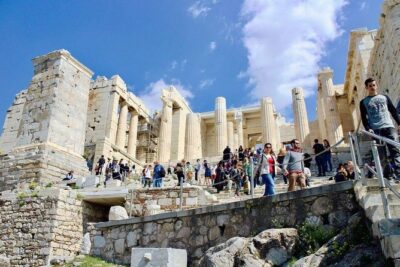
Athens All Included: Acropolis and Museum Guided Tour with Ticket
Read our verdict →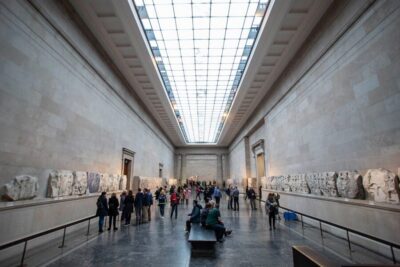
Acropolis Museum Ticket with optional Audio Guide
Read our verdict →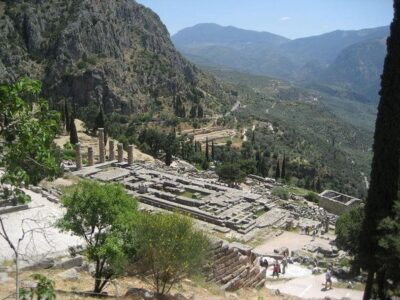
Small-Group Delphi, Museum & Arachova Day Trip
Read our verdict →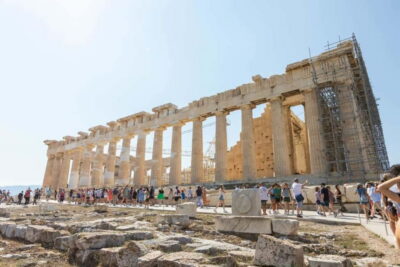
Parthenon & Acropolis Museum with Audio or Live Tour Option
Read our verdict →
Acropolis, Parthenon and Acropolis Museum Guided Tour
Read our verdict →Browse the lists this tour appears in