
Review · WALKING TOURS
Athens: Guided Mythological Walking Tour
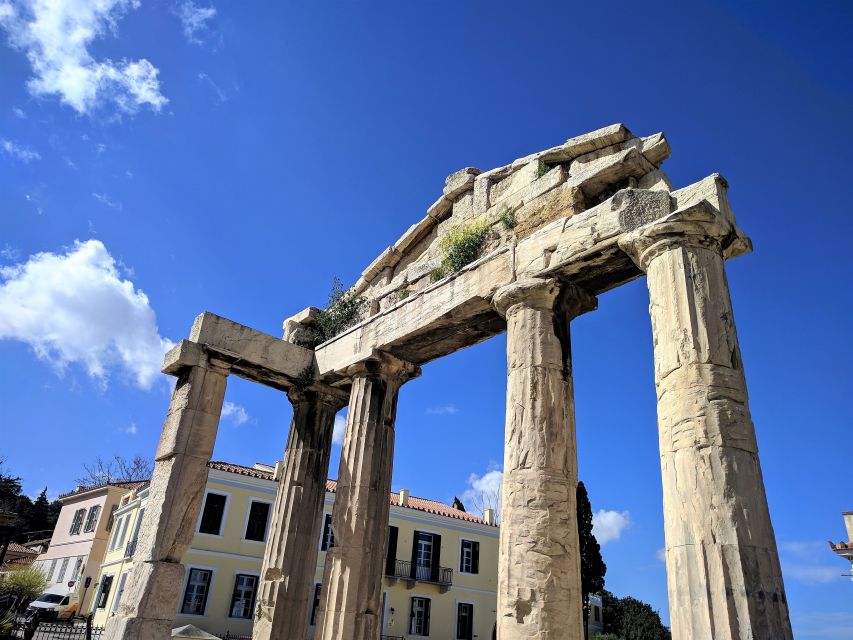
Athens wears its mythology in plain sight. On this two-hour walk, gods, lovers, satyrs, nymphs, and heroes become clues to the statues, buildings, and streets around you. The tour links stories of jealousy, seduction, deception, and divine punishment with the real city, so Athens feels less like a collection of ruins and more like a living storybook.
I like two things here. First, the route takes you beyond the Acropolis postcard view, from Korai 4 through Syntagma and Plaka to Monastiraki. Second, guides such as Penelope and Christina bring in daily customs, philosophy, architecture, and social life, not just a parade of familiar Zeus stories. The main consideration is the amount of information: this is a serious mythology lesson as well as a pleasant walk.
Key points to know before booking
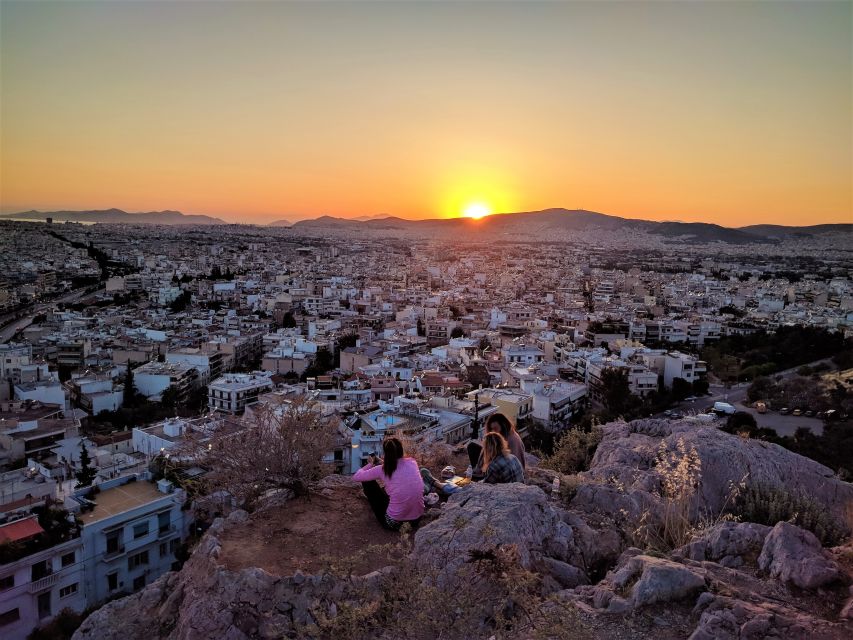
- A story-led route from Korai 4 to Monastiraki: You pass the Academy of Athens, Numismatic Museum, Syntagma Square, Mitropoleos, and Plaka.
- Greek mythology tied to the modern city: Statues, monuments, architecture, and overlooked corners become part of the lesson.
- Penelope is a frequent guide: Her clear English, humor, and ability to involve children receive repeated praise. Christina has also led the walk.
- Good for families with older children: Ten-year-olds, teenagers, and adults can all follow the stories, though the detail may be heavy for very young children.
- No archaeological admission is included: You see monuments and city sights from the walking route, but this is not a ticketed Acropolis tour.
- Wear proper walking shoes: The tour lasts two hours and includes several stretches on foot, ending in Monastiraki.
Why Greek mythology works so well on Athens streets
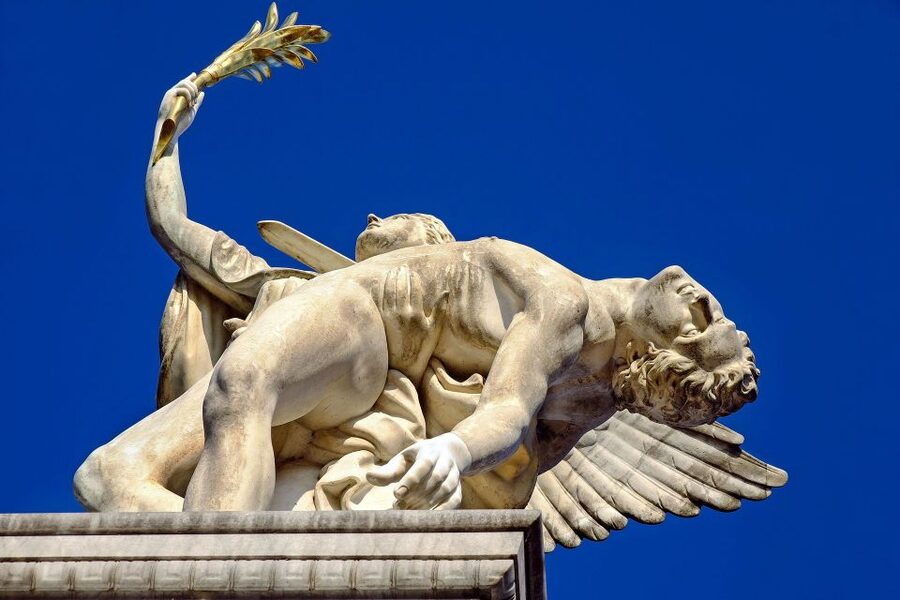
A standard Athens orientation can leave you with names, dates, and a long list of ruins. This tour gives those places a cast of characters. You learn how the gods behaved, how Athenians understood their world, and how old stories still appear in public art and architecture.
The tone is not all heroic triumph. Greek mythology is full of family quarrels, romantic mistakes, revenge, vanity, and bargains that go badly. That makes the material surprisingly human. The stories explain more than the exploits of Zeus or the labors of heroes. They also open a window onto ideas about power, fate, gender, honor, punishment, and the relationship between humans and the gods.
I especially like the connection between myth and ordinary life. The walk includes facts about social customs and the daily lives of ancient Athenians, so you are not simply memorizing who was related to whom. You get a sense of how these stories helped people explain nature, civic identity, moral behavior, and the city itself.
The guides are central to the experience. Penelope is the guide most often named in the supplied material, and her approach mixes careful explanation with warmth and humor. She has been praised for answering questions, keeping children involved, adapting to hot weather, and pointing out details that people had walked past without noticing. Christina has also led the tour, linking myths with Athens history and offering practical city suggestions at the end.
More Mythology Tours in Athens
- Athens & Acropolis Highlights: Greek Mythology Small-Group Tour
★ 5.0 · 2,370 reviews - Athens: Acropolis and Mythology Highlights Small Group Tour
★ 4.8 · 2,275 reviews - Athens: Mythology Tour for Families
★ 4.8 · 173 reviews
Starting at Korai 4 and the Academy of Athens
The meeting point is in front of the Starbucks café at Korai 4. That is a useful landmark, but give yourself enough time to find the exact spot and identify the guide. Hotel pickup is not offered, so you make your own way there.
From the starting point, the group walks toward the Academy of Athens, with about 20 minutes of walking listed for this part of the route. The Academy is one of the city’s most striking neoclassical buildings, and its sculptural program gives the guide plenty to discuss. Here, the mythological lens helps you read decoration and statues as more than attractive stonework.
This is also where the tour begins to show its real strength. You are not entering an archaeological site for a formal lecture. Instead, you pause in the city and learn how myth appears in public spaces. That keeps the experience connected to your surroundings and makes it easier to notice related details later in the day.
The drawback is that street-based sightseeing depends on the conditions around you. City noise, passing traffic, and crowds can affect how easily you hear. Stay close to the guide and wear shoes you can walk in comfortably.
The Numismatic Museum and the meaning of overlooked buildings

The next walk takes about 15 minutes to the Numismatic Museum. The route is not a straight march from major ruin to major ruin. It uses Athens as a classroom, with buildings and streets offering prompts for stories about the ancient world and its afterlife.
The museum itself is not included as an admission stop, so you should not expect a museum visit during the tour. Instead, its place on the route adds another architectural and cultural point of interest. The guide may use the setting to connect the city’s later buildings with older Greek ideas, symbols, and artistic traditions.
This is a useful part of the walk for people who have already seen the Acropolis. Athens rewards anyone who slows down enough to look above shopfronts, study a statue, or notice the figure carved into a building. The tour gives you a reason to pause.
Akadimias, with myth and city life side by side
The itinerary then continues through Akadimias, with roughly 20 minutes of walking. By this point, you should have a clearer sense of the tour’s pace. It is not a rapid checklist of photo stops. The walking sections connect longer storytelling moments, and the guide may move between ancient mythology, the city’s development, and what Athenians did in daily life.
That blend is why the experience suits more than mythology fans. If you enjoy literature, anthropology, architecture, or the way old beliefs shape public culture, you will have plenty to consider. The myths are the entry point, but the subject expands into how societies explain themselves.
You should also expect names and relationships to come quickly. Greek mythology is not always easy to follow, especially when several gods have similar roles or complicated family ties. Penelope’s strength, based on the supplied descriptions, is her ability to organize the material through stories and conversation. Still, ask questions when you need to. The tour works best when you take part rather than trying to remember every name.
More Walking Tours in Athens
- Athens: Acropolis and Parthenon Guided Walking Tour
★ 4.6 · 5,882 reviews - Greek Food Walking Tour in Athens
★ 5.0 · 4,740 reviews - Acropolis: Acropolis and Parthenon Guided Walking Tour
★ 4.7 · 3,442 reviews - Acropolis monuments & Parthenon Walking Tour with Optional Acropolis Museum
★ 5.0 · 2,678 reviews
Syntagma Square and the public face of Athens
The walk continues to Syntagma Square, with about 20 minutes assigned to this section. Syntagma is one of central Athens’s main public spaces, and it gives the tour a change of scale. Instead of a quiet side street or a single building, you are looking at a major civic setting.
This is a good place to think about the connection between mythology and public identity. Athens has long used ancient symbols in its architecture, monuments, and civic imagery. The guide helps you see how those references shape the city people experience today.
Do not expect a long private stop in an empty square. Syntagma is an active urban space, and the tour is still moving through central Athens. The value is the explanation, not a ticketed attraction or an extended viewpoint. If you want to explore the square in detail, save extra time after the walk.
Mitropoleos and the changing layers of Athens
From Syntagma, the route heads toward Mitropoleos, with around 15 minutes of walking. This section helps show that Athens is not only an ancient city. Its streets contain several periods at once, and the guide uses monuments, buildings, and religious or civic details to show how the city changed.
The mythology focus gives you a way to compare old stories with later interpretations of Greek identity. You may see how gods and heroes are represented in art, how classical themes were reused, and how modern Athens lives among reminders of an older civilization.
I like this kind of stop because it corrects a common mistake. You do not have to be standing beside a classical ruin to be thinking about ancient Greece. A building, statue, or carved figure farther from the main archaeological zone may carry an important reference. The guide’s role is to point out what casual walkers miss.
Plaka: the most atmospheric part of the walk
The route then reaches Plaka, with about 30 minutes listed for the walk. This is likely the most atmospheric stretch, with picturesque streets and a stronger sense of wandering through old Athens. It is also where the mythological stories can feel most naturally connected to the city’s character.
The guide talks about gods, human behavior, and the way ancient Greeks understood the interaction between divine and mortal worlds. Stories of pursuit, love, transformation, trickery, and punishment give the walk an entertaining edge, but the discussion does not stop at drama. You also learn about customs and cultural change.
Plaka can be busy, and narrow streets are not always easy for a group to navigate. That is part of the tradeoff. You gain atmosphere and visual interest, but you may need to pause at the side and listen carefully.
Families seem particularly well served here. The stories give children something concrete to follow, and the guide can connect a statue or building to a memorable character. The material is not presented as a childish fairy tale, though. Some myths contain violence, sexual themes, and harsh punishment, so parents should decide if the tone suits their children. The supplied information includes successful tours with children aged 8, 10, 11, and 13, as well as teenagers.
Ending in Monastiraki, with Athens still in view
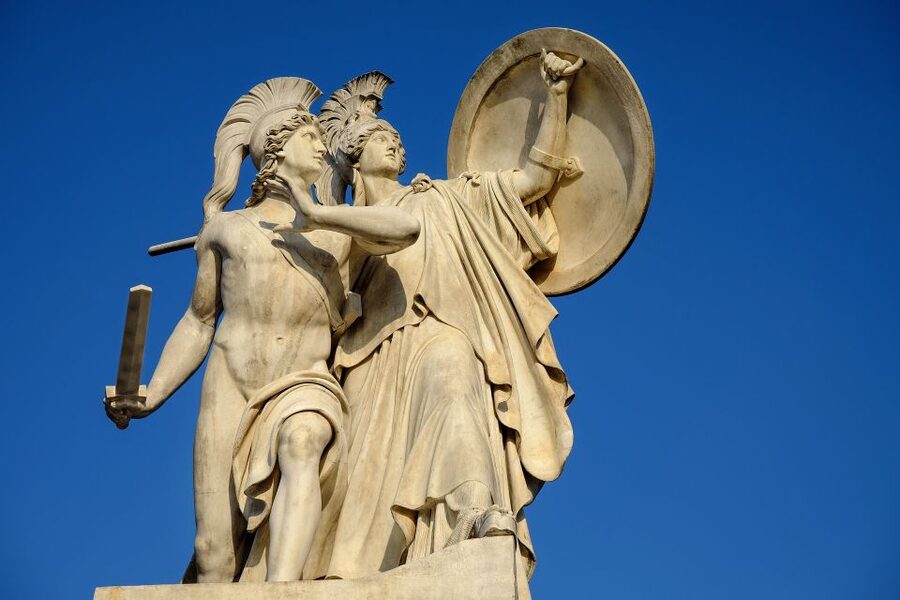
The walk ends in Monastiraki after about 30 minutes of walking from Plaka. This is a practical finish because Monastiraki is one of the city’s best-known areas for continuing your day, though no onward plans are included in the tour itself.
Finishing here also gives the experience a useful shape. You start near the center of modern Athens and gradually connect civic buildings, monuments, older neighborhoods, and street-level details before ending in one of the city’s liveliest central districts. The tour does not attempt to cover every major ancient site. Instead, it changes the way you look at the city around those sites.
If you are planning an Acropolis visit, this walk can work well before or after it. It does not replace time inside the Acropolis or another archaeological site because entrance fees are not included. Think of it as a city walk that supplies context and visual clues, not as a formal ruin tour.
How much value do you get for $47?

At $47 per person, the tour is not the cheapest way to spend two hours in Athens. You are paying for a live English-speaking guide, not for admission, transport, food, or hotel pickup. The value depends on how much you want interpretation rather than independent sightseeing.
For a mythology enthusiast, the price is easier to justify because the guide brings together stories, architecture, history, and philosophy in one route. You also get a more personal experience when the group is small. In quieter periods, the tour may have only a few people, which allows more questions and a closer conversation with the guide.
For a family, the calculation is different. If your children enjoy stories and can handle two hours of walking, the tour can make Athens far more approachable. If they need constant movement or prefer short explanations, the amount of information may feel like work.
The strongest value is the fresh viewpoint. Even after several days in Athens, you might pass monuments you have not noticed and learn new meanings behind places you already visited. That kind of orientation can improve the rest of your stay.
You can cancel up to 24 hours in advance for a full refund, and you can reserve now while paying later. Those terms help if your Athens schedule is still shifting. Wear comfortable clothing and shoes, and bring water and sun protection. Guides have made efforts to find shade and take breaks in hot weather, but Athens sun is still your responsibility.
Who should choose this mythology walking tour?
I would choose it if you enjoy:
- Greek myths but want more than the most familiar stories
- History, literature, philosophy, or anthropology
- Learning through a guide rather than reading signs alone
- Walking through central neighborhoods and noticing architecture
- Family activities that can hold the attention of older children
- Small-group conversation and time for questions
I would hesitate if you want entry to archaeological sites, a short overview with very little detail, or a tour focused only on the Acropolis. This walk can be information-heavy. Several hours of independent sightseeing may be better for someone who prefers to set their own pace.
The tour is in English only. It lasts two hours, but the listed walking segments add up to a substantial amount of movement, so treat it as an active city walk rather than a brief talk with a few nearby stops.
Should you book the Athens Mythological Walking Tour?
Book it if you want Athens to make more sense as a city of stories, not just a set of famous monuments. Penelope is frequently praised for her enthusiasm, clear English, humor, and ability to involve both adults and children, while Christina has also led the walk with a warm, personal style.
Skip it if your priority is going inside archaeological sites or getting a quick, light introduction. For everyone else, $47 buys a thoughtful two-hour lens on Athens, especially if you are curious about the less obvious links between mythology, art, civic life, and the streets under your feet.
FAQ
Where does the Athens Mythological Walking Tour begin?
It begins at Korai 4, in front of the Starbucks café.
Where does the tour finish?
The walk finishes in Monastiraki.
How long does the tour last?
The tour lasts two hours.
What language is the tour offered in?
The live tour guide speaks English, and English is the listed tour language.
Is the Acropolis included?
No. Entrance to archaeological sites is not included. The tour is a guided city walk that passes monuments and landmarks.
Does the price include meals?
No. Meals are not included.
Is hotel pickup and drop-off available?
No. Hotel pickup and drop-off are not included, so you need to reach Korai 4 yourself.
What should I wear?
Wear comfortable clothes and walking shoes. Water and protection from the sun are also sensible choices, especially in hot weather.
Can I cancel the booking?
Yes. You can cancel up to 24 hours in advance for a full refund. You can also reserve now and pay later.
New on the Athens shelf
- Acropolis of Athens, Parthenon and Acropolis Museum private tour with dinner★ 5.0 · 77 reviews
- Small-Group Wine Tour in Athens with Tasting★ 5.0 · 33 reviews
- Private Athens Transfer Airport/Port -Greek Tours-Hourly service★ 5.0 · 88 reviews
- VIP Private Guided Tour of Athens Acropolis & Plaka in a Sidecar★ 5.0 · 108 reviews
- Athens Moonlight Waling Tour with Drinks and Meze Dishes★ 5.0 · 259 reviews
- Private Athens Landmarks Layover Tour★ 4.5 · 41 reviews
- Departure Transfer from Athens City to Athens Airport★ 5.0 · 41 reviews
- Classic Athens Food Tour with Local Drink & Market Visit★ 5.0 · 34 reviews
Walking Tours, compared.

Acropolis: Acropolis and Parthenon Guided Walking Tour
Read our verdict →
Acropolis monuments & Parthenon Walking Tour with Optional Acropolis Museum
Read our verdict →
Knossos: Knossos Palace Skip-the-Line Guided Walking Tour
Read our verdict →

Athens Authentic Greek Food Walking Tour (Small Group)
Read our verdict →
Early Morning Acropolis & Old Athens Guided Walking Tour
Read our verdict →Browse the lists this tour appears in