
Review · FOOD & DRINK
Athens Authentic Greek Food Walking Tour (Small Group)
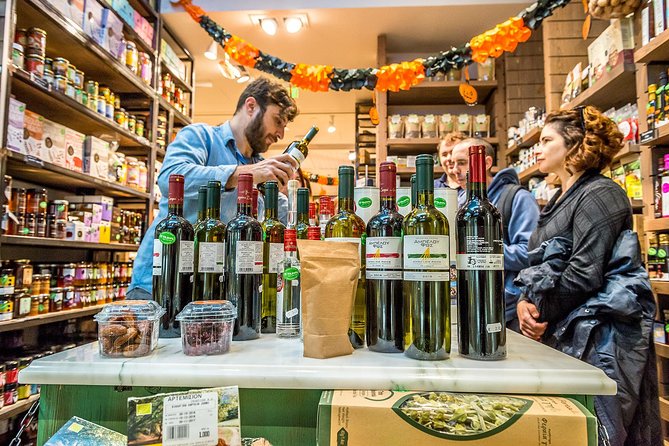
The best thing about this Athens food walk is its mix of eating and city wandering. You move from Syntagma Square through Plaka, Monastiraki, Psiri, and Varvakios Market, stopping at family-run shops, bakeries, specialty stores, and a taverna. It feels less like a restaurant crawl and more like a lesson in how Athens eats.
I like the small group of no more than 12, which gives you room to ask about unfamiliar foods and get help with Greek menus. I also like the generous food plan: about 15 tastings at roughly 10 stops, enough to replace lunch and leave you with ideas for the rest of your stay.
The main consideration is that this is a serious amount of food during a three-and-a-half-hour walk. Eat a light breakfast, wear comfortable shoes, and do not book it if you have severe food allergies or a very restrictive diet without first checking what can be arranged.
Key points at a glance
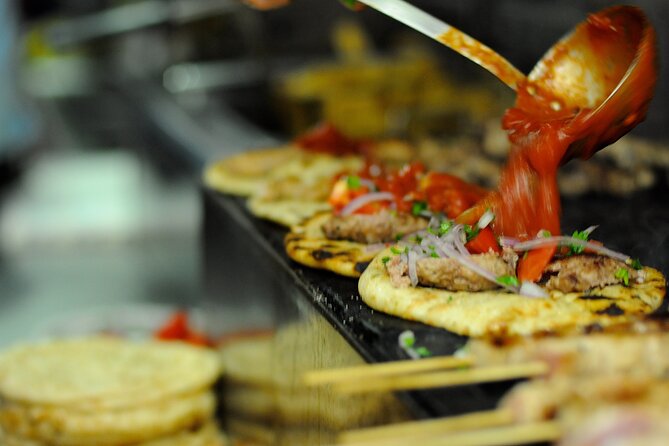
- Fifteen tastings make up a full lunch, including olive oils, cheese, cured meat, souvlaki, Greek coffee, and Greek sweets.
- The route links four central Athens neighborhoods, with time in Syntagma, Plaka, Monastiraki, Psiri, and Varvakios Market.
- A group capped at 12 keeps the guide close enough for questions and menu help.
- Local food shops are part of the experience, not just places to grab a quick sample.
- Guides such as Elizabeth, Andreas, Joseph, Elena, and Elissavet have been praised for combining food facts with stories about Athens and Greek culture.
- The tour ends in Monastiraki, putting you near restaurants, shops, and public transportation for the rest of your day.
Why this food walk works well in Athens
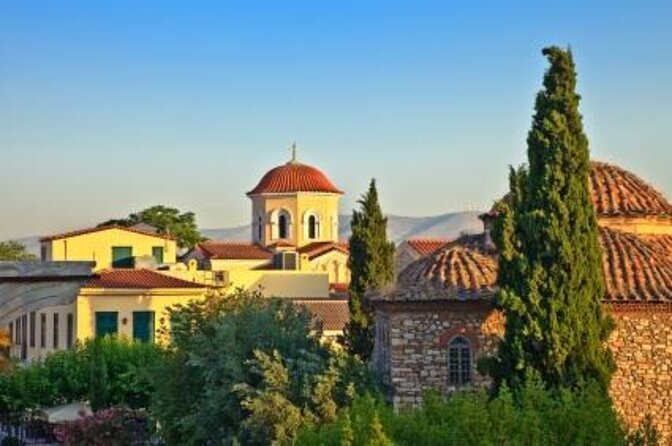
Athens can be hard to read at first. Menus may use unfamiliar Greek names, food shops may look ordinary from the street, and the best small bites are not always found on the main tourist lanes. This tour gives you a local food map before you set out on your own.
You meet at Syntagma Square, the city’s central crossroads, then leave the route-finding to your guide. That matters in Athens, where a short walk can shift quickly from grand public buildings to narrow lanes, market stalls, and residential streets.
The guide does more than point out dishes. You get background on Greek cooking, food traditions, and the outside influences that shaped what appears on the table. Andreas, Elizabeth, Joseph, Elena, Anti, Simon, Klelia, Mary-Kate, and Elissavet are among the guides associated with this experience, so the exact personality and storytelling style can vary by departure.
The strongest guide experiences combine practical advice with cultural context. You may learn how Greek coffee is made, how olive oil is stored, why a cured meat comes from Crete, or how to choose a restaurant for a later meal. That makes the tour useful beyond the food you eat during the afternoon.
More Food Tours in Athens
- Greek Food Walking Tour in Athens
★ 5.0 · 4,740 reviews - Athens: Street Food Tasting Tour
★ 4.9 · 2,557 reviews - Small Group Greek Traditional Food Tour in Athens 20+ Tastings
★ 5.0 · 1,759 reviews
Syntagma Square starts the story
Syntagma is a sensible meeting point because it is easy to find and close to the Greek Parliament. The square has a constant flow of people and traffic, giving you an immediate sense of modern Athens before the tour moves into older quarters.
The listed stop lasts about 40 minutes, though the actual rhythm includes meeting, introductions, walking, and the first food experiences. This is not a sightseeing tour focused on entering major monuments. Instead, Syntagma helps place the food walk in the center of everyday city life.
From here, you begin moving through residential areas and local businesses. Keep your map put away. One useful part of booking a guided food route is not having to stop every few minutes to check directions or decide which lane to take.
Plaka brings old Athens and tourist Athens together
Plaka is the most postcard-ready part of the walk. It sits below the Acropolis and mixes narrow lanes, souvenir shops, old buildings, and ancient remains. It is also the most tourist-heavy neighborhood on the route, so do not expect complete solitude.
That contrast is useful. A good guide can help you look past the obvious souvenir displays and notice how food, street life, and tourism overlap here. The stop is planned for about 45 minutes, enough time to walk, sample, and hear how this part of Athens fits into the wider city.
Plaka is also where you may begin to understand the tour’s balance. You are not simply visiting isolated food shops. You are walking through a changing neighborhood while learning what people eat at home, at the market, and on the street.
Monastiraki adds street food and old city layers
The walk continues toward Monastiraki, a lively area known for food, shopping, flea-market stalls, and historic remains. Hadrian’s Library is nearby, as is a surviving Ottoman mosque. The metro station is also associated with an underground river, an unusual reminder that Athens has more layers beneath its busy streets.
The planned stop is about 40 minutes. Here, the focus turns toward accessible Greek food and the practical side of ordering. This is a good place to ask your guide which dishes are worth seeking out later and which menu terms you should recognize.
The end point is in Monastiraki, so you can continue exploring from here after the tour. You are not left at an isolated restaurant or sent back to the starting point. That makes the route convenient for building into a day of sightseeing.
More Walking Tours in Athens
- Athens: Acropolis and Parthenon Guided Walking Tour
★ 4.6 · 5,882 reviews - Acropolis: Acropolis and Parthenon Guided Walking Tour
★ 4.7 · 3,442 reviews - Acropolis monuments & Parthenon Walking Tour with Optional Acropolis Museum
★ 5.0 · 2,678 reviews - Athens Acropolis and Parthenon Walking Tour
★ 4.5 · 1,355 reviews
Psiri shows Athens at its most food-focused
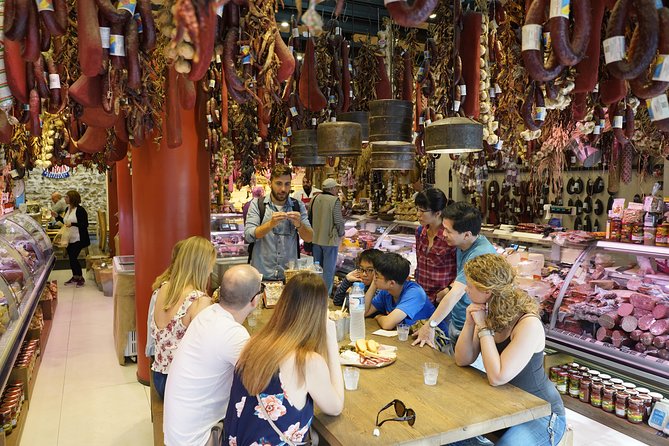
Psiri was long associated with small workshops and local trades. Today, it is one of central Athens’s most popular areas for food, drinks, and street art. The tour allows about an hour here, the longest neighborhood stop listed in the route.
This is where the food walk can feel most like a regular Athens outing. You move through working streets and food spots rather than simply passing monuments. Your guide may explain how the area changed and why it has become such a popular evening destination.
The stops can include a family-run taverna or a place serving several small plates to share. One especially useful format is a spread of Greek dishes served family-style, since it lets you taste more than one preparation instead of committing to a single main course.
The pace is generally described as leisurely, but remember that you are walking between stops and eating repeatedly. If you need frequent rests or have mobility concerns, ask before booking. The general information says most people can participate, but it does not promise a step-free route.
Varvakios Market is the clearest look at daily food life
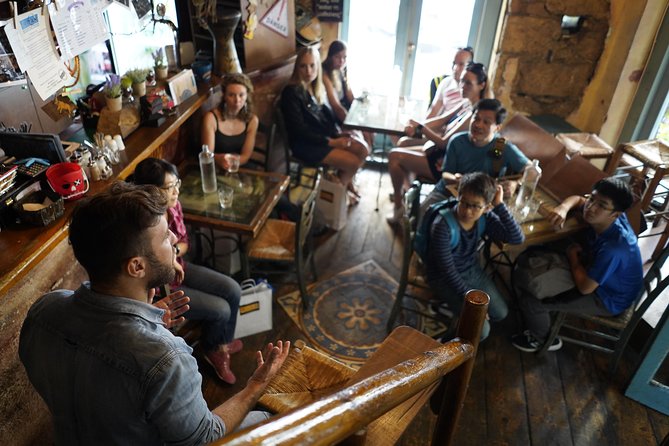
Varvakios Central Municipal Market is the practical heart of the route. This is where Athens shops for fresh meat, fish, and produce. The market is not arranged as a polished food hall for sightseeing. Its appeal comes from seeing an active place tied to the city’s daily meals.
The listed visit is about 15 minutes, which is enough for a quick look and explanation rather than an extended market tour. Expect strong sights and smells, especially around the meat and fish sections. If you prefer tidy, quiet food settings, this may be the least comfortable part of the experience. If you want to see how ingredients reach Athenian kitchens, it is one of the most useful stops.
The market also gives the earlier tastings more meaning. Olive oil, cheese, cured meat, herbs, and bread are not random samples. They connect to the ingredients and buying habits that shape Greek cooking.
What you actually taste during the three-and-a-half hours
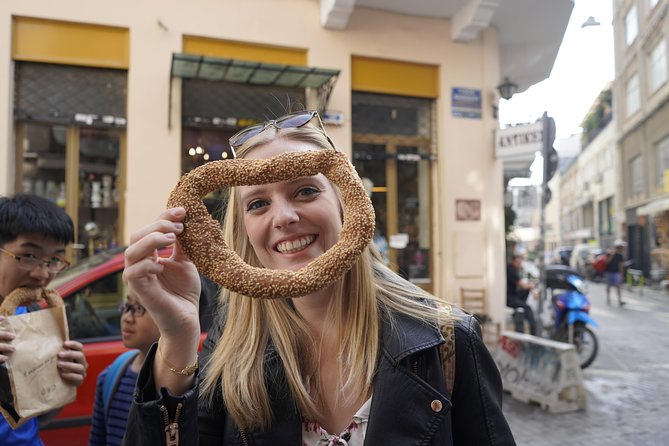
The food list is broad enough to function as lunch. You may start with koulouri, the ring-shaped bread snack that is chewy inside and crisp outside. It is a simple introduction to the Greek habit of eating well while walking.
The olive oil tasting is one of the more educational stops. You sample several extra-virgin oils and learn about their flavor, processing, health value, and storage. This is useful if you plan to take olive oil home or want to understand why one oil tastes peppery while another seems fruity.
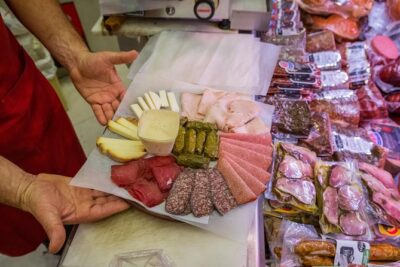
Cheese and cured meat bring more variety. Graviera has a firm texture and a sweet, nutty taste. Apaki is a cured meat associated with Crete. You may also try olive tapenade made with olives, capers, olive oil, herbs, and garlic.
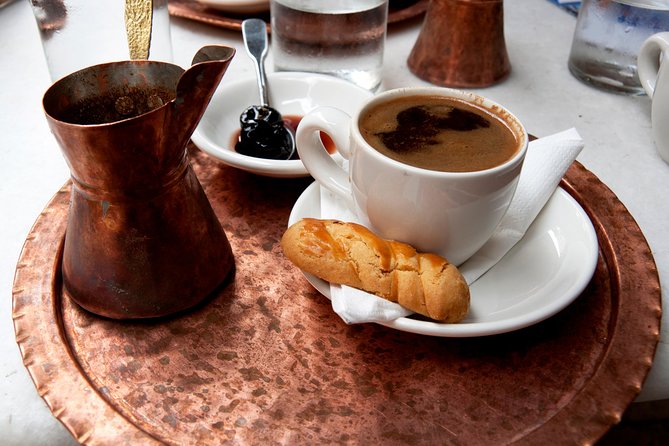
The drink selection can include tsipouro, a clear grape-pomace brandy usually served as an aperitif or with small plates. Greek coffee is another key tasting. It is finely ground, boiled with water and sugar, and served strong and thick. It is often incorrectly called Turkish coffee outside Greece, and the naming itself opens a door to regional food history.
The main savory course is usually souvlaki with pita, grilled meat served with vegetables and often tzatziki. An assortment of small Greek dishes may also appear, allowing you to sample several flavors at one sitting.
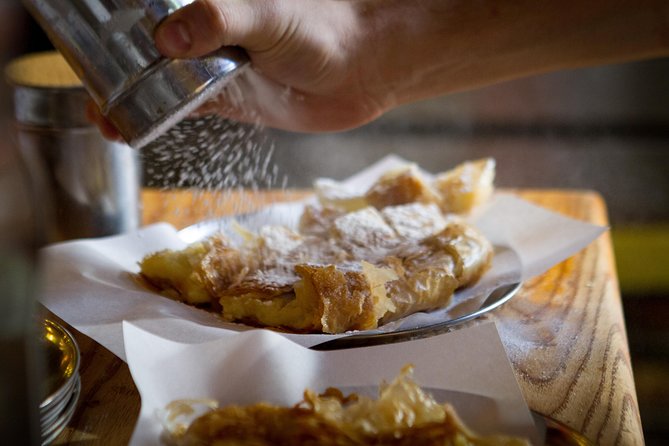
Dessert can include baklava, loukoumades, and bougatsa. Baklava combines thin pastry, honey, butter, and nuts. Loukoumades are Greek-style doughnuts, often served with honey. Bougatsa uses thin pastry around a sweet creamy filling and can be eaten at breakfast or as dessert.
The order of sweet and savory foods may not follow a formal meal. One account found the sweet dishes mixed into the savory part of the route rather than saved for the end. That is not a flaw for everyone, but it is worth knowing if you expect a carefully staged starter, main course, and dessert sequence.
The guide makes the difference
Food tours depend heavily on the person leading them. The strongest guides on this route explain not only what is on the plate but also why it matters. Elizabeth has been praised for combining generous tastings with clear food information. Andreas is noted for explaining the background and outside influences behind Greek dishes.
Joseph has been especially helpful with gluten-free questions, including finding gluten-free cookies at the start of one tour. Elena has been praised for keeping the route organized and showing how to choose good restaurants later. Elissavet has been described as a strong storyteller who connects food with Greek culture and history.
Those names are useful, but guide assignments can change. The practical point is to expect a food expert who speaks English and can answer questions, not a fixed celebrity guide.
The group limit matters here. With 12 people or fewer, you have a better chance of hearing the explanation at a crowded market stall and getting a direct answer when a menu term puzzles you. A larger group would make tastings and movement through narrow streets less comfortable.
Is $83.44 a fair price?
At $83.44 per person, this is not the cheapest way to grab lunch in Athens. But price the tour as a meal, a guided walk, and a series of tastings rather than as a simple restaurant visit.
The package includes about 15 tastings at roughly 10 food places, plus the guide. Olive oil, cheese, cured meat, coffee, tsipouro, souvlaki, small plates, and several sweets would cost money on their own, especially if you tried to sample them across separate shops.
The bigger value is variety. You do not have to guess which specialty store to enter, work out unfamiliar menus, or order full portions of foods you may not enjoy. You taste small amounts, ask questions, and leave with a list of dishes to seek out later.
Extra food and drinks are not included, and transfers to or from Syntagma are not included. Those costs are easy to manage because the meeting and ending points are central and close to public transportation.
Who should book this walk?
I would put this near the start of an Athens visit. The guide’s restaurant advice can help with later meals, and the route gives you a working sense of central neighborhoods before you explore them alone.
It suits people who like trying several foods, want local context, and prefer a small group to a large bus tour. It is also useful if you are unsure how to read Greek menus or want help identifying traditional dishes.
Vegetarians can be accommodated, and special dietary needs may be possible if you ask ahead. The experience is not recommended for severe food allergies or highly restrictive diets. If you have a serious allergy, ask the provider directly before paying rather than relying on substitutions during the walk.
Wear comfortable shoes and bring sunscreen. A light breakfast is wise, but a large one is not. The food adds up quickly, and some portions can be more filling than the word tasting suggests.
Free cancellation is available up to 24 hours before the start time. Changes or cancellations inside that window are not accepted for a refund. The tour also requires a minimum number of people, so a cancellation by the provider would result in another date or a full refund.
Should you book it?
Book this tour if you want a full Greek lunch with a guided look at central Athens, not just a short sampling of street food. The combination of specialty shops, Varvakios Market, neighborhood walks, and practical restaurant advice gives it more substance than a simple list of snacks.
Skip it if you dislike eating many small portions, need complete control over ingredients, or prefer a quiet sit-down meal. For most food-curious visitors, the $83.44 price is reasonable because it covers a substantial meal and a useful orientation to Athens. Start hungry, ask questions, and save room for loukoumades.
FAQ
Where does the Athens food tour start?
It starts at Syntagma Square, at Karagiorgi Servias 1 in Athens.
Where does the tour end?
The experience ends in Monastiraki, Athens.
How long does the tour last?
It lasts approximately three hours and 30 minutes.
How many people can join the group?
The maximum group size is 12 people.
How much food is included?
The tour includes about 15 tastings at roughly 10 food places. The tastings are intended to equal lunch.
Is the tour suitable for vegetarians?
Yes. The tour is listed as suitable for vegetarians. Special dietary needs may also be accommodated if you ask in advance.
What happens if I need to cancel?
You can cancel up to 24 hours before the start time for a full refund. Cancellations or changes made less than 24 hours before the start time are not refunded.
New on the Athens shelf
- Small-Group Wine Tour in Athens with Tasting★ 5.0 · 33 reviews
- Acropolis of Athens, Parthenon and Acropolis Museum private tour with dinner★ 5.0 · 77 reviews
- Private Athens Transfer Airport/Port -Greek Tours-Hourly service★ 5.0 · 88 reviews
- VIP Private Guided Tour of Athens Acropolis & Plaka in a Sidecar★ 5.0 · 108 reviews
- Athens Moonlight Waling Tour with Drinks and Meze Dishes★ 5.0 · 259 reviews
- Private Athens Landmarks Layover Tour★ 4.5 · 41 reviews
- Departure Transfer from Athens City to Athens Airport★ 5.0 · 41 reviews
- Classic Athens Food Tour with Local Drink & Market Visit★ 5.0 · 34 reviews
Food & Drink, compared.

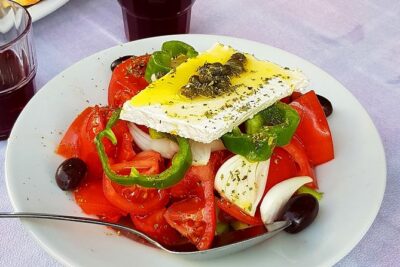
Small Group Greek Traditional Food Tour in Athens 20+ Tastings
Read our verdict →
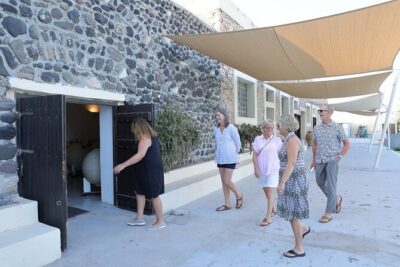
Santorini Wine Stories: Sunset Tour with Tasting & Dinner
Read our verdict →
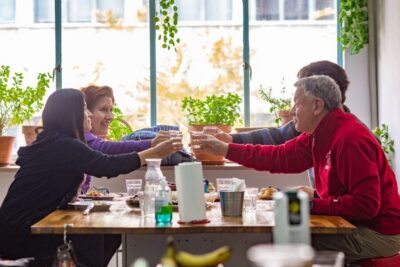
Food Market Visit and Cooking Class with Wine
Read our verdict →
Browse the lists this tour appears in