
Review · ACROPOLIS TOURS
Athens: Acropolis, Parthenon & Acropolis Museum Guided Tour
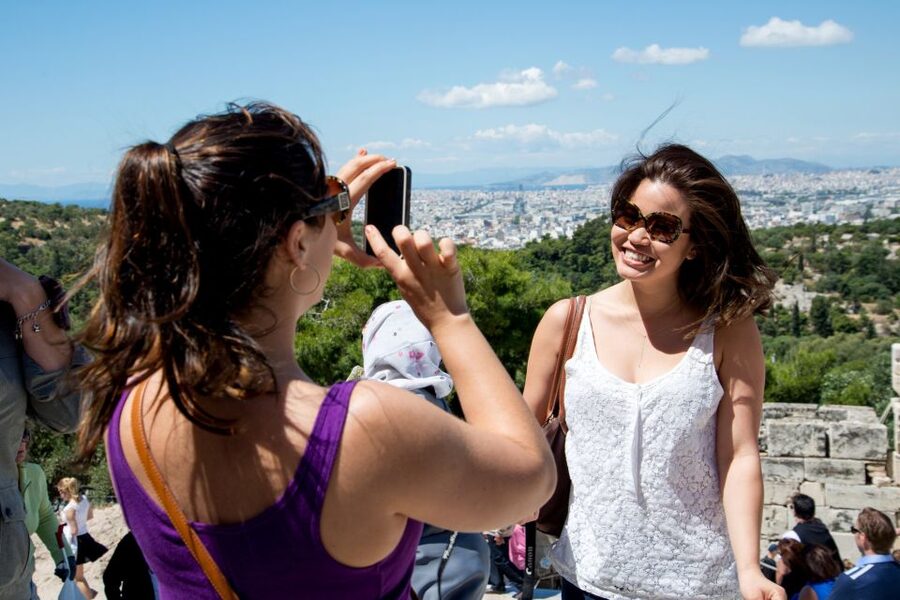
The best thing about this tour is that it turns a grand pile of marble into a story you can follow. You climb past the Theatre of Dionysus, Odeon of Herodes Atticus, Temple of Athena Nike, Erechtheion, and Parthenon with a licensed guide explaining what each place meant. I especially like the mythology and architecture together, plus the chance to stop for city views and photographs.
I also like the option to add the Acropolis Museum, where surviving sculptures and artifacts give you a clearer idea of what you saw on the hill. The main drawback is cost: the $70 guide fee does not include Acropolis or museum tickets, and the climb is not suitable for wheelchair users.
Key points to know before you book
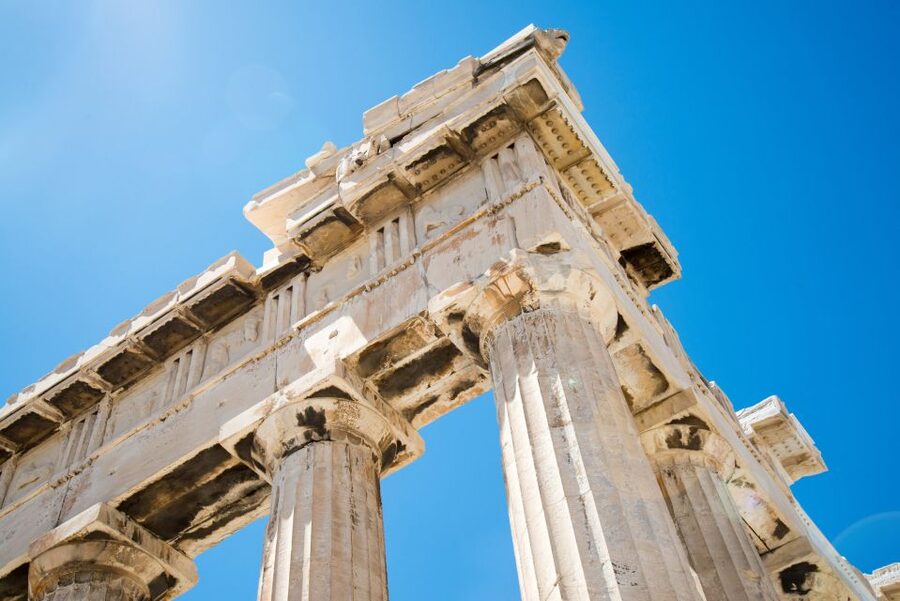
- The Parthenon is only part of the story: The route also covers the Theatre of Dionysus, Propylaea, Temple of Athena Nike, Erechtheion, and Odeon of Herodes Atticus.
- Choose the museum option if you can: Its galleries help explain the sculptures, religious life, and building program behind the ruins.
- The guide makes the difference: Past guides named Anna, Rosa, Hermes, Alexandra, Mariza, and Thanasis were praised for storytelling, patience, and thoughtful answers.
- Tickets cost extra: Budget €30 per person for the Acropolis and €10 to €20 for the museum, with reduced or free admission possible for eligible visitors.
- Plan for heat and stone: Wear sturdy shoes, carry water, and bring a hat, sunglasses, and sunscreen.
- The meeting point is central: Check in at the Athens Walks office at Porinou 5 at least 15 minutes before departure.
Why a guided Acropolis visit works better than a quick walk alone
The Acropolis is easy to recognize and surprisingly easy to misunderstand. You can see the Parthenon from half of Athens, but once you reach the hill, a guide helps you sort out the temples, theaters, shrines, later damage, and layers of history.
This is a walking tour rather than a bus trip or a quick photo stop. You make your way uphill through the monuments, stopping as the guide builds the story. That structure matters because the site covers more than one famous building.
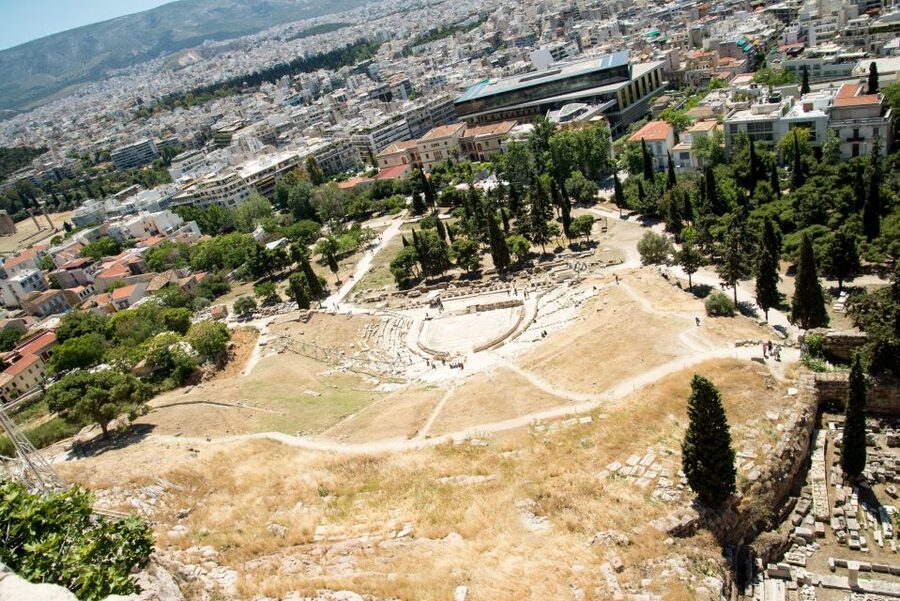
I like the way the tour begins with the wider setting of classical Athens. The Theatre of Dionysus introduces the world of Greek drama and public gatherings. From there, the route brings you toward the Acropolis entrance and the monuments above.
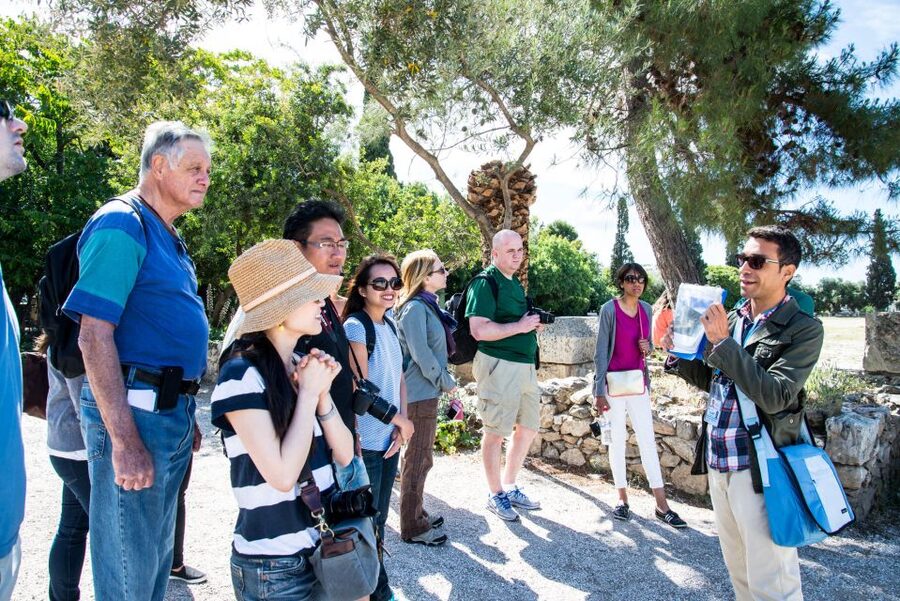
The guides use history, mythology, architecture, and modern Greek context. That mix suits the Acropolis, where a carved figure, a temple name, and a myth often connect. Past guides such as Hermes and Thanasis were praised for answering questions at length, while guides including Mariza and Margherita kept children involved.
You should still set realistic expectations. This is a major archaeological site, not a quiet museum. The ground is uneven, the route climbs, and summer sun can make even a two-hour visit tiring.
More Museum Tours in Athens
- Athens: Acropolis, Parthenon & Acropolis Museum Guided Tour
★ 4.8 · 9,316 reviews - Athens: Acropolis, Parthenon & Acropolis Museum Guided Tour
★ 4.8 · 3,579 reviews - Acropolis monuments & Parthenon Walking Tour with Optional Acropolis Museum
★ 5.0 · 2,678 reviews
Starting at Porinou Street near the Acropolis
You meet at the ground-floor Athens Walks office at Porinou 5, in the 11742 area. Arrive at least 15 minutes early. Only one person from your group needs to check in indoors, which keeps the meeting process simple.
The company provides hearing devices and assigns you to your group. That small detail matters on a busy hill, where wind, crowds, and distance can make a guide hard to hear.
The tour does not include hotel pickup or drop-off. You need to make your own way to the office, so allow time to find Porinou Street. One past visitor arrived a few minutes late after getting turned around, so it is wise to check the route before leaving your hotel.
The language choices are English, Italian, German, French, and Spanish. A private group option is also available. The experience can last from two to four hours, depending on the option and pace, so check the exact time when booking.
Walking from the Theatre of Dionysus to the Acropolis entrance
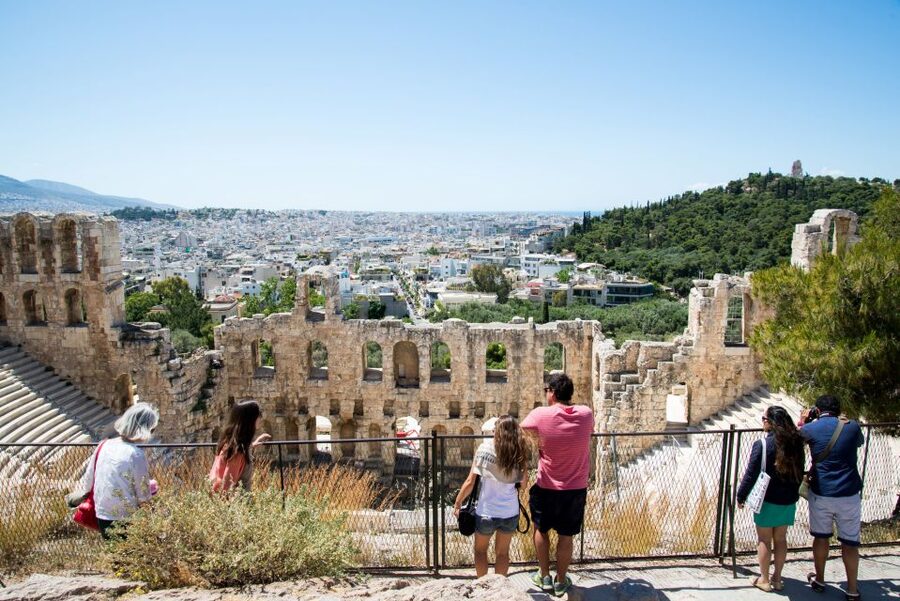
The Theatre of Dionysus is one of the strongest opening stops because it puts ancient Athenian public life into view. The tour presents it as the first great theater of humanity, connecting the stone seating and performance space with the role of drama in classical society.
You also pass the Temple of Asclepius, linked with ancient healing, and the Odeon of Herodes Atticus. The odeon is especially striking because it shows how music and performance remained central to the Acropolis area.
A guide can point out how the monuments were not isolated attractions. They formed part of a religious and civic center. That is one reason a guided visit is useful: you get relationships between sites, not just names to memorize.
The uphill path includes stops for explanations and rest. This is helpful in hot weather and for families. Guides have adjusted the pace for children, tired groups, and visitors with mobility limits, but the activity is formally not suitable for wheelchair users.
Wear comfortable shoes with good grip. Smooth stone can be awkward, and this is not the place for thin sandals or stiff dress shoes. Bring water, sunscreen, a sun hat, and sunglasses. Large bags and luggage are not allowed, and pets and smoking are prohibited.
The Propylaea and Temple of Athena Nike
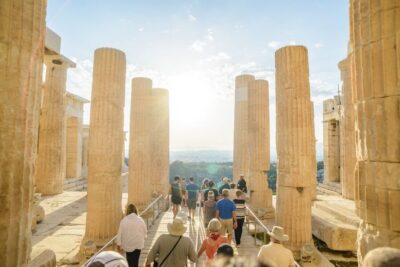
The Propylaea is the monumental gateway to the Acropolis. It gives you the sense that you are entering a special precinct rather than simply walking into another ruin.
Nearby, the Temple of Athena Nike is associated with Athena as wingless victory. A guide can explain the meaning behind that name and show how a small temple could carry a large political and religious message.
These early stops are easy to rush past. I would not. The Propylaea helps you appreciate the planning and ceremony of the hill, while the Temple of Athena Nike shows how much attention ancient builders gave even to a compact structure.
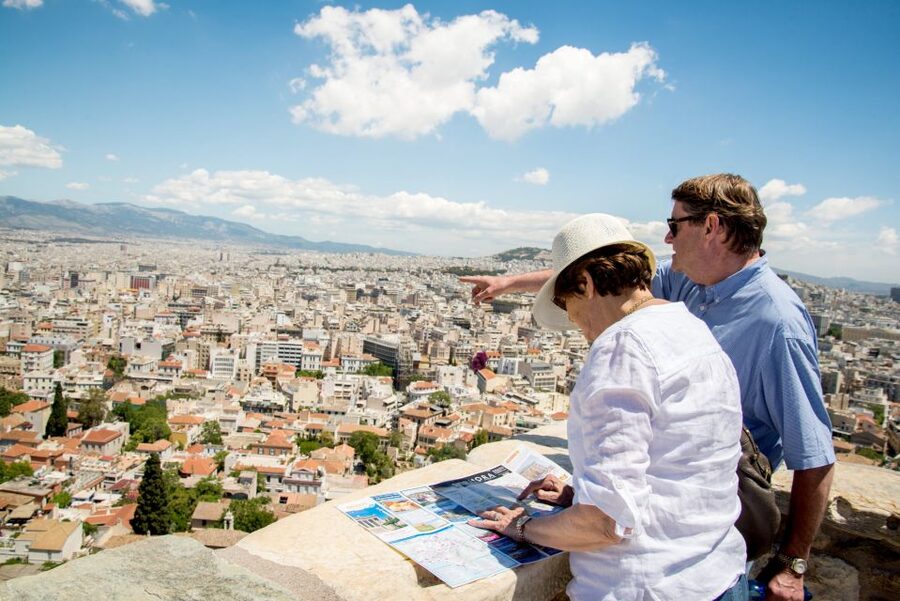
Your guide may ask you to look back toward Athens from the approach. The views are one of the pleasures of the climb, but they also help explain why this high point mattered. You see the city below and begin to understand the Acropolis as both a religious center and a powerful symbol.
More Acropolis tickets and guided visits:
- Athens: Acropolis & up to 5 Archaeological Sites Combo Pass
★ 4.4 · 12,619 reviews - Athens: Acropolis Ticket with Optional Audio or Live Guide
★ 4.2 · 11,055 reviews - Athens: Acropolis and Parthenon Guided Walking Tour
★ 4.6 · 5,882 reviews - Athens: Acropolis Ticket with Audio Guide
★ 4.0 · 3,575 reviews
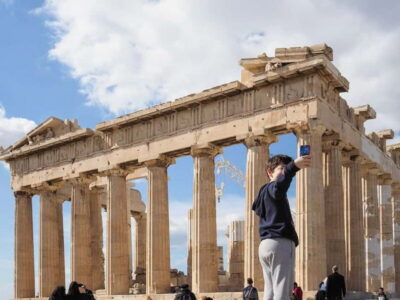
The Parthenon, the Acropolis centerpiece
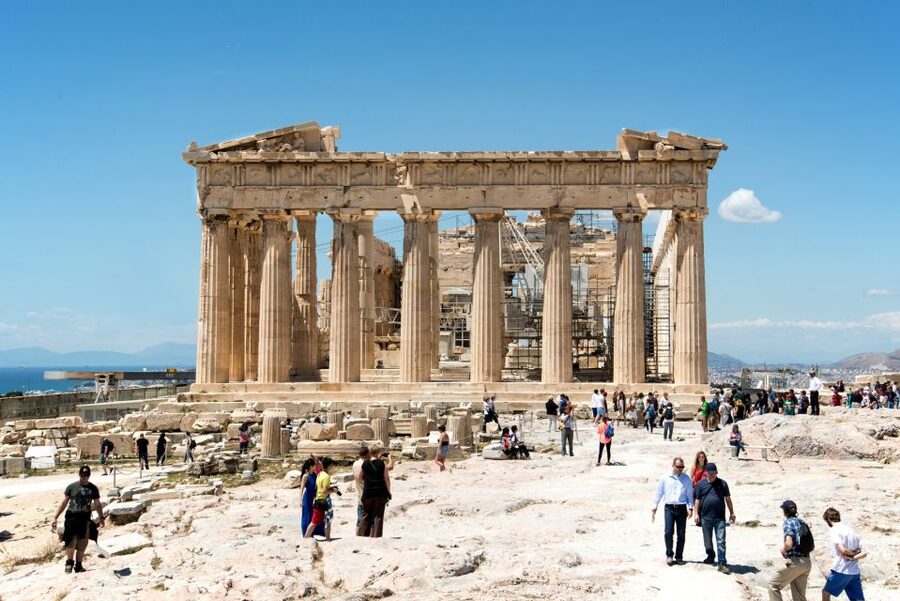
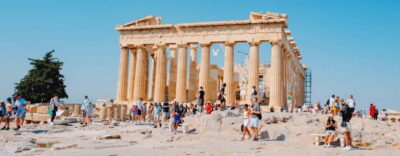
The Parthenon is the moment most people anticipate, and it delivers even with cranes, missing sculptures, and centuries of damage. Its scale and placement make clear why it became the defining image of Athens.
The guide explains its role in classical civilization, along with the building’s sculpture and design. You do not simply circle the temple and take pictures. You learn how the Parthenon fit into the wider program of the Acropolis.
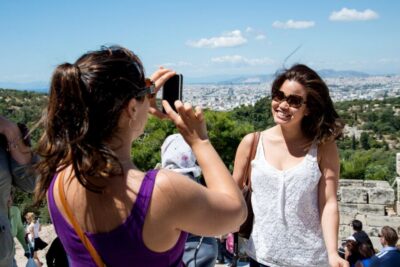
Do not expect to enter the Parthenon itself. The value is in seeing the exterior, the surrounding monuments, and the details made easier to notice with an expert beside you. Your guide may also help with group photographs, something several families particularly appreciated.
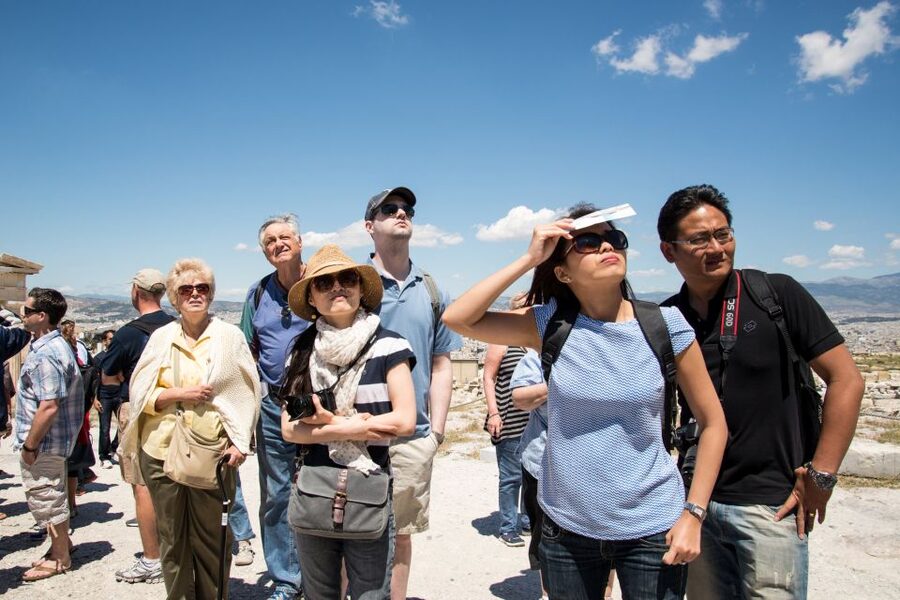
The site can be crowded, especially in warm months. A guide helps you hold your place, hear the explanation, and keep moving without losing the thread. An early or cooler departure is likely to feel more comfortable, though exact starting times depend on availability.
The strongest guides do not bury you in dates. They explain why the building mattered, how Greek ideas shaped later Western culture, and how myths and civic identity met on this hill. That combination made guides such as Alexandra, Efi, and Katerina especially effective for families and first-time visitors.
The Erechtheion and its famous Caryatids
The Erechtheion is one of the most visually memorable buildings on the Acropolis. Its Porch of the Caryatids, with sculpted female figures used as architectural supports, often becomes the image people remember after the Parthenon.
A guide can help you look beyond the famous porch. The building had an unusual form and a complex religious role, so it deserves more than a quick photograph. The stories connected with Athena and the early identity of Athens make this a good place for mythology and archaeology to meet.
The original sculptures have faced centuries of exposure and damage. The Acropolis Museum gives you a closer look at related originals and displays, which is one reason I favor adding the museum rather than treating the hill as a stand-alone visit.
You will hear plenty of mythology during the tour. That is a plus for many families, especially children who may not care about architectural vocabulary. Guides such as Anna and Margherita were praised for keeping younger visitors involved without turning the tour into a lecture.
Adding the Acropolis Museum for the missing pieces
The museum option brings you into a modern gallery setting with artifacts and sculptures from Ancient Greece. It is not simply a second look at the same ruins. It supplies the objects, details, and visual context that the exposed monuments cannot provide.
I find the combination far more satisfying than the Acropolis alone. On the hill, you see weathered buildings and empty spaces where sculpture once stood. In the museum, you can examine relics in controlled displays and connect them with the places you have just visited.
The museum is also a good refuge from sun and fatigue. After the uphill walk, the galleries offer a calmer setting for understanding the art and religious life of the Acropolis.
The quality of this part depends heavily on the guide’s order and explanation. Katerina was praised for arranging the museum visit in a clear historical sequence, while Anna allowed time to look around independently. That is the kind of balance I prefer: enough guidance to make the displays meaningful, with a little room to study what interests you.
The museum ticket costs €10 to €20 per person. The price varies by eligibility and conditions, so confirm the current amount before booking. On Mondays, the museum closes at 16:00. The stated Monday plan changes to the Acropolis monuments and Ancient Agora, so check the schedule carefully if the museum is a priority.
Price, tickets, and what the $70 really buys
The listed price is $70 per person for the guide service. Acropolis entrance costs €30 per person, and the museum costs another €10 to €20. These admission charges are not included.
That makes the final bill notably higher than the headline price, especially for a family. People under 18 receive free Acropolis access, and EU passport holders under 25 may also receive free access. People under 18 and students should carry a passport or ID card to support reduced admission.
The guide fee is easiest to justify if you care about context, questions, and a flexible pace. It is less attractive if you mainly want a quick photo of the Parthenon and plan to read signs on your own.
The tour includes skip-the-ticket-line access, but the instructions also ask you to book entrance tickets online through the official Acropolis ticket website before the tour. Follow the current booking instructions closely. Some guides have handled tickets for groups in the past, but you should not assume admission is covered unless your booking clearly says so.
For a private group, the cost can make sense when divided among several people who want to ask questions and control the pace. For a larger family, compare the total with a standard group tour before paying.
Who will get the most from this experience
I would choose this tour for a first visit to Athens, especially if you want ancient history explained rather than simply photographed. It also suits families because the guides have shown patience with children and adjusted explanations when attention faded.
It is a good fit for anyone interested in Greek mythology, sculpture, architecture, and the beginnings of theater. Guides such as Hermes and Thanasis have been praised for handling detailed questions, while others have brought humor and current Greek cultural touches into the visit.
You may prefer a self-guided visit if you want complete freedom to linger, arrive without a fixed meeting time, or keep costs down. The official tickets and the site itself let you visit without a guide.
The physical demands are real. You climb on uneven surfaces and spend time outdoors. The activity is not suitable for wheelchair users, and anyone with limited mobility should ask about current access before booking. A visitor who used crutches was accommodated on an earlier private visit, but that should not be treated as a guarantee.
Cancellation is free up to 24 hours in advance, and you can reserve now and pay later. Those terms help if your Athens schedule is still shifting.
Should you book the Acropolis and Museum tour?
Book it if you want the Acropolis to make sense, not just look impressive. The most valuable part is the guide’s storytelling, especially when the person can connect the Theatre of Dionysus, temples, myths, sculpture, and modern Athens in a clear sequence.
Add the museum when your schedule allows. It fills in the missing art and gives you a better understanding of what the hill once looked and felt like.
Skip it if you are watching every euro, dislike guided pacing, or only want a brief visit to the Parthenon. For everyone else, the combination of a licensed guide, a carefully paced climb, and museum context offers a solid introduction to Athens, provided you budget separately for entrance tickets and prepare for the heat.
FAQ
What is included in the tour price?
The price includes a licensed tour guide and the guided walking experience. Entrance tickets to the Acropolis and Acropolis Museum are not included.
How much do the entrance tickets cost?
The Acropolis ticket costs €30 per person. The Acropolis Museum ticket costs €10 to €20 per person. Eligible visitors may receive free or reduced admission.
Where does the tour meet?
You meet at the Athens Walks office at Porinou 5, 11742, Athens. Look for the ground-floor office and arrive at least 15 minutes before departure.
How long does the tour last?
The duration is listed as two to four hours. Check the available starting times and selected option when booking.
What languages are available?
The live guide can conduct the tour in English, Italian, German, French, or Spanish.
Is the Acropolis Museum included on every tour?
No. The museum is an available option. On Mondays, the museum closes at 16:00, and the tour instead visits the Acropolis monuments and Ancient Agora.
What should I bring?
Bring comfortable shoes, water, sunglasses, a sun hat, sunscreen, and a passport or ID card. Students and people under 18 should carry identification to confirm possible reduced admission. Large bags, luggage, pets, and smoking are not allowed.
New on the Athens shelf
- Acropolis of Athens, Parthenon and Acropolis Museum private tour with dinner★ 5.0 · 77 reviews
- Small-Group Wine Tour in Athens with Tasting★ 5.0 · 33 reviews
- Private Athens Transfer Airport/Port -Greek Tours-Hourly service★ 5.0 · 88 reviews
- VIP Private Guided Tour of Athens Acropolis & Plaka in a Sidecar★ 5.0 · 108 reviews
- Athens Moonlight Waling Tour with Drinks and Meze Dishes★ 5.0 · 259 reviews
- Private Athens Landmarks Layover Tour★ 4.5 · 41 reviews
- Departure Transfer from Athens City to Athens Airport★ 5.0 · 41 reviews
- Classic Athens Food Tour with Local Drink & Market Visit★ 5.0 · 34 reviews
Acropolis Tours, compared.
Acropolis & up to 5 Archaeological Sites Combo Pass
Read our verdict →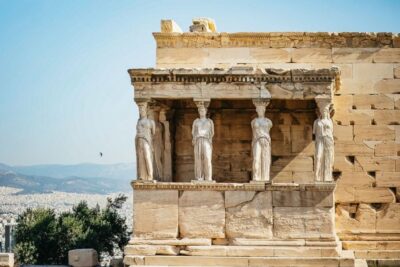
Acropolis, Parthenon & Acropolis Museum Guided Tour
Read our verdict →
Acropolis: Acropolis and Parthenon Guided Walking Tour
Read our verdict →
Acropolis monuments & Parthenon Walking Tour with Optional Acropolis Museum
Read our verdict →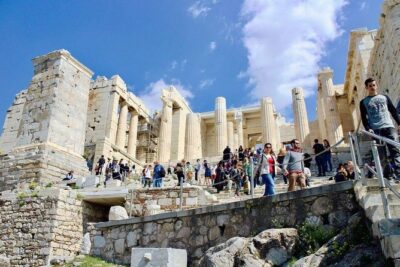
Athens All Included: Acropolis and Museum Guided Tour with Ticket
Read our verdict →Browse the lists this tour appears in