Review · FOOD
Athens: Greek Foodie Tour with Tastings
Athens reveals itself especially well through its food stalls, bakeries, coffee shops, and old tavernas. This four-hour walk takes you from Monastiraki Square into Varvakios Agora and the surrounding market streets, with enough tastings to cover breakfast, mezze, sweets, wine, and a final gyro.
I like the mix of ordinary local shops and proper sit-down food, and I like that the tour explains what you are eating instead of handing you a plate with no context. The main caution is simple: this is a lot of food. Save room, wear comfortable shoes, and do not plan a major dinner afterward.
Key points at a glance
- Varvakios Agora: Walk through Athens’ central meat and fish market with a guide, then explore nearby food streets.
- A full Greek tasting menu: Expect koulouri, loukoumades, pies, cheese, yogurt, honey, wine, mezze, coffee, and souvlaki pita.
- Local shopping streets: Evripidou Street brings herbs, olives, deli products, salami, coffee, and specialty foods into the tour.
- Strong guide element: Guides including Maro, Maria, Tonya, Dmitra, Kathryn, and others are praised for combining food knowledge with history and warmth.
- Good value at $62: The price includes the guide, drinks, and all food tastings, not just a few sample bites.
- Come hungry, but not rushed: The heavier food arrives later, and the tour ends back at Monastiraki Square.
Starting at Monastiraki Square with a koulouri
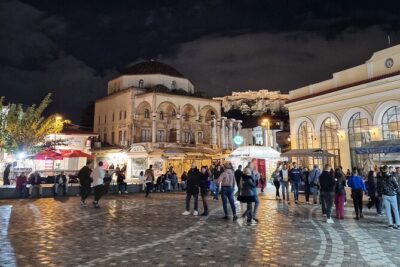
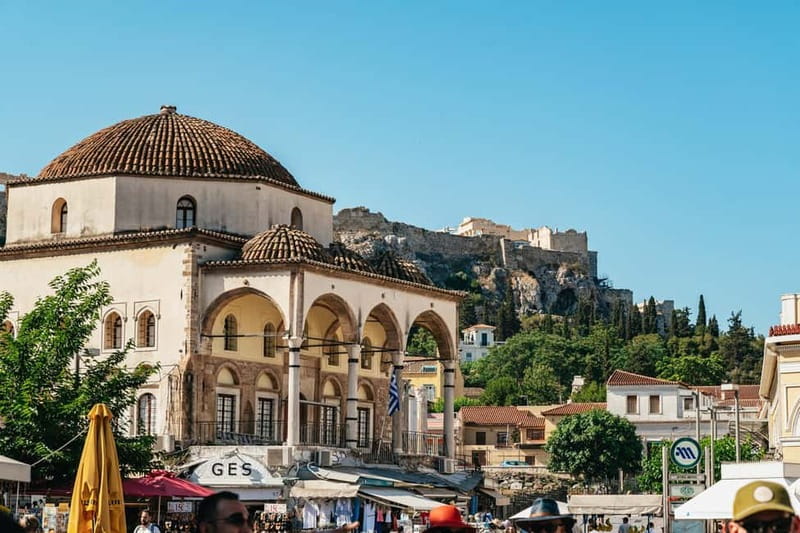
Your meeting point is easy to recognize: the small church at the center of Monastiraki Square. From there, your English-speaking guide leads you into central Athens on foot. The tour takes four hours and finishes where it begins, so you can continue sightseeing or return to your hotel area without arranging transport.
The first taste is likely to be a koulouri, the sesame-covered bread ring sold throughout Greece. It is a modest snack, but it gives you a useful first lesson in Greek food culture. This is everyday food, eaten on the move, and it sets the tone for a tour that favors familiar local places over polished tourist dining rooms.
You then move into sweeter territory with loukoumades, Greek doughnuts traditionally served with syrup or honey, followed by custard-filled filo squares. The contrast is part of the fun: crisp pastry, soft filling, fried dough, coffee, and the steady rhythm of a Greek morning.
One practical point matters here. Do not fill up at the first bakery. The tour keeps going, and the larger savory tastings come later. Several guide-led versions of the experience have been praised for good pacing, but your own appetite still needs planning.
More Food Tours in Athens:
- Greek Food Walking Tour in Athens
★ 5.0 · 4,740 reviews - Athens: Street Food Tasting Tour
★ 4.9 · 2,557 reviews - Small Group Greek Traditional Food Tour in Athens 20+ Tastings
★ 5.0 · 1,759 reviews
Bakeries, filo, pies, and Greek cheese
A local filo pastry shop gives you a closer look at one of Greece’s most useful food traditions. Filo is thin, crisp, and easy to underestimate until you see how many forms it takes. The stop may include custard pastries and local pies, followed by cheese at a traditional bakery.
This is where the tour becomes more useful than a simple street-food crawl. Your guide can connect the food to household cooking, bakery habits, and the way Athenians use pastry for breakfast or a quick meal. Guides such as Maria, Maro, Tonya, and Kathryn have been singled out for making those explanations friendly rather than academic.
The pastry stops are also a good reason to take this tour early in your Athens stay. You will learn the names of foods you can later order on your own. If you see a bakery during the rest of your trip, you will have a better idea of what deserves a try.
The drawback is that sweetness comes early, while the heaviest items arrive later. If you are sensitive to rich food, take small portions when possible and tell your guide about allergies at the start.
Varvakios Agora: Athens through its meat and fish counters
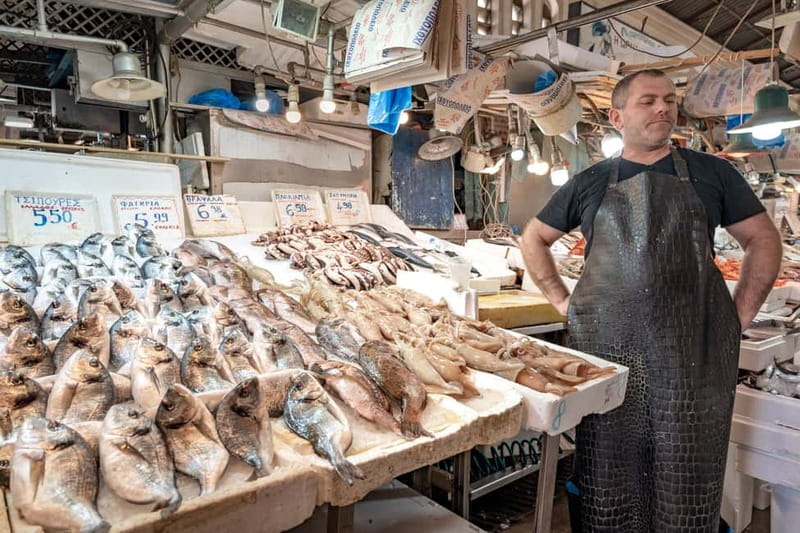
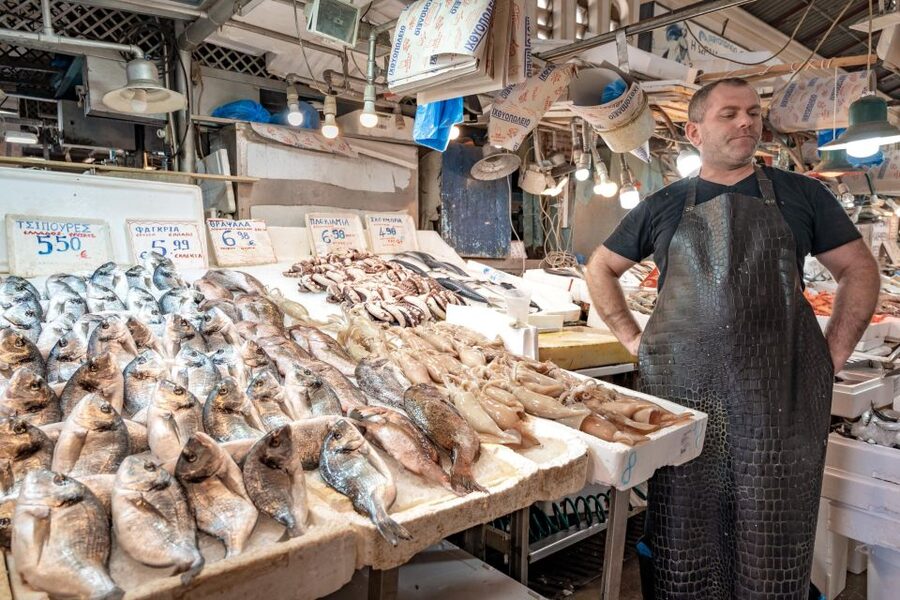
The walk through Varvakios Agora is the visual center of the experience. This is Athens’ well-known central market area, with meat and fish stalls that show the practical side of the city’s food supply. It is not a staged attraction, so the sights and smells can be strong.
I like this part because it adds context to the dishes you taste elsewhere. After seeing the market, souvlaki, salami, fish, cheese, and deli foods feel less like abstract menu items. You get a sense of the ingredients before they reach a taverna table.
The market is also a reminder that this is a working part of central Athens. Keep your attention on your guide and your footing as you walk. People who prefer a quiet, polished food experience may find the market intense, but anyone curious about daily city life will find it worthwhile.
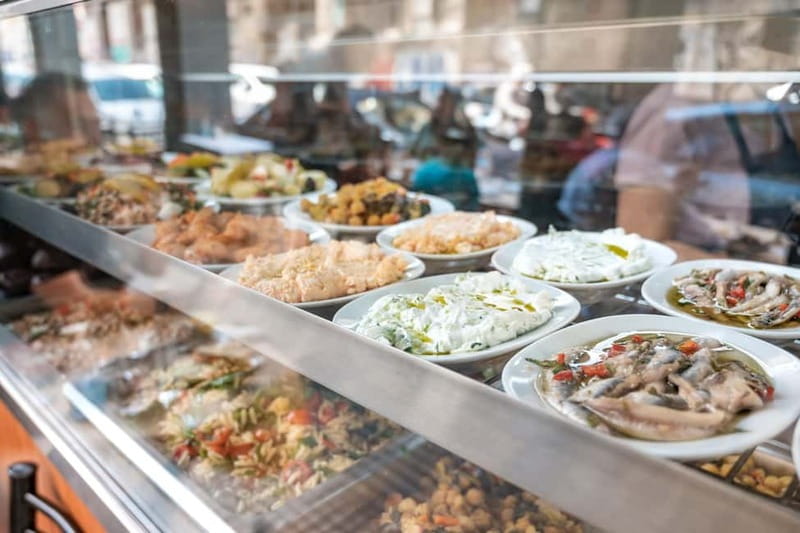
The tour continues through shops selling fresh fruit, olives, cheese, ham, and other deli products. These stops are not only about eating. They show how Greek food is bought, stored, combined, and served at home.
Coffee, olive oil, wine, and the flavors of Evripidou Street
The specialty food stops broaden the tasting beyond pastries and meat. You may try roasted coffee, local wine, organically produced olive oil, honey, aged flavored vinegar, and Greek yogurt topped with thyme honey.
The olive oil tasting deserves attention. It is easy to treat olive oil as a background ingredient, but the guide can show you how central it is to Greek cooking and how different oils can taste. The same goes for honey and vinegar. Sampling them on their own makes familiar ingredients more noticeable at the table.
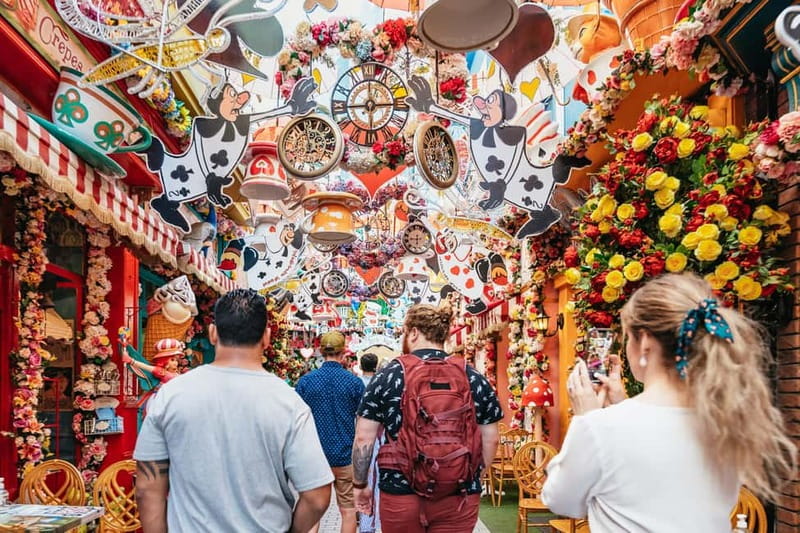
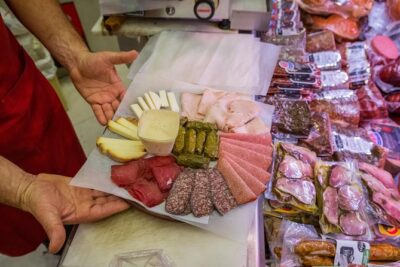
Evripidou Street adds another sensory layer. Aromatic herbs fill the shops, and you may see products such as mushrooms, herbs, traditional salamis, and other pantry staples. This is one of the more distinctive sections because it gives you something to remember beyond the standard Greek meal.
Coffee is included, as are local aperitifs such as ouzo and tsipouro. These drinks matter because they belong to different parts of Greek social life. Ouzo is commonly linked with small dishes and leisurely eating, while tsipouro offers another traditional spirit to compare. You do not need to be an alcohol enthusiast to enjoy this part, though you should tell the guide if you prefer not to drink.
A few more Athens options worth putting side by side
- Athens: Acropolis & up to 5 Archaeological Sites Combo Pass
★ 4.4 · 12,619 reviews - Athens: Acropolis Ticket with Optional Audio or Live Guide
★ 4.2 · 11,055 reviews - Athens: Acropolis, Parthenon & Acropolis Museum Guided Tour
★ 4.8 · 9,316 reviews - Athens: Acropolis and Parthenon Guided Walking Tour
★ 4.6 · 5,882 reviews
Greek mezze in downtown tavernas
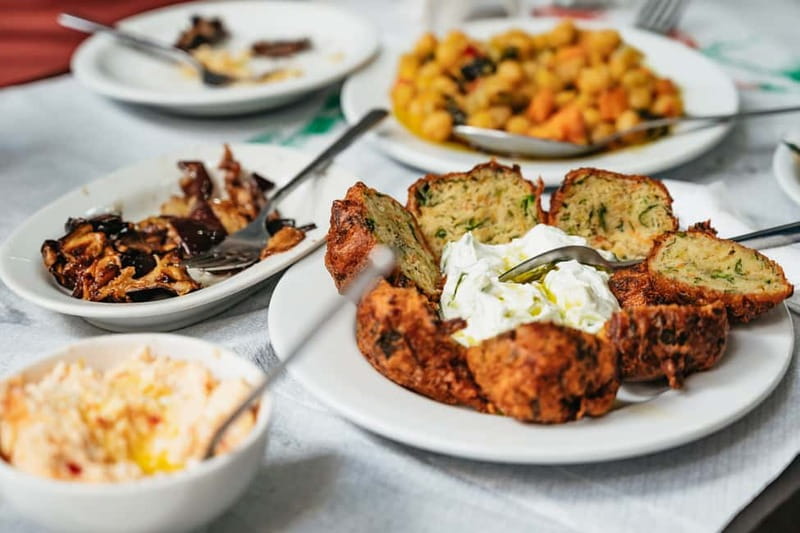
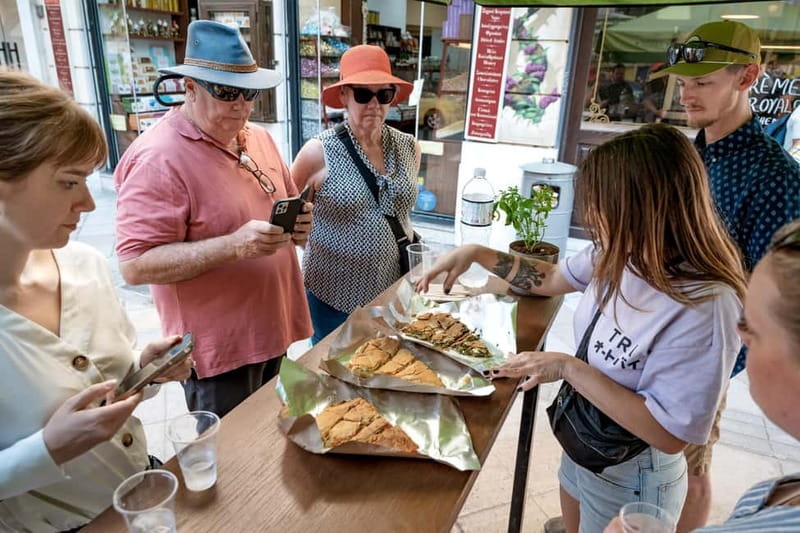
The tour then moves into the historic center and visits downtown tavernas serving Greek versions of tapas. Mezze is not one single dish. It is a way of eating, with several small plates shared across the table.
This stop helps explain why Greek meals can feel social and unhurried. Instead of choosing one large entrée and finishing quickly, you sample several flavors and let the meal build. The food may include a variety of savory bites, local cheeses, and other taverna dishes, though the exact selection can change.
I especially like the balance between market food and a seated meal. The market shows ingredients in their raw or retail form. The taverna shows how those ingredients become food meant for sharing.
The order can vary. One guide, Dmitra, has been praised for beginning with a filling taverna stop, while other tours may build toward the heavier dishes. This is another reason not to judge the whole experience by the first hour. The final half is often when your appetite is most tested.
Souvlaki, gyros, and the final meal
The tour finishes with a typical Greek souvlaki pita, filled with pork or chicken gyros. By this point, you will already have tasted enough to recognize why the dish is so popular: warm bread, seasoned meat, fresh accompaniments, and a format that works perfectly as street food.
This final stop is generous rather than ceremonial. Some people may be too full to finish on the spot, and the food can be taken to go. That flexibility is useful, especially because the tour includes so many earlier tastings.
If you are vegetarian, the experience may still work. One vegetarian participant reported having plenty to eat and enjoying the coffee, yogurt, sweets, market visit, and other non-meat foods. Still, the advertised food includes meat market stops, gyros, and pork or chicken, so you should tell your guide your needs before the tastings begin.
The tour ends back at Monastiraki Square. That gives you an easy next step: explore the nearby center, visit another sight, or take your time with the last bite instead of rushing to a distant drop-off point.
What makes the guides important
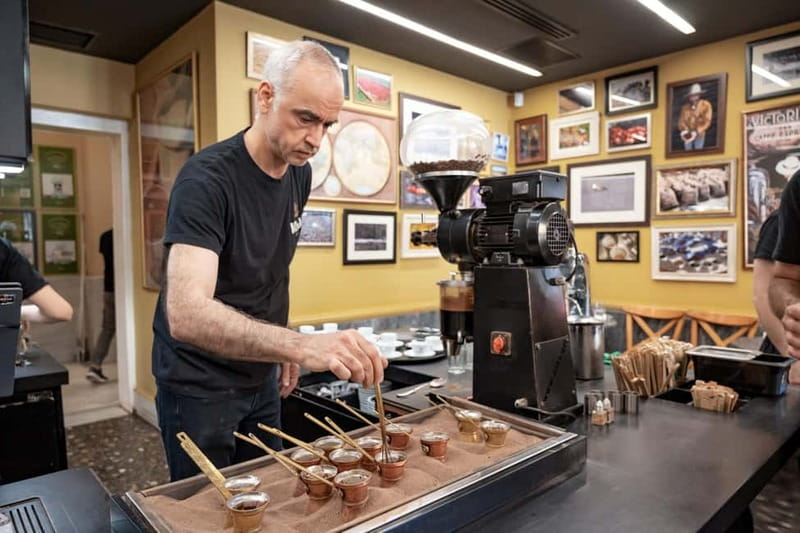
The food is the main attraction, but the guide shapes the day. The strongest guide reports praise people such as Maro, Errol, Kathryn, Maria, Tonya, Dmitra, Nikki, Nicolette, Alexandra, Adele, and Katherine for being warm, engaging, and able to connect food with Athens and Greek customs.
You should not expect one fixed guide by name, since the guide assigned to your departure can vary. What you can expect is an English-language walking tour with commentary at the stops and while moving through the market streets.
The best guides do more than name each dish. They explain why a food matters, point out places they personally use, and make the group comfortable. One particularly useful quality is flexibility. Dmitra, for example, offered extra suggestions for Chania when she learned that members of the group were heading there next. That kind of local conversation can turn a standard tasting into practical trip advice.
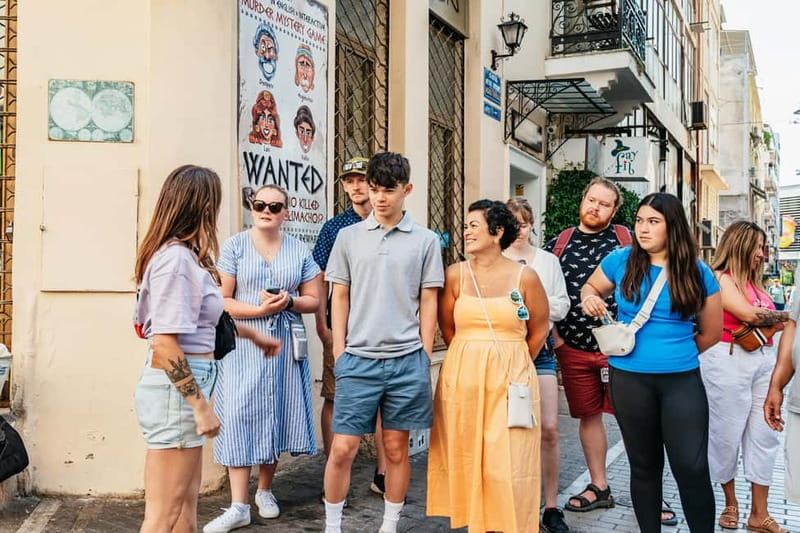
The experience also seems to work well for mixed groups. It is social without requiring you to be an expert in food. You can ask questions, compare reactions, and learn from the guide without feeling as if you are attending a cooking class.
Is $62 a fair price?
At $62 per person, the value depends on how much you would otherwise spend eating your way through central Athens. The fee includes the guide, coffee, local wine, ouzo and tsipouro, and all food tastings. You are not paying only for a walking tour with two token samples.
The food covers a wide range: bread, pastries, pies, cheese, deli products, coffee, olive oil, honey, yogurt, mezze, and gyros. If you tried to buy all of those separately, you would spend time choosing places and would miss the explanations that tie them together.
I would consider the price fair for a first or second day in Athens, especially if you want help getting oriented to Greek food. It can also replace a substantial meal. The important catch is that you should not book it expecting a small snack tour. Several food courses make it closer to a long, moving lunch with breakfast and dessert mixed in.
Hotel pickup and drop-off are not included. That is not a serious issue for most people staying near central Athens, but you need to reach the Monastiraki meeting point yourself.
Who should book this food walk?
I would recommend it to first-time visitors who want an easy introduction to Greek food without spending hours researching bakeries and tavernas. It suits people who enjoy walking, trying unfamiliar dishes, and learning the story behind ordinary ingredients.
It is also a good fit for couples, families with older children, and small groups of friends. The range of food means not every bite needs to be a favorite. You will have plenty of chances to find something you like.
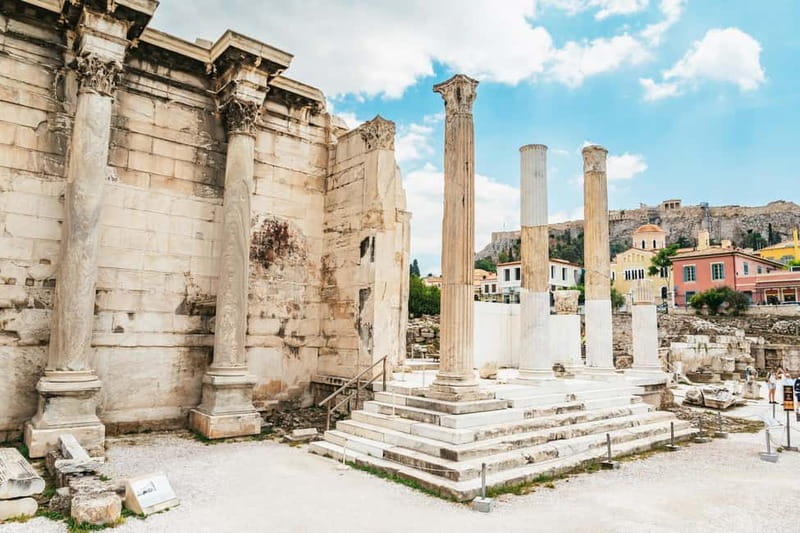
Food-focused visitors will appreciate the specialty shops, oil, honey, herbs, and market access. History-minded visitors will also get useful context as they walk through the central streets, though this is not a dedicated archaeological tour.
I would be more cautious if you have limited mobility. The activity is not suitable for wheelchair users, and the route includes walking through market areas and city streets. Comfortable shoes are essential. The tour runs rain or shine, so bring weather protection when needed.
People with serious allergies should advise the tour leader on the day. Because the stops involve bakeries, cheese, deli products, market foods, and shared Greek dishes, clear communication is important.
When should you schedule it?
This is a strong choice near the start of your Athens visit. You will pick up food vocabulary, learn which products interest you, and gain ideas for later meals. It can also help you understand menus that otherwise seem full of unfamiliar names.
Four hours is long enough to cover many stops without turning the day into a rushed sprint. Still, the amount of food makes the timing matter. Schedule it when you can eat lightly beforehand and keep the following meal flexible.
You should also leave some space after the tour. The final gyro may be taken away, but the earlier pastries, mezze, yogurt, cheese, and drinks add up. Treat this as one of your main food events for the day.
Should you book it?
Book this tour if you want Athens presented through its bakeries, markets, specialty shops, tavernas, and street food rather than only through monuments. The combination of Varvakios Agora, Evripidou Street, local drinks, olive oil, mezze, and gyros gives you a broad first taste of the city.
Skip it if you want a short snack stop, a quiet seated meal, or a fully accessible route. For most food lovers, though, $62 is a sensible price for four hours of substantial tastings and local guidance. Arrive hungry, wear good shoes, and let the guide pace the feast.
FAQ
Where does the Athens Greek Foodie Tour start?
Meet your guide in front of the small church at the center of Monastiraki Square.
Where does the tour end?
The activity ends back at the meeting point in Monastiraki Square.
How long does the food tour last?
The tour lasts four hours. Starting times vary, so check availability when booking.
What food and drinks are included?
Included tastings can include koulouri, loukoumades, custard-filled filo pastries, pies, cheeses, coffee, local wine, ouzo, tsipouro, olive oil, honey, vinegar, yogurt, mezze, and pork or chicken gyros.
Is the tour suitable for vegetarians?
A vegetarian can find food to eat on the tour, including sweets, coffee, yogurt, cheese, and other non-meat tastings. Tell the tour leader about your dietary needs on the day.
Is the tour suitable for wheelchair users?
No. The activity is not suitable for wheelchair users. Comfortable shoes are recommended, and the tour operates rain or shine.
New on the Athens shelf
- Acropolis of Athens, Parthenon and Acropolis Museum private tour with dinner★ 5.0 · 77 reviews
- Small-Group Wine Tour in Athens with Tasting★ 5.0 · 33 reviews
- Private Athens Transfer Airport/Port -Greek Tours-Hourly service★ 5.0 · 88 reviews
- VIP Private Guided Tour of Athens Acropolis & Plaka in a Sidecar★ 5.0 · 108 reviews
- Athens Moonlight Waling Tour with Drinks and Meze Dishes★ 5.0 · 259 reviews
- Private Athens Landmarks Layover Tour★ 4.5 · 41 reviews
- Departure Transfer from Athens City to Athens Airport★ 5.0 · 41 reviews
- Classic Athens Food Tour with Local Drink & Market Visit★ 5.0 · 34 reviews
Food, compared.

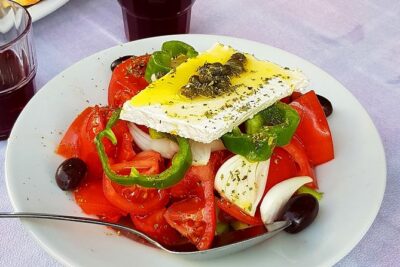
Small Group Greek Traditional Food Tour in Athens 20+ Tastings
Read our verdict →
Food Market Visit and Cooking Class with Wine
Read our verdict →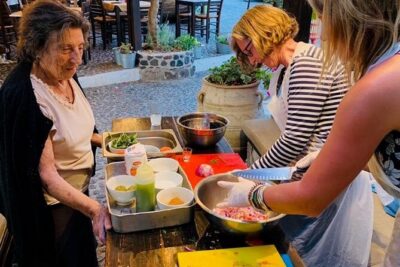
Greek Cuisine Cooking Class in Santorini with Recipes and Wine
Read our verdict →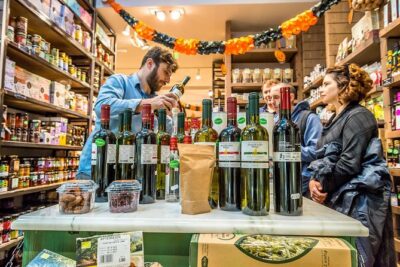
Athens Authentic Greek Food Walking Tour (Small Group)
Read our verdict →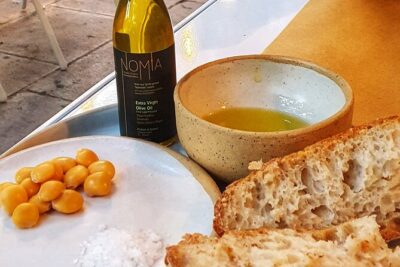
Athens Greek Food Tour Small-Group Experience
Read our verdict →