
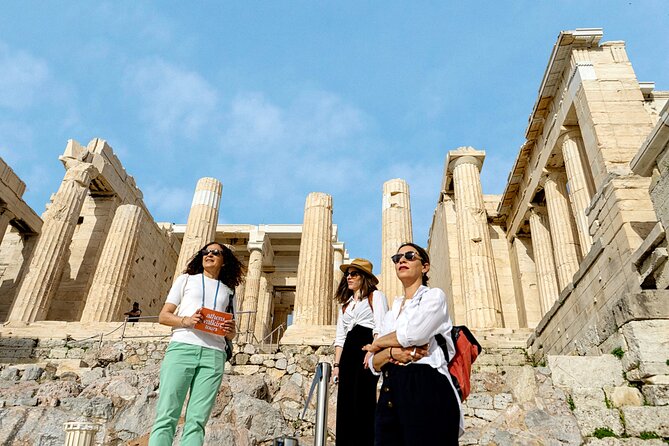
Review · ACROPOLIS TOURS
Athens Acropolis and Parthenon Walking Tour
The best part of this two-hour Acropolis walk is the steady stream of ancient sights on the way to the Parthenon. You do not simply arrive at the famous temple, take a photo, and leave. You pass the Theatre of Dionysus, the Odeon of Herodes Atticus, the Propylaea, and the Erechtheion while a licensed guide explains how each place fit into Athenian life.
I like the personal headsets, which let you hear the guide while the group moves through crowded spaces. I also like the relaxed pacing, with stops for photos and questions rather than one long lecture. The main drawback is practical: the climb includes steep sections and uneven stone, and the audio equipment can occasionally crackle or cut out.
Key points to know
- A compact visit to the Acropolis: The tour covers the major monuments in about two hours, useful when your Athens schedule is tight.
- A guide makes the ruins readable: You get context for ancient drama, religion, medicine, architecture, and Athenian politics instead of seeing only scattered stones.
- Headsets help in a group: Personal earsets let you listen without standing shoulder to shoulder with the guide.
- Tickets need careful attention: Admission costs an additional €30 unless you choose the ticket-included option.
- Expect a real uphill walk: Wear firm, comfortable shoes and bring water, sunscreen, and a hat.
- The group can reach 24 people: That is manageable, but this is not a private tour.
Why this short Acropolis walk works
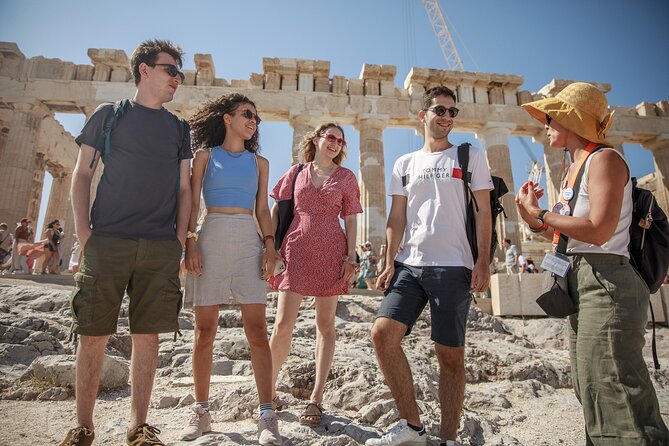
Athens can overwhelm you with ancient names and broken columns. A good guide gives those remains a clear purpose. On this tour, the climb becomes a lesson in how the city used performance, worship, healing, politics, and art.
I especially like the route because it does not save every explanation for the Parthenon. The Theatre of Dionysus comes early, giving you a useful introduction to Athenian drama. The Propylaea then creates a grand entrance to the upper site, while the Erechtheion and Temple of Athena Nike add smaller, more detailed architectural moments.
The tour is offered in English and uses licensed local guides. Guides named in the feedback include Alexia, Andrea, Elena, Dora, Hermes, Annie, Victor, Phillipa, and others. The individual guide will shape the tone of your visit, but the strongest pattern is clear: the best guides answer questions, tell stories, allow photo stops, and keep the group moving at a sensible pace.
This is a group experience, with as many as 24 people. That size is worth considering. You will not receive the personal attention of a private guide, but the headset system helps keep the visit organized. You can listen while walking instead of trying to crowd around one person.
More Walking Tours in Athens
- Athens: Acropolis and Parthenon Guided Walking Tour
★ 4.6 · 5,882 reviews - Greek Food Walking Tour in Athens
★ 5.0 · 4,740 reviews - Acropolis: Acropolis and Parthenon Guided Walking Tour
★ 4.7 · 3,442 reviews
Meeting at Lukumades near the Acropolis
The tour begins at LUKUMAΔΕΣ, Dionysiou Areopagitou 3, near the base of the Acropolis. This is a useful starting area because the pedestrian approach to the archaeological site is close by, and the route ends near the Acropoli metro area.
Arrive early. Acropolis entry times are strict, and the group cannot wait for late arrivals. There is no refund for missing the start because of a delay, so allow time to find the meeting point and gather your belongings before the appointed hour.
At the start, you receive an Athens map and a guide magazine for later sightseeing. These are modest extras, but they are useful if you plan to explore Plaka, Monastiraki, or other parts of central Athens on your own.
The guide also distributes personal earsets. They are meant to keep commentary clear when the group spreads out or when other groups crowd the monuments. Most feedback describes the sound as helpful, and one particularly positive account praised the audio quality in busy areas. Still, two separate experiences noted static, garbled sound, or intermittent performance. If your headset is not working, tell the guide right away rather than struggling through the whole visit.
The Theatre of Dionysus and the roots of drama
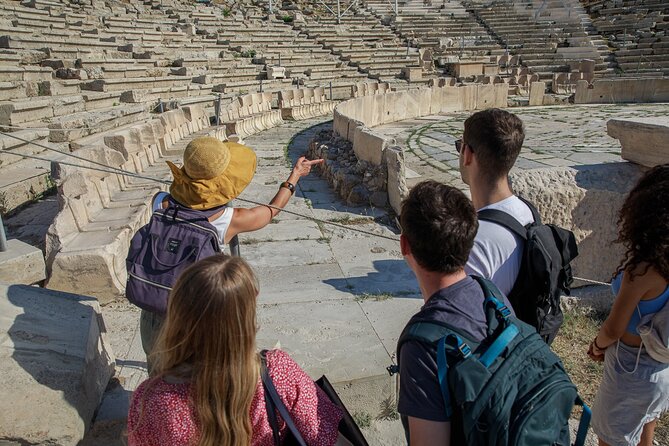
The Theatre of Dionysus is one of the most meaningful early stops. This is where ancient Athenian audiences watched plays by Aeschylus, Sophocles, and Euripides, names that still shape Western theater.
The stones do not look like a modern theater, so the guide’s explanation matters here. You can picture the audience arranged on the slope and the performers working in the open space below. The stop helps explain why drama mattered so much in classical Athens. It was entertainment, but it was also a way for the city to consider power, justice, family, war, and the behavior of the gods.
You spend about 15 minutes here. That is enough for an introduction and some questions, though not enough for a full theater history lesson. If you love ancient literature, you may wish the tour lingered longer. The benefit is that the visit keeps moving and still covers the main Acropolis monuments.
The Asklepeion, a quieter corner of the hill
The Temple of Asclepios, or Asklepeion, offers a change of mood. This sanctuary was dedicated to Asclepius, the god of medicine, where ancient Athenians sought healing and gave thanks for recovered health.
This stop is valuable because the Acropolis was not only a place for grand temples and public display. It also served personal needs. People came with illness, hope, and gratitude. The site gives you a glimpse of ancient religious practice at a more human scale.
The scheduled stop lasts about 10 minutes. It is short, but the contrast with the theaters and monumental gateways makes it worthwhile. You may find this one of the easier places to listen because the guide is not competing with the visual drama of the Parthenon.
More Acropolis tickets and guided visits:
- Athens: Acropolis & up to 5 Archaeological Sites Combo Pass
★ 4.4 · 12,619 reviews - Athens: Acropolis Ticket with Optional Audio or Live Guide
★ 4.2 · 11,055 reviews - Athens: Acropolis, Parthenon & Acropolis Museum Guided Tour
★ 4.8 · 9,316 reviews - Athens: Acropolis, Parthenon & Acropolis Museum Guided Tour
★ 4.8 · 3,579 reviews
The Odeon of Herodes Atticus and modern performances
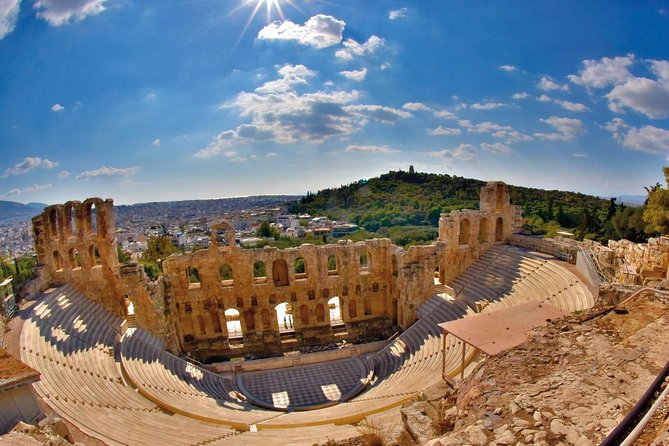
The Odeon of Herodes Atticus is a large stone theater built in AD 161. Unlike many ancient structures that survive only as fragments, this building still has a role in the cultural life of Athens, hosting performances and concerts.
You generally view the Odeon from outside rather than sit down for a performance. The guide explains the building’s purpose and its later connection to modern events. It is a good reminder that the Acropolis is not sealed off from the present. Ancient spaces continue to influence how Athens gathers and celebrates.
The stop takes around 10 minutes. Bring your camera, but listen as well. The theater is photogenic, yet its value is greater when you understand why a wealthy Roman-era benefactor funded it and how it functioned as a performance venue.
Philopappos Hill and the view across Athens
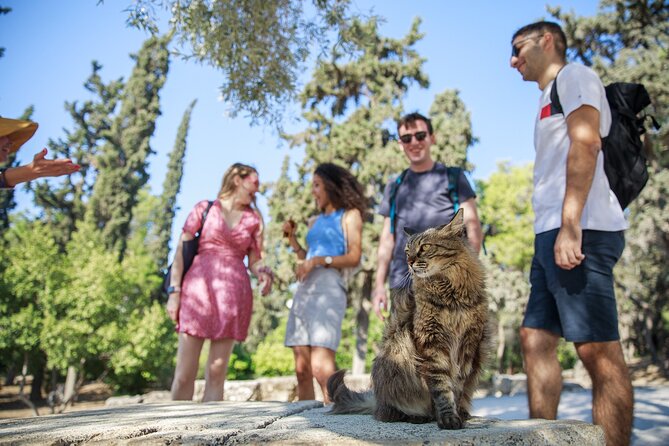
The route also includes a view toward Philopappos Hill, sometimes called the Hill of the Muses. The monument at its summit honors Philopappos, a Roman benefactor of Athens.
This section provides a useful pause during the climb. The Acropolis can feel like a sequence of famous names, so a moment to look outward helps you understand the hill’s position above the city. You get a broader view of Athens and a chance to catch your breath.
Do not confuse this with a separate hike up Philopappos Hill. The tour description presents it as a point of interest during the Acropolis visit, not a full excursion there. The emphasis remains on the archaeological site.
Passing through the Propylaea
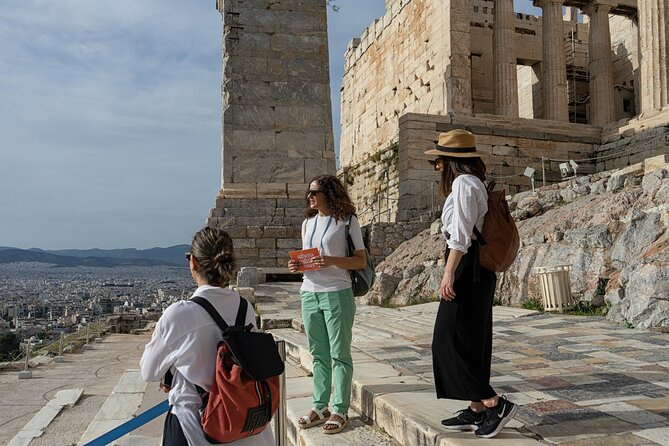
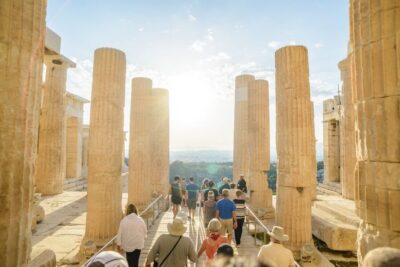
The Propylaea is the monumental gateway to the Acropolis. Designed by Mnesikles, it was intended to make arrival feel important, and it still does.
This is one of the places where a guide adds real value. Without explanation, you may see a grand but incomplete marble entrance. With context, you can appreciate the careful planning, the formal approach, and the way architecture shaped the visitor’s sense of ceremony.
The scheduled explanation is about five minutes, though the group naturally spends longer moving through the gateway. Watch your footing here. The stone surfaces can be uneven, and the climb has already taken some effort by this point.
The Temple of Athena Nike on its bastion
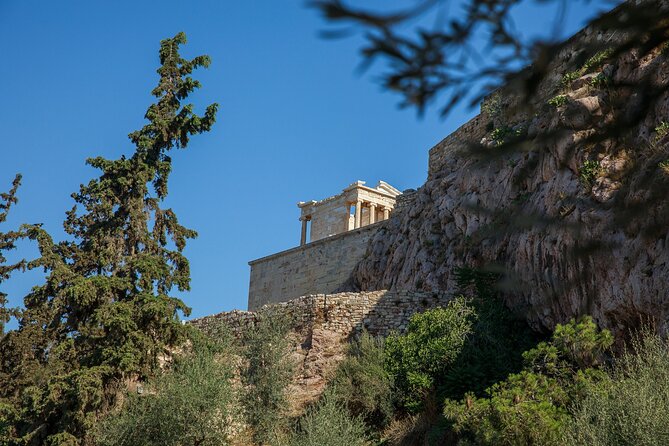
The small Temple of Athena Nike sits on a bastion near the southwestern edge of the Acropolis. Its position gives it a strong view over Athens, and its dedication to Athena as the goddess of victory connects the building to military success and civic pride.
Compared with the Parthenon, the temple is easy to overlook. That would be a mistake. Its compact size and elegant placement show another side of Greek architecture, one based on proportion and detail rather than sheer scale.
The stop lasts about five minutes. The crowd and strict movement patterns may limit how long you can look, but the guide points out what makes the temple important. This is another reason not to rush ahead for photographs.
The Erechtheion and the Caryatid Porch
The Erechtheion is one of the most visually distinctive buildings on the Acropolis. Its irregular plan reflects the many religious traditions connected to the site, including worship of Athena and Poseidon.
The Caryatid Porch draws most eyes. Six sculpted female figures appear to support the roof, creating a graceful contrast with the massive columns elsewhere on the hill. The guide explains the building’s design and religious importance, helping you see why it is more than an attractive photo stop.
Plan on about 15 minutes here. You should have time to listen, take pictures, and ask questions, though the exact amount depends on crowd conditions and the group’s pace. The site can be crowded, so a headset is especially useful.
The Parthenon, the main event
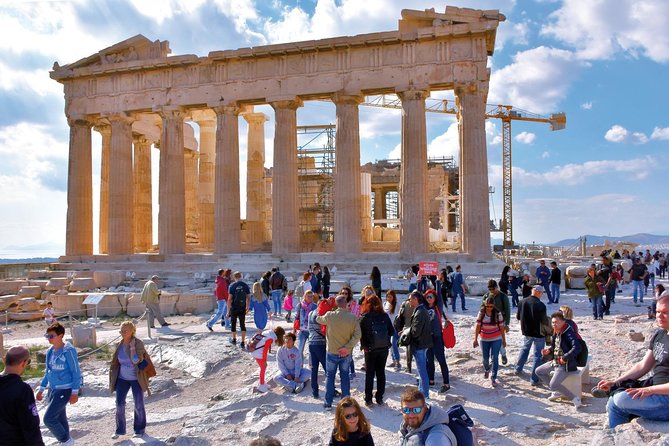
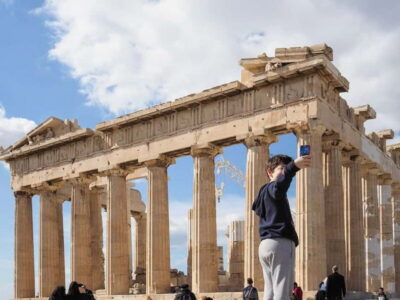
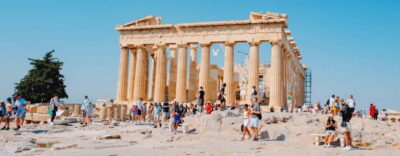
The Parthenon is the final major focus, and the tour allows about 25 minutes here. That is enough time to hear the basic story, study the surviving structure, and take in the views.
The temple was dedicated to Athena Parthenos and became the defining monument of classical Athens. Your guide explains its role, design, and place in the city’s culture. The best guides add mythology and architecture without turning the visit into a memorized speech. Phillipa, for example, was praised for answering questions about history, mythology, architecture, and modern Athens while giving the group time for photos.
Remember that you are viewing a building that has suffered centuries of damage, alteration, and restoration. You will not see the complete painted temple that ancient Athenians knew. The power of the visit comes from understanding what the Parthenon represented and seeing how much of its form survives despite its long and difficult past.
The hilltop views are part of the reward. From here, Athens spreads out in every direction, making it easier to grasp the connection between the sacred hill and the modern city below. On a clear day, the light can be intense, so sunglasses, water, sunscreen, and a hat are sensible.
Tickets, price, and what you actually pay for
The listed price is $41.12 per person, but check the exact option before booking. Admission is not included unless you choose the ticket-included version. The stated Acropolis entrance fee is €30 per person.
The ticket arrangement deserves close attention. If you choose the option without an entrance ticket, you must follow the provider’s instructions to obtain a valid ticket before the tour. The information provided says a separate email supplies a purchase link, with the step required within 48 hours of booking and no later than 24 hours before the tour begins. You cannot join without a valid entrance ticket.
The ticket-included upgrade can be worth the extra cost because Acropolis entry is time-specific and the site can have security waits of 30 minutes or more during the busiest periods. The advantage is not that you avoid all waiting. Everyone passes airport-style security. The useful part is avoiding the ticket-office process and reducing the chance of arriving with the wrong admission arrangement.
At $41.12 before any ticket upgrade, the tour offers good value if you want a clear introduction and do not want to research every monument yourself. It is less compelling if you already know the site well and prefer to set your own pace. You are paying for the licensed guide, route planning, audio equipment, and a focused explanation, not just entry to the hill.
Physical effort, weather, and family concerns
This is not a flat city stroll. You climb uphill and walk over uneven archaeological surfaces. The distance is manageable for many people, but you need a moderate level of fitness. Two older participants in their seventies found the uphill walk doable, while another account stressed that the rough ground is not suited to someone who wants an easy outing.
Wear shoes with a firm sole. Sandals with poor grip are a weak choice, especially if the stone is wet. Bring water, and use sunscreen and a hat in hot weather. There are no toilets once you are inside the site, so take care of that before entering.
Rain does not automatically ruin the visit, but it can make the surfaces less comfortable and the audio harder to hear. Guides have been praised for finding sheltered spots when possible, yet the tour still takes place outdoors. The experience requires good weather, and a cancellation for poor conditions can result in a new date or a full refund.
Baby strollers are not allowed on the archaeological site. There is also no cloakroom at the side entrance used for this tour, so a baby pouch is recommended instead of bringing a stroller.
Who should book this tour?
I would choose this tour if you have only a morning or afternoon in Athens and want the major Acropolis sights explained in a tight, sensible route. It suits first-time visitors, history fans, and anyone who would rather ask a guide about Athena, ancient drama, or the Caryatids than read labels while walking alone.
It is also a good fit for people who worry about losing their way in a large group. The meeting point is near the base of the hill, the route is organized, and the map and magazine help with the rest of your Athens plans.
I would think twice if you dislike scheduled entry times, group pacing, or uphill walking. You also need to be comfortable with the possibility of technical problems with the headset. The guide may be excellent, but clear sound depends on working equipment and the wind conditions on the hill.
The tour is offered in English only. If you want a museum visit as well, check the exact booking option. Some experiences connected with this tour include the Acropolis Museum, while the core route described here focuses on the archaeological site and its monuments.
Should you book the Acropolis walking tour?
Book it if you want an efficient introduction to the Acropolis with a real person explaining why each ruin matters. The strongest reasons are the licensed guides, the useful headset system, the stops at lesser-known monuments such as the Asklepeion, and the time saved by arranging admission properly.
Skip it if you already have strong knowledge of classical Athens and want to linger at one monument for hours. For most first-time visitors, though, the cost is fair, the route covers the essential sights, and two hours gives you a solid foundation without taking over your entire day.
FAQ
How long does the Acropolis and Parthenon tour last?
The tour lasts approximately two hours. The route includes the main Acropolis monuments, with stops ranging from about five to 25 minutes.
Is the Acropolis entrance ticket included?
Admission is included only if you select the ticket-included option. Otherwise, the €30 entrance fee is not included, and you must obtain a valid ticket before joining the tour.
Where does the tour begin?
The meeting point is LUKUMAΔΕΣ at Dionysiou Areopagitou 3, Athens 117 42, near the base of the Acropolis.
What language is the tour offered in?
The tour is offered in English.
How large can the group be?
The maximum group size is 24 people.
Is the tour suitable for people with limited mobility?
The tour requires a moderate level of physical fitness. You walk uphill over uneven archaeological surfaces, so it may not suit anyone who has difficulty with steep or unstable ground.
What should I bring?
Bring comfortable walking shoes, water, sunscreen, and a hat. Dress for the weather, and do not bring a baby stroller because strollers are not allowed on the archaeological site.
New on the Athens shelf
- Acropolis of Athens, Parthenon and Acropolis Museum private tour with dinner★ 5.0 · 77 reviews
- Small-Group Wine Tour in Athens with Tasting★ 5.0 · 33 reviews
- Private Athens Transfer Airport/Port -Greek Tours-Hourly service★ 5.0 · 88 reviews
- VIP Private Guided Tour of Athens Acropolis & Plaka in a Sidecar★ 5.0 · 108 reviews
- Private Athens Landmarks Layover Tour★ 4.5 · 41 reviews
- Athens Moonlight Waling Tour with Drinks and Meze Dishes★ 5.0 · 259 reviews
- Departure Transfer from Athens City to Athens Airport★ 5.0 · 41 reviews
- Classic Athens Food Tour with Local Drink & Market Visit★ 5.0 · 34 reviews
Acropolis Tours, compared.
Acropolis & up to 5 Archaeological Sites Combo Pass
Read our verdict →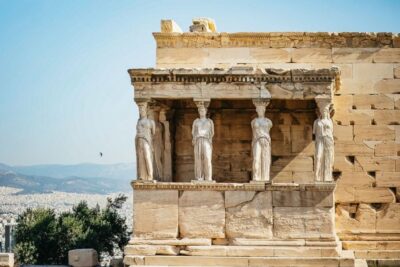
Acropolis, Parthenon & Acropolis Museum Guided Tour
Read our verdict →
Acropolis: Acropolis and Parthenon Guided Walking Tour
Read our verdict →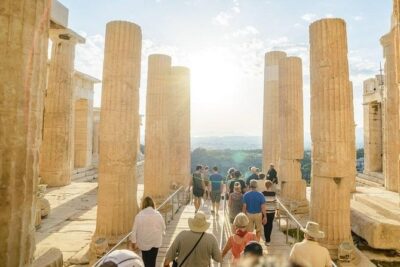
Acropolis monuments & Parthenon Walking Tour with Optional Acropolis Museum
Read our verdict →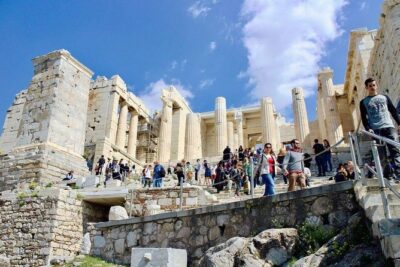
Athens All Included: Acropolis and Museum Guided Tour with Ticket
Read our verdict →Browse the lists this tour appears in