
Review · ACROPOLIS TOURS
Athens: The Acropolis Museum Guided Tour
The museum does more than display beautiful objects. It explains the world that produced the Acropolis, from votive offerings to Athena to the Caryatids and the ancient neighborhood visible beneath the floor. I especially like the natural light in the Archaic Gallery and the way the building frames the Parthenon through its glass atrium. The main catch is time: 75 minutes passes quickly, and a late start can cut into it.
I also like having a licensed guide put art, religion, architecture, and daily life into one story. Guides including Dimitris, Natasha, Niobe, Annie, and Jordan have been praised for clear English, humor, and good pacing. Just remember that the €20 entrance fee is extra, and some departures join a longer Acropolis tour already in progress.
Key points at a glance
- The museum puts the Acropolis in context: You see the objects before or after visiting the hill itself, which makes the temples easier to understand.
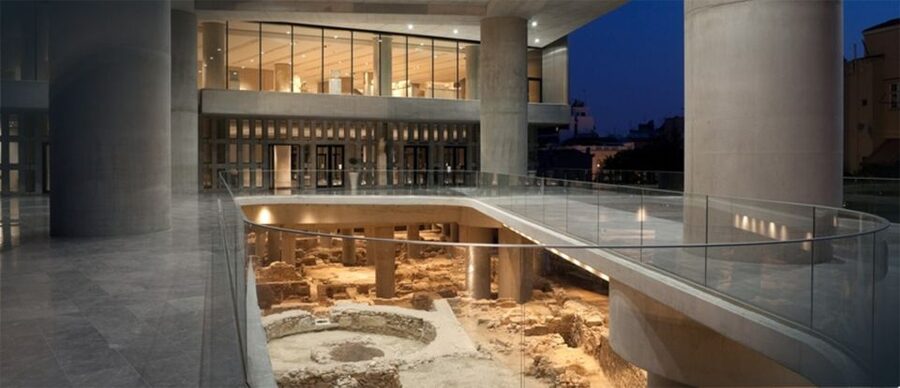
- Ancient Athens appears under your feet: Glass floors reveal excavated remains of an old Athenian neighborhood.
- The 5th-century BC collection is the star: Expect votive offerings, sculpture, architectural details, and the famous Caryatids.
- The building is part of the experience: Bernard Tschumi and Michael Photiadis designed a modern museum with strong views toward the Parthenon.
- The guide is the real value: The best guides turn isolated statues into a story about religion, politics, art, and city life.
- Plan for a brisk visit: The tour lasts 75 minutes, and a large group or delayed start may leave little time for lingering.
Why visit the museum before the Acropolis?
I would place this tour before your visit to the Acropolis whenever your schedule allows. On the hill, you see temples, columns, and foundations. In the museum, you see the people, beliefs, sculpture, and building fragments that explain what those monuments meant.
That order matters. A visit to the Acropolis can otherwise become a parade of impressive stones with difficult names. After the museum, the Caryatids are not simply graceful female figures, and the Parthenon is not just a famous photograph. You have a clearer sense of the religious setting, the artistic choices, and the city that surrounded these monuments.
The reverse order works too, especially if your Acropolis ticket or hotel plans leave no choice. You will still gain useful context. But the museum first gives you a better set of questions to carry up the hill.
The museum holds more than 4,000 artifacts, so 75 minutes cannot cover everything. That is not necessarily a problem. A good guide chooses a sensible route and explains why a small group of objects matters instead of marching you past every case with a list of dates.
More Museum Tours in Athens
- Athens: Acropolis, Parthenon & Acropolis Museum Guided Tour
★ 4.8 · 9,316 reviews - Athens: Acropolis, Parthenon & Acropolis Museum Guided Tour
★ 4.8 · 3,579 reviews - Acropolis monuments & Parthenon Walking Tour with Optional Acropolis Museum
★ 5.0 · 2,678 reviews
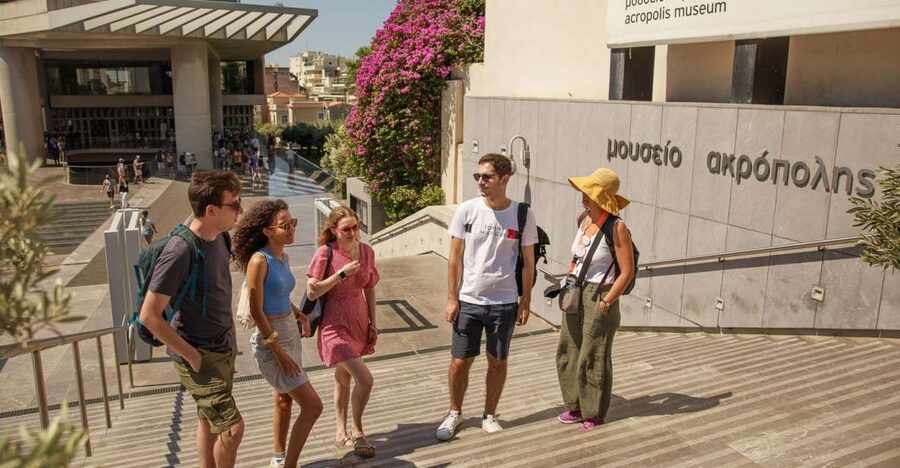
Meeting the guide near Dionysiou Areopagitou Street
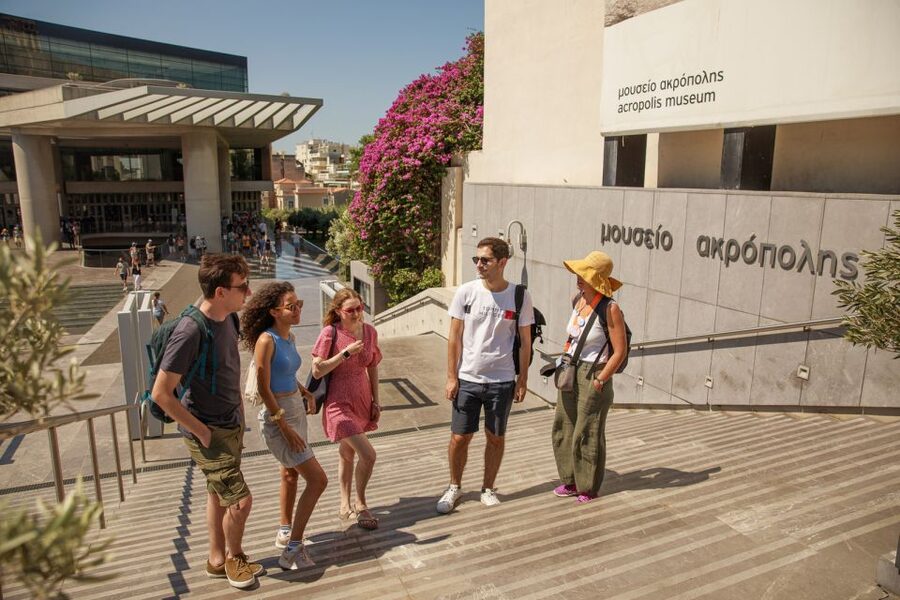
The meeting point is at 3 Dionysiou Areopagitou Street, near the Lukumades and Pilino stores. It is at the beginning of the pedestrian route running from Hadrian’s Arch and Syngrou Avenue toward the Acropolis.
Look for staff holding an orange Athens Walking Tours sign. I would arrive early and check the street carefully, since the meeting point is not inside the museum. This matters because the tour may be connected to a longer Acropolis outing, and several departures have involved joining a group that began elsewhere.
That arrangement can work well. A representative helps connect you with the ongoing group, and the guide already has a route underway. But it can also create confusion or a delayed start. One departure began 30 to 45 minutes late after a delay in the first part of the larger tour. Another guide had to continue with a group that had already visited the Acropolis.
If you are booking only the museum portion, ask clearly where your group will meet and whether it is joining another tour. Build some breathing room into your day afterward. I would not schedule a nonrefundable lunch, museum booking, or airport transfer immediately after the 75-minute visit.
Entering a Modern museum built around ancient Athens

The Acropolis Museum is a modernist building by Bernard Tschumi and Michael Photiadis. Its design is not a bland container for old objects. It uses light, glass, open sight lines, and the geometry of the building to keep the ancient hill present.
The glass atrium aligns with the Parthenon. That is one of the museum’s most effective ideas: you look at ancient sculpture while the monument that inspired it remains visible outside. The connection is direct without feeling forced.
Glass floors reveal excavations below. You can look down at the remains of an ancient Athenian neighborhood and get a sense of the city beneath the modern streets. This is a useful reminder that Athens was not only a collection of temples on a rocky hill. It was also a lived-in city of homes, streets, workshops, and ordinary routines.
The floor can be visually striking, but it also asks you to slow down and look carefully. A guide helps by explaining what you are seeing and why the excavation matters. Without that context, the ruins may seem like a patchwork of stone outlines.
The Archaic Gallery and the first major stop
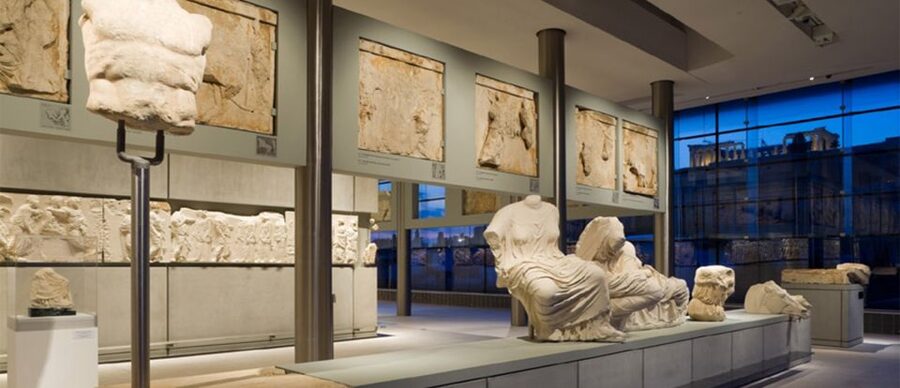
The Archaic Gallery is one of the museum’s most memorable spaces. Natural light fills the room, allowing the sculpture to read as sculpture rather than as dim objects behind glass.
Your guide will likely use the gallery to explain the development of Greek art before and around the 5th century BC. Pay attention to how the figures change in posture, expression, clothing, and treatment of the human body. Even a short explanation can make the collection feel less like a row of statues and more like a record of artists testing new ideas.
This is also a good place to see why a guide adds value. Dates alone do not explain why a particular figure mattered. The guide connects the objects to worship, public life, artistic practice, and the changing ideals of ancient Greek culture.
One guide may pause on a single statue longer than another. That can be a strength or a weakness. A few visitors found that too much time on individual people or narrow details reduced the broader story of the Acropolis. If you prefer a wide overview, tell the guide early. If you enjoy close study, the extra detail may suit you.
More Acropolis tickets and guided visits:
- Athens: Acropolis & up to 5 Archaeological Sites Combo Pass
★ 4.4 · 12,619 reviews - Athens: Acropolis Ticket with Optional Audio or Live Guide
★ 4.2 · 11,055 reviews - Athens: Acropolis and Parthenon Guided Walking Tour
★ 4.6 · 5,882 reviews - Athens: Acropolis Ticket with Audio Guide
★ 4.0 · 3,575 reviews
Votive offerings to Athena
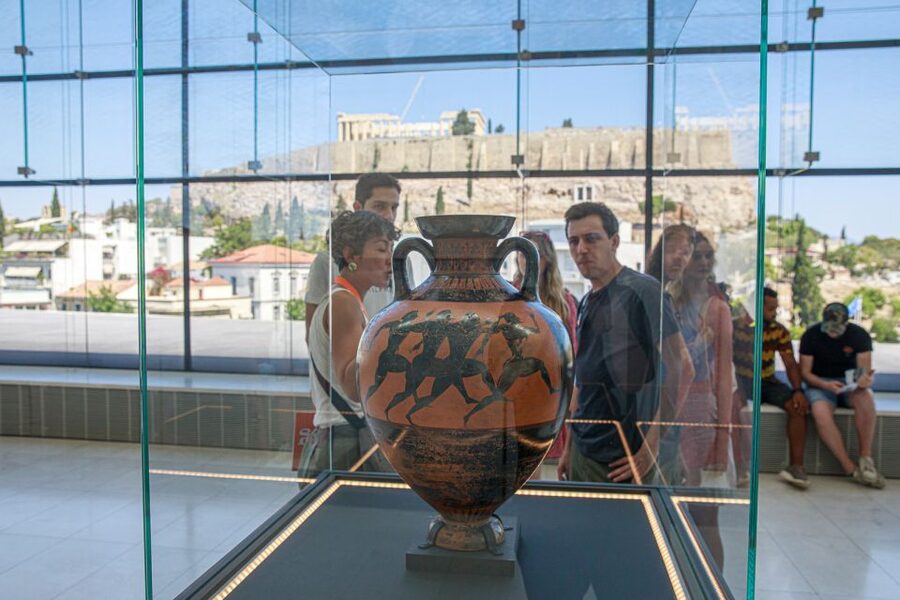
The museum’s votive offerings show the personal side of ancient religion. These were objects dedicated to Athena, linking worship to daily life and private hopes.
I find this part especially useful because it moves the Acropolis away from postcard views. The temples were not simply beautiful buildings for modern eyes. They were active religious spaces filled with offerings and meaning.
Your guide may connect the offerings to the larger role of Athena in the city. The point is not just that people left objects behind. It is that art, belief, civic identity, and public display were tied together.
This is where the museum can help you understand the Acropolis before you reach the hill. When you later see the temples and sanctuary spaces, you have a better idea of what happened there and why the objects were made with such care.
The Caryatids and the power of a familiar image
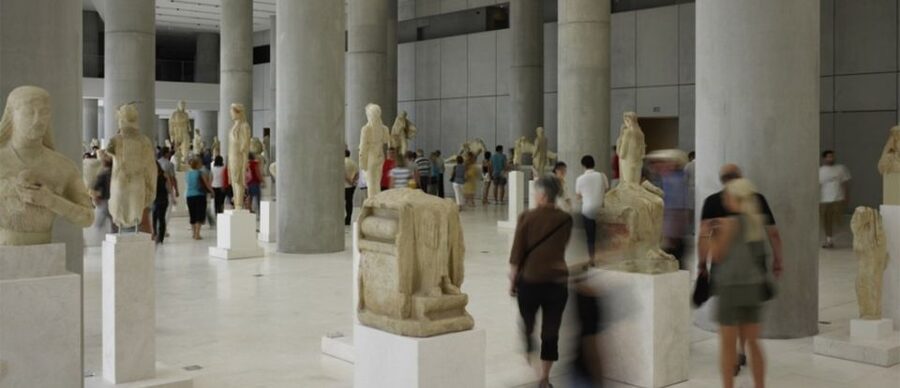
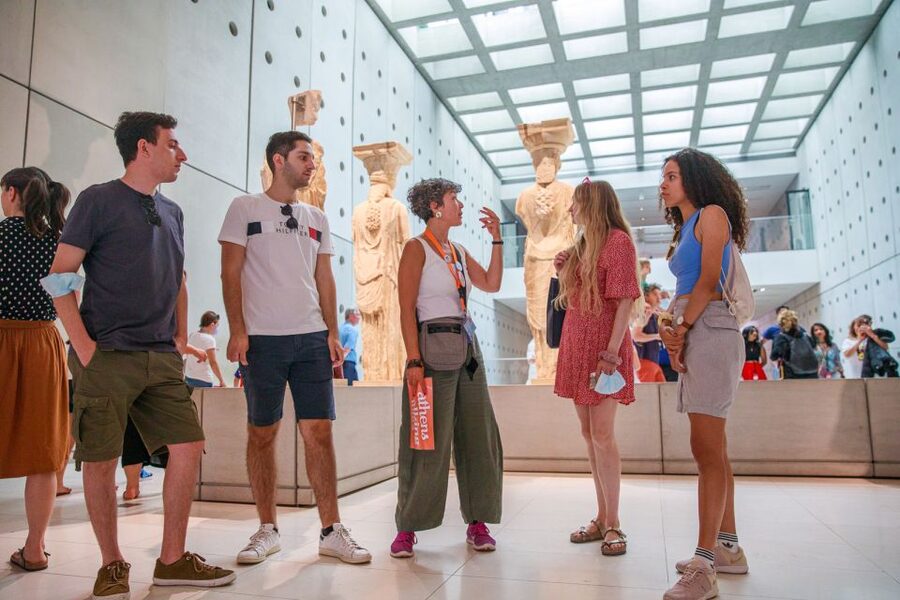
The Caryatids are among the museum’s most recognizable works. Seeing them here gives you a closer look than you usually get from a quick view on the Acropolis.
The figures are not isolated decorations. Their pose, clothing, hair, and role in architecture all deserve attention. A guide can point out details that are easy to miss when you are moving through a crowded monument outdoors.
This stop also shows the practical value of the museum’s setting. The pieces are protected, clearly presented, and close enough for careful viewing. You can then compare what you see in the museum with the remaining architecture on the Acropolis.
Do not expect the tour to provide unlimited time at the Caryatids. The group must keep moving, and 75 minutes is short for a museum of this size. If the Caryatids are your priority, stay near the guide and ask your question while the group is there.
The Parthenon gallery and views toward the hill
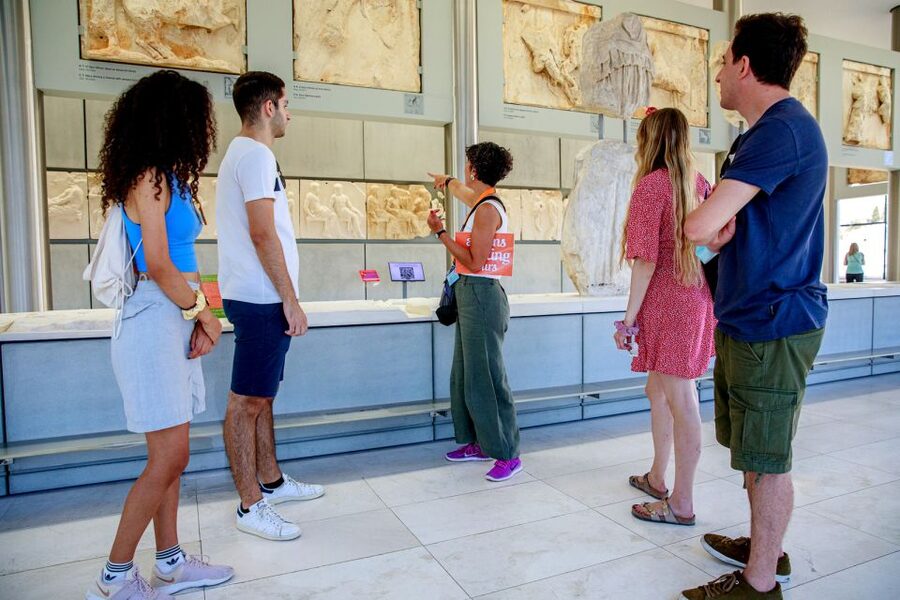
The museum’s upper-level design and glass atrium create a strong link to the Parthenon. You get a panoramic view toward the Acropolis ruins while standing among objects connected to that sacred hill.
This is one of the tour’s best visual moments. The view helps you understand scale and placement. Instead of seeing the Parthenon as a distant object, you can compare the building outside with the sculptures and architectural pieces inside.
A guide also helps separate what belongs to the Parthenon from what came from other parts of the Acropolis. That distinction is easy to lose when you visit on your own, especially if you are trying to absorb the architecture, take photographs, and navigate crowds at the same time.
The museum does not replace the Acropolis visit. It complements it. You still need to stand among the ruins to grasp the hilltop setting, but the museum gives you the close-up details and historical framework that the outdoor site cannot provide.
How the guides shape the experience
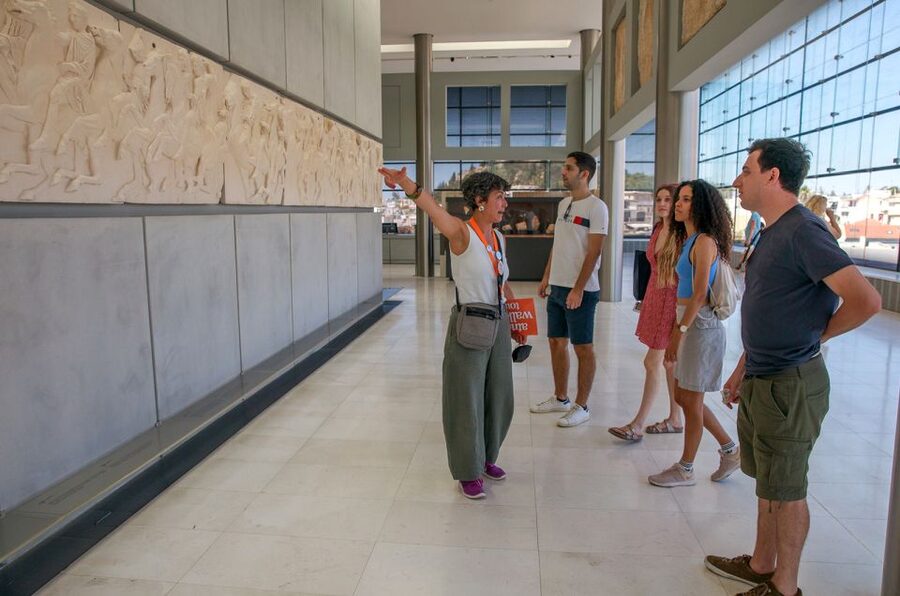
The guide is the biggest variable. The strongest guides turn a short visit into a clear story rather than a string of facts.
Dimitris has been praised for making the history lively, using humor and modern comparisons without losing the subject. Natasha has been noted for explaining both the museum’s design and its key exhibits, while keeping the information manageable. Niobe was described as following a clear plan and filling the hour with useful details without overwhelming the group.
Annie’s approach worked well for a family because she involved a seven-year-old in the discussion. Jordan was praised for connecting religion, science, theater, and art across different periods. Those details suggest that the tour can work for more than archaeology specialists. You do not need a background in ancient Greece to follow the main story.
English is the tour language. The guides are licensed local professionals, and the strongest departures have been described as clear, funny, patient, and passionate about archaeology.
Group size can affect the experience. One large group was handled well, but the guide had to keep moving to stay on schedule. In a crowded gallery, you may need to position yourself close to the guide to hear and see the object being discussed.
Is $41 plus admission a fair price?
The advertised cost is $41 per person, with entrance fees of about €20 per adult not included. That puts the real cost closer to $41 plus the euro admission charge, depending on exchange rates.
You are paying mainly for the guide and skip-the-ticket-line service. The museum entrance itself is not covered, so compare the full price with an unguided visit before booking.
For me, the value is strongest if you are visiting Athens for the first time, do not know much about Greek archaeology, or want the museum to prepare you for the Acropolis. A guide can save you from wandering through 4,000-plus objects without knowing where to focus.
The value is weaker if you already know the collection well, prefer a slow self-guided visit, or want to spend several hours on a small number of objects. The 75-minute route is an introduction, not a complete museum day.
The skip-the-line service is useful, but it does not mean the whole experience will be instant. Delays can occur when a museum tour is attached to an earlier Acropolis visit. The best value comes when the group starts on time and the guide keeps a firm route.
Timing, comfort, and practical details
Wear comfortable shoes. The tour involves standing and walking through the museum, and the meeting point is outside near the pedestrian route to the Acropolis.
The museum tour runs in all weather, rain or shine. Since the meeting point is outdoors, bring suitable clothing for the day and arrive ready to wait briefly if the group is being assembled.
Large bags and luggage are not allowed. Carry only what you need, and bring a passport or identity card as required for the activity.
The tour is wheelchair accessible. If you use a wheelchair or have particular mobility needs, confirm the exact meeting arrangements when booking, since the starting point is on the street rather than inside the museum.
Free cancellation is available up to 24 hours before the scheduled start for a full refund. You can also reserve now and pay later, which helps if your Athens plans are still changing.
Who should book this museum tour?
I would recommend it to first-time Athens visitors, families who want a lively explanation, and anyone who feels unsure about reading a large archaeological collection alone.
It is also a good choice if you plan to visit the Acropolis on the same day or the next day. The museum gives you a useful mental map, and the guide can answer the basic questions that often arise at the hilltop site.
Museum regulars may prefer to skip the guided portion and spend more time at their own pace. The same is true if you want a quiet visit focused on photography or close study.
For families, ask for a guide who is comfortable adjusting the conversation for children. Annie’s approach with a seven-year-old shows what is possible when the guide brings younger visitors into the story instead of talking over them.
Should you book it?
Book this tour if you want the Acropolis Museum to make sense quickly, and you value a local guide who can connect sculpture, religion, architecture, and city life. The museum is excellent on its own, but a strong guide gives the visit shape and saves you from trying to choose among thousands of objects.
Book early in your Athens schedule if possible, ideally before the Acropolis. Allow extra time around the start and avoid a tight appointment afterward. The short duration is the chief limitation, so stay focused and ask about the objects that matter most to you.
At $41 plus approximately €20 admission, it is not the cheapest way to enter the museum. It is a fair choice for an efficient introduction, especially when the group starts on time and the guide, such as Dimitris, Natasha, Niobe, or Annie, brings the collection to life.
FAQ
How long does the Acropolis Museum guided tour last?
The guided visit lasts 75 minutes. This is enough for a focused introduction to the museum’s main highlights, but not for a slow visit to all of its more than 4,000 artifacts.
What language is the tour conducted in?
The tour is conducted in English with a live licensed guide.
Is the entrance ticket included in the $41 price?
No. Entrance fees are separate and cost approximately €20 per adult. The activity includes the local guide and skip-the-ticket-line service.
Where is the meeting point?
Meet at 3 Dionysiou Areopagitou Street, near the Lukumades and Pilino stores. Staff holding an orange Athens Walking Tours sign will wait there.
Can I visit the Acropolis with this ticket?
The information provided covers a guided tour of the Acropolis Museum. Some departures are connected to a longer tour that includes the Acropolis, but you should confirm exactly what your booking includes.
Is the museum tour wheelchair accessible?
Yes, the activity is listed as wheelchair accessible.
What should I bring?
Bring a passport or identity card and wear comfortable shoes. Large bags and luggage are not allowed.
Can I cancel or pay later?
You can cancel up to 24 hours in advance for a full refund. The reservation option also allows you to book now and pay later.
New on the Athens shelf
- Acropolis of Athens, Parthenon and Acropolis Museum private tour with dinner★ 5.0 · 77 reviews
- Small-Group Wine Tour in Athens with Tasting★ 5.0 · 33 reviews
- Private Athens Transfer Airport/Port -Greek Tours-Hourly service★ 5.0 · 88 reviews
- VIP Private Guided Tour of Athens Acropolis & Plaka in a Sidecar★ 5.0 · 108 reviews
- Athens Moonlight Waling Tour with Drinks and Meze Dishes★ 5.0 · 259 reviews
- Private Athens Landmarks Layover Tour★ 4.5 · 41 reviews
- Departure Transfer from Athens City to Athens Airport★ 5.0 · 41 reviews
- Classic Athens Food Tour with Local Drink & Market Visit★ 5.0 · 34 reviews
Acropolis Tours, compared.
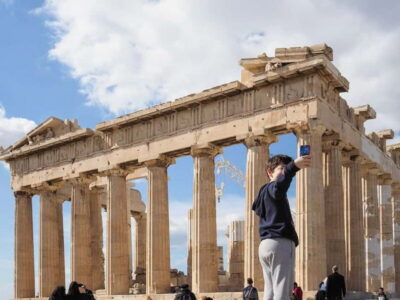
Acropolis & up to 5 Archaeological Sites Combo Pass
Read our verdict →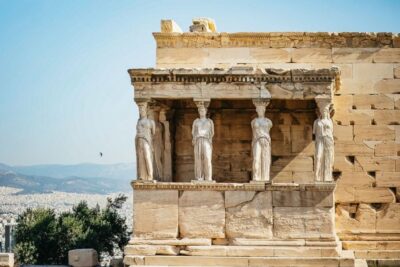
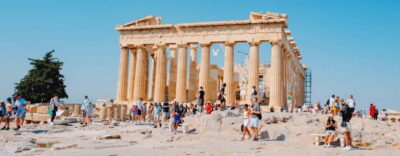

Acropolis, Parthenon & Acropolis Museum Guided Tour
Read our verdict →
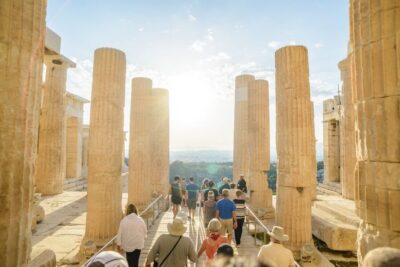
Acropolis: Acropolis and Parthenon Guided Walking Tour
Read our verdict →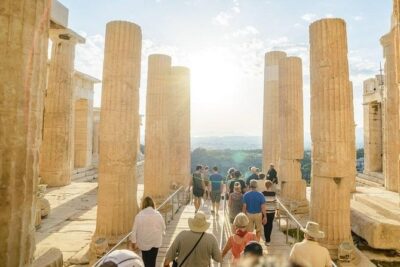
Acropolis monuments & Parthenon Walking Tour with Optional Acropolis Museum
Read our verdict →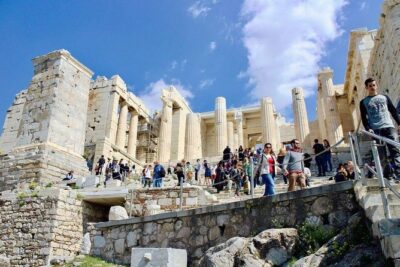
Athens All Included: Acropolis and Museum Guided Tour with Ticket
Read our verdict →Browse the lists this tour appears in