
Review · OLIVE OIL TOURS
Kalamata: The Olive Oil Routes Tour
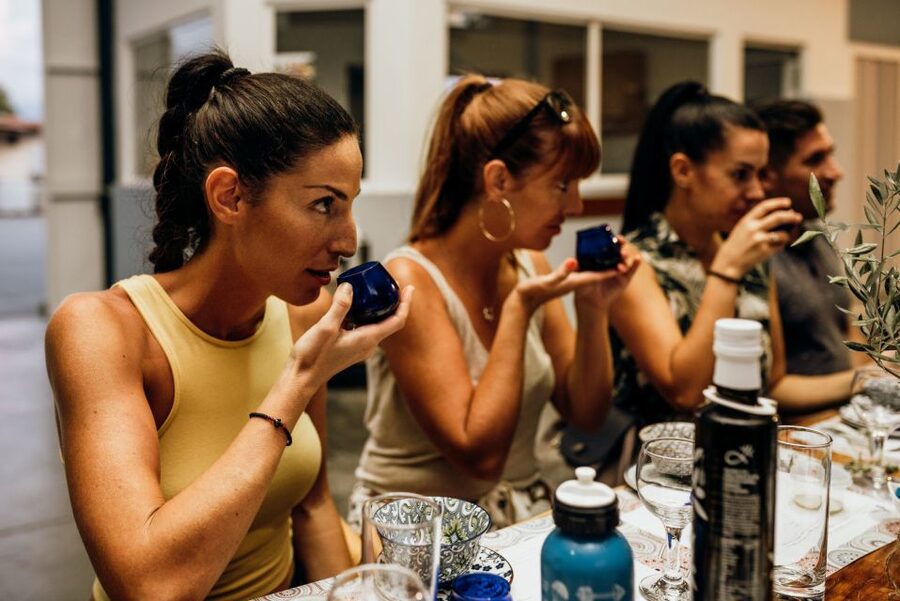
The best part of this experience is that olive oil never feels like a product on a shop shelf. You follow it from old olive groves to a 120-year-old family mill, then learn to taste it properly with a certified taster. I like the personal family connection, especially when Dimitra shares her own farming and milling story. I also like the generous food pairing, which turns a tasting lesson into a real meal.
The main thing to consider is transport. You must reach Androusa Castle yourself, about 20 minutes by car or taxi from Kalamata. The tour also involves walking outdoors, so comfortable shoes, sunscreen, and a hat are sensible, especially in the warmer months.
Key points to know before booking

- The tour begins at Androusa Castle: Meet outside the 13th-century castle on the main road, not at a hotel in Kalamata.
- You visit a working family mill: The mill has operated for more than 120 years and is now run by its fifth generation.
- The tasting is hands-on: Compare Koroneiki, Manaki, Chalkidiki, and Mavroelia oils, then pair them with at least four foods.
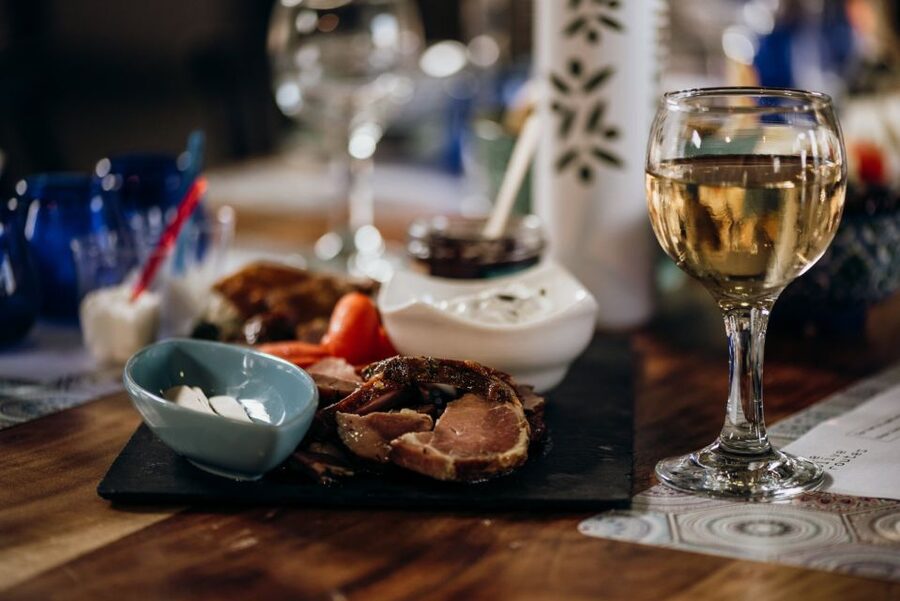
- The meal is more than a snack: Local olives, olive paste, lalagia, sfela, smoked ham, fruit, tzatziki, and other small dishes are served.
- Dimitra is a certified taster: Her teaching uses questions and simple games, making the subject accessible to adults and children.
- The setting adds real context: You see the castle, village, groves, mill, and food traditions of Messinia in one half-day outing.
Why olive oil makes a fine Messinian introduction
Kalamata is famous for its olives, but it is easy to visit the Peloponnese without understanding what that fame means. This tour fixes that. Instead of simply sampling a few oils in a shop, you see the trees, hear how families care for them, visit the machinery used to process the fruit, and taste the finished oil beside local foods.
That order matters. Once you have walked among the trees and heard about the work behind each harvest, the tasting has more meaning. You begin to notice why one oil tastes grassy, another peppery, and another softer and more suited to a particular dish.
The experience lasts 3.5 hours and costs $106 per person. I consider that a fair price if you value food, local culture, and a guide who can explain the subject clearly. The fee includes entrance costs, food, oil tastings, a local tour leader, a certified olive oil taster, taxes, and photographs from the tour.
It is not the cheapest way to spend a morning near Kalamata. The value comes from the number of parts joined together: a historic setting, a grove walk, a family mill, structured instruction, and a substantial spread of food. If you only want to buy a bottle of oil, this is more than you need. If you want to understand why olive oil matters here, the price makes better sense.
More Olive Oil Tours in Peloponnese:
- Kalamata- Olive oil & Wine Tour with traditional lunch
★ 5.0 · 117 reviews - Olive oil Mill Visit & Olive oil tasting Experience
★ 5.0 · 77 reviews - Organic Olive Grove tour & Olive oil tasting & lunch in Kalamata!
★ 5.0 · 61 reviews
Starting at the 13th-century castle of Androusa
Your meeting point is outside the castle of Androusa, on the main road. The castle sits about 20 minutes from Kalamata and roughly 10 minutes from Ancient Messene, so this tour fits well into a day that includes either place.
The castle gives the outing a strong opening. You are not meeting in a generic parking area or tasting room. You begin beside a medieval site, with olive trees and Messinian countryside around you. The tour uses the setting to connect local olive growing with older stories, customs, and the mythical tales attached to the castle’s trees.
One practical note matters here: make sure you confirm the castle as your meeting point. One person who joined the tour in November specifically noted that the castle was the correct location even when a booking app suggested otherwise. The published directions say to meet outside the castle on the main road.
There is no hotel pickup or drop-off. You will need a car or taxi, and the short drive from Kalamata is part of the planning. If you are staying in Ancient Messene, the location is especially convenient.
Walking through Messinia’s old olive groves
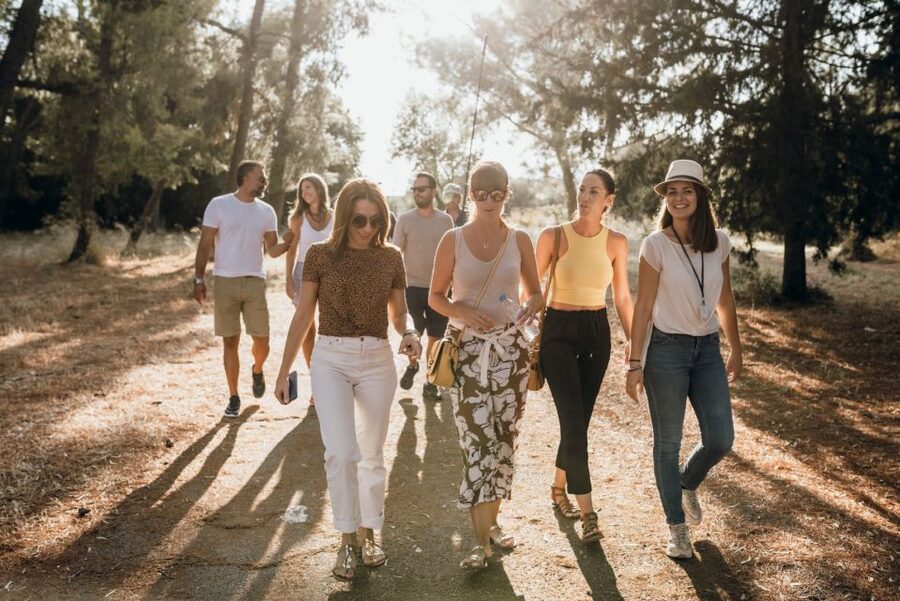
The first active part of the tour is a walk among the olive trees. You learn about the role of olives in Greek life, the traditions connected with farming, and the different varieties grown in the area.
The trees themselves are the main attraction. Some are described as perennial, and the guide explains how the shape and age of an olive tree can reflect the long relationship between people and the land. Look at the trunks as you walk. The guide uses them to tell the story of Messinia, not just as scenery but as a record of generations of cultivation.
This portion is gentle in spirit, but it is still an outdoor walk. Wear shoes that can handle uneven ground, and bring sun protection. A hat and sunscreen are specifically recommended. On a warm day, the shade of the trees will be welcome, but you should not plan this as an indoor tasting with a short stroll attached.
Harvest season can add another layer to the visit. A November participant was able to watch a harvesting crew and take part for a little while. That is not guaranteed for every departure, but visiting during harvest may give you a closer look at the work that comes before milling.
Seeing a fifth-generation olive oil mill
In the center of Androusa village, you visit an olive oil press and mill that has been operating for more than 120 years. The fifth-generation owner explains how olives become extra virgin olive oil, including extraction, storage, and standardization.
This is where the tour becomes practical. You learn that good oil is not simply about picking olives and pressing them. Processing, storage, and handling all affect the result. The visit gives you a clearer idea of why producers care about the timing of harvest and the conditions in which oil is kept.
The family connection is one of the strongest parts of the experience. Guides such as Dimitra and Athanasia do not present olive oil as an abstract industry. They connect the mill to their family, their land, and the place of farming in Greek life. That personal angle helps the technical material stick.
The mill visit is also useful if you buy olive oil at home. You will have a better basis for asking questions about variety, production, storage, and quality. The tour focuses on extra virgin olive oil, so you are learning about the highest quality category discussed during the tasting.
A few more Peloponnese options worth putting side by side
- Athens: Peloponnese Highlights Day Trip and V.R. Audio Guide
★ 4.5 · 1,425 reviews - Sea Kayak in Kardamili
★ 5.0 · 438 reviews - Sea Kayaking in Navarino Bay
★ 5.0 · 210 reviews - Rock Climbing at Kardamili- West Mani
★ 5.0 · 192 reviews
Learning to taste oil in blue glasses
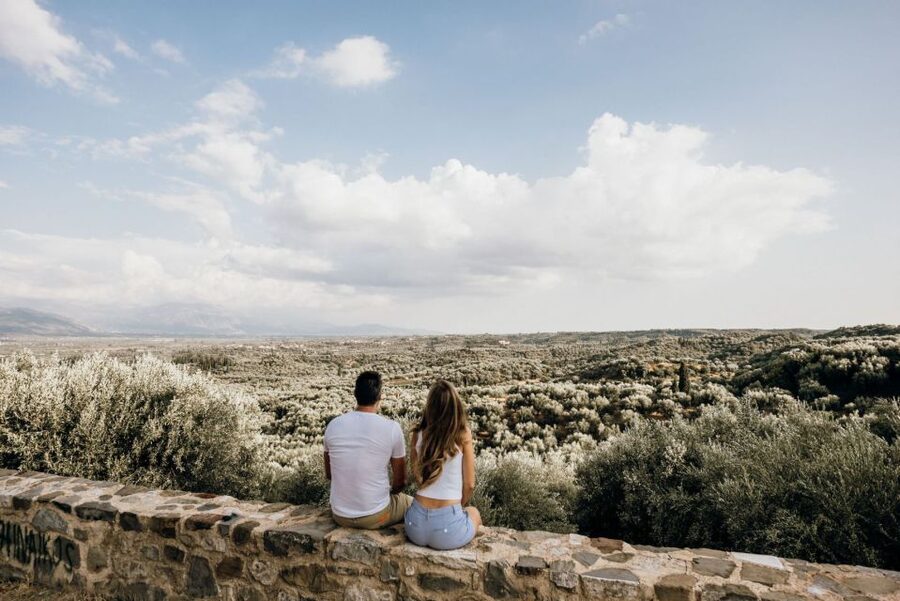
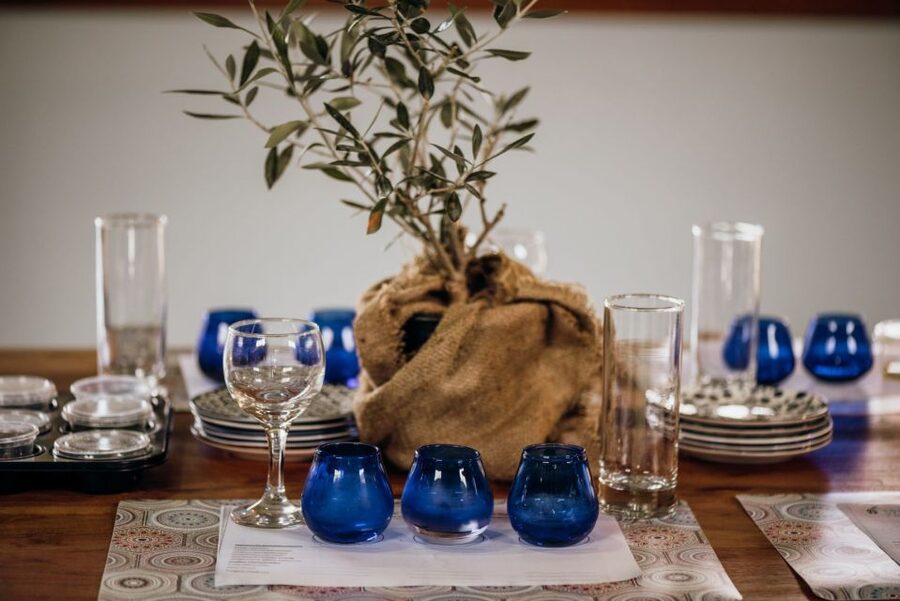
The tasting takes place around a table with the small blue glasses used for olive oil evaluation. The color helps prevent you from judging an oil by appearance alone. You focus on smell and taste, then learn the features that separate extra virgin oil from lower-quality oil.
Dimitra is a certified olive oil taster and leads this part of the experience. Her approach is interactive. She asks questions, uses games, and brings people into the discussion rather than simply reciting facts. That style works well for families, including children, and it also gives experienced Greece visitors something more useful than a basic introduction.
You taste Koroneiki oil, the variety strongly associated with the region, and compare it with other Greek oils such as Manaki, Chalkidiki, and Mavroelia. The point is not to declare one oil the winner. You learn to notice differences in aroma, bitterness, fruitiness, and the peppery sensation that can appear in a good oil.
For many people, this is the most educational part of the tour. Olive oil is familiar, but most of us use it without examining it. Here, you slow down and pay attention. The lesson can change how you shop and how you use oil in your own kitchen.
Pairing oil with local food
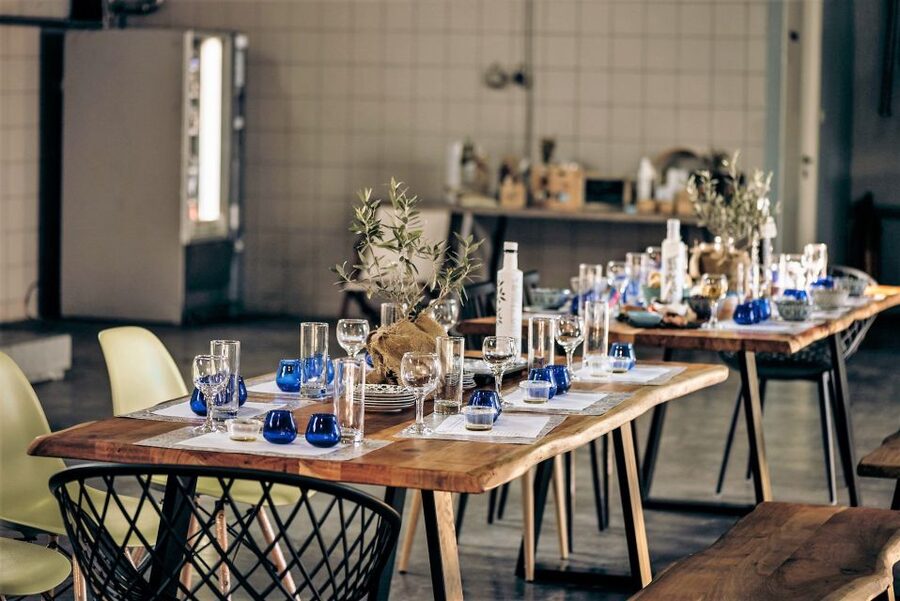
The tasting does not stop with oil in a glass. You combine different oils with fruit, small gourmet dishes, tzatziki, Kalamata olives, olive paste, lalagia, sfela, smoked ham called pasto, local cheeses, and other homemade foods.
This is a smart way to teach. Oil can seem harsh or strong when tasted alone, but food shows how its character works at the table. A peppery oil may suit one dish, while a softer variety may work better with another. You get to make your own combinations instead of being told that there is one correct answer.
The food is also a window into Messinian cooking. Lalagia, a local fried dough, adds a regional touch. Sfela is a local cheese, while pasto brings smoked ham into the spread. Kalamata olives and olive paste make the connection to the grove obvious, but the full selection gives the meal more range.
Although the official description calls these food tastings and small plates, several participants describe the final meal as generous and filling. Some mention a local tavern meal, local wine, and homemade dishes. Treat the wording as a general guide rather than a guarantee of one fixed menu, since the exact food may vary.
Dietary needs can sometimes be handled with advance notice. One gluten-free participant was able to eat nearly everything served, apart from pumpkin pie. That is encouraging, but you should still tell the provider about restrictions before the tour.
The guide style and group atmosphere
The guides are a major reason this experience feels personal. Dimitra is repeatedly identified with the tasting and the family farm, while Athanasia has also hosted groups. The names matter because the tour is built around conversation and participation, not just a standard script.
Dimitra’s teaching style may feel energetic at first. One participant who already knew Greece and its culture initially found the approach a little like school for young children. By the end, that same style had helped the group relax, join in, and remember the material. If you prefer a quiet lecture, the games may not suit you. If you enjoy being asked questions and included, they are useful.
The tour works for mixed ages. A four-year-old was included in the conversation, and another family found it suitable for grandparents and children. Teenagers have also enjoyed the interactive format. This makes the outing a good choice for a family that wants more than a passive food stop.
The format is described as a small-group tour, although part of the day may bring you together with a larger group at the mill or food venue. That change can make the experience feel less private than the first grove visit. In return, you may meet other people and share the meal in a more social setting.
Planning the timing and transport

Set aside half a day. The stated duration is 3.5 hours, but the food portion is substantial enough that you should not schedule a rushed appointment immediately afterward.
The meeting point is easy to reach by car or taxi, but there is no included transport. If you are staying in central Kalamata, budget time for the drive and allow extra time to locate the castle entrance. The tour can combine well with Ancient Messene because that archaeological site is only about 10 minutes away, though you should plan your own transport and entry timing separately.
The tour is offered in Greek and English. A live guide leads the experience, and the certified taster handles the oil instruction. Entrance fees, tastings, food, taxes, and tour photographs are included.
You can cancel up to 24 hours before the start for a full refund, and the reserve-now, pay-later option keeps your plans flexible. Those terms are useful if your Peloponnese schedule is still shifting.
Who will enjoy this most
I would choose this tour for anyone who enjoys food with a sense of place. It suits first-time visitors who want a clear introduction to Messinia, as well as repeat visitors who already know Greek food but want to understand olive oil at a more serious level.
Families should consider it, especially if children are curious about food and farming. The games and questions help hold attention, and the meal gives younger participants something immediate to enjoy.
It is also a good choice for people staying in Kalamata, Costa Navarino, or near Ancient Messene who have access to a car or taxi. The tour is less convenient if you do not want to arrange transport beyond the city center.
You may want to skip it if you dislike outdoor walking, structured tastings, group activities, or being asked to participate. You should also avoid booking it as a quick stop between tightly timed visits. The tour works best when you allow the stories, food, and tasting to unfold at an unhurried pace.
Should you book the Olive Oil Routes Tour?
Book it if you want to see the family and farming side of Messinia, not just sample Kalamata olives in a shop. The strongest elements are the grove walk, the fifth-generation mill, Dimitra’s tasting instruction, and the generous local food served at the end.
The $106 price is justified by the amount included and the personal access to people who work with olives themselves. Just arrange your own ride to Androusa Castle, wear comfortable shoes, and expect a real half-day experience rather than a quick tasting.
If you are already planning Ancient Messene, this is an especially sensible addition. It gives you a different way to understand the region, through its trees, food, families, and daily traditions.
FAQ
Where does the Olive Oil Routes Tour begin?
It begins outside the 13th-century castle of Androusa, on the main road.
How far is the meeting point from Kalamata?
The castle is about a 20-minute drive from Kalamata.
How far is the meeting point from Ancient Messene?
The meeting point is about 10 minutes from Ancient Messene.
Is hotel pickup included?
No. Hotel pickup and drop-off are not included. You can reach the meeting point by car or taxi.
How long does the tour last?
The tour lasts 3.5 hours.
What languages are offered?
The tour is offered in Greek and English, with a live tour guide.
Who leads the olive oil tasting?
A certified olive oil taster leads the tasting. Dimitra is identified as one of the guides connected with the tasting and family mill.
Which olive oil varieties will you taste?
The tasting includes Koroneiki, Manaki, Chalkidiki, and Mavroelia extra virgin olive oils.
What food is included?
Food tastings include Kalamata olives, olive paste, lalagia, sfela, smoked ham called pasto, local cheeses, tzatziki, fruit, and other small dishes.
What should you bring?
Bring comfortable shoes, a sun hat, and sunscreen.
Is cancellation available?
Yes. You can cancel up to 24 hours in advance for a full refund.
Can you reserve without paying immediately?
Yes. The reserve-now, pay-later option lets you hold your place without paying at the time of booking.
New on the Peloponnese shelf
- City Escape: Peloponnese Private Day Trip★ 5.0 · 28 reviews
- Navarino Bay: Sea Kayaking with Lunch★ 4.7 · 31 reviews
- Canyoning Experience in Neda for Beginners★ 5.0 · 90 reviews
- Rock Climbing at Kardamili- West Mani★ 5.0 · 192 reviews
- Organic Olive Grove tour & Olive oil tasting & lunch in Kalamata!★ 5.0 · 61 reviews
- Sea Kayaking in Navarino Bay★ 5.0 · 210 reviews
- Olive oil Mill Visit & Olive oil tasting Experience★ 5.0 · 77 reviews
- Canyoning and Zipline in Polylimnio Waterfalls★ 5.0 · 39 reviews
Olive Oil Tours, compared.
Knossos-Zeus Cave -Old Traditional Villages-Olive Oil Factory
Read our verdict →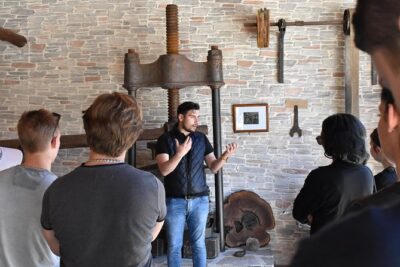
The Governor’s Olive Mill Tour with Olive Oil Tasting
Read our verdict →
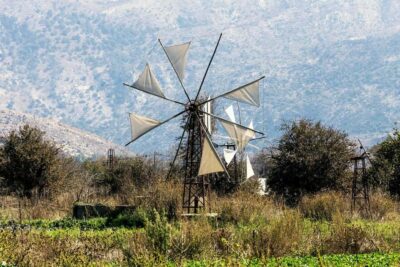
Road-trip to Lasithi Plateau & Olive Mill Farm
Read our verdict →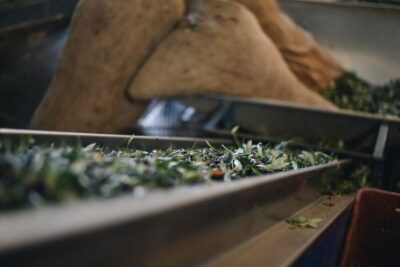
Olive Farm Tour with Tasting of Local Delicacies
Read our verdict →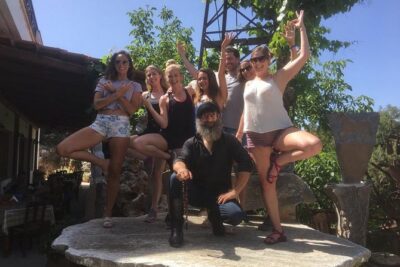
Zeus Cave, Lassithi Plateau, Olive Oil Factory, Kritza, Pottery
Read our verdict →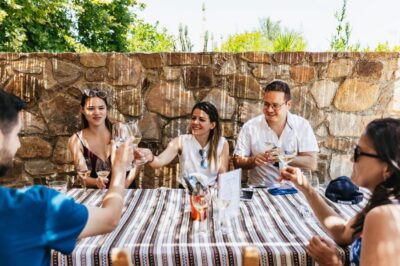
Browse the lists this tour appears in