
Review · OLIVE OIL TOURS
Kalamata- Olive oil & Wine Tour with traditional lunch
The best part of this Kalamata tour is that it treats olive oil as food, craft, and local culture, not just a bottle on a shop shelf. You’ll look across the olive groves from the 13th-century Castle of Androusa, visit working mills, taste fresh oils with a certified olive oil sommelier, and finish with a full Greek meal.
I like the small-group feel, with a stated maximum of 16 people and an advertised group size no larger than 12 in the tour highlights. I also like the clear teaching element: you taste at least three wines and three olive oils, learn how quality is judged, and pair the oils with Greek meze.
The main consideration is transport. You must reach Androusa yourself, and the four-hour schedule is built around a 10:00 a.m. start. If you are staying in Kalamata without a car, check your route carefully before booking.
Key points to know before booking
- Start with castle views: The 13th-century Castle of Androusa gives you a striking first look over the olive groves of Messinia.
- Taste with purpose: The olive oil session explains aromas, flavors, varieties, freshness, and what makes an oil extra virgin.
- See two sides of olive production: You visit a modern mill and a traditional mill founded in 1904.
- Wine is part of the meal: A local winery visit includes a guided tasting of at least three Greek wines.
- Lunch is a major part of the value: Expect salads, cheeses, olives, pies, smoked pork, sausage, kagianas, dessert, local wine, and more.
- Plan your own transport: Pickup from your hotel is not included, and the tour returns to the starting point in Androusa.
Why this Androusa food tour feels different
Many food tours give you a few samples and a story or two. This one connects the food to the place where it is made. Androusa sits between Kalamata and Messene, in an area shaped by olive growing, village traditions, and small-scale food production.
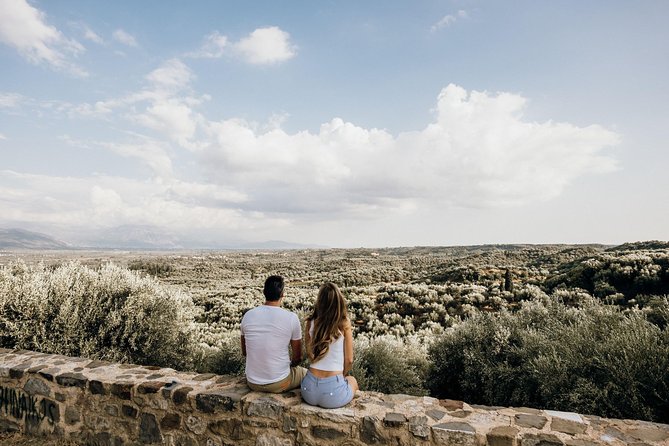
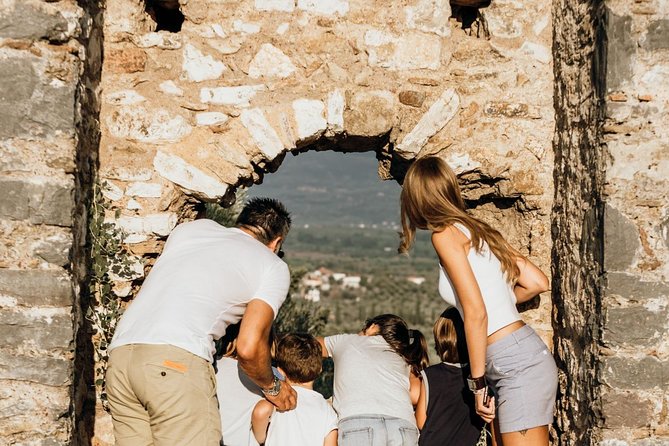
You begin at the Castle of Androusa, a 13th-century site with broad views across the Messinian olive groves. That opening matters. Before you taste anything, you see the trees and the farmland behind the products on the table.
The tour also brings together three useful perspectives. At the winery, you see how Greek wine is produced and taste several varieties. At the modern olive mill, you learn about extraction and storage. At the older mill, founded in 1904, you get a sense of how long olive growing has been part of village life.
Guides such as Athanasia and Dimitra have been praised for making the teaching lively rather than stiff. The style is friendly and hands-on, with plenty of room for questions. Georgia is associated with the generous homemade lunch, which gives the final part of the tour a family-table feel.
More Olive Oil Tours in Peloponnese:
- Olive oil Mill Visit & Olive oil tasting Experience
★ 5.0 · 77 reviews - Kalamata: The Olive Oil Routes Tour
★ 5.0 · 73 reviews - Organic Olive Grove tour & Olive oil tasting & lunch in Kalamata!
★ 5.0 · 61 reviews
Starting at the Castle of Androusa
The meeting point is Epar.Od. Ellinoklissias-Androusa 26 in Androusa, postal code 240 13. The activity starts at 10:00 a.m. and finishes back at the same meeting point.
The castle visit is not presented as a long archaeological tour. Instead, it sets the scene. From the high position, you can look over what makes this corner of the Peloponnese special: long stretches of olive trees and the rural area around Messene.
You will hear about the region’s traditions, past, and mythical stories before moving on to the food producers. That is a smart beginning because olive oil can otherwise seem like a generic tasting subject. Here, the trees below the castle give the lesson a real sense of place.
Bring sensible shoes and protection from the sun. The exact walking conditions are not specified, but the day includes outdoor olive groves and visits around rural production sites. Good weather is required, and the tour may be rescheduled or refunded if conditions are poor.
At the winery, Greek grapes take the lead
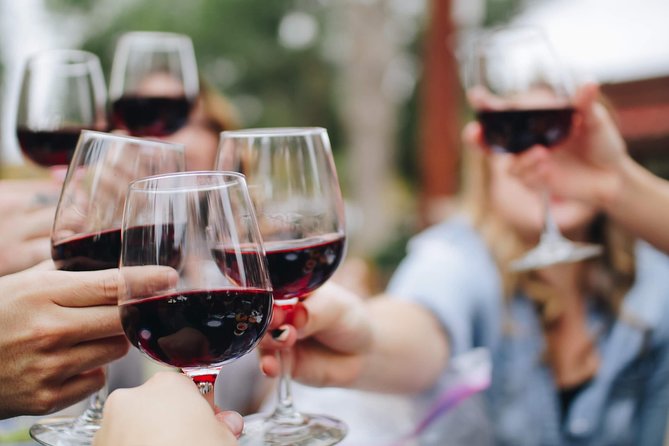
The winery visit gives you a look at how local Greek wines are made. You are guided through the production process and then taste at least three different wines, paying attention to their aromas and flavors.
This is more useful than simply being handed three glasses. You are encouraged to compare them and notice how each one differs. If wine is already familiar territory for you, the tasting gives you a local angle. If you usually find wine language confusing, the guided format keeps it practical.
The winery is also a good counterpoint to the olive oil portion. Both products depend on farming, timing, processing, and storage, but each has its own signs of quality. The tour helps you see those links without turning the morning into a technical lecture.
One useful tip is to bring cash if you may want to buy a bottle of wine after tasting. Purchases are not listed as included, and cash was specifically recommended for this purpose. The same practical rule applies to olive oil if bottles are available for sale, though the supplied details do not promise that they will be.
The modern olive mill and the old 1904 mill
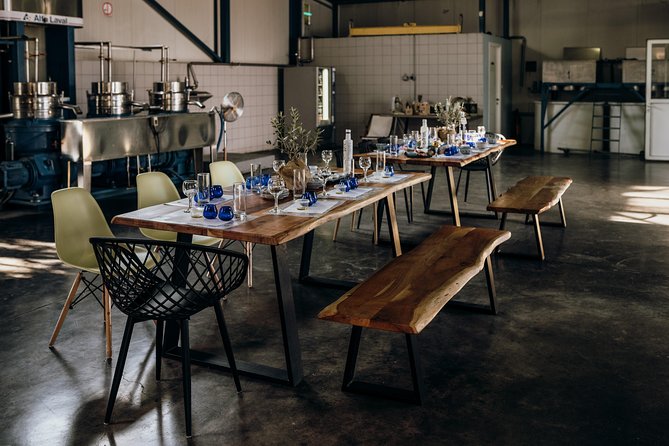
The modern olive oil mill is in the heart of Androusa Village. Here, you learn how olives are processed, how oil is extracted, and how it should be stored. Storage may sound like a minor detail, but it affects the quality you get at home. Light, heat, and poor handling can damage oil after production, so this part gives useful advice beyond the tasting table.
The visit to the traditional mill founded in 1904 provides a different kind of lesson. You travel back through the area’s olive-growing past and see how strongly the crop is tied to local identity. The two mills work well together: one explains present-day production, while the other connects it to earlier generations.
The tour does not promise a full harvest-day demonstration, and the timing of the visit may not match the olive-picking season. You should think of this as a guided look at production and tradition, not a chance to follow every stage of the annual crop from tree to bottle.
More Wine Tours in Peloponnese:
- Santorini Wine Adventure with 12 Wine Tastings, Tapas and Sunset
★ 5.0 · 1,715 reviews - Tour and Wine Tasting in Mykonian Land
★ 5.0 · 1,357 reviews - Santorini Wine Stories: Sunset Tour with Tasting & Dinner
★ 5.0 · 1,285 reviews - Athens: Classic Cooking Class with Market Visit and Wine
★ 5.0 · 1,101 reviews
A proper olive oil tasting, not just bread and dipping
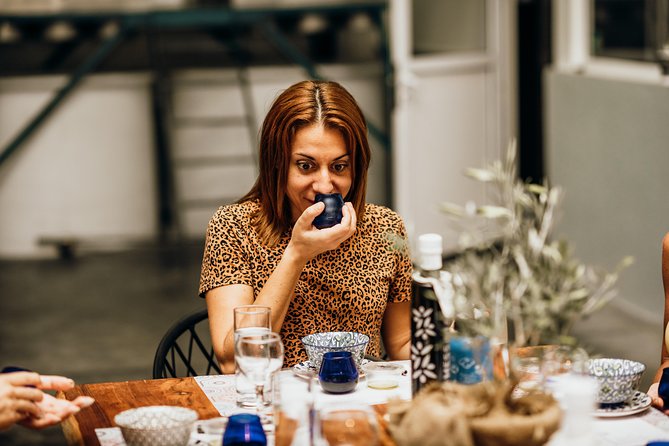
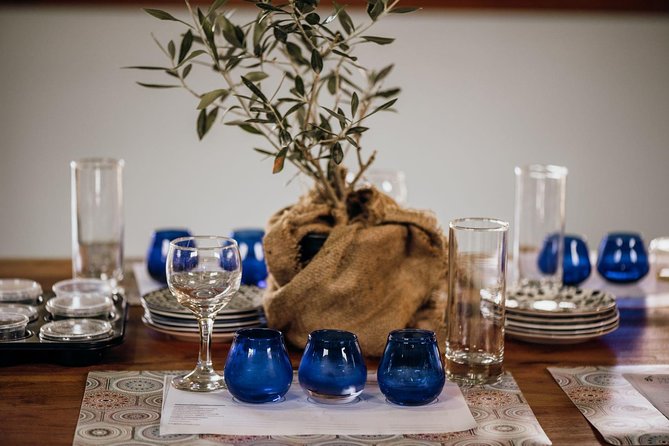
The olive oil workshop is one of the strongest reasons to book this experience. A certified olive oil sommelier leads you through different varieties and explains how to recognize extra virgin olive oil.
You’ll taste three olive oils and work on identifying their aromas and flavors. A good tasting asks you to notice more than whether you like an oil. You may be guided to consider bitterness, peppery character, freshness, and balance. The supplied details do not list the exact oils or harvest dates, so do not expect a fixed set of named bottles every time.
The peppery early-harvest oil has been singled out as especially memorable. That sharp sensation at the back of your throat is not automatically a flaw. It can be a sign of freshness and natural compounds in a young oil. The workshop gives you a way to understand that sensation instead of mistaking it for something wrong.
The food-pairing portion makes the lesson easier to remember. You taste the oils with Greek meze, rather than only from a spoon or with plain bread. Kalamata olives, olive tapenade, feta, Greek Gruyère, salads, and vegetables show how different oils work with familiar foods.
Lunch with kagianas, pies, and local wine
The final meal is not a token sandwich after the tasting. It is a full spread of local dishes, vegetables, wine, and dessert. Expect fresh salads and garden vegetables, tzatziki, feta, Greek Gruyère, Kalamata olives, olive tapenade, and lalagia, which are fried bread sticks served with olive marmalade.
The main dishes include kagianas, a traditional preparation of eggs and tomatoes, along with smoked pork and sausage. You may also receive a local pie made with fresh phyllo dough. Dessert is listed as either halvas or yogurt with fruit.
This menu gives you a broad introduction to the area’s everyday flavors. It is not built around one formal plated dish. Instead, the meal arrives as a generous collection of small plates and family-style specialties, making it easy to try something new without committing to a large portion.
The lunch is also where the olive oil teaching pays off. Different oils can be paired with vegetables, cheese, bread, or other dishes, so you understand how oil functions in Greek cooking. The meal includes local wine and dessert, which makes the $108.84 price easier to assess. You are paying for several hours of guiding, multiple tastings, mill and winery visits, a workshop, and a substantial meal, not just a short tasting flight.
If you have dietary restrictions, the supplied information does not specify substitutions or allergy handling. Ask before booking rather than assuming the menu can be changed.
How personal is the group experience?
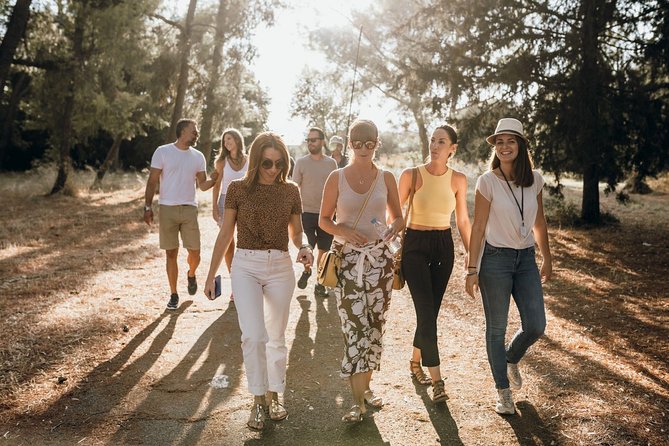
The stated maximum is 16 people, while the highlights describe a group no larger than 12. That is still small enough for questions, but it is not a private tour. The exact number may vary by date.
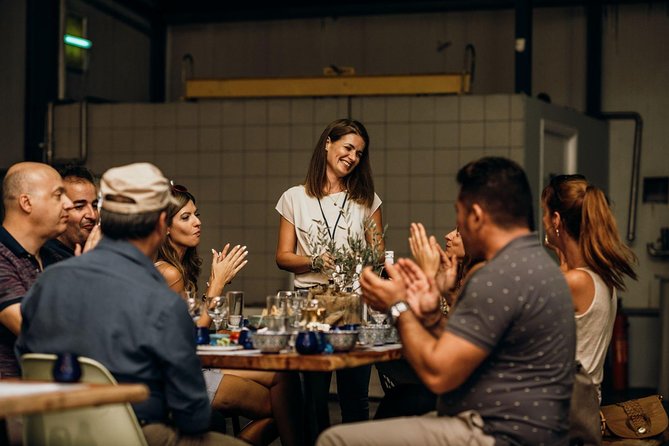
The strongest feature is the hands-on format. You are not simply moving from one stop to another while listening from the back of a crowd. The tastings and food pairings give you something to do, and the guides can explain what is in front of you.
Athanasia and Dimitra have been praised for their energy, humor, and ability to draw people into the subject. That matters on a food tour because oil and wine can become dry topics if the guide only recites production facts. Here, the human side of the region comes through in the stories, questions, and shared meal.
The tour is offered in English. Most people can participate, and service animals are allowed. The experience requires good weather, so keep the forecast in mind if you have a tight travel schedule.
Getting there and fitting it into your day
Hotel transport is not included. You must make your own way to the Androusa meeting point and return from there after the tour. For anyone driving through the Kalamata and Messene area, this is a straightforward format: arrive, park or meet at the listed point, and spend the morning and early afternoon in the village.
For anyone relying on public transport or taxis, the transport question is more important. The tour begins at 10:00 a.m., and late arrival could be difficult because the group moves through several planned stops. Check the route from your accommodation before paying.
The activity lasts about four hours, although the amount of time at each stop can vary. It works well as a half-day plan, leaving room for another activity later. Do not schedule something immediately afterward if you want to linger over lunch or need extra time to get back to Kalamata.
The experience is booked an average of 53 days ahead, which suggests that early planning is sensible during busy periods. Free cancellation is available up to 24 hours before the start time. A cancellation inside that window is not refundable, and weather-related cancellations offer a different date or a full refund.
Who will get the most from this tour?
You should consider booking if you care about food origins, local farming, Greek wine, and learning how to taste rather than simply sampling. It is a particularly good match for couples, friends, and families who enjoy meals as part of their sightseeing.
You do not need to be an olive oil expert or a wine enthusiast. The workshop is designed to explain the basics in an approachable way. The varied menu also makes the tour useful if you want to try several Greek dishes in one sitting.
This is less suitable if you want a fast checklist of Kalamata sights, a private vehicle, or a luxury winery-only visit. The focus is rural food culture, and transport is your responsibility. The castle and mills add local context, but the main event is still the tasting and lunch.
At $108.84 per person, I see solid value if you would otherwise pay separately for a winery visit, an olive oil tasting, and a substantial meal. The price is harder to justify if you are mainly looking for a quick snack and one glass of wine. Here, the value comes from the teaching, the range of stops, the guided pairings, and the generous meal.
Should you book the Kalamata olive oil and wine tour?
Book it if you want to understand why Kalamata’s food culture matters, not just eat a few olives. The visit to the castle, two olive mills, and winery gives the morning a clear story, while the sommelier-led tasting helps you recognize quality for yourself.
I would book early, arrange transport to Androusa, and bring cash if you may want bottles from the winery. If the thought of a shared meal, peppery olive oil, Greek wine, and a few hours in the countryside sounds better than another city tour, this is a strong choice.
FAQ
Where does the tour begin?
The tour begins at Epar.Od. Ellinoklissias-Androusa 26, Androusa 240 13, Greece, near the 13th-century Castle of Androusa.
What time does the tour start?
The scheduled start time is 10:00 a.m.
Where does the tour end?
The activity ends back at the meeting point in Androusa.
Is transportation from my hotel included?
No. Transport from and to your hotel is not included, so you must arrange your own way to the meeting point.
How long does the tour last?
The tour lasts approximately four hours.
How many people can join?
The activity has a maximum of 16 people. The highlights describe the group as no larger than 12, so the size may vary by date.
What food and drinks are included?
The experience includes Greek meze, three olive oil varieties, three wine varieties, a traditional lunch, local wine, and dessert. The menu can include salads, vegetables, tzatziki, cheeses, olives, olive tapenade, kagianas, smoked pork, sausage, local pie, lalagia, and either halvas or yogurt with fruit.
Can I cancel for a full refund?
Yes. You can cancel at least 24 hours before the start time for a full refund. Cancellations or changes made less than 24 hours before the start time are not accepted for a refund. If poor weather cancels the tour, you will be offered another date or a full refund.
New on the Peloponnese shelf
- City Escape: Peloponnese Private Day Trip★ 5.0 · 28 reviews
- Navarino Bay: Sea Kayaking with Lunch★ 4.7 · 31 reviews
- Kardamyli: Sea Kayaking With Lunch★ 4.9 · 69 reviews
- Ancient Sparta & Mystras Private Day Tour from Athens★ 5.0 · 52 reviews
- Canyoning Experience in Neda for Beginners★ 5.0 · 90 reviews
- Rock Climbing at Kardamili- West Mani★ 5.0 · 192 reviews
- Organic Olive Grove tour & Olive oil tasting & lunch in Kalamata!★ 5.0 · 61 reviews
- Sea Kayaking in Navarino Bay★ 5.0 · 210 reviews
Olive Oil Tours, compared.
Knossos-Zeus Cave -Old Traditional Villages-Olive Oil Factory
Read our verdict →
The Governor’s Olive Mill Tour with Olive Oil Tasting
Read our verdict →
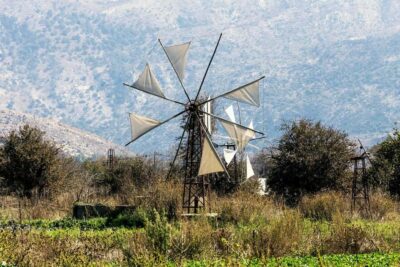
Road-trip to Lasithi Plateau & Olive Mill Farm
Read our verdict →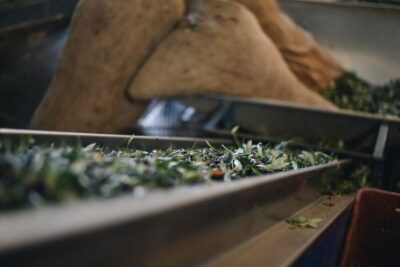
Olive Farm Tour with Tasting of Local Delicacies
Read our verdict →
Zeus Cave, Lassithi Plateau, Olive Oil Factory, Kritza, Pottery
Read our verdict →
Browse the lists this tour appears in