
Review · OLIVE OIL TOURS
Olive oil Mill Visit & Olive oil tasting Experience
The best part of this Androusa experience is the contrast between a 120-year-old traditional olive mill and a modern facility producing extra virgin olive oil today. Add a castle, old olive trees, and a guided tasting with Kalamata olives and homemade foods, and you get a compact lesson in why olive oil matters so much in Messinia.
I like the personal feel of a small group capped at 16 people, and I like that guides such as Athanasia, Dimitra, Calliope, Georgia, and Stavroula bring the subject back to Greek family life and local customs. The main consideration is timing: the tour lasts about 90 minutes, and the machinery may not be running outside the olive harvest season.
Key points at a glance
- Starts at a 13th-century castle: Androusa gives the experience a strong sense of place before the food tasting begins.
- Old and new olive-making side by side: See a traditional mill in a village setting, then learn how a modern mill produces extra virgin oil.
- Practical tasting lesson: An olive oil expert explains aroma, flavor, and the traits that separate extra virgin oil from lesser grades.
- Local food is part of the lesson: Kalamata olives, tapenade, bread, cheese, and vegetables show how the oil works at the table.
- Easy side trip from Kalamata: The meeting point is about 20 minutes from Kalamata and 10 minutes from Ancient Messene.
- Small group, English tour: The group limit is 16, with a tour leader guiding the visit.
Why this short tour works so well in Messinia
Olive oil is not just a bottle on a Greek restaurant table. In Messinia, it is tied to farming, family meals, village work, and local identity. This experience gives you a way to understand that connection without committing to a full-day food program.
The setting helps. Androusa is in the heart of the region, and the meeting point at the castle gives the outing a clear beginning. You are not simply walking into a shop for a sales pitch. You first get a sense of the village and the old olive-growing world around it.
The tour is listed at $54.31 per person. That is fair value if you want more than a tasting flight. Your fee covers a small-group guide, visits to traditional and modern olive facilities, instruction from an olive oil taster, and several local foods. You are paying for context as much as for the oil.
The 90-minute length also makes it easy to fit between Ancient Messene and other stops around Kalamata. I would not book it expecting a full meal or a long farm visit. I would book it as a focused regional experience that makes later Greek meals more interesting.
More Olive Oil Tours in Peloponnese:
- Kalamata- Olive oil & Wine Tour with traditional lunch
★ 5.0 · 117 reviews - Kalamata: The Olive Oil Routes Tour
★ 5.0 · 73 reviews - Organic Olive Grove tour & Olive oil tasting & lunch in Kalamata!
★ 5.0 · 61 reviews
Starting at Androusa Castle and meeting the old olive trees
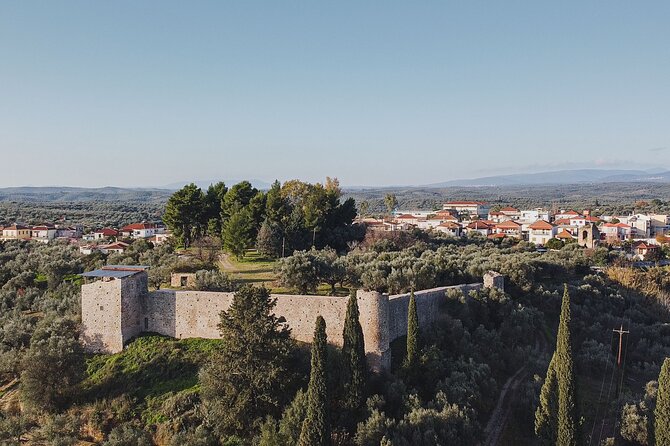
The experience begins at the 13th-century castle of Androusa, reached at Epar.Od. Ellinoklissias-Androusa 29. The location is about a 20-minute drive from Kalamata and roughly 10 minutes from Ancient Messene, so it works best with your own transport or as part of a day exploring the area.
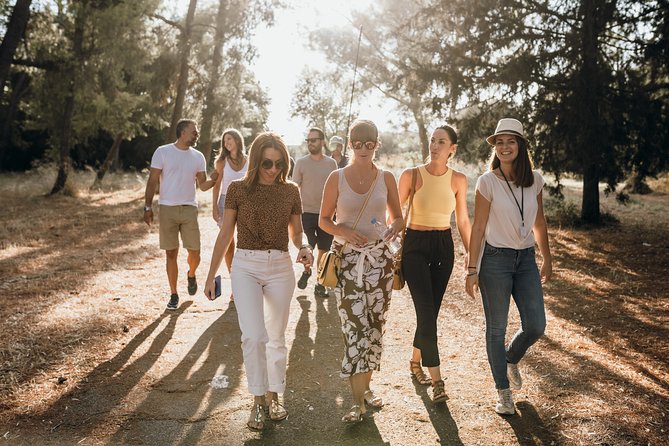
The castle provides an atmospheric start. You hear about local olive varieties, see perennial olive trees, and learn the stories connected with them. This opening matters because it places the oil in its natural setting. Before tasting aromas and flavors indoors, you begin with the trees that make the whole tradition possible.
The exact amount of time spent outdoors can vary with the program and conditions. One related experience includes more extensive walks among olive groves, gardens, fruit, and herbs, but this particular visit should not be confused with that longer option. If walking through plantations is your main goal, check the tour details carefully before booking.
Androusa itself is also useful for understanding scale. This is a village experience, not a large industrial attraction. The old buildings, local trees, and traditional mill help show how olive production grew from household and community work into a modern food industry.
Inside the 120-year-old traditional olive museum
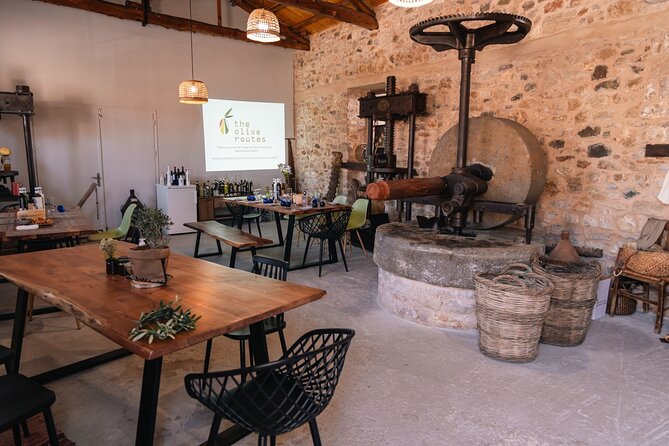
In the center of the village, you visit a traditional olive museum that has been operating in the same village setting for more than 120 years. The point is not simply to admire old equipment. You get a glimpse of the tools and methods that shaped olive production before modern processing plants became common.
This stop gives the modern mill visit more meaning. You can compare the older approach with current methods instead of hearing an isolated explanation of stainless steel tanks and production lines. For many people, that contrast will be the most memorable part of the tour.
The traditional setting also gives the guides room to explain the connection between olive oil and Greek households. The best explanations on this tour appear to focus on ordinary life: how olives are grown, how families use oil, and why the crop has such a strong place in Messinian culture.
The museum is not presented as a huge formal institution. Expect a compact, hands-on cultural stop rather than a museum that takes half a day. That is a good fit for the tour’s short format, but visitors wanting a long historical presentation may find it brief.
Seeing how a modern mill makes extra virgin oil
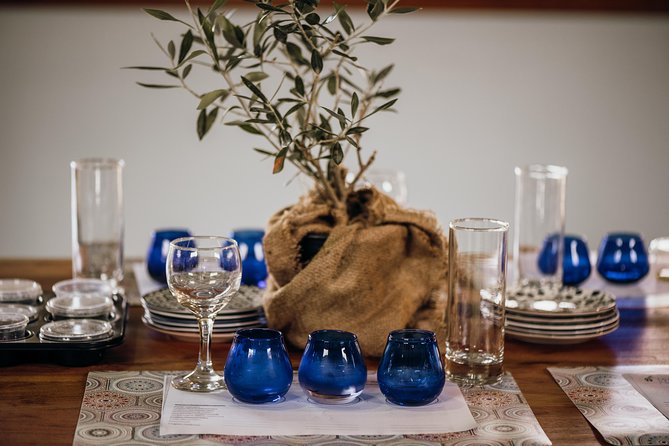
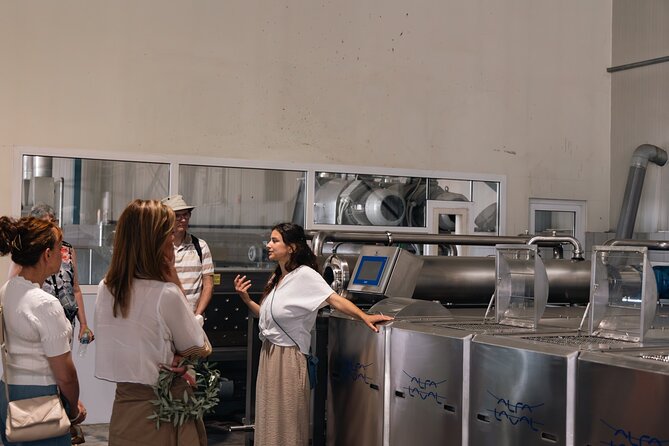
Next comes a modern olive oil mill, where you learn how olives become oil and what makes a product qualify as extra virgin. This is the technical heart of the experience.
The guide can explain the path from harvested olive to finished oil, along with the factors that affect quality. The tasting later gives you a chance to connect that information with your senses. You are not only told that extra virgin oil is different. You are shown how to notice the difference.
One useful point to keep in mind is seasonality. The equipment may not be operating when you visit. Olive processing happens at a particular time of year, and a tour outside that period may show you the mill without a live production run. A relaxed experience included a wish to see the machines working, with the understanding that this depends on the season.
That is not a reason to reject the tour, but it is a reason to set your expectations correctly. You will learn about production and see the modern facility, but you should not assume that every machine will be running on your date.
More Food Tours in Peloponnese:
- Greek Food Walking Tour in Athens
★ 5.0 · 4,740 reviews - Athens: Street Food Tasting Tour
★ 4.9 · 2,557 reviews - Small Group Greek Traditional Food Tour in Athens 20+ Tastings
★ 5.0 · 1,759 reviews - Tour and Wine Tasting in Mykonian Land
★ 5.0 · 1,357 reviews
Learning to taste olive oil properly
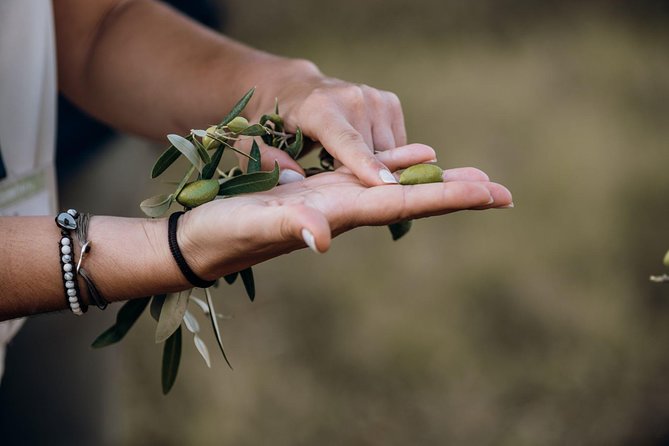
The tasting workshop is where the visit becomes useful back home. An olive oil expert leads you through several varieties and explains their organoleptic traits, meaning the qualities you can detect through smell, taste, and mouthfeel.
You learn to look for the elements that define extra virgin olive oil. The session is designed to move beyond the vague idea that one oil simply tastes better than another. You may notice differences in fruitiness, bitterness, and a peppery finish, though the exact oils served can vary.
The tasting is also a good correction to the way many people sample oil in restaurants. A small taste on bread can be enjoyable, but it does not always help you identify what you are sensing. A guided session gives you a method for comparing oils and paying attention to their aroma and finish.
The strongest praise for the experience focuses on this combination of clear teaching and warm presentation. Athanasia is singled out for her engaging approach, while Dimitra, Calliope, Georgia, and Stavroula are also associated with the friendly, personal style of the program. The names matter because the visit feels led by people who care about the subject, not by a detached script.
The group limit of 16 keeps the workshop manageable. It is large enough to create a little energy, but small enough for questions and conversation. If you prefer a private tasting or a very quiet lesson, you should ask about group arrangements before booking.
Pairing Kalamata olives, tapenade, bread, cheese, and vegetables
The tasting does not stop with tiny sips of oil. Local products are paired with the oils, including Kalamata olives, olive tapenades, bread, cheese, and vegetables.
This is one of the most useful parts for anyone who enjoys cooking. You get to see how a peppery oil behaves with bread, how a milder oil works with vegetables, and how tapenade changes the experience. The food turns the tasting from a technical exercise into something you can repeat at your own table.
Kalamata olives deserve special attention. They are among the foods most closely linked with the region, and tasting them in the place where they are grown gives the meal a stronger sense of connection. The tapenades also add texture and salt, making it easier to understand why olive oil is used as both an ingredient and a finishing touch.
The included food is described as small bites, not lunch. One account of a related or expanded program includes a full homemade meal, but you should not count on a full-course lunch with this 90-minute experience. If you need a substantial meal afterward, plan one separately.
You can also buy the products tasted during the visit. That is convenient if you find an oil you like, though I would still suggest taking notes about each one before choosing a bottle. The tasting lesson is most valuable when you use it to make a considered choice rather than simply buying the first attractive label.
What the price includes, and what it does not

At $54.31, the price is reasonable for a guided cultural and food experience near Kalamata. You receive a tour leader, visits to both traditional and modern olive facilities, an expert-led tasting, and local pairings. In a small group, that can be better value than paying for a simple retail tasting with little explanation.
The price does not include an air-conditioned vehicle. You need to reach Androusa yourself, and the activity ends at the same meeting point. This matters if you are staying in Kalamata without a car. The location is close by, but the tour does not provide a transfer service.
Lunch is also not included. The bread, cheese, vegetables, olives, and tapenade should be treated as tasting portions. Build in time for a separate meal if you are making this part of a longer day.
The mobile ticket is practical, and confirmation normally arrives at booking. If you reserve within one day of the visit, confirmation comes as soon as possible and depends on availability. The activity is offered in English.
Who will get the most from the Androusa visit
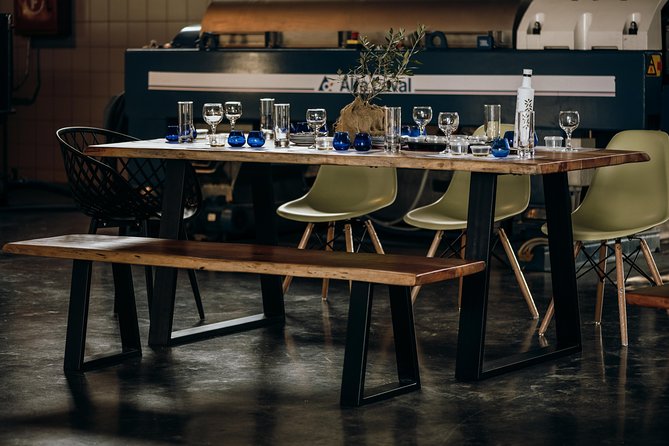
I would recommend this for food lovers, curious first-time visitors to the Peloponnese, and anyone driving between Kalamata and Ancient Messene. It is especially useful if you want a local activity that does not consume an entire day.
The tour also suits couples and families who prefer a relaxed pace. Most people can participate, and service animals are allowed. The castle, old mill, and tasting offer enough variety that the outing does not feel like a single-topic lecture.
It is less suited to you if you want an active farm walk, a full cooking class, a full lunch, or a guaranteed live production run. Those interests may point you toward a different program from The Olive Routes, including the separate option that covers olive groves, gardens, fruit, and herbs.
The weather requirement is worth noting. If poor weather forces a cancellation, you are offered another date or a full refund. Otherwise, you can cancel for a full refund up to 24 hours before the start time. Changes or cancellations within 24 hours are not accepted for a refund.
Practical tips for planning your visit
Schedule the tour alongside Ancient Messene if possible. The meeting point is only about 10 minutes from the archaeological site, making the pairing efficient without requiring a long detour.
Allow time to reach the meeting point in Androusa. The tour does not include transportation, and the activity returns to the starting location. If you are driving from Kalamata, the stated journey is about 20 minutes, but leave extra time for finding the exact address.
Wear comfortable clothing for the outdoor portion at the castle and olive trees. The program is short, but it is not only an indoor tasting. You may move between historic village spaces, outdoor areas, and the mill.
Ask about the harvest schedule if seeing active machinery is important to you. The modern mill can explain the process at any time, but the equipment may not be operating outside the production season.
Bring room in your luggage for olive oil and local products. The tasting makes it easier to choose something you actually enjoy, and the products tasted can be purchased directly at the site.
Should you book the Olive Oil Mill Visit and Tasting?
Book it if you want a compact, personal introduction to Messinia’s olive culture, especially if you will already be near Kalamata or Ancient Messene. The strongest reasons are the old and new mill comparison, the expert tasting, and the chance to try Kalamata olives and local foods in their home region.
Skip it if you are mainly looking for a full meal, a long olive-grove walk, or machinery in full operation. For everyone else, $54.31 buys more than a snack and a few samples. It gives you useful tasting skills, a look at local traditions, and a better understanding of what is in the bottle when you order Greek olive oil.
FAQ
Where does the olive oil tour begin?
The tour begins at Epar.Od. Ellinoklissias-Androusa 29 in Androusa, Greece, at the 13th-century castle of Androusa. It ends back at the same meeting point.
How long does the experience last?
The visit lasts approximately 1 hour and 30 minutes.
Is transportation included?
No. An air-conditioned vehicle is not included, so you must arrange your own transportation to and from Androusa.
Is lunch included?
No. The experience includes small bites such as bread, cheese, vegetables, Kalamata olives, and olive tapenades, but lunch is not included.
Is the tour offered in English?
Yes. The experience is offered in English.
What is the cancellation policy?
You can cancel up to 24 hours before the start time for a full refund. Cancellations or changes made less than 24 hours before the experience are not accepted for a refund. If poor weather causes the activity to be canceled, you will be offered another date or a full refund.
New on the Peloponnese shelf
- City Escape: Peloponnese Private Day Trip★ 5.0 · 28 reviews
- Navarino Bay: Sea Kayaking with Lunch★ 4.7 · 31 reviews
- Ancient Sparta & Mystras Private Day Tour from Athens★ 5.0 · 52 reviews
- Canyoning Experience in Neda for Beginners★ 5.0 · 90 reviews
- Rock Climbing at Kardamili- West Mani★ 5.0 · 192 reviews
- Organic Olive Grove tour & Olive oil tasting & lunch in Kalamata!★ 5.0 · 61 reviews
- Sea Kayaking in Navarino Bay★ 5.0 · 210 reviews
- Canyoning and Zipline in Polylimnio Waterfalls★ 5.0 · 39 reviews
Olive Oil Tours, compared.
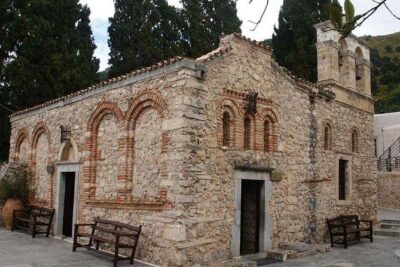
Knossos-Zeus Cave -Old Traditional Villages-Olive Oil Factory
Read our verdict →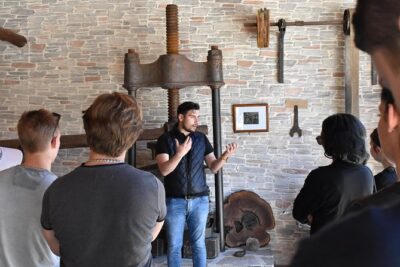
The Governor’s Olive Mill Tour with Olive Oil Tasting
Read our verdict →
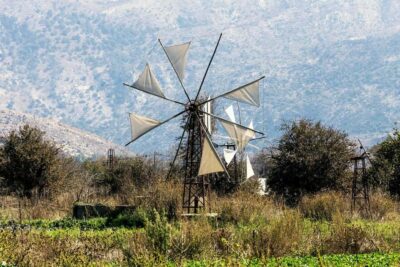
Road-trip to Lasithi Plateau & Olive Mill Farm
Read our verdict →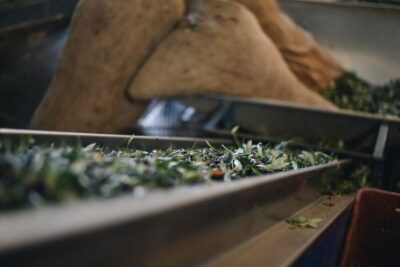
Olive Farm Tour with Tasting of Local Delicacies
Read our verdict →
Zeus Cave, Lassithi Plateau, Olive Oil Factory, Kritza, Pottery
Read our verdict →
Browse the lists this tour appears in