
Review · OLIVE OIL TOURS
Organic Olive Grove tour & Olive oil tasting & lunch in Kalamata!
Kalamata’s olive oil story becomes much clearer when you follow it from tree to bottle. With Maria as your guide, you walk through a traditional organic grove, visit a certified mill about ten minutes from the city, and finish with four Greek extra virgin oils at one of Kalamata’s oldest olive oil shops. I especially like the ancient olive trees, some said to be about 800 years old, and the tasting lesson that helps you notice aroma, flavor, and quality instead of simply pouring oil over everything.
I also like the private format. Your group gets the guide’s attention, and Maria has a gift for keeping children and teenagers involved. The main thing to plan carefully is transportation: the grove and mill are outside central Kalamata, so you need your own vehicle or a taxi arranged at extra cost. Lunch is also optional and costs more.
Key points to know before booking
- Ancient trees near Kalamata: Walk among olive trees of different ages and shapes, including specimens described as roughly 800 years old.
- Three useful stages: See the grove, follow production at a certified mill, then learn to taste oil at a historic city shop.
- Four oils to compare: A professional taster explains Greek varieties such as Koroneiki and shows you how their aromas and flavors differ.
- Private and family-friendly: Only your group participates, and Maria makes a point of involving younger children and teens.
- Lunch is optional: Add Greek pies, cheese, vegetarian dishes, split-pea balls, seasonal foods, and local wine or drinks for an added fee.
- Season affects the mill visit: Grove walks and tastings run all year, but mill visits from November through February depend on harvest activity and availability.
Why this is a good way to meet Kalamata
Kalamata is famous for more than its dark table olives. The surrounding region is closely tied to olive farming, and the oil on your plate is the result of choices made long before harvest: tree variety, growing methods, picking time, handling, extraction, and storage.
This experience gives you a practical route through that chain. You do not simply sample a few oils in a shop and hear a short sales pitch. You begin outside among working trees, see the machinery used to process olives, and then sit down for a guided tasting. That order matters. By the time you reach the shop, you have a better sense of what the oil came from and how quickly the fruit must be handled.
I would allow about three hours for the core activity. It is offered in the morning or afternoon, including a 5:30 p.m. start. The tour begins at the Kalamata Port Authority on Mpoumpoulinas 4, but transportation is needed for the grove and mill. Confirm the exact meeting and finishing arrangements before the day begins, since the information says both that the activity ends at the olive oil shop and that it returns to the meeting point.
The price is $144.82 per person. That is a serious amount for a three-hour food experience, but it includes a private tour, a local host, the grove and mill visits, four oil tastings, Greek snacks, water, a professional olive oil taster, and taxes. It makes the most sense for people who want a focused cultural experience rather than a quick tasting stop. If you add lunch, the final price rises, so ask in advance what light or full lunch will cost.
More Olive Oil Tours in Peloponnese:
- Kalamata- Olive oil & Wine Tour with traditional lunch
★ 5.0 · 117 reviews - Olive oil Mill Visit & Olive oil tasting Experience
★ 5.0 · 77 reviews - Kalamata: The Olive Oil Routes Tour
★ 5.0 · 73 reviews
Walking through the organic olive grove
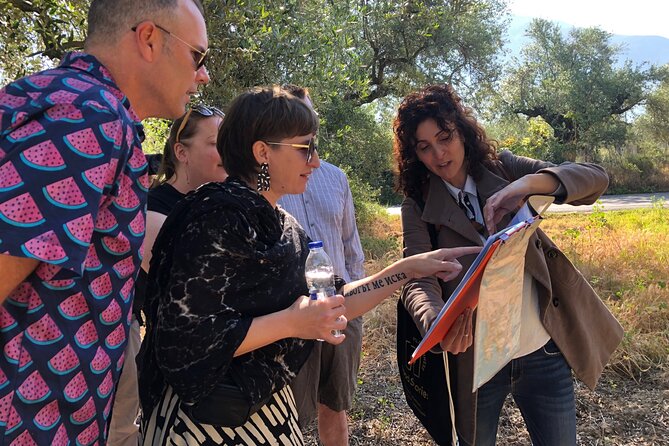
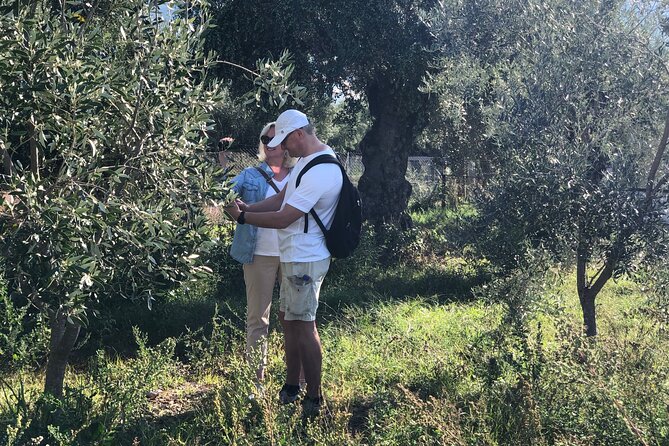
The first stop is a traditional organic grove roughly ten minutes from Kalamata. The walk is meant to be relaxed, not strenuous, but you will spend time outdoors, so comfortable shoes, sun protection, and a hat are sensible.
Maria explains how olive trees grow, how different varieties look, and why trees can take on such unusual shapes as they age. You may see young trees beside thick, weathered trunks. The most memorable trees are the ancient ones, with some described as about 800 years old. That detail gives the grove a sense of time that a short city tasting cannot provide.
The grove visit also helps you understand that olive oil is not a single flavor. Different varieties produce different aromas and tastes, and the condition of the fruit at harvest affects the final oil. The Koroneiki olive, a key Greek variety discussed during the experience, is especially useful as a reference point for the later tasting.
I like this part because it slows the tour down. You get to look at the trees before hearing about extraction machinery and tasting standards. Families may find it more engaging than a lecture indoors, though small children should be prepared for an outdoor walk rather than a playground-style activity.
The grove is available throughout the year, Monday through Sunday, in the morning or afternoon. The appearance of the trees changes with the season. A past autumn visit included green young olives, while harvesting had already begun in parts of Greece. If you hope to see active harvest work, ask what is happening locally when you book. The tour operates year-round, but the seasonal details will vary.
Seeing how olives become oil at the certified mill
The mill is very close to the grove, but you need transportation between Kalamata and the rural stops. You can drive yourself, or the provider can arrange taxi services with partners for an additional charge. This is the most important practical detail to settle before arrival.
At the certified olive oil mill, you learn about the process from grove to bottle. The visit covers the machinery used today, the extraction process, and the steps that turn harvested olives into oil. You also hear about older methods, harvest timing, and the costs local farmers consider when deciding when to pick.
That context gives the tasting more meaning. You can connect the fresh fruit on the tree with the mill’s handling and extraction work. You also gain a better sense of why two oils made from olives in the same region can taste different.
Mill access is easiest from March through October, when visits are listed as available daily. From November through February, the visit depends on coordination and availability because this is the olive harvesting period. That limitation is understandable, but it means you should not assume the mill stop is guaranteed during winter. Confirm the date-specific plan when booking.
There is also a small practical concern here: a working mill is not presented as a museum with a fixed display. The visit depends on the facility and season. That can make the experience more authentic, but the exact activity and machinery in operation may vary.
Learning to taste four Greek extra virgin oils
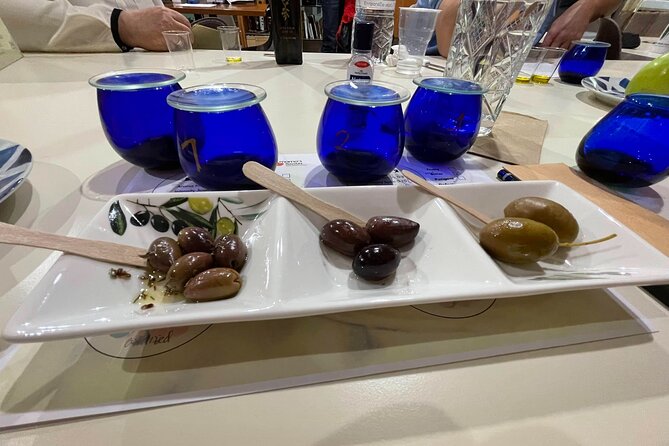
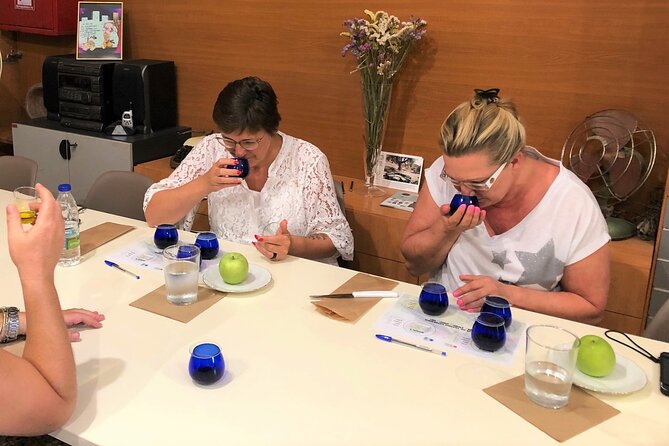
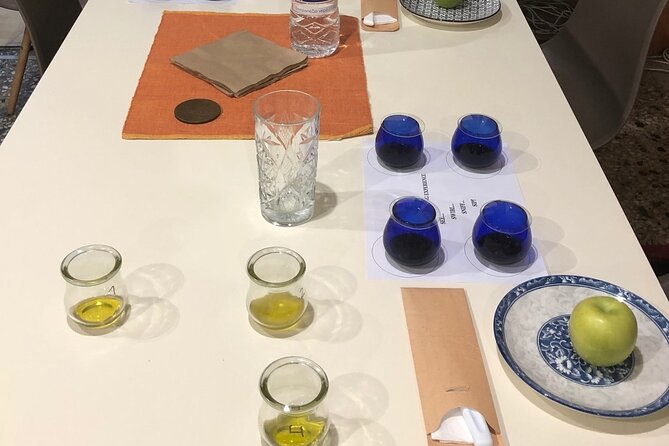
After the grove and mill, you go to one of the oldest olive oil shops in Kalamata’s historic center. Here, a professional olive oil taster leads the tasting of four Greek extra virgin olive oils.
This is more useful than simply being handed four samples. You learn to compare their key aromas, flavors, characteristics, and possible health benefits. The aim is to help you identify what you like and understand how an extra virgin oil should smell and taste.
The tasting can change how you shop later. Instead of choosing a bottle only by its label or price, you can pay attention to freshness, aroma, balance, and the oil’s intended use. The session also covers which type of Greek extra virgin oil may suit particular foods. That is a practical takeaway for anyone who cooks at home.
Greek olive oils can show different strengths and styles, so tasting them side by side is worthwhile. A mild oil may work well when you want other ingredients to lead, while a more forceful oil may be better when you want the olive flavor to be obvious. The exact oils served can change, but four varieties are included.
The shop setting also gives the final stop a local feel. You are not finishing at a large attraction with a fixed script. You are learning in an established olive oil shop, with a specialist focused on tasting rather than simply selling bottles.
Personal purchases are optional. If you find an oil you like, you can buy it, but you are not required to make a purchase. The activity ends at the shop according to the provider’s note, so ask where you will be collected or how you will return to the original meeting point.
More Food Tours in Peloponnese:
- Greek Food Walking Tour in Athens
★ 5.0 · 4,740 reviews - Athens: Street Food Tasting Tour
★ 4.9 · 2,557 reviews - Small Group Greek Traditional Food Tour in Athens 20+ Tastings
★ 5.0 · 1,759 reviews - Tour and Wine Tasting in Mykonian Land
★ 5.0 · 1,357 reviews
Adding a Greek lunch after the tasting
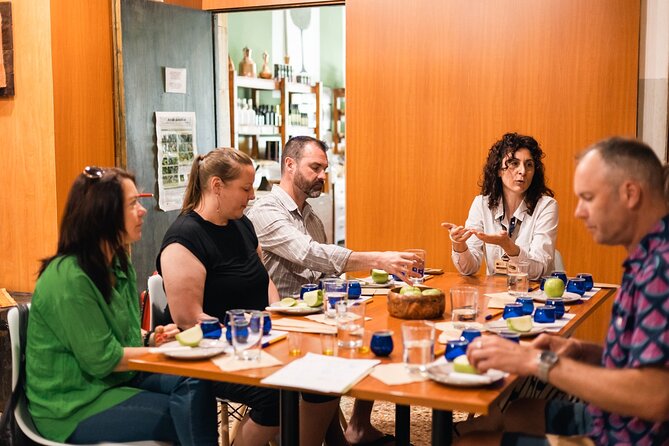
Lunch is not part of the base price, but it can be requested as a light or full meal. The food may include Greek pies, cheese, vegetarian dishes, split-pea balls, or other seasonal local foods. Local wine or other drinks can be added with lunch.
I can see the appeal. After an outdoor walk, a mill visit, and a tasting, a shared meal gives the experience a more social finish. It also lets you use the olive oil in the way it is meant to be enjoyed, with simple local foods rather than only from a tasting cup.
Do not assume lunch is included because some descriptions present it as an upgrade. The included items are Greek snacks and a bottle of water. Ask for the lunch price and menu details when you arrange it, especially if you have food allergies or follow a vegetarian, vegan, pescatarian, or flexitarian diet.
The provider asks you to report dietary needs and allergies in advance, including allergies to bees. That is a useful precaution for a rural outdoor visit and a meal built around seasonal products.
What makes Maria’s guiding style valuable
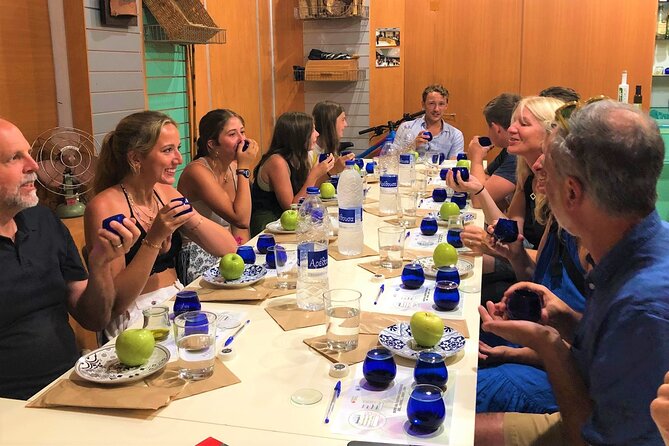
Maria is the named guide connected with the experience, and her role goes beyond moving you between stops. She explains olive farming, older and newer production methods, Greek food culture, and the reasons behind the tasting process.
Her approach appears especially well suited to families. She has kept younger children and teenagers involved during the grove, mill, and tasting portions. That does not mean every child will enjoy a three-hour food lesson, but the private format gives her room to adjust the pace and answer questions.
The experience may also include Kelly during the food portion or hosting arrangements. The central tasting is led by a professional olive oil taster, which adds a useful layer of expertise. You get the warmth of a local host and the technical guidance of someone trained to assess oil.
The strongest part of the format is the combination of personal attention and subject knowledge. You can ask about farming costs, harvesting, varieties, food pairings, or the difference between traditional and modern processing. With only your group present, those questions do not need to wait behind a large crowd.
Price, timing, and transport in plain terms
At $144.82 per person, this is not a bargain activity. It is priced as a private, specialist experience with several separate elements, not as a basic group tasting.
The value improves if you care about olive oil, food traditions, or local agriculture. You receive transportation guidance, a host throughout the experience, a grove walk, a certified mill visit when available, four tastings, snacks, water, and a trained taster. For a family or small group that wants an activity built around one important part of Kalamata’s identity, the format can justify the cost.
The value is weaker if you only want a quick taste of local oil. Kalamata has shops and restaurants where you can sample olive oil more cheaply. This tour earns its price through the farm-to-bottle explanation and private attention.
Plan for these points:
- The core experience lasts about three hours.
- Morning and afternoon departures are offered, including 5:30 p.m.
- Transportation to the grove and mill is necessary.
- A private vehicle is not included.
- Taxi arrangements are available for an extra charge.
- The mill is more certain from March through October.
- Winter mill visits require advance coordination.
- The activity is not offered on Holy Friday, through Easter Tuesday, or on Greek official holidays.
- Poor weather can lead to a new date or a full refund.
- The standard cancellation terms are strict: a cancellation or amendment normally receives no refund.
The experience is offered in English. It is family-friendly, and most people can participate, but you should be comfortable spending time outdoors and walking through a grove.
Who should book this Kalamata olive tour
I would recommend it to anyone who wants to understand why olive oil matters here, not just buy a bottle as a souvenir. Food-focused visitors, home cooks, families, and people curious about farming will get the most from the full sequence.
It is also a strong choice if you prefer a private activity. The guide can respond to your questions, adjust attention for children, and give you time at the tasting rather than rushing a large group through samples.
I would think twice if you dislike rural walks, have very little time, or do not want to arrange transportation. The tour is not a city-center stroll. The extra taxi cost, optional lunch, and winter uncertainty at the mill are all worth considering before you pay.
Should you book it?
Book this experience if you want a personal lesson in Kalamata’s olive culture, especially one that connects ancient trees, modern processing, and careful tasting. The four-oil comparison is the part most likely to change how you shop and eat after the tour.
Book it with lunch if you want a longer food-centered outing and enjoy simple Greek dishes shared at a local taverna-style setting. Skip lunch if you need to control the budget or already have a meal planned.
Before confirming, ask about transportation, the exact end point, mill availability for your date, and the added lunch cost. With those details settled, this is a thoughtful, hands-on way to understand what Kalamata’s famous olive oil really involves.
FAQ
How long does the olive grove and olive oil experience last?
The core activity lasts approximately three hours.
Where does the experience begin?
It begins at the Kalamata Port Authority, Mpoumpoulinas 4, Kalamata 241 00, Greece.
Is transportation included?
No. Transportation is needed to reach the grove and mill, which are about ten minutes from Kalamata city center. You can use your own vehicle, or taxi services can be arranged at an additional cost.
What is included in the price?
The experience includes a guided olive grove visit, a visit to a certified olive oil mill when available, tasting of four Greek extra virgin olive oils, Greek local snacks, bottled water, a local host-certified tour leader, a professional olive oil taster, and taxes.
Is lunch included?
No. A light or full lunch can be requested for an additional charge. Options may include Greek pies, cheese, vegetarian dishes, split-pea balls, and other seasonal local foods.
When is the olive oil mill open for visits?
Mill visits are available from March through October, Monday through Sunday. From November through February, visits require coordination and depend on availability during the olive harvest period.
Is the tour available all year?
The organic grove visit and olive oil tasting are available throughout the year, Monday through Sunday, in the morning or afternoon. Certain Greek holidays, Holy Friday, and Easter Tuesday are excluded.
Is the experience private?
Yes. Only your group participates in the private tour.
What should I wear or tell the provider before arriving?
Wear comfortable shoes and a hat because you will spend time outdoors. Tell the provider about dietary needs and allergies, including food or bee allergies.
New on the Peloponnese shelf
- City Escape: Peloponnese Private Day Trip★ 5.0 · 28 reviews
- Navarino Bay: Sea Kayaking with Lunch★ 4.7 · 31 reviews
- Rock Climbing at Kardamili- West Mani★ 5.0 · 192 reviews
- Sea Kayaking in Navarino Bay★ 5.0 · 210 reviews
- Olive oil Mill Visit & Olive oil tasting Experience★ 5.0 · 77 reviews
- Canyoning and Zipline in Polylimnio Waterfalls★ 5.0 · 39 reviews
- Sea Kayaking in Kalamata★ 5.0 · 178 reviews
- Kalamata- Olive oil & Wine Tour with traditional lunch★ 5.0 · 117 reviews
Olive Oil Tours, compared.
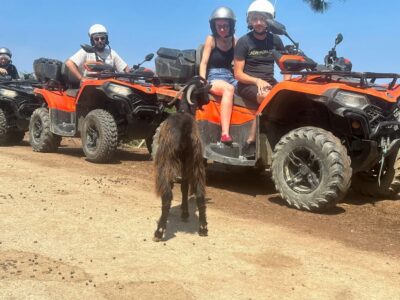
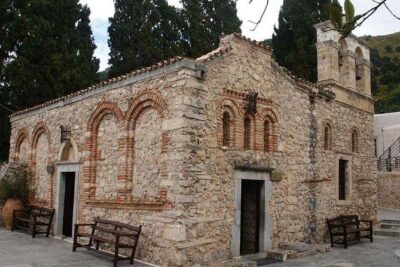
Knossos-Zeus Cave -Old Traditional Villages-Olive Oil Factory
Read our verdict →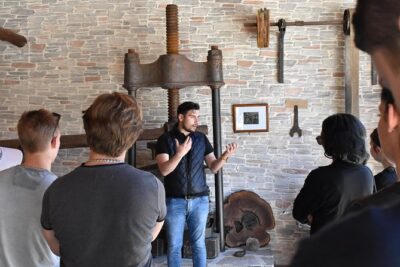
The Governor’s Olive Mill Tour with Olive Oil Tasting
Read our verdict →
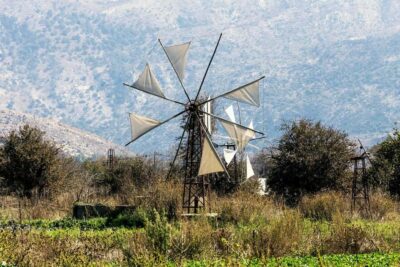
Road-trip to Lasithi Plateau & Olive Mill Farm
Read our verdict →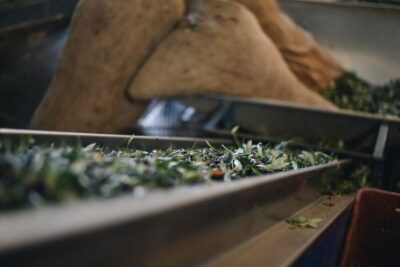
Olive Farm Tour with Tasting of Local Delicacies
Read our verdict →
Zeus Cave, Lassithi Plateau, Olive Oil Factory, Kritza, Pottery
Read our verdict →
Browse the lists this tour appears in