
Review · FOOD & DRINK
Athens Gourmet Food Small Group Walking Tour
Athens is easiest to understand with a fork in your hand. This four-hour walk moves from Monastiraki’s meeting point through spice shops, market stalls, cafés, tavernas, and Psirri, mixing everyday Greek food with a few more polished tastings. You may try Greek coffee brewed on hot sand, meze, pies, souvlaki, sweets, honey, wine, and olive oil in one generous morning or afternoon.
I like the small group size, capped at 15, because guides such as Adele, Katarina, Nicoletta, Irene, and Panos can keep the pace personal. I also like the route’s range: you see fish and meat counters at Varvakeios Market, then stop for food in less obvious places around Evripidou and Psirri.
The main caution is simple: this is a lot of food and a fair amount of walking. The word gourmet may suggest a refined restaurant crawl, but much of the experience feels like an abundant Greek street-food and market tour, with the olive oil and vinegar tasting as the more polished finale.
Key points to know before booking
- Come very hungry: Tastings can add up to a full meal, and several people needed to take food away.
- Expect Greek staples and market foods: Meze, souvlaki, pies, sweets, coffee, honey, wine, yoghurt, spices, and olive oil all appear.
- The route covers central Athens on foot: Monastiraki, Aiolou, Agia Irini, Evripidou, Varvakeios Market, Platia Theatrou, and Psirri.
- Small groups make the guide matter: Groups are limited to 15, with many departures led by guides including Adele, Katarina, Nicoletta, Irene, and Panos.
- Vegetarians are welcome: Tell the guide about allergies before the food starts.
- The $87.11 price can be good value: You receive four hours of guiding, many tastings, and a full introduction to central Athens in one outing.
Why this food walk works well early in your Athens stay
I would put this tour near the beginning of a visit. It gives you a working vocabulary for Greek food before you start ordering on your own, and it points out streets and small shops you might otherwise pass without noticing.
The route also gives you a quick orientation to central Athens. You begin and end at Monastiraki Square, close to public transportation, so you do not need a hotel transfer or complicated taxi arrangement. The meeting point is at Platia Monastirakiou 2, beside the entrance of the small church. Look for the guide holding an Athens Walks The Food Tour sign.
At $87.11 per person, the price is not cheap for a walking tour. The value depends on how much you eat, and this tour serves a great deal. It includes coffee or tea, wine, yoghurt, aged vinegars, honey, olive oil, traditional pies, souvlaki gyros, desserts, and meze plates. You are paying for food as well as the guide, route planning, explanations, and access to stops that can be hard to identify on your own.
The tour is also limited to 15 people. Some groups have been as small as eight, which makes it easier to hear the guide, ask questions, and stay together on busy streets. It is worth remembering that guides vary, but the strongest experiences have come from guides such as Adele, Katarina, Nicoletta, Irene, Alexandra, Anabelia, and Panos, all described as friendly, clear, and enthusiastic about Greek food.
More Food Tours in Athens
- Greek Food Walking Tour in Athens
★ 5.0 · 4,740 reviews - Athens: Street Food Tasting Tour
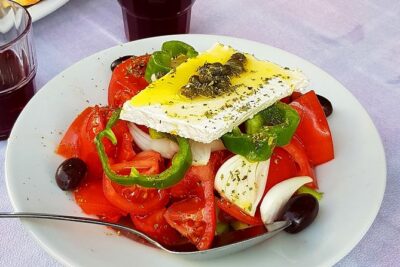
★ 4.9 · 2,557 reviews - Small Group Greek Traditional Food Tour in Athens 20+ Tastings
★ 5.0 · 1,759 reviews
Monastiraki Square starts the tasting trail
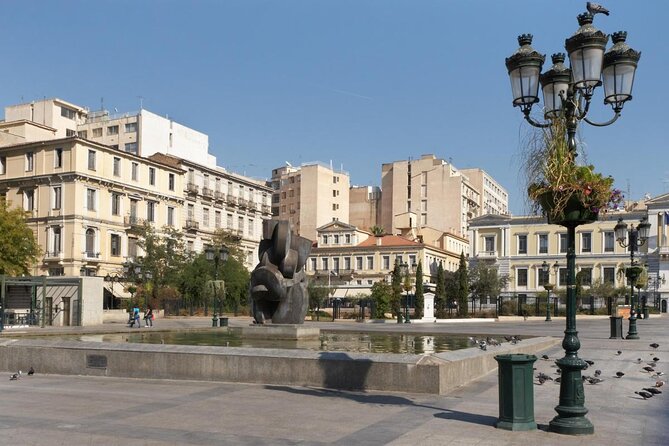
The first stop is mainly a meeting point, but Monastiraki is a useful place to begin. You are in one of central Athens’ best-known squares, with the Acropolis area nearby and a steady flow of pedestrians around the church and metro station.
Do not eat breakfast before arriving. That advice is not a gimmick. The tastings build steadily, and the food can amount to a full lunch. Some people have been unable to finish the final souvlaki and were given takeaway food instead.
The guide normally begins by introducing the group and explaining what lies ahead. This is a good time to mention food allergies, dietary restrictions, or concerns about alcohol. Vegetarians are welcome, but the information provided does not promise that every tasting will have a vegetarian substitute, so speak up before the first stop.
Aiolou Street brings daily Athens into view
From Monastiraki, the group walks along pedestrian Aiolou Street, named for Aiolos, the Greek god of winds. This part of the route helps you see how food fits into ordinary city life, rather than treating Greek cuisine as a list of famous dishes.
The walk is mostly flat, but the pavement can be uneven. The pace may feel brisk, particularly in summer heat or if you have mobility concerns. Comfortable shoes and water are sensible choices. Panos, one of the guides, has been especially attentive to hydration in hot weather, but you should still bring a bottle if you need regular drinks.
The food stops are the point, but the walking matters too. You are not simply seated in one restaurant for four hours. You move through different parts of Athens and see how cafés, food shops, markets, and small restaurants connect.
Agia Irini adds cafés, church history, and a pause
The route continues toward Agia Irini Church and the square around it. The area is lined with cafés, giving you a look at a popular local meeting place and a change of pace from the narrower shopping streets.
This is where a good guide can add real value. Guides such as Irene and Nicoletta have been praised for storytelling, local memories, and explanations that connect a dish to Greek habits. The exact commentary varies by guide, but the tour is designed to explain what you are eating rather than simply hand you a plate.
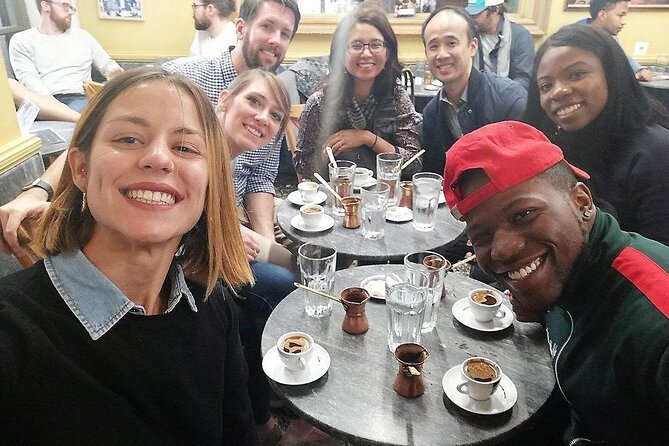
You may encounter Greek coffee during the food walk, including coffee brewed on a sand table. It is a distinctive preparation and a useful introduction to the slower side of Greek café culture. If you normally take coffee with milk or sugar, ask the guide how locals traditionally drink it before changing the order.
More Walking Tours in Athens
- Athens: Acropolis and Parthenon Guided Walking Tour
★ 4.6 · 5,882 reviews - Acropolis: Acropolis and Parthenon Guided Walking Tour
★ 4.7 · 3,442 reviews - Acropolis monuments & Parthenon Walking Tour with Optional Acropolis Museum
★ 5.0 · 2,678 reviews - Athens Acropolis and Parthenon Walking Tour
★ 4.5 · 1,355 reviews
Evripidou Street is the fragrant heart of the route
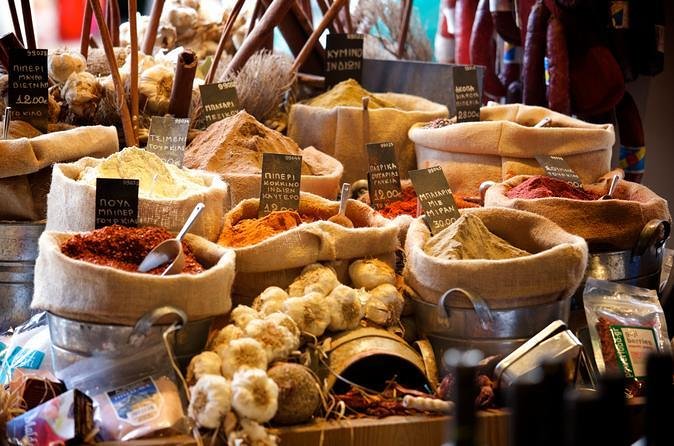
Evripidou is one of the most interesting sections for anyone who likes ingredients. The street is known for deli goods, herbs, spices, nuts, and other foods sold for home cooking. The smells change from shop to shop, and the displays give you a practical look at the building blocks of Greek meals.
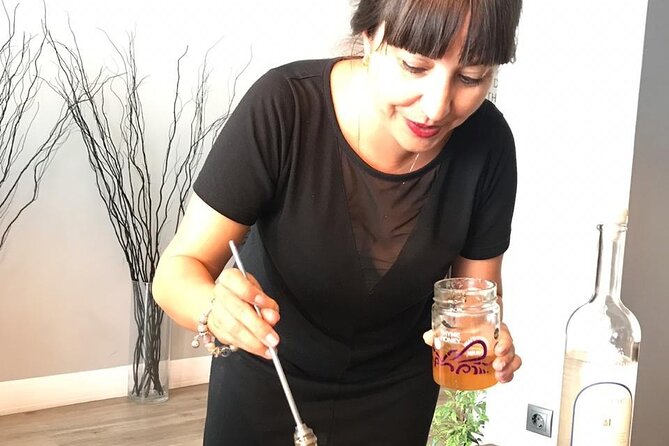
This stop is less about one grand dish and more about learning what to notice later. You may see products such as honey, olive oil, vinegar, herbs, and other pantry staples. The guide can explain how they are used, which helps you shop with more confidence during the rest of your stay.
There is also time to browse and buy. One caution comes from the tour’s pacing: keep an eye on the group. One participant was separated after stopping to look at nuts, then missed the final hour. That is an unusual but avoidable problem in a small group. If you step aside, tell the guide or another member of the group before the walk continues.
Varvakeios Market shows Athens at work
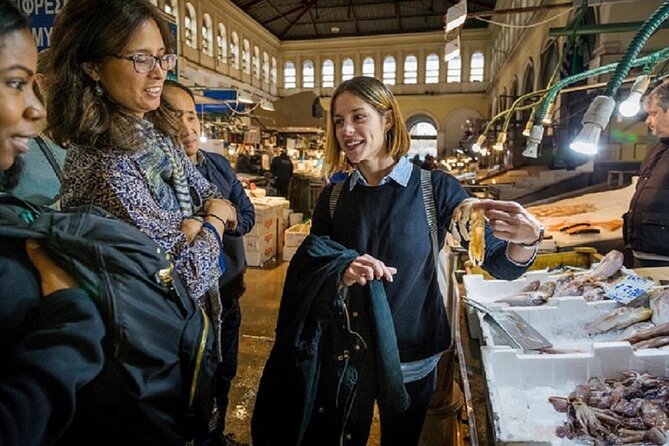
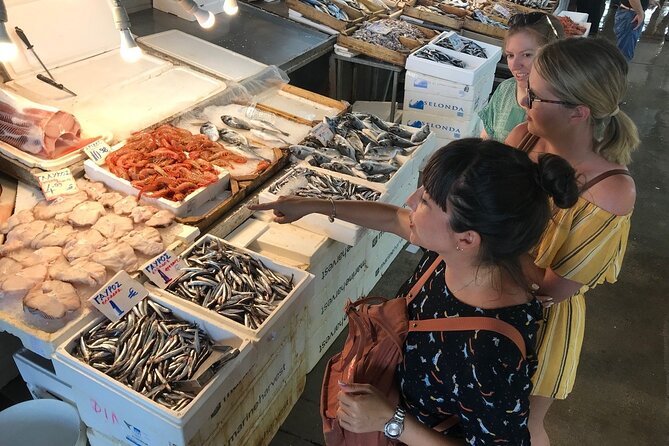
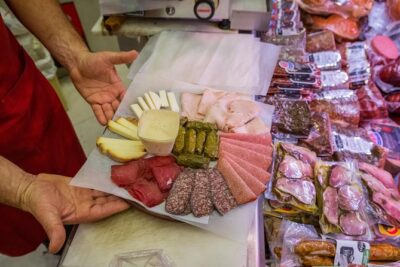
The Central Market, also called Varvakeios Market, is the most direct look at Athens’ food supply. Inside, you pass fish, meat, produce, and other locally sourced products. It is not staged for sightseeing, and the displays can be intense.
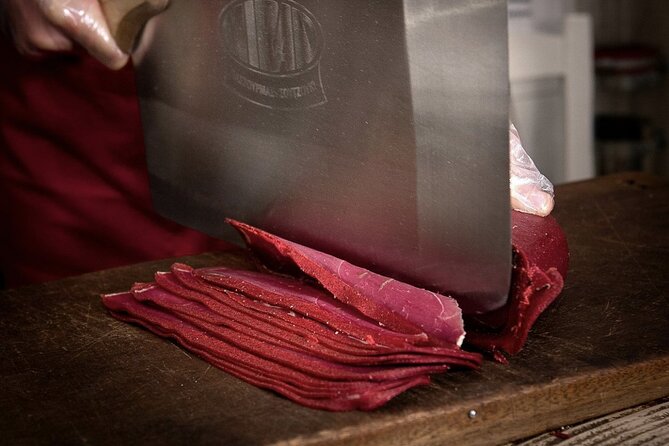
If you are comfortable around meat counters and large cleavers, this is a memorable stop. If you are vegetarian, vegan, or sensitive to such sights, you may want to prepare yourself. The market is part of daily commerce, so it can feel more raw and practical than the pastry and café stops.
I value this section because it adds context to the food on your plate. A souvlaki, pie, or meze dish makes more sense after you have seen the ingredients sold nearby. It also breaks up the sweet and savory tastings with a short visual lesson in how the city shops and eats.
Platia Theatrou shifts from market to small restaurants
The walk then heads toward Platia Theatrou, an area known for small, local restaurants. This is where the experience begins to feel more like a food crawl, with sit-down or counter-style tastings rather than simple browsing.
Meze plates are central to the Greek eating style. Think of them as shared small dishes, similar to Greek tapas, meant for sampling and conversation. You may taste several flavors at once, rather than receiving one large main course. The group setting suits this format, since everyone can compare what they are eating and ask the guide about ingredients.
Alcohol may be included, with wine, ouzo, or beer appearing in some versions of the tasting. If you do not drink, tell the guide. One person reported being offered water as the only nonalcoholic alternative, so it is wise to clarify your preference early.
Psirri supplies the longest food and neighborhood section
The final major neighborhood is Psirri, a creative district with street art, small restaurants, and a less formal feel than the grand avenues near the Acropolis. The tour spends about an hour here, making it the longest stop on the route.
This is where the guide’s personality has the most room to shape the experience. Nicoletta, Adele, Katarina, and other guides have been singled out for making the food stops relaxed, funny, and easy to understand. You can expect local stories and suggestions for restaurants to try later, though the exact places may change.
The food sequence can include traditional pies, meze, souvlaki gyros, yoghurt, sweets, and drinks. Desserts may arrive after you already feel full, so pace yourself. You do not need to finish every bite immediately. Ask for takeaway if the guide offers it, especially if you want a snack for later.
The tour ends back at Monastiraki Square. That return is convenient, but it also means you should stay with the group until the final stop. The walk can feel leisurely in places, yet the four-hour schedule keeps moving.
What you are likely to eat and drink
The exact menu can vary, but the listed inclusions and guide descriptions give you a solid idea:
- Greek coffee or tea
- Traditional pies
- Meze plates
- Souvlaki gyros
- Greek yoghurt
- Wine and possibly ouzo or beer
- Honey and beeswax products
- Olive oil
- Aged vinegars
- Pastries and other desserts
The strongest part of the menu is its variety. You are not eating four versions of the same pastry. You move from breakfast-style food to savory snacks, market ingredients, shared plates, a main dish, and sweets.
The word gourmet needs a little interpretation. This is not a high-end tasting menu with tiny, carefully arranged courses. It is closer to a generous introduction to Greek food, combining street food, traditional products, market sights, and specialty tastings. If you want polished dining, you may find the tour too casual. If you want to understand what people actually snack on, buy, share, and serve, the mix works well.
Walking, weather, and group pace
The tour lasts about four hours, with roughly 15 minutes at the start and end, plus longer stretches in Aiolou, Agia Irini, Evripidou, the Central Market, Platia Theatrou, and Psirri. You should be comfortable standing, walking, and eating across that period.
The route is mostly flat, but some surfaces are uneven. The guide may keep a brisk pace, especially when crossing central Athens and moving between food stops. This is not the best pick if you need frequent seated breaks or have significant mobility limits.
Summer heat adds another concern. Wear light clothing, use sun protection, and bring water. Food tours are more enjoyable when you are not rushing to find shade between tastings.
The group maximum of 15 is a useful limit. It is small enough for conversation, but not so small that you will be traveling alone with the guide. If you enjoy meeting people from different places, the shared plates and informal stops make that easy.
Who should book this Athens food tour?
I would recommend it to first-time visitors who want a fast, practical introduction to Greek food. It also suits people who enjoy markets, neighborhood walks, small shops, and trying several dishes instead of committing to one long restaurant meal.
It is especially useful if you have only a day or two in Athens. You see central neighborhoods, learn what to order, sample foods you might miss, and finish with restaurant ideas for the rest of your trip.
Families and mixed-age groups can also enjoy it, since the food is varied and the walk is not built around a formal tasting room. Still, children and picky eaters may find four hours of food and walking tiring.
You may want to skip it if you are seeking a quiet, luxury-style culinary experience. You may also want to choose another activity if you dislike markets, cannot eat a substantial amount of food, or have dietary needs that require strict control. The company welcomes vegetarians, but the information does not provide a full vegan or allergy-specific menu.
Cancellation is flexible if your plans change: you can receive a full refund by canceling at least 24 hours before the start time. Changes or cancellations inside that window are not accepted for a refund.
Should you book the Athens Gourmet Food Small Group Walking Tour?
Book it if you want a filling, social introduction to Athens through food, not a formal gourmet meal. The range is the main strength: coffee, pies, meze, markets, spices, olive oil, sweets, and souvlaki give you a much broader picture than a single restaurant stop.
At $87.11, the tour offers fair value if you arrive hungry and treat the tastings as lunch. Choose an early date in your Athens stay, wear good shoes, tell the guide about allergies, and stay close to the group. If you do those things, this is a practical way to eat well, learn the city center, and find places you might not have located alone.
FAQ
How long is the Athens Gourmet Food Small Group Walking Tour?
The tour lasts approximately four hours. It starts and ends at Monastiraki Square.
Where does the tour meet?
Meet at Platia Monastirakiou 2, Athens 105 55, Greece. At Monastiraki Square, look for the guide holding an Athens Walks The Food Tour sign near the entrance of the small church.
What food is included?
Included tastings can include Greek coffee or tea, wine, yoghurt, aged vinegars, honey, olive oil, traditional pies, souvlaki gyros, meze plates, and desserts.
Is the tour suitable for vegetarians?
Yes. Vegetarians are welcomed. You should also tell the guide about any food allergies before the tour begins.
How many people can join the tour?
The maximum group size is 15 people. Some groups may be smaller.
Can I cancel for a full refund?
Yes. You can cancel at least 24 hours before the experience start time for a full refund. Cancellations or changes made less than 24 hours before the start time are not accepted for a refund.
New on the Athens shelf
- Small-Group Wine Tour in Athens with Tasting★ 5.0 · 33 reviews
- Acropolis of Athens, Parthenon and Acropolis Museum private tour with dinner★ 5.0 · 77 reviews
- Private Athens Transfer Airport/Port -Greek Tours-Hourly service★ 5.0 · 88 reviews
- VIP Private Guided Tour of Athens Acropolis & Plaka in a Sidecar★ 5.0 · 108 reviews
- Athens Moonlight Waling Tour with Drinks and Meze Dishes★ 5.0 · 259 reviews
- Private Athens Landmarks Layover Tour★ 4.5 · 41 reviews
- Departure Transfer from Athens City to Athens Airport★ 5.0 · 41 reviews
- Classic Athens Food Tour with Local Drink & Market Visit★ 5.0 · 34 reviews
Food & Drink, compared.

Small Group Greek Traditional Food Tour in Athens 20+ Tastings
Read our verdict →
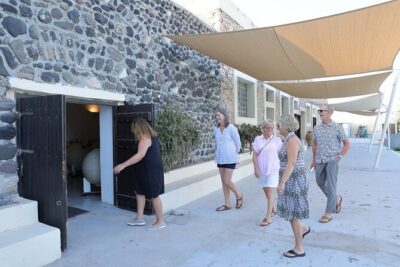
Santorini Wine Stories: Sunset Tour with Tasting & Dinner
Read our verdict →
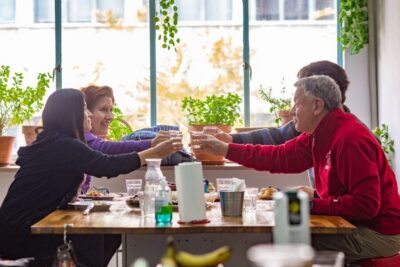
Food Market Visit and Cooking Class with Wine
Read our verdict →
Browse the lists this tour appears in