
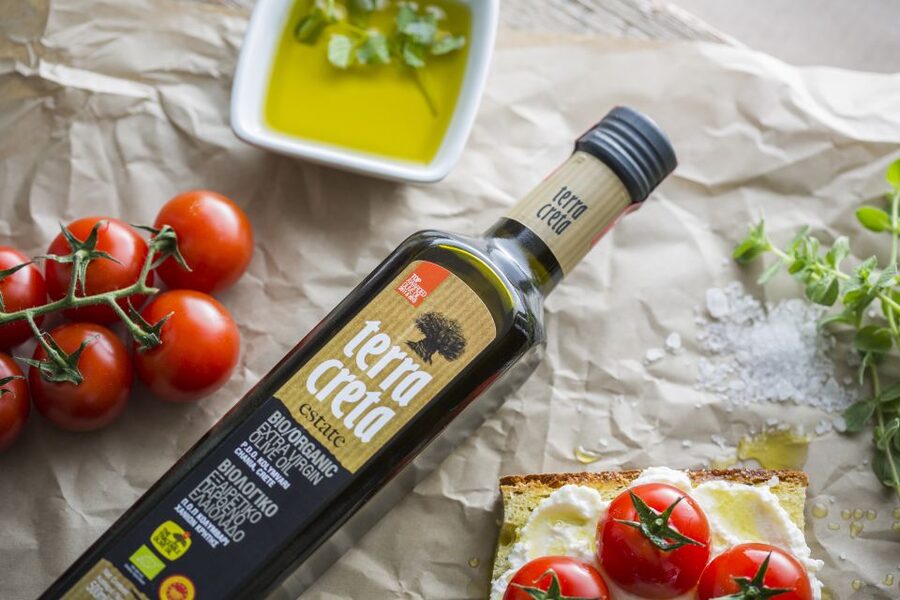
Review · OLIVE OIL TOURS
The Terra Creta Olive Oil Experience Tour
Cretan olive oil makes more sense once you see what happens between the harvest and the bottle. At Terra Creta, you tour a modern mill, learn how olives are processed and graded, then taste three oils with guidance on how to judge flavor, quality, storage, and everyday use.
I like the tour for two clear reasons: it lasts only an hour, and the tasting turns technical information into something you can understand immediately. Guides including Katerina, Lisa, and Sophia have been praised for clear explanations and warm storytelling. The main drawback is location. The factory is about 25 minutes by taxi from Chania or Kissamos, and some mill areas may be closed or harder to access during expansion and machinery work from April through September.
Key points to know before you go
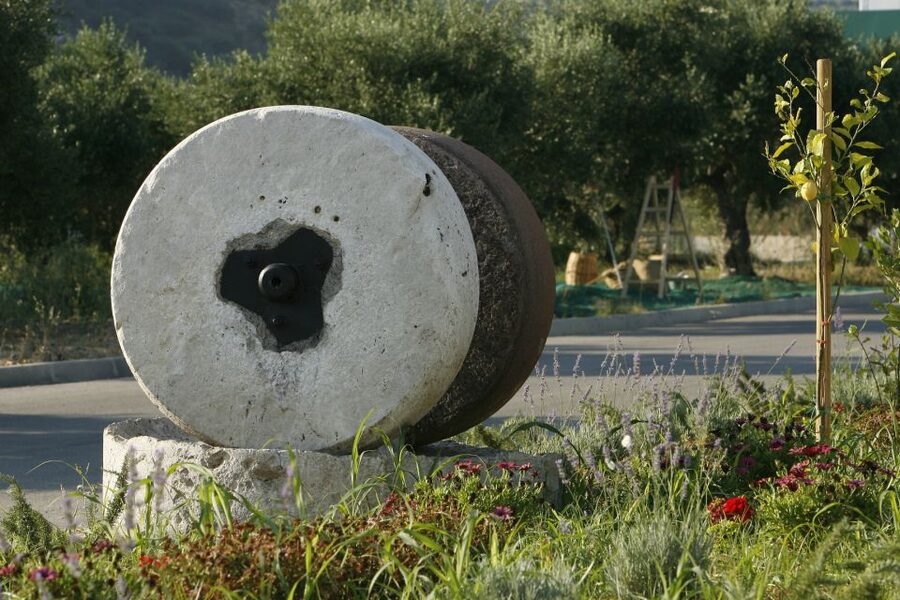
- Three olive oils are tasted side by side, with instructions on the proper way to sample them.
- The mill is in Kamisiana, near Kolymvari, not in central Chania, so plan transport in advance.
- The production floor is seasonal, operating from October through February.
- Bread, olive mixes, small appetizers, and water are included with the tasting.
- The shop sells travel-safe products, including Terra Creta oils, balsamic vinegar, and Greek olives.
- The tour costs $11 per person, a strong price for a one-hour factory visit and tasting.
A one-hour introduction to Cretan olive oil
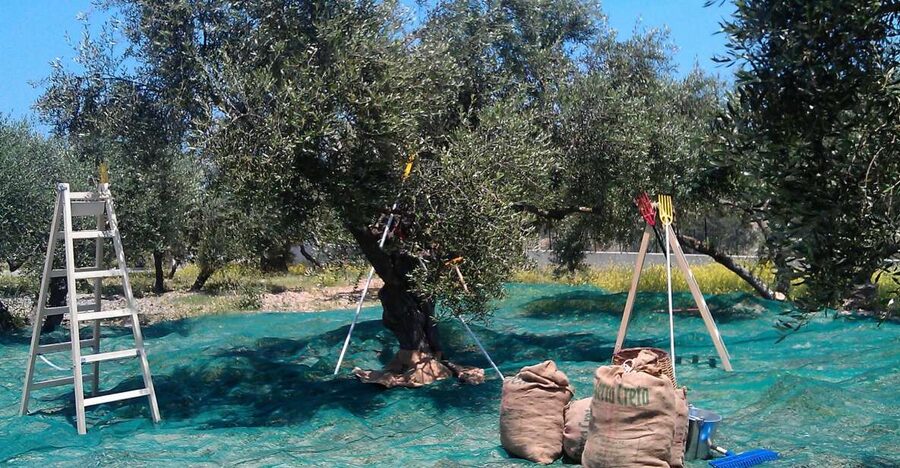
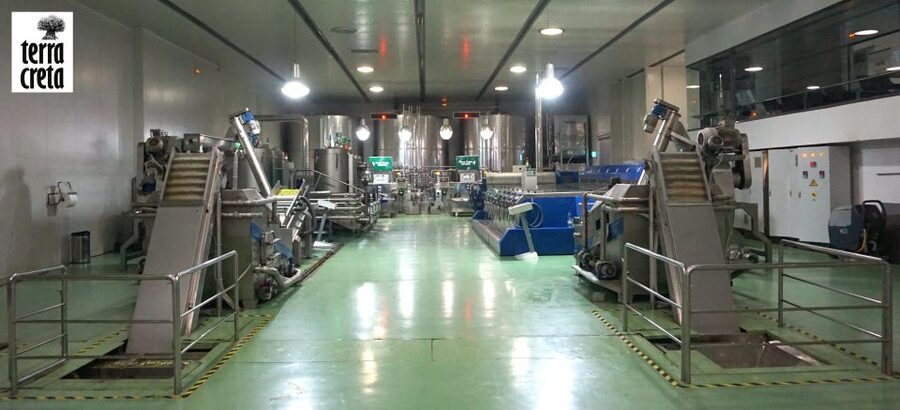
Terra Creta gives you a compact look at one of Crete’s most important foods. This is not a slow walk through an old village press. It is a visit to a clean, modern facility built around current production methods, with the focus on how olives move from farm collection to finished oil.
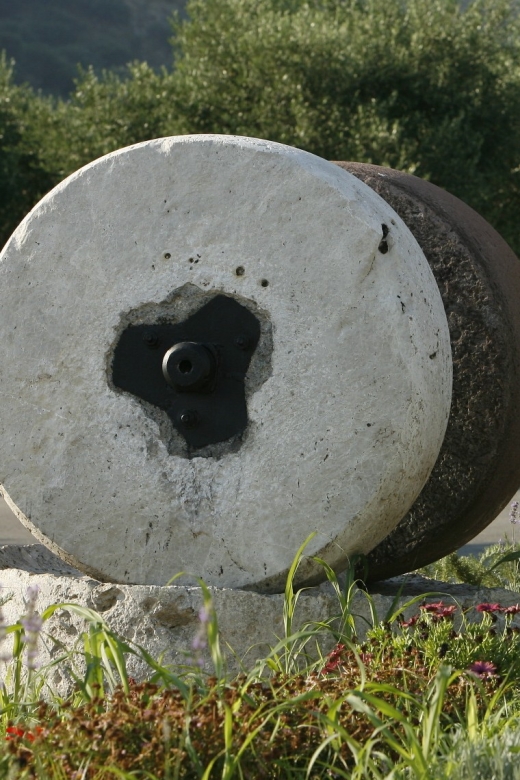
That distinction matters. If you want old stone machinery, animal-powered presses, or a recreation of traditional village life, this is not the right stop. You are here to see the modern process, including the practical steps used to produce, grade, store, and bottle olive oil today.
The tour is short enough to fit neatly into a driving day around western Crete. You do not need to set aside half a day, and the one-hour length works well if you are traveling with children, older relatives, or anyone who prefers an activity with a clear finish time.
The exact order can depend on operations at the mill, but you can expect an English-language explanation of olive growing and harvesting, followed by the production process and a guided tasting. Staff also cover best uses and storage, information that is more useful than a simple sales pitch because it helps you get better value from any oil you buy.
More Olive Oil Tours in Crete
- Crete: Quad Safari, Olive Mill with Tasting & Ghost Village
★ 4.9 · 1,004 reviews - Crete Wine and Olive Oil Tour
★ 5.0 · 272 reviews - Crete: Full-Day Cretan Wines, Olive Oil, Raki and Food Tour
★ 5.0 · 264 reviews
Inside Terra Creta’s modern mill
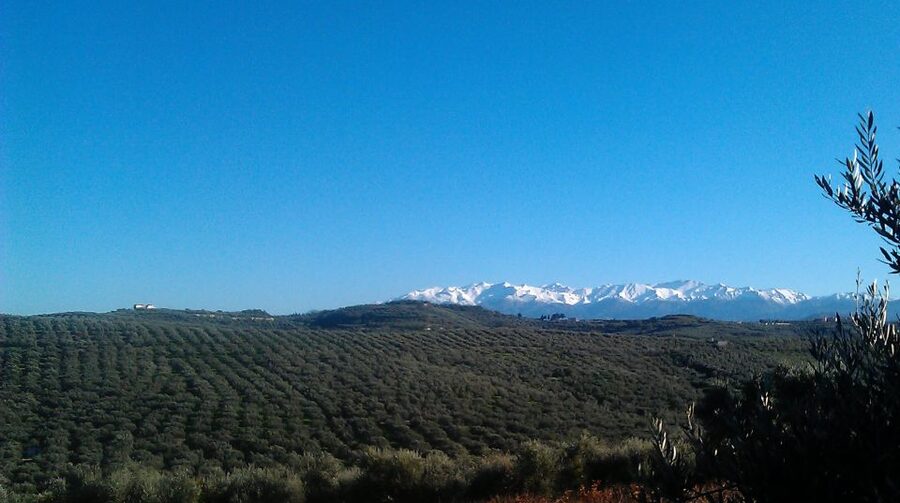
The factory sits in the Kamisiana area of Kolymvari, in western Crete. The setting is practical rather than central, so this is best combined with a rental-car outing or a planned taxi ride. From Chania or Kissamos, the journey takes about 25 minutes by taxi.
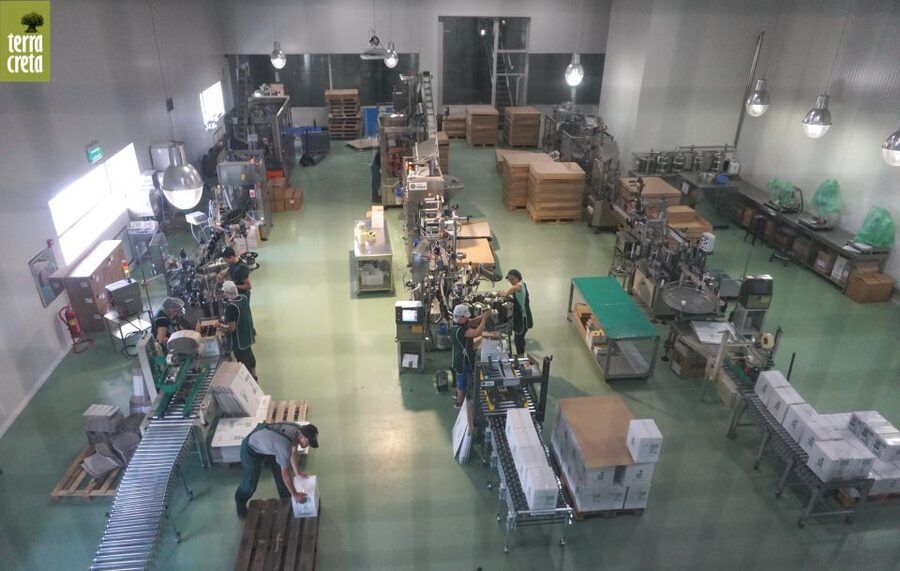
Inside, the emphasis is on the nuts and bolts of production. You learn about the olives, harvesting, extraction, grading, and bottling. One of the useful features of the visit is that the guide connects each stage to the final product in your glass. That helps explain why olive oil is not simply one uniform ingredient.
The facility is described as state of the art, and the tour gives you a behind-the-scenes view of an operating food producer rather than a staged museum display. The clean, professional feel is part of the experience. You get a sense of how careful handling and modern equipment affect the oil that reaches your kitchen.
The mill operates from October through February. That is the main point to check if you are especially interested in seeing active production. The tour itself is offered at other times, but from April through September, some indoor and outdoor areas may be less accessible because of building expansion or machinery upgrades. Ask about the current route when you book if seeing every part of the facility matters to you.
A guide may also discuss environmental practices at the facility. The tour does not present olive oil only as a cultural symbol or health food. It connects farming, processing, storage, and responsible production in a way that gives the visit more substance.
Learning how to taste three different oils
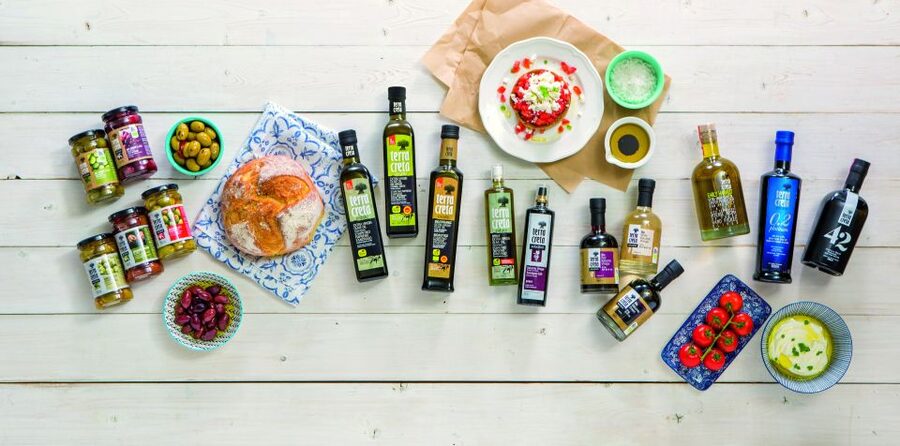
The tasting is the payoff, especially if you normally pour olive oil into a pan without thinking much about it. You sample three Terra Creta oils and learn how to approach them properly. The tasting is guided, so you are not left to guess what you should notice.
You may be shown how to smell the oil first, then taste it in small amounts and compare the differences between samples. The point is not to turn you into a professional tester in an hour. It is to give you a basic vocabulary for aroma, flavor, intensity, and finish, so you can make more informed choices later.
Bread, Greek olive mixes, finger foods, and water accompany the tasting. These small additions make the session feel like part of a Cretan food experience rather than a technical lecture. They also give you a chance to consider how different oils work with food.
The strongest part of the tasting is the comparison. A single spoonful can be hard to judge if you have no reference point. Three oils served in one session make the differences easier to notice. If you cook regularly with olive oil, the advice on which oils suit different uses may be particularly helpful.
The guide also explains storage and best use. This is easy to overlook when buying a bottle on holiday, but heat, light, and poor storage can affect the oil. The practical information helps you avoid treating a quality bottle as an ordinary pantry item.
People who already enjoy olive oil will likely find the tasting more rewarding than someone who is only looking for a quick snack. Still, the explanations are simple enough for beginners. You do not need prior knowledge, and the guides are used to answering questions.
Why the guides matter
The tone of the visit depends partly on the guide. Katerina is praised for clear explanations, enthusiasm, and her ability to keep people comfortable in the shade. Lisa has been singled out for making the tour both interesting and good value, while Sophia is remembered for combining a factory walk with an engaging tasting.
Those details point to what works best here: a personal guide makes a technical subject easy to follow. Olive oil production includes plenty of machinery and process terms, but the visit becomes more memorable when someone explains why each step matters.
The guides also appear willing to go beyond a fixed script. Questions about farming, processing, cooking, and storage fit naturally into the visit. One guide even offered recommendations for places to eat nearby, which is useful if you are planning lunch around Kolymvari.
The tour is in English. If you have a particular interest, such as cooking with extra-virgin olive oil or understanding grading, ask your questions during the tasting, when the ideas are easiest to connect with what is in front of you.
Close by, and nothing like it:
- Crete: Sunset or Morning Quad with Local Products Tasting
★ 4.9 · 1,135 reviews - Full-Day Small-Group Tour in Crete with Zeus Cave Visit
★ 5.0 · 1,099 reviews - Crete: Off-Road Quad Safari with Lunch/Dinner
★ 4.9 · 664 reviews - Crete: Land Rover Safari on Minoan Route
★ 4.9 · 652 reviews
Buying oil without creating a luggage problem
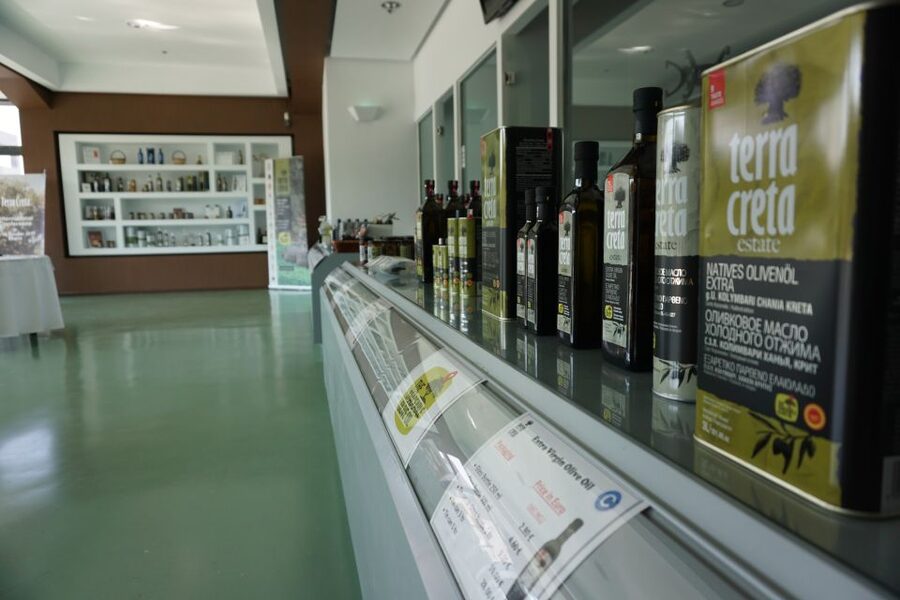
The shop is a natural final stop. You can purchase Terra Creta oils in different labels, along with balsamic vinegar and Greek olives. The products are prepared in travel-safe packaging, which makes buying easier for visitors who are continuing around Crete.
The price of the tour is only $11 per person, including the factory visit, three-oil tasting, finger foods, and water. At that rate, the tasting alone gives the activity solid value. You are also paying for a clear introduction to a major Cretan product, not just a sample counter.
The shop can make the outing more expensive, of course, but purchasing is optional. It is worth remembering airline baggage rules before you buy. Standard bottles may be difficult to carry in hand luggage, and one visitor specifically regretted not being able to take more oil home because of flight limits.
Ask about smaller bottles if you need carry-on-friendly options, but do not assume that every size will meet your airline’s rules. The supplied information confirms that the shop accepts cash and credit cards. Check your baggage allowance before the visit if you already know you want to bring oil home.
The travel-safe packaging is useful for checked luggage, but no package can remove the need to pack carefully. If you are driving onward, you have more flexibility than someone flying directly from Crete.
Getting there from Chania or Kissamos
The meeting point is the Terra Creta olive oil factory in Kamisiana, Kolymvari, Crete. It is not close to central Chania, and there is no hotel pickup or drop-off included.
A taxi takes about 25 minutes from Chania or Kissamos. That makes the tour manageable from either town, but you should factor in the cost and arrange your return plan before setting out. The factory’s location works best for people with a car, a taxi budget, or an itinerary already passing through the Kolymvari area.
Public transport details are not provided, so do not assume that a convenient bus connection will be available at the factory. If you arrive by taxi, ask the driver about the return journey or arrange pickup in advance. A past visitor had difficulty finding the local bus stop after the tour, so a little planning will save time.
You can pair the visit with nearby food stops or a drive through western Crete, but keep the appointment time in mind. The tour itself lasts one hour, while the total outing depends on your transport and what you do afterward.
Accessibility and practical limits
The activity is listed as wheelchair accessible, and one visitor with an injured foot received a chair during the visit. That is encouraging, though access can change when parts of the facility are affected by expansion or machinery upgrades.
From April through September, some indoor and outdoor areas may not be accessible. If you use a wheelchair, have limited mobility, or need a seat during the tour, contact Terra Creta before arrival and ask what route is operating on your date.
The experience is not suitable for people with food allergies. That is important because the tasting includes oils and assorted food items. You should disclose dietary concerns before booking, but the available information does not promise allergy accommodations.
The mill also asks you to avoid large bags and oversize luggage. Pets are not allowed, and smoking or vaping indoors is prohibited. The restrictions are normal for a working food facility, but they are worth knowing if you are arriving directly from an airport or with shopping bags.
Wear ordinary comfortable clothing and arrive ready for a working industrial setting. Strong fragrances are not allowed, and you should not touch equipment or exhibits. The visit is meant to be calm and orderly, with the guide leading you through the relevant areas.
Who will enjoy this tour most
I would recommend Terra Creta to anyone curious about how olive oil is made, especially if you cook with it often. You do not need to be a food expert. The clear explanations and side-by-side tasting give beginners enough context without turning the visit into a long technical course.
It also suits families and mixed-age groups because the tour takes one hour and has a definite structure. People of all abilities can get something from it, provided the current route meets their mobility needs.
Food-focused visitors will find the stop easy to add to a western Crete itinerary. It gives you something more specific than a generic tasting: you see the facility, hear about harvesting and processing, then sample the finished product.
I would think twice if you are staying in central Chania without a car and do not want to pay for taxis. The tour is inexpensive, but transport may become the bigger cost. I would also choose another activity if your main goal is traditional equipment or a reconstructed old-style olive press.
Should you book Terra Creta?
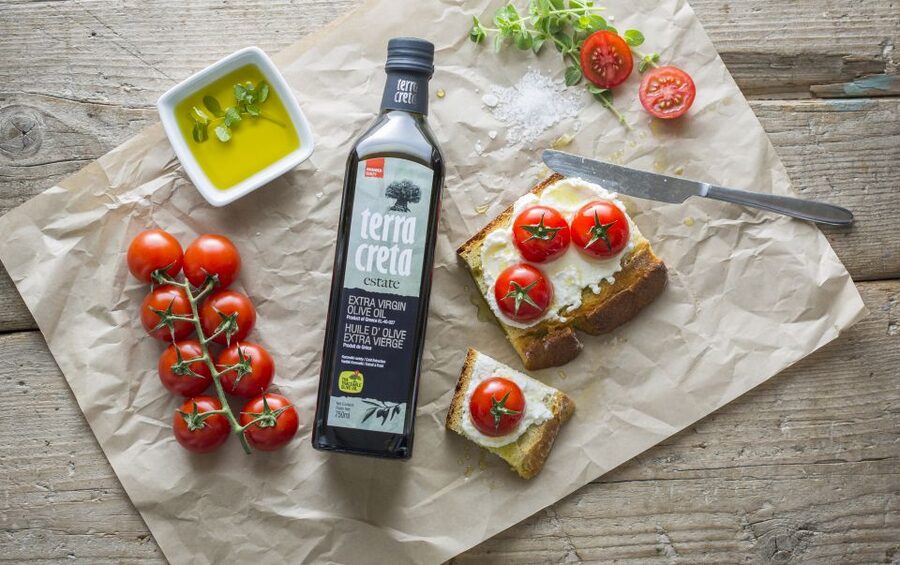
Book it if you want a short, affordable, useful introduction to Cretan olive oil. The $11 price covers a guided factory visit, three oils, food samples, water, and the chance to shop afterward. The tasting is the strongest reason to go, while the production tour gives you context for what you are drinking.
Plan transport carefully, check the seasonal access situation, and think about your luggage before buying bottles. If those points work for you, Terra Creta is an easy addition to a day around Kolymvari and one of the better-value food activities near western Crete.
FAQ
How long does the Terra Creta Olive Oil Experience Tour last?
The tour lasts one hour.
How much does the tour cost?
The listed price is $11 per person.
Where does the tour meet?
You meet at the Terra Creta olive oil factory in Kamisiana, Kolymvari, Crete.
How far is the factory from Chania or Kissamos?
The meeting point is about 25 minutes by taxi from either Chania or Kissamos.
What language is the tour conducted in?
The guided tour is conducted in English.
How many olive oils do you taste?
You taste three different olive oils during the guided tasting.
Are food and drinks included?
Yes. The experience includes finger foods and water, with bread and olive mixes included as part of the tasting.
Can you buy olive oil at the factory?
Yes. The shop sells Terra Creta olive oils, balsamic vinegar, Greek olives, and other products. Cash and credit cards are accepted.
Is the tour wheelchair accessible?
The activity is listed as wheelchair accessible. However, some areas may be inaccessible between April and September because of building expansion or machinery upgrades, so it is sensible to confirm the current route before you go.
New on the Crete shelf
- Crete Private Tour: The Secrets of Wine, Olives & Honey★ 4.5 · 59 reviews
- Private tasting of 6 cretan wines in Fres village★ 5.0 · 32 reviews
- Moires: Cooking Class and Olive Oil Tasting at a Family Farm★ 5.0 · 93 reviews
- Lychnostatis Open Air Museum: Entry Ticket with Add-Ons★ 4.8 · 49 reviews
- Crete: Traditional Dance Show and Buffet Dinner with Wine★ 4.1 · 34 reviews
- Crete: Farm Visit with Cheese Tasting and Milking Experience★ 4.9 · 34 reviews
- Self-Drive Jeep Safari to South Coast, Palm Beach & Canyons★ 4.9 · 147 reviews
- e-Bike Guided Tour to Myli Gorge with Lunch included★ 4.8 · 66 reviews
Olive Oil Tours, compared.

Knossos-Zeus Cave -Old Traditional Villages-Olive Oil Factory
Read our verdict →
The Governor’s Olive Mill Tour with Olive Oil Tasting
Read our verdict →
Road-trip to Lasithi Plateau & Olive Mill Farm
Read our verdict →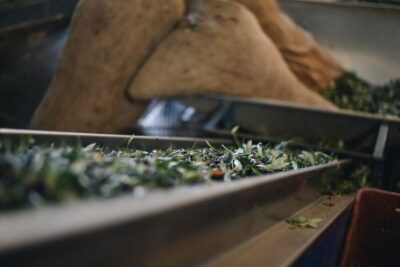
Olive Farm Tour with Tasting of Local Delicacies
Read our verdict →
Zeus Cave, Lassithi Plateau, Olive Oil Factory, Kritza, Pottery
Read our verdict →
Browse the lists this tour appears in