
Review · OLIVE OIL TOURS
Crete: Full-Day Cretan Wines, Olive Oil, Raki and Food Tour
Crete’s best food stories begin with what grows here: grapes, olives, and the strong local spirit called raki. This eight-hour small-group tour links those staples with family-run producers, a village lunch, and a hands-on pottery stop, giving you more than a sequence of tastings.
I like two things right away. First, you meet the people behind the products, including an organic winery and a traditional raki distillery with an old wine press. Second, the group is limited to eight, so guides such as George and Antonis can keep the day friendly and informal. The one drawback is that the schedule is full, and a few hours of driving and tasting may feel long if you prefer a slower day.
Key points to know before booking
- Five wines at a family-owned winery: You tour the vineyard and winery, then taste a broad selection in a setting known for its views.
- Fresh olive oil at the source: The day begins around Skalani with an olive grove and mill visit, plus food to taste with the oil.
- Raki is part of the culture, not just a shot: You see how Crete’s famous spirit is made and sample it at a traditional distillery.
- A proper village lunch is included: Expect a generous meal at a local taverna, so arrive hungry.
- Pottery is more than a demonstration: At Thrapsano, you may try the wheel yourself with help from the potter.
- Small group, hotel pickup, and flexible booking: Transport, return to your accommodation, and cancellation up to 24 hours ahead are included.
Why this Crete food tour works so well
This outing is built around the products that have shaped rural Crete for centuries. Vineyards and olive groves have been part of the island’s agricultural life since the Minoan era, and the tour connects that old story to working businesses today.
You are not simply handed a glass and sent to the next stop. You walk through an olive grove, see an operating mill, tour a winery, enter a raki distillery, eat in a village, and finish with a craft lesson. That mix matters because food tastes different when you understand who makes it and how it reaches the table.
The small group is another real advantage. With no more than eight people, the day can feel like a shared outing rather than a bus excursion. George is frequently praised for his humor, island knowledge, and careful driving, while Antonis is also known for his warm style and strong connection with local producers. Some departures use two guides working together, which adds energy and conversation.
More Food Tours in Crete
- Crete: Sunset or Morning Quad with Local Products Tasting
★ 4.9 · 1,135 reviews - Crete: Quad Safari, Olive Mill with Tasting & Ghost Village
★ 4.9 · 1,004 reviews - Olive Oil Tasting Tour
★ 5.0 · 195 reviews
The olive grove and mill near Skalani
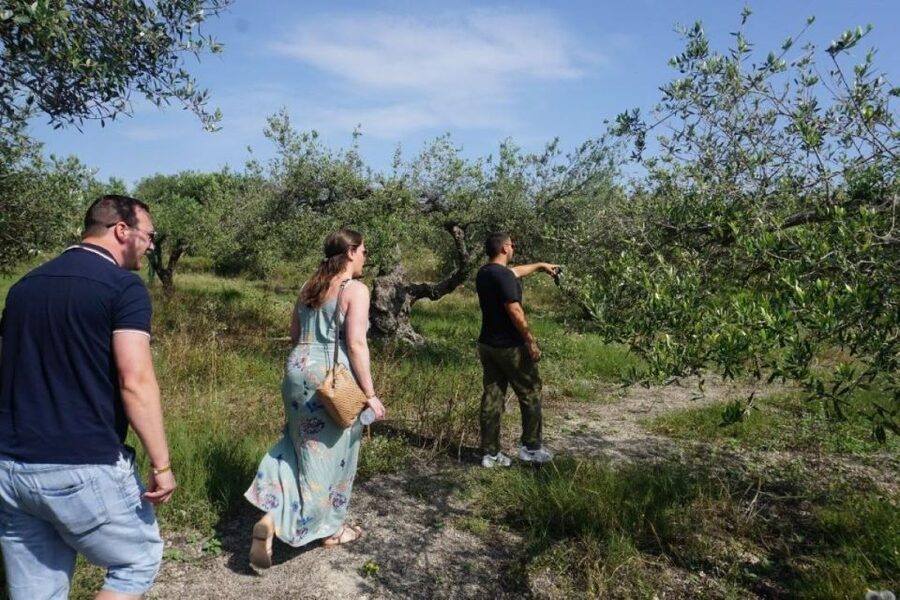
The first main stop is around Skalani, about 30 minutes after pickup. Here you visit an olive grove and an olive mill, then taste freshly produced olive oil alongside local snacks.
This is a useful beginning because olive oil is not a side note in Cretan cooking. It is central to the island’s food, farming, and family traditions. At the mill, you can connect the grove outside with the production process inside. The tasting helps you notice the difference between ordinary cooking oil and a fresh, high-quality product.
The food served here is part of the pleasure. Expect local snacks and brunch-style offerings, including bread, cheese, fruit, and other simple items mentioned by people who have taken the tour. These pairings make the oil easier to understand than tasting it alone from a tiny cup.
This stop is also a good place to ask questions. You can learn how the grove is cared for, how the mill handles the olives, and why olive oil matters so much to the local economy. If you hope to buy some to take home, bring cash as a backup. Card machines are available at some small producers, but internet problems have occasionally made payment difficult.
Five wines at a family-run winery
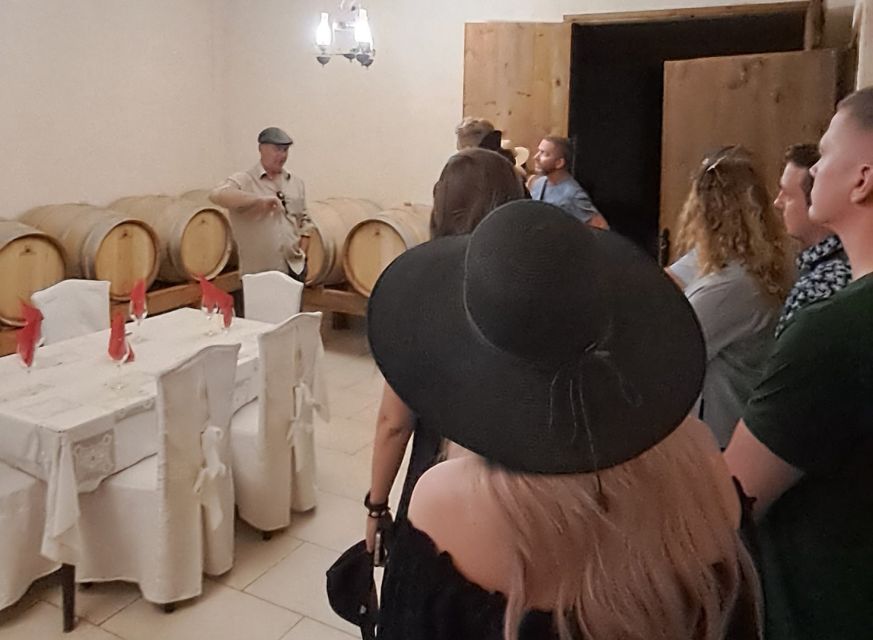
A short drive leads to a family-owned winery using organic growing methods. You tour the vineyards and winery, hear about production, and taste five wines.
The wine visit gives the day a change of pace. Instead of one quick sample, you get enough pours to compare styles and flavors. The setting also adds to the experience, with scenic views along the way and a chance to see the vines before sitting down to taste.
I especially like the choice of a smaller producer. You get a closer look at how wine is made on Crete, and the visit feels connected to the people who work there. One of the wineries associated with this experience is woman-owned, an appealing detail if you prefer tours that support local businesses with a clear personal identity.
Food pairings at the winery are not guaranteed as a formal part of the tasting. The olive mill, raki stop, and lunch provide food during the day, but you should not assume that every wine will arrive with a dedicated pairing. The five wines, vineyard walk, and explanations are the main draw here.
The amount of wine can add up quickly. Pace yourself, drink water when offered, and remember that more alcohol follows at the raki stop. You are tasting local culture, not competing to finish every glass.
The raki distillery and its old wine press
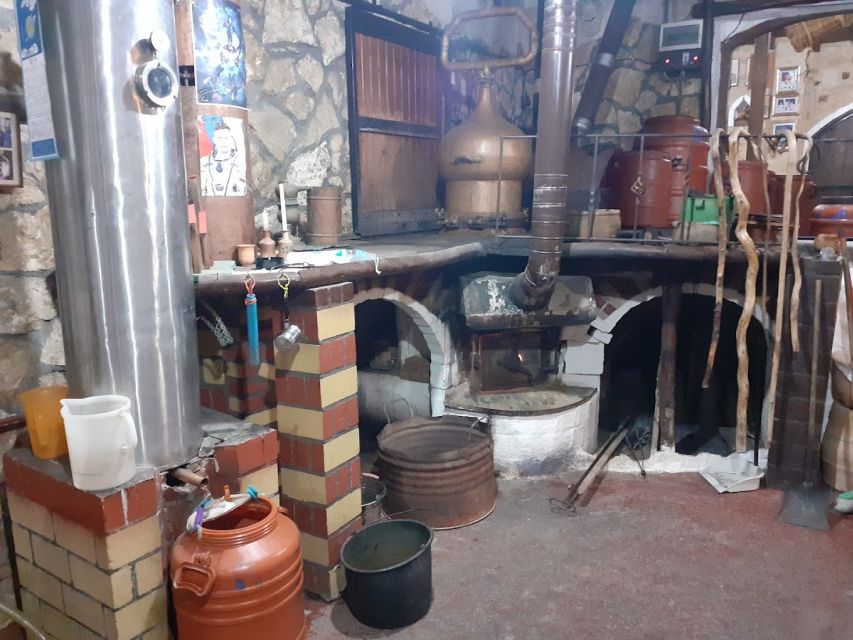
Next comes one of the most distinctive stops: a raki distillery with an ancient wine press. Raki, also called tsikoudia in parts of Greece, is Crete’s best-known spirit and is traditionally linked to the island’s wine production.
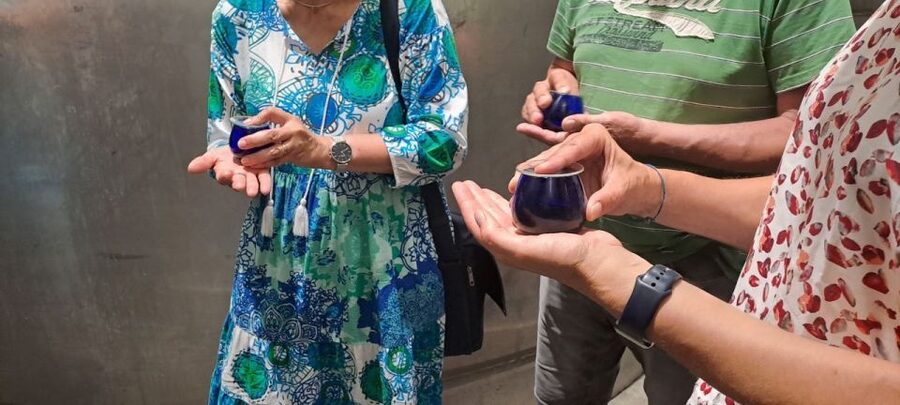
The tour explains how raki is made and places the drink within Cretan farming life. You also taste wine and raki in the rakokazano, the traditional distilling space. Flavored versions may appear, including lemon and a variety with a warm, spiced character. The samples can be generous, so this is the point where pacing becomes especially important.
Many people find this stop more memorable than expected because it feels less polished and more connected to daily life. You see an older production setting, meet local hosts, and learn how wine making and spirit making overlap. It is a fine example of why this tour offers more than a standard winery visit.
Raki is strong, and the friendly atmosphere can make it easy to accept one more pour. You do not need to prove anything. Taste slowly, eat the snacks provided, and let the driver handle the roads.
More Olive Oil Tours in Crete
- The Terra Creta Olive Oil Experience Tour
★ 4.7 · 344 reviews - Crete Wine and Olive Oil Tour
★ 5.0 · 272 reviews - Cretan Wines & Olive oil tour – The treasures of Crete
★ 5.0 · 147 reviews - Moires: Cooking Class and Olive Oil Tasting at a Family Farm
★ 5.0 · 93 reviews
A village taverna lunch with local food
After the distillery, the group stops at a traditional village taverna for lunch. The meal is included, and portions are described as generous, with several local specialties served in a relaxed setting.
This is not a token sandwich between activities. The lunch is meant to be a proper part of the day, and it gives everyone time to sit, talk, and enjoy the food without watching the clock. Shared meals also fit Cretan dining customs better than a quick individual plate.
The village setting adds something important. You are eating away from the busy resort areas, in a place that feels tied to the communities you have been visiting. The food helps bring the day together: olive oil, wine, raki, bread, vegetables, cheese, and other local flavors stop feeling like separate subjects.
Come hungry. Food and drink appear at several stops, and the lunch is only one of the larger servings. If you have allergies, follow a vegetarian diet, or need another meal adjustment, contact the operator at least 48 hours ahead. The tour can then plan for your dietary request.
Pottery in Thrapsano
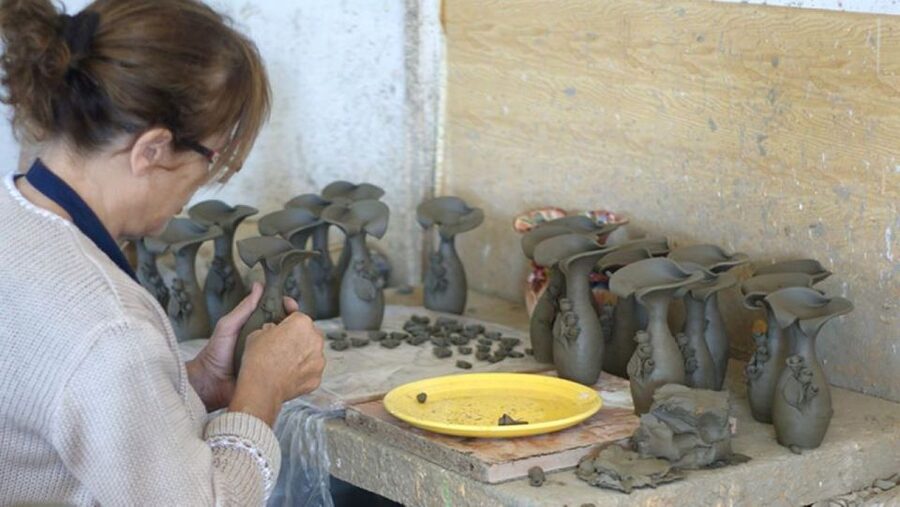
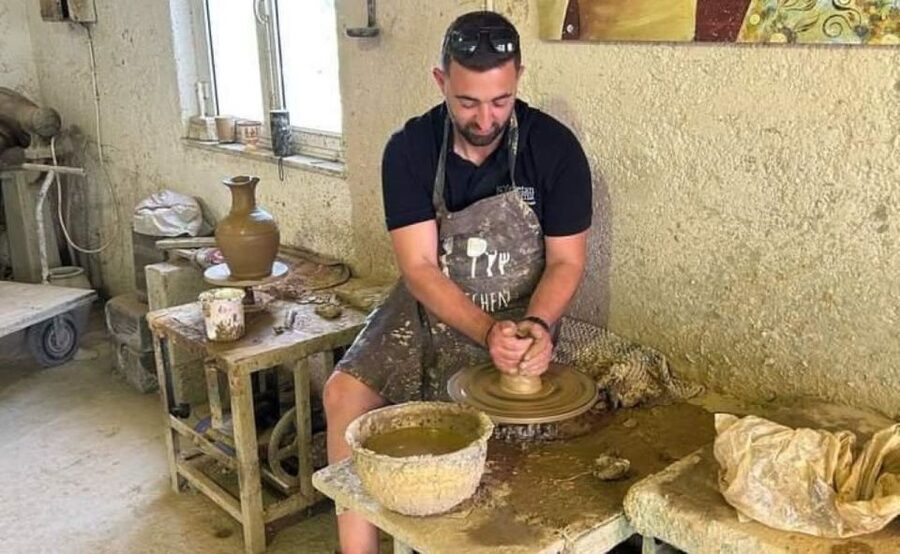
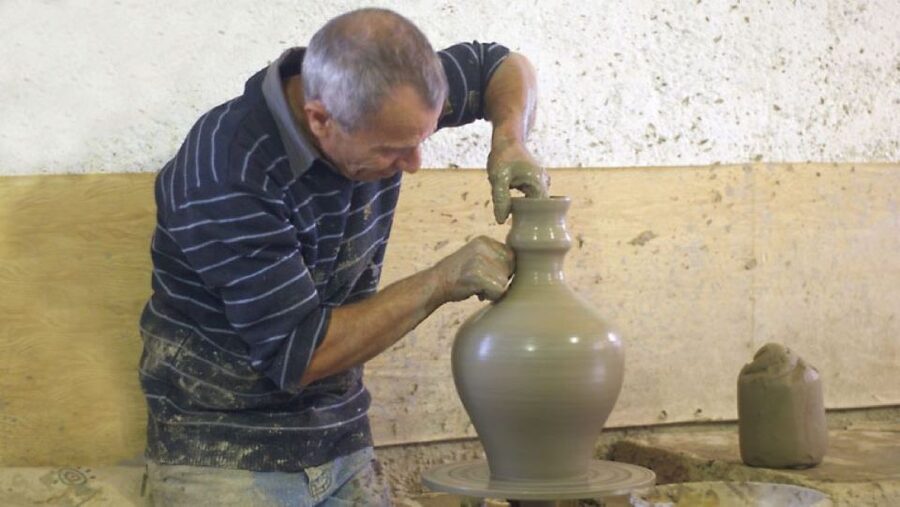
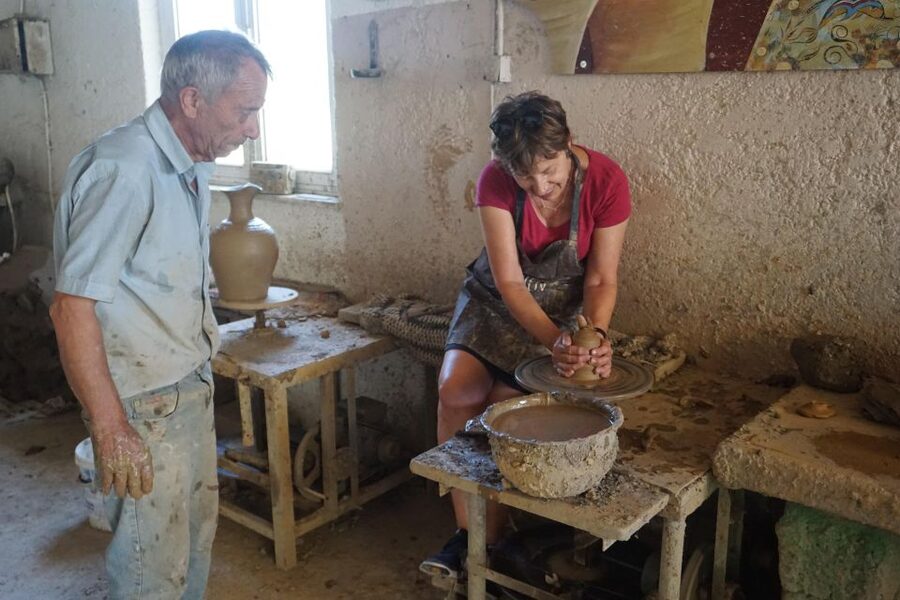
The final stop is Thrapsano, a traditional village famous for pottery. At the studio, you see how local ceramics are made and may try throwing clay on the wheel with help from the potter.
This hands-on finish is a smart choice. After several hours of eating and drinking, you get to do something with your hands. The pottery session is not just a shop visit, and the chance to make a small piece gives the day a playful ending.
You may also have the chance to buy pottery from the studio. If you plan to do so, ask about payment and shipping directly at the workshop. Do not count on every small business having a working card terminal, and keep in mind that the pottery lab is not available on Sundays.
The stop lasts about an hour. It is long enough for a demonstration and a try at the wheel, but it is not a full ceramics course. Think of it as a taste of a local craft, not a finished professional piece.
How the eight-hour schedule feels

The day includes several short van rides: roughly 30 minutes from pickup to Skalani, then about 10 minutes to the winery, another 10 minutes to the raki stop, 15 minutes to lunch, and 15 minutes to Thrapsano. The timing keeps the route compact, though the experience is still busy.
Pickup and return to your accommodation are included. The vehicle is described as comfortable, and your guide drives between all tastings, which removes the worry of drinking and driving on unfamiliar roads.
The pace suits you if you want a full day with several subjects. You see agriculture, wine, spirits, food, village life, and pottery in one outing. If you prefer to spend a whole afternoon at one winery or take long quiet breaks, this may feel packed.
The group size makes a difference here. With up to eight participants, stops are easier to manage, questions are less likely to get lost, and the meal feels more social. You may share the table with people from several countries, which becomes part of the fun.
What the $141 price includes
At $141 per person, this is not the cheapest way to sample one Cretan product. It is a full-day package, though, and the price includes transportation, pickup and return, guiding, the olive grove and mill tour, winery visit, five-wine tasting, raki distillery visit, wine and raki tasting, lunch, and the pottery studio visit.
That bundle makes the price reasonable for someone who would otherwise need to arrange a driver, find several rural producers, book a winery, locate a traditional taverna, and coordinate the timing. You also avoid driving after alcohol, which is a major practical benefit.
The value is strongest if you plan to taste widely and want local contact rather than a single polished attraction. It is less compelling if you do not drink alcohol, have little interest in food production, or only want a short activity. You can still enjoy the olive mill, lunch, scenery, and pottery, but wine and raki are central to the day.
Personal purchases are not included. Bring some spending money if you want bottles, olive oil, or pottery, and carry cash as a backup.
Who should book this day out
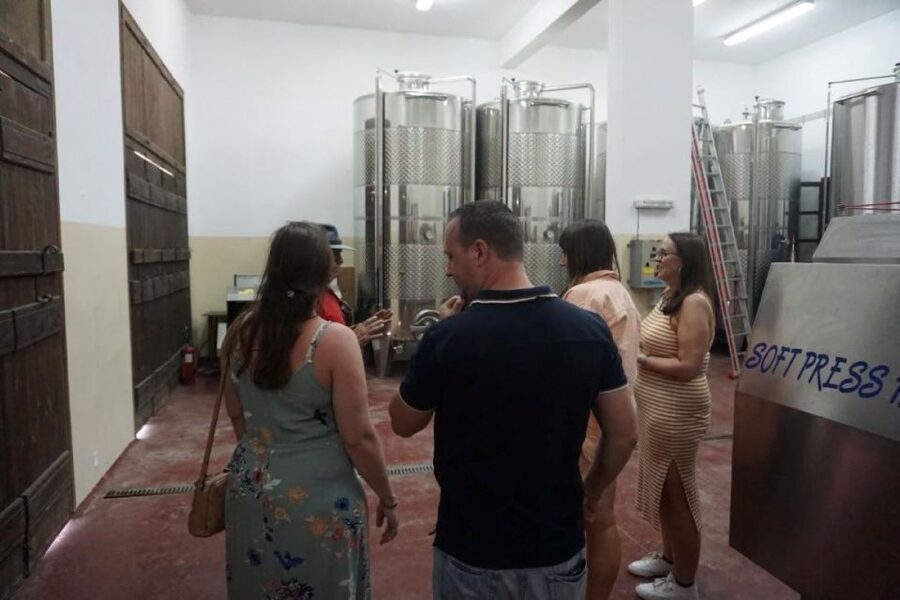
I would choose this tour for first-time visitors who want a strong introduction to inland Crete. It suits couples, small groups of friends, and solo visitors who enjoy meeting people around a shared table.
Food lovers get the most from it, but you do not need to be a wine expert. The guides explain the products in plain terms, and the experience focuses on making, tasting, and talking rather than technical study.
It also works well for anyone who wants rural scenery and family-run businesses without renting a car. The route gives you access to places you might not find easily on your own, while the guide handles the roads and timing.
I would think twice if you dislike alcohol, need a very quiet schedule, or cannot comfortably manage a full day of eating and tasting. The tour is friendly and relaxed, but it is not light on food or drinks.
Booking details worth knowing
The experience lasts eight hours and runs with live guiding in English and Greek. Pickup and return are provided from your accommodation in Crete, though you should confirm the exact pickup details when booking.
You can cancel up to 24 hours in advance for a full refund, and the reserve-now, pay-later option keeps your plans flexible. For allergies, vegetarian meals, or other dietary needs, contact the local operator at least 48 hours before the tour.
The pottery lab is closed on Sundays. If making pottery is one of your main reasons for booking, choose another day.
Should you book this Cretan food and drink tour?
Book it if you want a full day built around real Cretan products and personal contact with small producers. The strongest parts are the olive oil tasting, five-wine winery visit, old raki distillery, generous village lunch, and pottery session. Guides such as George and Antonis add the local stories and humor that make the stops connect.
Skip it if you want a short tasting, dislike strong spirits, or prefer to set your own pace. For everyone else, $141 is fair for eight hours of transport, food, tastings, guiding, and hands-on culture. Bring an appetite, drink slowly, and avoid Sunday if the pottery workshop matters to you.
FAQ
How long does the tour last?
The tour lasts eight hours, including transportation between the stops and pickup and return to your accommodation.
What is included in the price?
The price includes transport, accommodation pickup and return, tour guides, the olive grove and olive mill visit, winery tour and tasting, raki distillery tour, wine and raki tasting, lunch, and the pottery studio visit.
How many people are in the group?
The tour is limited to eight participants.
Which languages are available?
Live guiding is available in English and Greek.
How many wines will I taste?
The winery visit includes a tasting of five wines.
Is lunch included?
Yes. Lunch at a traditional village taverna is included.
Is raki tasting included?
Yes. You visit a raki distillery and taste raki and wine in the traditional rakokazano.
Can I try making pottery?
Yes. The pottery stop includes a demonstration and the chance to try the wheel with assistance. The pottery lab is not available on Sundays.
Can dietary needs be accommodated?
You should contact the local operator at least 48 hours ahead with food allergies, vegetarian requests, or other dietary needs.
More Raki and Ouzo Tastings in Crete
- Crete: Olive, Wine, & Raki on a Flavorful Culinary Journey
★ 4.7 · 56 reviews - Athens: Ouzo Tasting at Brettos Plaka
★ 4.3 · 32 reviews
More Wine Tours in Crete
- Crete: Land Rover Safari with Sunset Viewing, Dinner, & Wine
★ 4.9 · 395 reviews - Crete: Traditional Dance Show and Buffet Dinner with Wine
★ 4.2 · 102 reviews - Crete: Trypiti Beach Off-Road South Tour w/ Lunch & Wine
★ 4.9 · 64 reviews - Crete: Hot-Air Balloon Flight with Breakfast and Wine
★ 4.9 · 60 reviews
New on the Crete shelf
- Crete Private Tour: The Secrets of Wine, Olives & Honey★ 4.5 · 59 reviews
- Private tasting of 6 cretan wines in Fres village★ 5.0 · 32 reviews
- Moires: Cooking Class and Olive Oil Tasting at a Family Farm★ 5.0 · 93 reviews
- Lychnostatis Open Air Museum: Entry Ticket with Add-Ons★ 4.8 · 49 reviews
- Crete: Traditional Dance Show and Buffet Dinner with Wine★ 4.1 · 34 reviews
- Crete: Farm Visit with Cheese Tasting and Milking Experience★ 4.9 · 34 reviews
- Self-Drive Jeep Safari to South Coast, Palm Beach & Canyons★ 4.9 · 147 reviews
- e-Bike Guided Tour to Myli Gorge with Lunch included★ 4.8 · 66 reviews
Olive Oil Tours, compared.

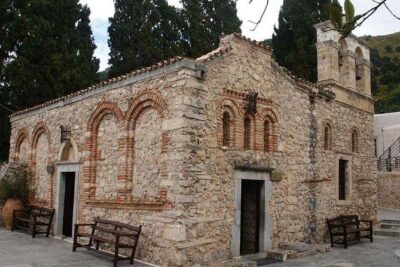
Knossos-Zeus Cave -Old Traditional Villages-Olive Oil Factory
Read our verdict →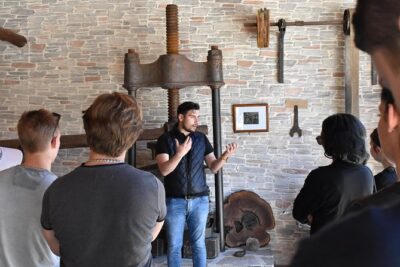
The Governor’s Olive Mill Tour with Olive Oil Tasting
Read our verdict →
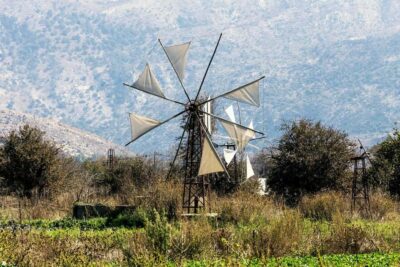
Road-trip to Lasithi Plateau & Olive Mill Farm
Read our verdict →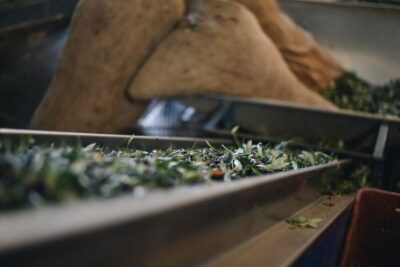
Olive Farm Tour with Tasting of Local Delicacies
Read our verdict →
Zeus Cave, Lassithi Plateau, Olive Oil Factory, Kritza, Pottery
Read our verdict →
Browse the lists this tour appears in