
Review · CORINTH TOURS
Private Biblical Tour Ancient Corinth & Isthmus Canal from Athens
The most meaningful part of this day is not simply seeing old stones. It is connecting Corinth’s trade routes, Roman court, temples, churches, and harbors with the story of Paul, who spent about 18 months here. You move from the modern canal to ancient roads where boats were dragged across the isthmus, then to the Bema where Paul was brought before Gallio.
I like the private vehicle and hotel pickup, which spare you the trouble of arranging transport across the Attica and Peloponnese regions. I also like the freedom to shape the day around your interests. Guides such as Yannis, Tas, Peter, and Giannis are praised for clear explanations, local knowledge, and small touches such as bottled water, cookies, photos, and good lunch suggestions.
The main consideration is that your driver is not automatically a licensed guide inside the archaeological site and museum. If you want detailed interpretation among the ruins, add the optional licensed guide for €190 per booking. The entrance fee of €15 per person is also extra, and Acrocorinth requires sturdy shoes and a good level of comfort on steep, rocky ground.
Key points to know before booking
- Paul’s Corinth becomes easier to understand on location: The Bema, Lechaion Road, ancient harbor, and Roman marketplace give physical context to the New Testament story.
- Acrocorinth is the day’s big physical challenge: The fortress sits 1,886 feet above sea level, with steep and uneven paths but superb views.
- A private car gives you control: Pickup and drop-off are available at Athens or Corinth hotels, apartments, Airbnbs, and ports.
- The Corinth Canal is a short but memorable stop: You see the 19th-century cut that finally made ships’ passage through the isthmus much easier.
- Lunch is not included: You can eat in village style at Ancient Corinth or by the sea near the Baths of Helen of Troy.
- Plan for extra costs: Ancient Corinth and the museum cost €15 per person, while a licensed guide inside costs €190 per booking.
Why Corinth makes such a strong biblical day trip
Corinth was not important by accident. Its position between the Corinthian Gulf and the Saronic Gulf made it a natural commercial link between western and eastern Greece. The narrow isthmus also gave the city control over movement between mainland Greece and the Peloponnese.
That setting helps explain Paul’s decision to work here. Corinth was a busy, wealthy, mixed city with merchants, sailors, Roman officials, local Greeks, and religious communities. The biblical story becomes more concrete when you can see the marketplace, roads, court platform, and ports that shaped daily life.
This tour also avoids treating the Bible story as a detached religious lesson. The driver connects Paul’s preaching with trade, politics, Roman citizenship, shipping, and the social life of the city. If you already know First Corinthians or Acts, the setting can add useful detail. If you do not, the day still works as a broad introduction to Greek and Roman Corinth.
More Ancient Sites in Corinth
- From Athens: Ancient Corinth Day Trip with Canal & VR Guide
★ 4.6 · 1,073 reviews - Private Tour of Apostle Paul’s Footsteps in Ancient Corinth
★ 5.0 · 275 reviews - Sea Kayak Epidavros – Ancient Sunken City Tour
★ 5.0 · 213 reviews
From Athens to the Corinth Canal
Your driver collects you from your Athens hotel, apartment, Airbnb, or port. Airport pickup can be arranged for an added cost. The vehicle is air-conditioned, includes Wi-Fi, and comes with bottled water, so the long road portion is more comfortable than trying to piece together buses and taxis.
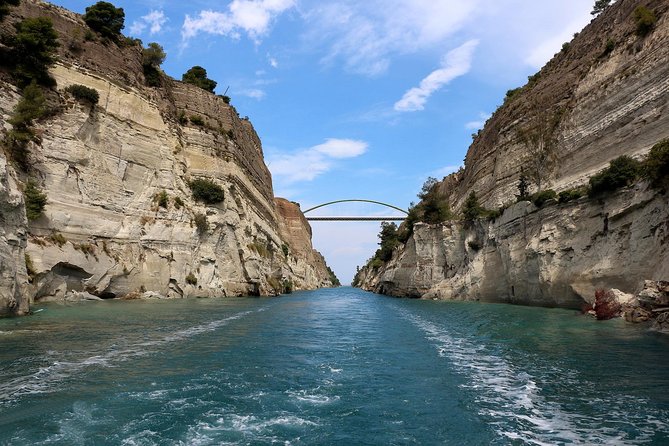
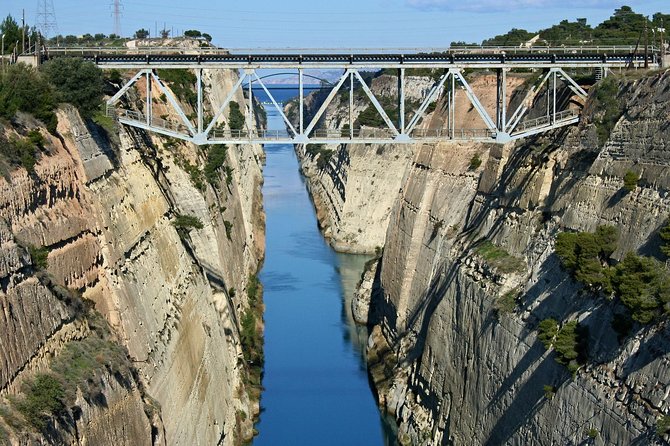
The first major stop is the Isthmus Canal. It is not ancient. Construction was completed in the 19th century, creating a direct water route through the narrow strip of land between the two gulfs. The canal helped ships avoid the longer route around the southern Peloponnese.
You have about 50 minutes here. That is enough time to take in the cut, watch for boats, and hear why the site mattered to Mediterranean trade. The canal is visually striking because of its narrow walls and dramatic drop, but it is not a large museum stop. Think of it as an engineering and orientation point before the ancient sites.
Your driver can also help with photographs. Several guides, including Tas and Peter, are praised for taking pictures and even sharing videos of boats passing through the canal. Those extras are not guaranteed, but they show how the private format can feel more personal than a fixed bus excursion.
Diolkos and the old way across the isthmus
Before the canal, crossing the isthmus was a major problem for ships and cargo. At the ancient Diolkos, you see the remains of a limestone roadway associated with hauling boats overland between the two gulfs.
The tour explains how boat trailers, enslaved workers, oxen, and other animals were used to move vessels across the narrow land bridge. This stop gives you the practical reason Corinth became so powerful. The city controlled a key shortcut, and that brought money, influence, and military importance.
Allow about 30 minutes. The Diolkos is less grand than Acrocorinth or the main archaeological site, but I would not skip it. It explains the entire regional story. Once you understand the old crossing, the later canal feels like the modern answer to an ancient problem.
Acrocorinth: the steep climb with the biggest views
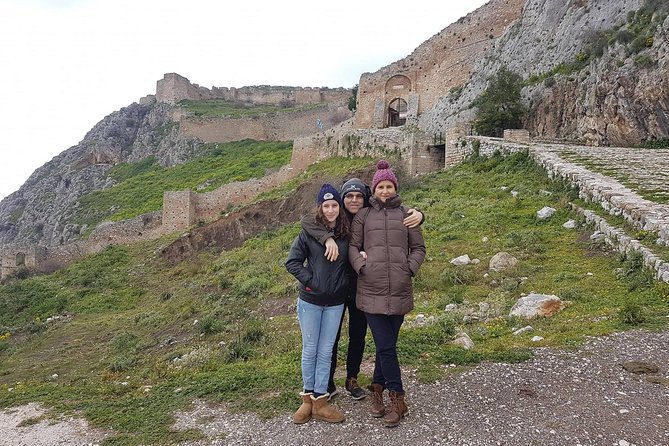
Acrocorinth is the old citadel above Corinth, built on a huge rocky hill. Its walls stretch for roughly 4.9 miles, and the fortress has three gates. From high up, you can look over the valley and toward both the Corinthian and Saronic seas.
This is the stop that requires the most physical effort. Paths are steep, rocky, and not fitted with handrails in every place. Wear shoes with solid grip, especially if the stones are wet. The tour allows about an hour, so your driver can adjust the pace, but you should not expect a flat stroll.
The reward is a remarkable sense of defensive power. You can see remains from several periods, including churches, mosques, homes, cisterns, and the Frankish tower. The site also carries older mythology, including the story of Pegasus and the spring linked to his hoof strike.
The Hadgimoustafa spring adds another layer. The fountain was built during Ottoman rule in 1555, and running water from the Upper Peirene spring still flows there. This is a good example of how Corinth’s story crosses Greek, Roman, Byzantine, Frankish, and Ottoman periods.
If you have limited mobility, ask about the route before booking. The tour is private, so the driver can usually give you more time or modify the order of stops, but the terrain itself cannot be made level.
More trips in the footsteps of St Paul:
- Biblical Tour Letters ToThe Corinthians St Paul’s Footsteps 6Hour
★ 5.0 · 1,065 reviews - Paul”s Footsteps Ancient Corinth Biblical Tour
★ 5.0 · 184 reviews - Private Luxury Biblical Tour: Apostle Paul in Athens & Corinth
★ 5.0 · 162 reviews - Private Luxury Biblical Tour: Apostle Paul’s Footsteps – Corinth
★ 5.0 · 148 reviews
Churches and Paul’s story in modern Ancient Corinth
At Ancient Corinth, the day shifts between the ancient site and the modern village. The tour includes stops at Neo-Byzantine churches connected with the Virgin Mary and the Apostle Paul.
At the church dedicated to Paul, you may discuss his work in Corinth, his travels, and the hardships he faced. The supplied description also includes a mosaic by Vlasis Tsotsonis showing Saul on the road to Damascus. This gives the biblical portion of the tour a visual focus before you enter the archaeological site.
The church dedicated to the Virgin Mary includes marble references to First Corinthians 13, including the famous passage about love. For visitors approaching Corinth through Christian study, this can be a moving stop. For others, it offers a look at how modern Greek religious life preserves and interprets ancient stories.
The church visits are not a substitute for the ruins. They work best as added context, especially if you want to understand how Paul’s time in Corinth is remembered locally.
Ancient Corinth and the Bema of Gallio
The archaeological site and museum receive about one hour and 40 minutes. The €15 admission fee is not included and can only be paid at the site. This is the central historical portion of the day, so budget enough time to walk and look carefully.
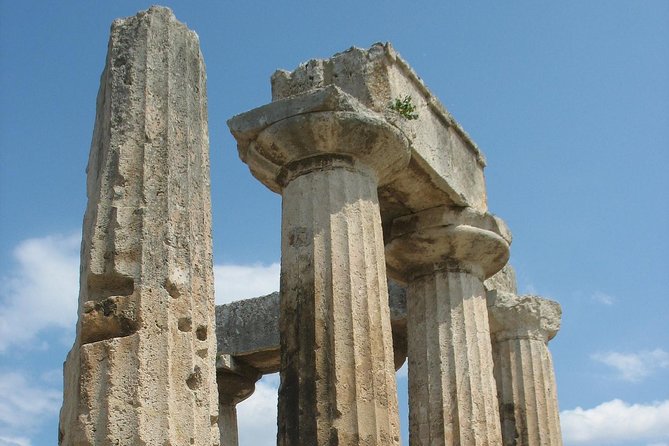
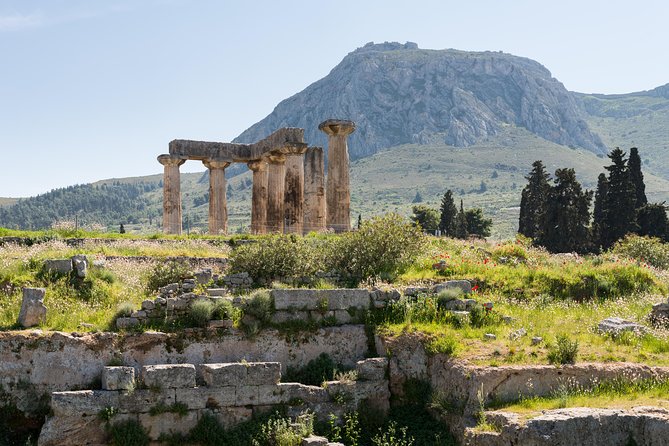
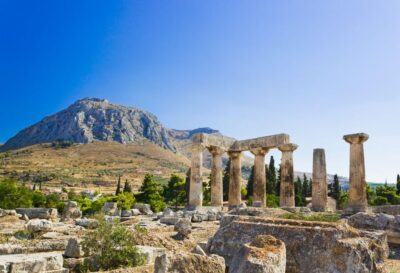
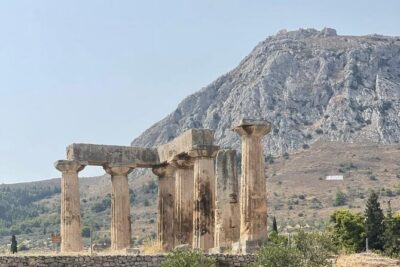
The Temple of Apollo is the visual anchor. Its monolithic Doric columns date to around 560 BCE and belong to one of the earliest Doric temples in the Peloponnese and mainland Greece. Only part of the original complex remains, but the surviving columns help you picture the scale of the ancient city.
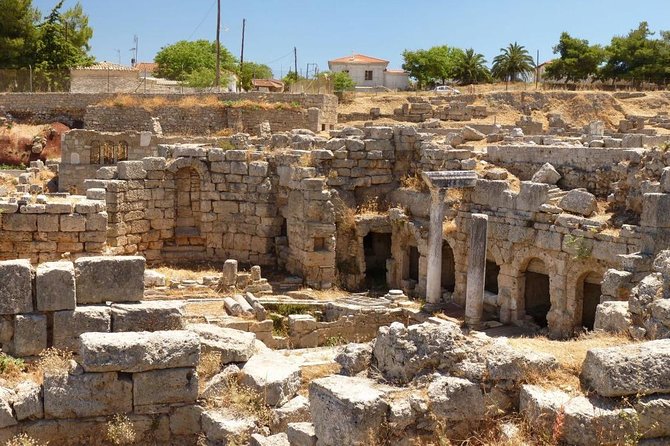
The Roman Agora is just as important. This broad marketplace included shops, small temples, altars, public buildings, baths, and routes leading toward the harbor. You can also see the ancient amphitheater, Roman Odeon, Glaukus Fountain, Lechaion Road, and the Roman forum.
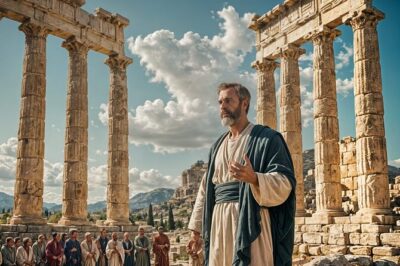
The Bema is the key stop for the biblical story. This raised platform was the place where Paul was brought before Gallio, the Roman governor, as described in Acts 18. The value of seeing it is not that you are looking at a perfectly preserved courtroom. Rather, you are standing in the civic center where Roman authority, local disputes, and public speech met.
The museum adds objects from the site and nearby areas, covering Greek, Roman, Byzantine, and Ottoman periods. If you want close attention to the artifacts and a line-by-line explanation of the biblical setting, consider adding the licensed guide. Christina and Lana are among the private guides praised for reading biblical passages at key exhibits and explaining the Bema in detail.
Without that add-on, your driver can still provide information around the route and outside areas, but the level of interpretation inside will depend on the individual driver. That difference matters. One three-star experience specifically felt more like general sightseeing than a focused biblical study, while other visitors found guides such as Yannis and Tas exceptionally strong on Paul and Acts.
Lunch with time to slow down
Lunch is allowed about one hour and 20 minutes. You can eat in Ancient Corinth in a village setting or choose a seaside meal near the Baths of Helen of Troy. Food and drinks are not included, so expect to pay separately.
This pause is useful after the climb and the archaeological site. Several guides have arranged rooftop or terrace meals overlooking the ruins, while others have taken people to a friend’s restaurant or a seaside setting. These arrangements may vary, but you can ask for the style of meal you prefer.
I like having lunch built into the day rather than racing from ruin to ruin. A private tour gives you a chance to discuss what you have seen, ask about Greek food, or simply rest. Families may especially value the slower rhythm.
Kenchreai, the port linked to Paul’s departure
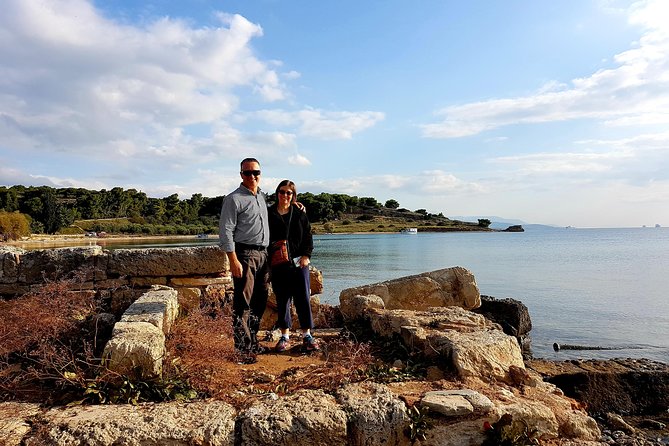
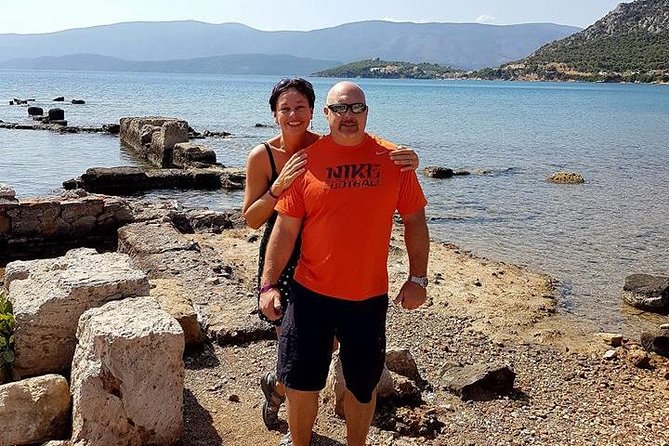
The final stop is Kenchreai, one of Corinth’s two ancient ports on the Saronic Gulf. It is associated with Paul’s departure from Corinth in 53 AD, when he sailed toward Ephesus with Aquila and Priscilla.
The tour also discusses the Nazarite vow and the cutting of Paul’s hair mentioned in Acts 18:18. Kenchreai is a quieter type of historical stop than the forum or Acrocorinth. Its importance comes from its role in the movement of people, ideas, and ships.
You have about 30 minutes here before the return drive to Athens, which takes roughly 70 minutes. The port adds a satisfying final link to the day: you begin with the canal, learn how the older overland crossing worked, walk through the city, and finish at the harbor where Paul continued his journey.
What the private format is really worth
At $301.72 per person, this is not a budget bus excursion. The value depends on how many people are in your group and how much you care about comfort, flexibility, and biblical context.
For a couple, the price is substantial. For a family or group sharing the vehicle, it can make more sense, especially with pickup and drop-off included. You avoid arranging a rental car, navigating unfamiliar roads, or coordinating several separate transfers.
The vehicle includes air-conditioning, Wi-Fi, and bottled water. Drivers have also provided fresh bakery cookies on some outings. Those touches are small, but they matter on an eight-hour day.
The biggest value is control. You can slow down at Acrocorinth, ask for a restroom stop, change the order in bad weather, and discuss your own interests. One guide rearranged the route on a rainy day so the group could spend more time indoors at the museum and Bema area.
Still, the optional €190 licensed guide changes the total cost. Add the €15 entrance fee per person, lunch, and possible airport transfer, and the final price can rise quickly. I would choose the upgrade if your main goal is detailed archaeology or close biblical interpretation. If you mainly want transport, orientation, and a personal introduction to Corinth, the driver-led version may be enough.
Who should book this Corinth day trip?
I would choose this experience if you want to connect Paul’s ministry with the actual places around Corinth. It suits Christian pilgrims, readers of Acts and First Corinthians, families, and anyone who prefers a private car to a crowded group coach.
It also works for general history fans. Corinth is not only a biblical destination. The canal, Diolkos, citadel, Roman forum, ports, temples, and Ottoman remains create a broad story about trade and power.
I would be cautious if you want a formal archaeological lecture at every stop, a fully licensed guide included, or a short and easy outing. The day lasts about eight hours, Acrocorinth is demanding, and the driver’s biblical depth can vary. Book the licensed guide in advance if that detail is central to your plans.
Free cancellation is available up to 24 hours before the start time. Pickup is arranged through your hotel lobby, apartment entrance, or port arrivals area, with airport transfers available at an added cost.
Should you book the Private Biblical Tour of Ancient Corinth?
Book it if you want a flexible, full-day route that links Paul’s Corinth to the city’s trade, Roman government, ancient roads, and ports. The strongest parts are the private transport, the chance to adapt the schedule, Acrocorinth’s views, and the physical setting of the Bema and ancient marketplace.
Before paying, decide how much guidance you need. Ask for a driver with strong biblical experience, and add the licensed guide if museum interpretation matters. Bring sturdy shoes, allow for the €15 admission fee and lunch, and expect a full day rather than a quick sightseeing trip.
FAQ
How long does the tour last?
The experience lasts approximately eight hours, including the route from Athens, the Corinth stops, lunch, and the return drive.
Where can pickup and drop-off take place?
Pickup and drop-off are available at hotels, Airbnbs, apartments, and ports in Athens or Corinth. Airport pickup and drop-off can be arranged for an additional cost.
Is the tour private?
Yes. Only your own group participates in the private tour and vehicle.
Is the entrance fee to Ancient Corinth included?
No. Admission to the Ancient Corinth archaeological site and museum costs €15 per person and is paid at the site.
Is a licensed guide included inside the ruins and museum?
No. The standard experience includes a professional driver with historical and biblical knowledge. A licensed guide can be added for €190 per booking.
Is lunch included?
No. Food and drinks are not included. Lunch is planned in Ancient Corinth or near the Baths of Helen of Troy.
Does the vehicle have air-conditioning and Wi-Fi?
Yes. The private vehicle includes air-conditioning, Wi-Fi, and bottled water.
Is Acrocorinth difficult to walk?
Acrocorinth has steep and rocky paths, and some areas have no handrails. Sturdy shoes with good grip are recommended.
Can I cancel for a full refund?
Yes, if you cancel at least 24 hours before the experience begins. Cancellations or changes made less than 24 hours in advance are not refunded.
New on the Corinth shelf
- The Apostle Paul’s Missionary Journey in Athens and Corinth★ 5.0 · 50 reviews
- Ancient Corinth, Sanctuary of Hera, Blue Lake & Canal from Athens★ 5.0 · 26 reviews
- Biblical Corinth Taste Faith & History with wine & Oil Tasting★ 5.0 · 28 reviews
- Biblical Tour Letters to The Corinthians – St Paul’s Footsteps★ 5.0 · 60 reviews
- Ancient Olympia (birth place of Olympic Games) & Corinth Canal, Private Day Tour★ 5.0 · 28 reviews
- Biblical Corinth: St. Paul and His Letters to the Corinthians★ 5.0 · 70 reviews
- Footsteps of Apostle Paul from Athens to Corinth, Private Day Tour★ 5.0 · 54 reviews
- Corinth Canal Cruise, Ancient Corinth & Acrocorinth Private tour★ 5.0 · 36 reviews
Corinth Tours, compared.
Ancient Corinth Day Trip with Canal & VR Guide
Read our verdict →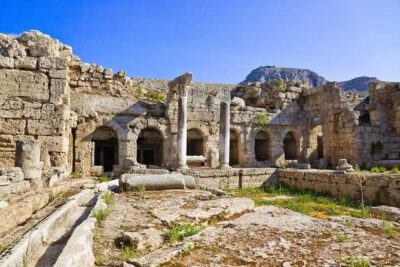
Biblical Tour Letters ToThe Corinthians St Paul’s Footsteps 6Hour
Read our verdict →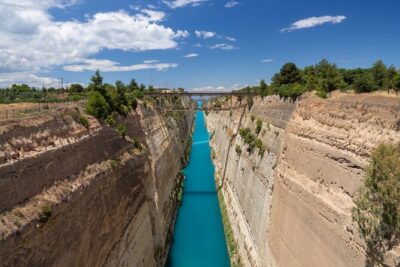
Private Tour of Apostle Paul’s Footsteps in Ancient Corinth
Read our verdict →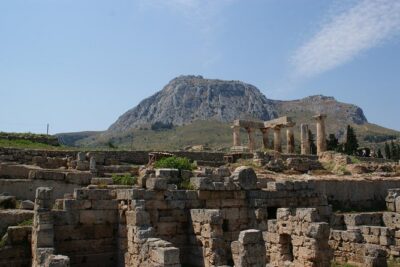
Corinth Half-Day Trip from Athens with Entrance Tickets
Read our verdict →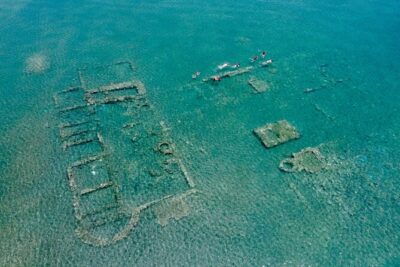
Sea Kayak Epidavros – Ancient Sunken City Tour
Read our verdict →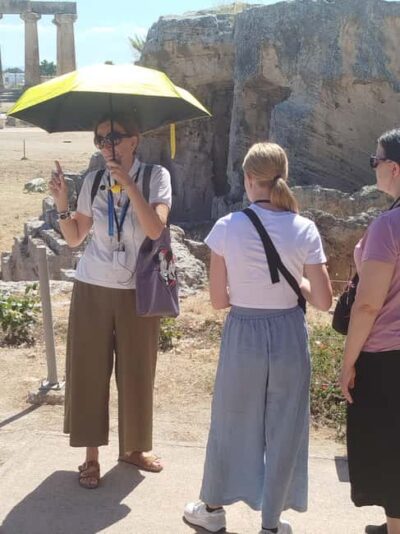
Private Luxury Biblical Tour: Apostle Paul in Athens & Corinth
Read our verdict →Browse the lists this tour appears in