Review · ATHENS TOURS
Get Lost in Athens with an Insider
Athens reveals itself best away from its headline monuments. This 2.5-hour private walk starts in Monastiraki and threads through flea-market stalls, ancient ruins, street art, student hangouts, food markets, and polished Kolonaki. It is less about checking off famous sights and more about seeing how old Athens and present-day Athens share the same streets.
I like the route through Psiri and Exarheia, two areas that show sides of the city you may miss on a standard Acropolis visit. I also like the stop for Greek coffee in a traditional café, since your guide can point out places you might not find alone. The main consideration is pace: some visitors find the walk slow or light on formal history, and communication can be harder in noisy streets.
Key points to know before booking
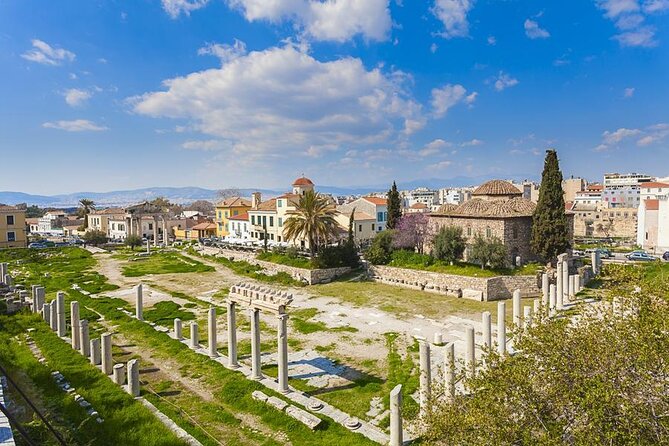
- Monastiraki to Kolonaki: Walk from the historic center through several sharply different Athens neighborhoods.
- Ancient and modern Athens together: See Kerameikos Cemetery and the Temple of Hephaestus alongside street art, cafés, workshops, and shops.
- Local food culture: Visit Athens Central Market, browse herbs and spices, and learn where locals shop.
- Greek coffee included: Stop at a traditional coffee shop away from the main tourist flow.
- Private experience: Only your group participates, which allows room for questions and itinerary changes.
- Best early in your stay: The walk gives you practical ideas for restaurants, cafés, shopping, and later exploring.
What this Athens walk is really about
This is a city orientation walk with a local point of view. You meet in Monastiraki Square, one of Athens’ most useful starting points, then leave the central tourist path almost at once.
The route brings together several different kinds of Athens. You see ancient sites, a working market, neighborhoods known for street art and nightlife, and the shopping district on the lower slopes of Lykabettus Hill. That range is the point. You get a sense of how Athens functions as a living city, not only as an archaeological site.
The tour lasts about two hours and thirty minutes. That sounds generous, but the route covers a lot of ground and includes several stops. You should expect steady walking, city noise, uneven urban surfaces, and time spent outdoors. Casual clothing is suitable, and most people can take part.
Several departure times are offered, which helps you fit the walk around museum visits or a late arrival. I would choose it near the start of an Athens stay. You can then use the guide’s suggestions for the rest of your visit.
A few more Athens options worth putting side by side
- Athens: Acropolis & up to 5 Archaeological Sites Combo Pass
★ 4.4 · 12,619 reviews - Athens: Acropolis Ticket with Optional Audio or Live Guide
★ 4.2 · 11,055 reviews - Athens: Acropolis, Parthenon & Acropolis Museum Guided Tour
★ 4.8 · 9,316 reviews
Starting at Monastiraki and the Athens Flea Market
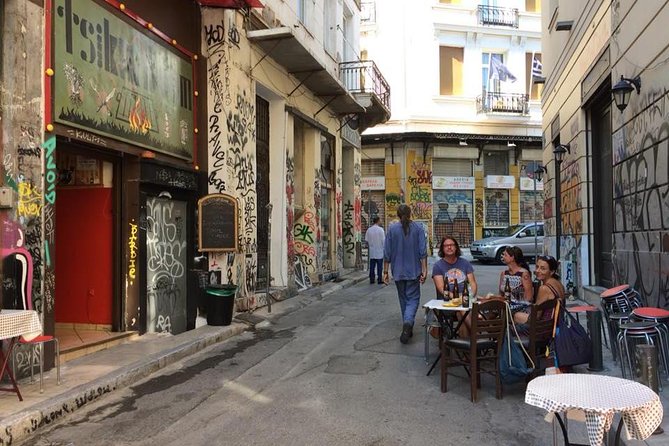
Monastiraki Square puts you in the middle of old Athens. From here, you begin among stalls and shops in the city’s largest and busiest flea market.
This opening section is useful because it gives you a quick read on Athens’ street life. You can browse goods, watch the flow of shoppers, and ask your guide what is worth looking at. The market is not simply a photo stop. It is a working commercial area, and your guide can help explain how it fits into the city.
The tour information also points to an introduction to the area’s role in antiquity and opportunities for photographs. That makes Monastiraki a good place to begin with broad context before moving into smaller streets.
Do not expect a dedicated shopping excursion. The purpose is to pass through the market and understand the area, not to spend the full tour bargaining over purchases. If you want a long market visit, you will need to return on your own.
Ancient remains at Theseion and Kerameikos
The walk then passes the Temple of Hephaestus, also called Theseion, and Kerameikos Cemetery. These stops give the route real archaeological weight without turning it into a formal monument tour.
The Temple of Hephaestus is one of the major ancient landmarks along this part of Athens. Its setting helps you see the contrast between classical remains and the modern city around them. Your guide can explain the site’s role during antiquity and point out places that make good photographs.
Kerameikos offers a different kind of ancient setting. It was a cemetery, and the area connects burial customs, city boundaries, and daily life in ancient Athens. The route also includes the Holocaust Monument and the Jewish Synagogue, adding more recent layers to this part of the city.
I appreciate this mixture of time periods. You are not shown only grand temples. You also encounter places tied to community, memory, religion, and ordinary city life. Still, the amount of detailed archaeology depends heavily on your guide. Some guides focus more on history and current Greek society, while others put greater attention on neighborhoods and street art.
If you want a full archaeological explanation of Athens, book a specialist site tour as well. This walk gives you context and visual variety, but it does not replace a dedicated visit to the Acropolis Museum or the ancient monuments.
Street art and local life in Psiri
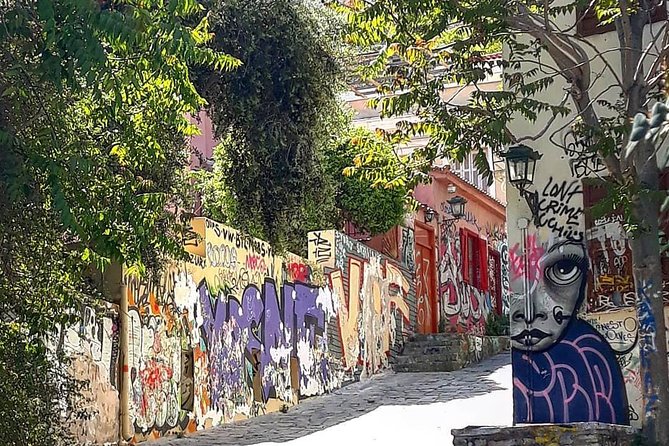
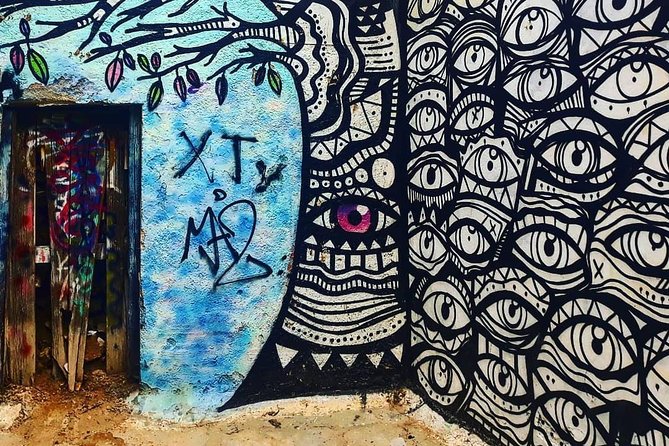
Psiri is one of the strongest parts of the route. The neighborhood is known for bars, galleries, crafts workshops, restaurants, and striking street art.
Your guide points out murals and smaller works while explaining how Greek street art connects with older artistic traditions. That connection is one of the more unusual details in the tour. You are not only looking at painted walls. You are hearing how public art fits into Athens’ culture and urban life.
Psiri also gives you a chance to see the city after the archaeological sites. Streets can shift quickly from old masonry to contemporary art, from a small workshop to a café or bar. The contrast makes the route feel like an introduction to Athens’ changing identity.
This section will suit you if you enjoy cities through visual details and neighborhood character. It may be less satisfying if you want long stops at major monuments or a tightly timed lecture at every location.
A private tour helps here. Guides named in past experiences include Eleni, Helena, Dionysis, Dennis, and Hercules. The guide you receive may vary, but the private format means you can ask about a mural, a street, or a café instead of simply following a fixed group script.
Close by, and nothing like it:
- Athens: Acropolis and Parthenon Guided Walking Tour
★ 4.6 · 5,882 reviews - Athens, Piraeus, and Coastline: Blue Hop-On Hop-Off Bus
★ 3.9 · 4,849 reviews - Greek Food Walking Tour in Athens
★ 5.0 · 4,740 reviews - Athens: City Sightseeing Hop-On Hop-Off Bus Tour
★ 4.3 · 4,520 reviews
Exarheia and the student quarter
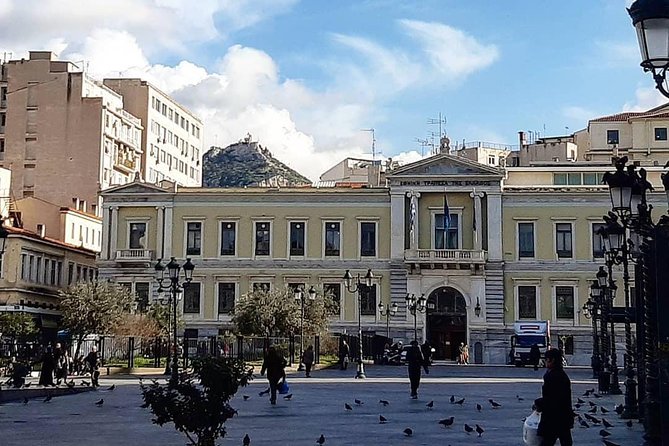
From Psiri, the route heads north toward Exarheia, known as Athens’ student quarter. This shift changes the mood again.
Exarheia is important because it gives you a look at a more independent, youthful side of Athens. The tour focuses on urban culture and the way people use the neighborhood, rather than treating it as a collection of monuments.
This is also where the guide’s personal knowledge matters most. A local can explain which areas are associated with cafés, student life, art, or political activity. The supplied information does not promise specific stops inside Exarheia, so you should view it as a neighborhood walk rather than a list of fixed attractions.
Some people will find the unstructured quality refreshing. Others may wish for more clearly marked stops and more background on the city’s past. I would tell your guide early if you want more history, more food advice, or more street art. The private format makes that request worthwhile.
Athens Central Market, herbs, spices, and Greek food
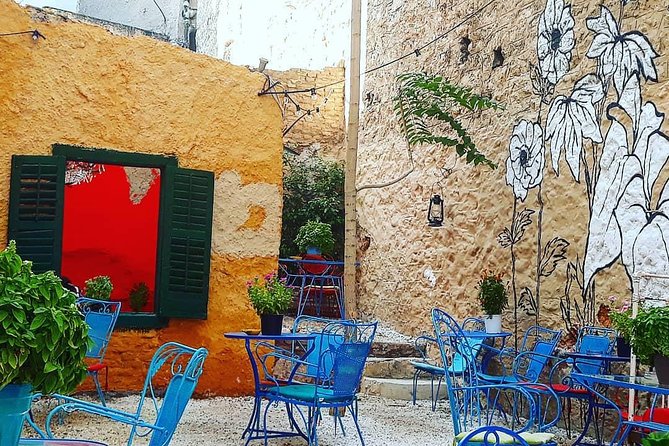
The Central Market is one of the most practical stops. Here, you see colorful produce stalls, local shoppers, herbs, and spices in a working food market.
This is a good place to connect sightseeing with eating. Your guide can talk through Greek ingredients and point out popular stalls, unusual buys, cafés, and restaurants. You may leave with ideas for what to order later, even though lunch is not included.
The market can be crowded and noisy. That is part of the experience, but it also affects communication. One visitor found it difficult to understand the guide in crowded places while a mask was being worn. If you have trouble hearing, say so at once and move closer when possible.
The tour does not include a meal, and the listed inclusions are specific: a local guide and Greek coffee. Drinks and food are otherwise extra. Do not arrive expecting a food tour with tastings. Think of this as a guided introduction to Athens’ food-shopping culture.
The hidden coffee stop
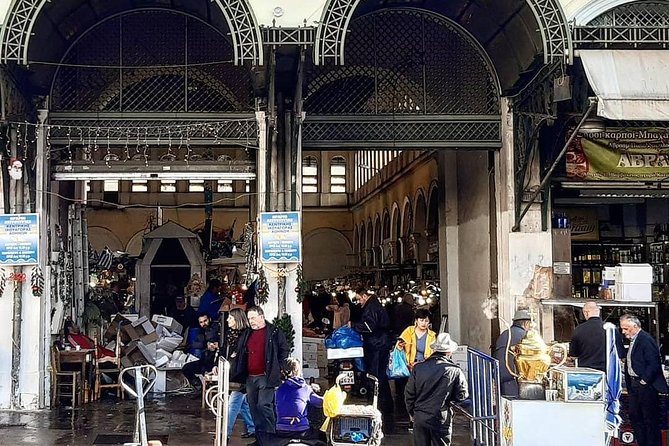
The Greek coffee break is a small feature, but it may be the most personal part of the walk. You stop at a traditional coffee shop that is described as a place you might not find on your own.
Greek coffee is strong and prepared in a small pot, with grounds left in the cup. The café stop gives you a pause after walking and a chance to ask questions in a quieter setting, depending on the day.
The coffee is included, but additional drinks and food are not. If you want a snack or another drink, plan to pay separately.
This stop also shows why the guide matters. A café recommendation is more useful when it comes with practical advice about what to order, when to return, and how it fits into the neighborhood. Several guide experiences specifically praised restaurant and café recommendations. That is valuable if you have several days in Athens and want to eat beyond the obvious tourist streets.
One criticism was that the guide sometimes pointed out popular places without arranging a refreshment break. The included coffee addresses part of that concern, but the experience can still vary by guide and timing.
Finishing in Kolonaki
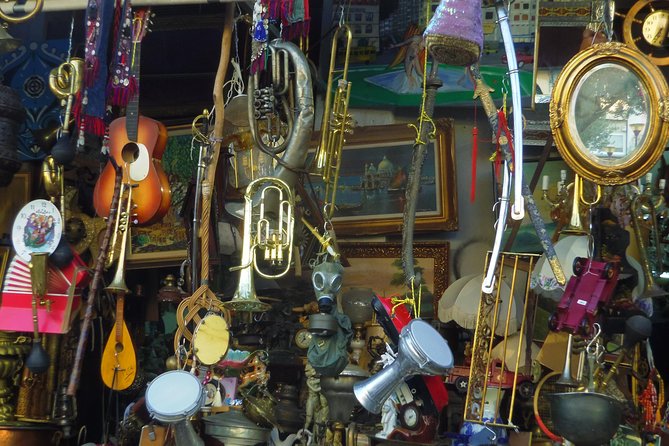
The walk ends in Kolonaki, Athens’ artistic quarter and main shopping area, on the slopes of Lykabettus Hill.
Kolonaki provides a clear contrast with Monastiraki and Psiri. The area is associated with galleries, shopping, cafés, and a more polished city atmosphere. Ending here gives you a practical choice: continue browsing, stop for a drink, or use public transportation to reach another part of Athens.
The supplied meeting information contains a small inconsistency. The route description says the walk ends in Kolonaki, while the additional meeting details say the activity ends back at the meeting point. Confirm the exact end point with Urban Athens Collective before setting a tight appointment afterward.
Kolonaki is a useful finish because you are not left at an isolated attraction. You can continue exploring independently, but you should not expect the guide to accompany you beyond the scheduled walk.
Guide quality and communication
The strongest part of this experience is the guide. Several named guides receive especially warm praise for being flexible, friendly, clear, and well informed about both ancient history and modern Greek life.
Dionysis is described as easy to understand and good at explaining everything from antiquity to daily life in Greece. Helena and Eleni are praised for their warmth, street-art knowledge, and ability to answer questions. Dennis is noted for changing the route when needed and finding a memorable coffee shop. Hercules is praised for personal restaurant advice and a relaxed manner.
Those details matter because this is not a headset tour. The value comes from conversation. You can ask why a neighborhood feels different, where to eat later, or how a modern issue connects with the city’s past.
Communication is not perfect for everyone. English ability and background noise can affect how much you take in. If formal explanation is your priority, tell the guide at the start. Ask for slower speech or more historical detail. The private setting gives you a reasonable chance to shape the experience.
How much walking and what to wear
The tour lasts roughly two and a half hours and moves through several neighborhoods. The information provided does not give a total distance, so I would prepare for a substantial city walk rather than a short stroll.
Wear comfortable casual clothing and sensible shoes. You will be outdoors, in markets, along city streets, and in areas with crowds and traffic noise. A hot day can change the experience. One scheduled participant skipped the walk when temperatures rose above 100 degrees, which is a useful reminder to consider the season and time of day.
There are several departure times, so choose a cooler period if possible. Carry water, even though the included coffee gives you one planned break.
The activity is near public transportation, and service animals are allowed. Most people can participate. Since this is a walking route through busy districts, ask the provider about any specific mobility concerns before booking.
Private format and value at $90.36
The listed price is $90.36 per person. That is not a bargain if you want only a quick orientation or if you already know central Athens well.
The value improves when you use the tour as a private introduction. Only your group participates, so the guide can answer personal questions, adjust the pace, and suggest places that match your interests. The coffee is included, but food, lunch, and other drinks are not.
For a first full day in Athens, the price can make sense. You get a broad route, practical neighborhood advice, a local guide, and a chance to see places you might otherwise pass without understanding. If you are already staying in Athens for a week and have walked through these districts on your own, the benefit may be smaller.
The tour is also more useful for couples, families, or small groups who want private conversation rather than a large scheduled group. Group discounts are available, so check the final per-person cost if you are booking for several people.
Who should book this Athens experience
I would recommend it to you if:
- You are visiting Athens for the first time.
- You want neighborhood life alongside ancient sites.
- Street art, markets, cafés, and local food interest you.
- You prefer questions and conversation over a fixed lecture.
- You want restaurant and coffee suggestions for later.
- You are comfortable walking for two and a half hours.
I would be more cautious if you want a specialist archaeological tour, a food tour with tastings, or a fast-paced route with many formal stops.
The 93 percent recommendation rate and 4.6 rating suggest a strong overall experience, but the lower scores point to real limits. A few people found the walk slow, light on historical explanation, or hard to follow in noisy conditions. The tour works best when you tell your guide what you want before the route gets underway.
Should you book Get Lost in Athens with an Insider?
Book it early in your Athens stay if you want a personal orientation to the city. The best reasons are the route through Psiri and Exarheia, the Central Market visit, the street-art focus, and the included coffee in a traditional café.
I would not book it as your only Athens history experience. Pair it with a major archaeological site or museum if ancient Greece is your main interest.
For a private walk that connects ruins with markets, street art, student life, and shopping, this offers a useful and human-scale introduction. Choose a cooler departure time, ask for the kind of information you want, and confirm the ending point before you schedule your next activity.
FAQ
Where does the tour start?
It starts in Monastiraki Square in Athens, Greece.
How long does the experience last?
The walk lasts approximately two hours and thirty minutes.
Where does the tour end?
The route description says it ends in Kolonaki. The additional meeting information says it ends back at the meeting point, so confirm the exact end point with the provider before booking another activity.
Is this a private tour?
Yes. Only your group participates.
Is the tour offered in English?
Yes. English is the listed language.
What neighborhoods does the tour visit?
The route includes Monastiraki, Psiri, Exarheia, and Kolonaki.
Which historic places are included?
The walk passes the Temple of Hephaestus, also called Theseion, and Kerameikos Cemetery. It also includes the Holocaust Monument and the Jewish Synagogue.
Is Greek coffee included?
Yes. A Greek coffee at a traditional coffee shop is included.
Is lunch included?
No. Lunch, food, and additional drinks are not included.
Can I cancel for a full refund?
Yes, if you cancel at least 24 hours before the experience start time. Cancellations made less than 24 hours in advance are not refundable, and changes within that period are not accepted.
New on the Athens shelf
- Acropolis of Athens, Parthenon and Acropolis Museum private tour with dinner★ 5.0 · 77 reviews
- Small-Group Wine Tour in Athens with Tasting★ 5.0 · 33 reviews
- Private Athens Transfer Airport/Port -Greek Tours-Hourly service★ 5.0 · 88 reviews
- VIP Private Guided Tour of Athens Acropolis & Plaka in a Sidecar★ 5.0 · 108 reviews
- Athens Moonlight Waling Tour with Drinks and Meze Dishes★ 5.0 · 259 reviews
- Private Athens Landmarks Layover Tour★ 4.5 · 41 reviews
- Departure Transfer from Athens City to Athens Airport★ 5.0 · 41 reviews
- Classic Athens Food Tour with Local Drink & Market Visit★ 5.0 · 34 reviews
Athens Tours, compared.
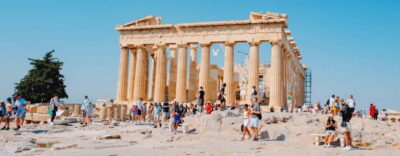
Acropolis & up to 5 Archaeological Sites Combo Pass
Read our verdict →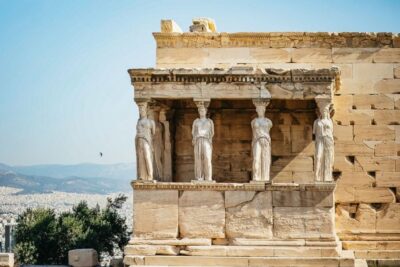
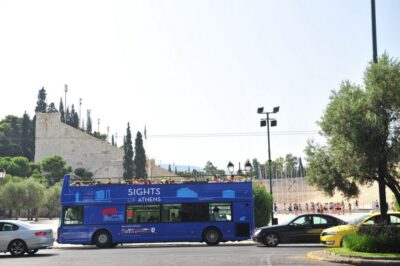
Athens, Piraeus, and Coastline: Blue Hop-On Hop-Off Bus
Read our verdict →