
Review · COOKING CLASSES
Chania: Authentic Cooking Class in the White Mountains
The best part of this Chania cooking class is that it takes you out of town and into a working family setting below the White Mountains. You stroll through a vegetable garden, meet the people who care for the property, hear stories about Cretan food and family life, then sit down to eat what you helped prepare. This is a cooking class with a strong sense of place, not a lesson held in a standard studio kitchen.
I like the mix of hands-on cooking and local context. I also like that the meal is built around organic ingredients, extra virgin olive oil, herbs, vegetables, meat, cheese, and wine. The main thing to consider is the length: the advertised duration is six hours, but an afternoon departure can bring you back to Chania quite late.
Key points to know before booking
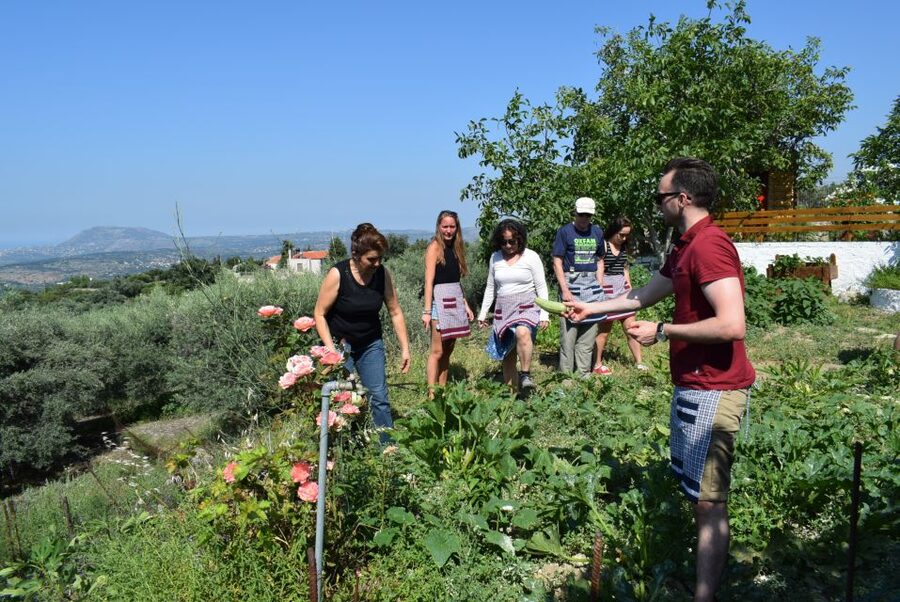
- A family home below the White Mountains: You cook and eat in a welcoming private setting with mountain and bay views.
- More than a recipe lesson: The day can include a garden walk, olive-growing stories, local history, wine tasting, and feeding sheep or goats.
- Cretan dishes you can repeat at home: You help prepare ntakos, tzatziki, and other traditional recipes, then receive the recipes by email.
- Guides add real character: Alex, Yannis, Costa, and Giannis are among the guides praised for clear explanations, humor, and smooth organization.
- A full meal is included: Cheese, wine, appetizers, dinner, and traditional jar desserts are part of the experience.
- Plan for comfort: Wear shoes suitable for a short mountain walk, bring sunglasses and a jacket, and carry a water bottle.
A family welcome at the foot of the White Mountains
Pickup begins at selected locations in the Chania region, with transport in an air-conditioned minivan. That matters here. The cooking venue is outside central Chania, and having a driver means you can enjoy the wine tasting without worrying about the ride back.
The route is part of the experience. Guides such as Alex, Yannis, Costa, and Giannis use the drive to explain Cretan customs, local food, the island’s past, and the countryside around Chania. Their role is not limited to driving. They translate cooking instructions when needed, keep the schedule moving, answer questions, and help the group connect.
The group is small enough to feel personal, although the exact number can vary. One account describes a group of around 15 that still felt private and relaxed. That is a useful expectation: this is a shared activity, not an exclusive meal for just your own party.
On arrival, you are welcomed into a family home with old photographs, restored rooms, and views toward the mountains and bay. Several parts of the property have a distinctly personal feel, including a restored house and family details that give the visit more meaning than a quick stop at a commercial cooking school.
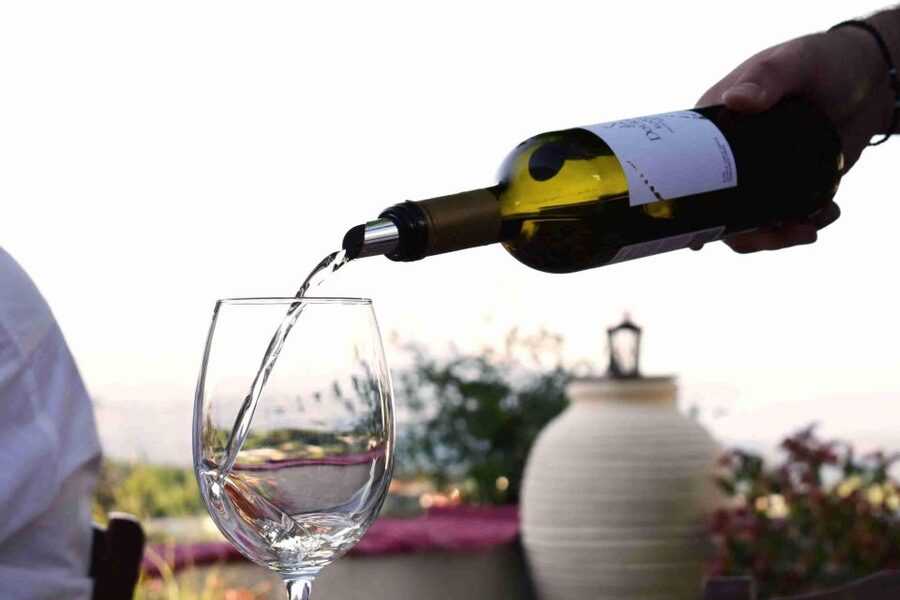
The welcome may include raki, wine, cheese, olives, and fresh produce. Alcohol is part of the food experience, so tell the guide if you prefer not to drink. You can still take part in the cooking and meal without making the tasting the center of your visit.
More Cooking Classes in Chania:
- Chania Cooking Class-The Authentic Enjoy traditional Cretan meal
★ 5.0 · 339 reviews - Chania: Authentic Cooking Class
★ 5.0 · 74 reviews - Athens: Classic Cooking Class with Market Visit and Wine
★ 5.0 · 1,101 reviews
The garden is your first kitchen
The class begins with a walk through the vegetable garden. This is a smart way to introduce Cretan cooking because you see the raw ingredients before they appear on the table. You learn about vegetables, herbs, and the role of fresh produce in everyday cooking.
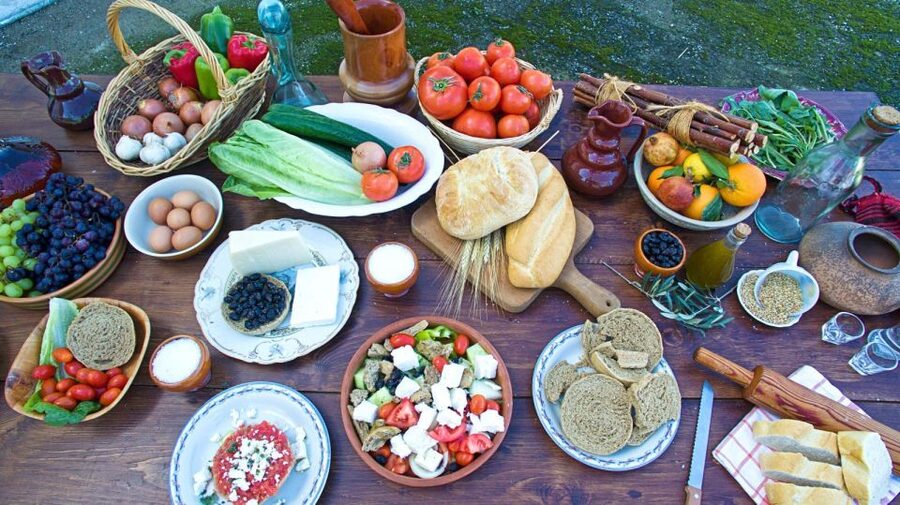
The emphasis is on simple ingredients used well: extra virgin olive oil, vegetables picked close to the meal, aromatic herbs, locally sourced meat, cheese, and wine. Cretan food can look modest on the plate, but it depends heavily on freshness and generous use of olive oil. The class helps you understand that technique is often less important than the quality of what goes into the pot.
This is also a good stop for people who want more than a list of recipes. Guides explain why particular foods matter in Crete and connect the dishes to farming, olive harvesting, and family customs. You might hear how olive oil is produced and why it has such a large role in local cooking.
Bring a water bottle. One practical drawback is that there may not be many chances to get water during the first part of the outing. Comfortable shoes are also useful because the property includes outdoor areas and a short walk.
A short walk brings olive stories and farm life
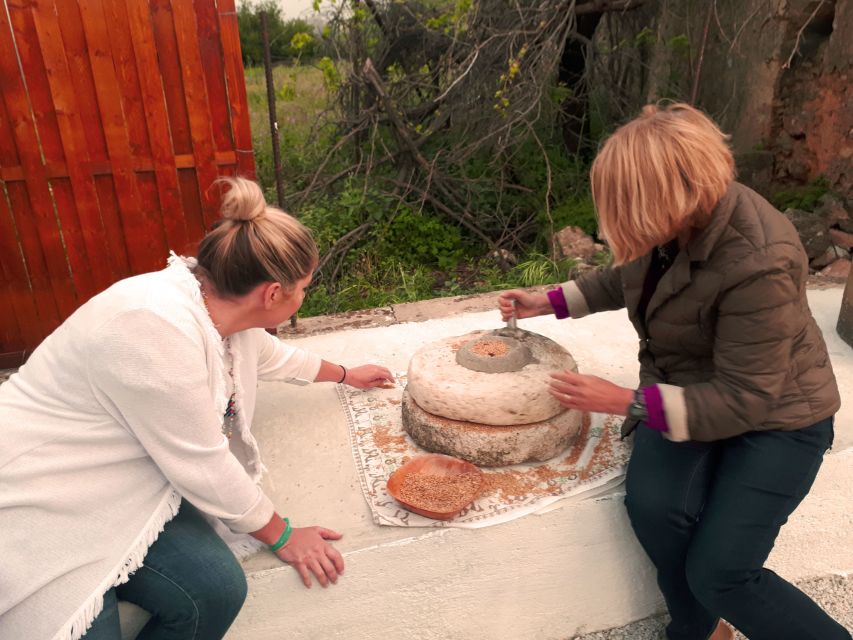
The activity includes a scenic walk to a shepherd’s enclave. The walk gives you a closer look at the rural setting and adds a break between the garden and the cooking session. It is not simply filler. The setting helps explain how food, animals, trees, and family land fit together in traditional Cretan life.
You may also get to feed sheep or goats. This small moment has become one of the memorable parts of the visit, especially for families and anyone who enjoys seeing more than a polished food demonstration. The experience remains gentle and informal, with the animals and farm providing a real connection to the place.
The walk is not described as a strenuous hike, but you should still wear sensible footwear. Sunglasses are useful in bright weather, and a jacket helps in the mountains or later in the evening. The White Mountains can feel cooler than Chania, particularly after sunset.
The outdoor portion can vary with the season and conditions. In warmer months, the views and open-air setting make the visit especially appealing. In cooler months, you may get a smaller group and a more intimate meal, but pack an extra layer.
Cheese, wine, and the first Cretan dishes
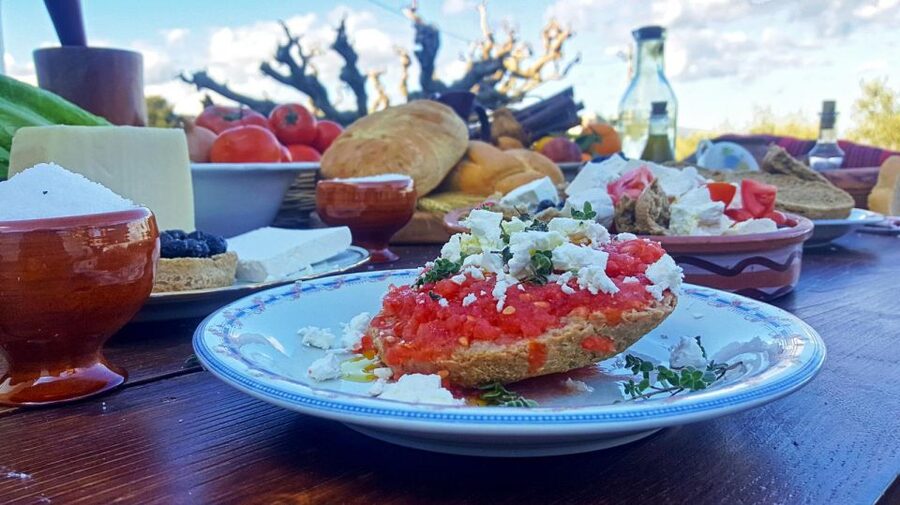
Back at the house, the food portion begins with local cheese and wine. This tasting gives you a chance to settle in before the main cooking work starts. You may sample cheese, olives, wine, and other local products while the guide explains what you are tasting.
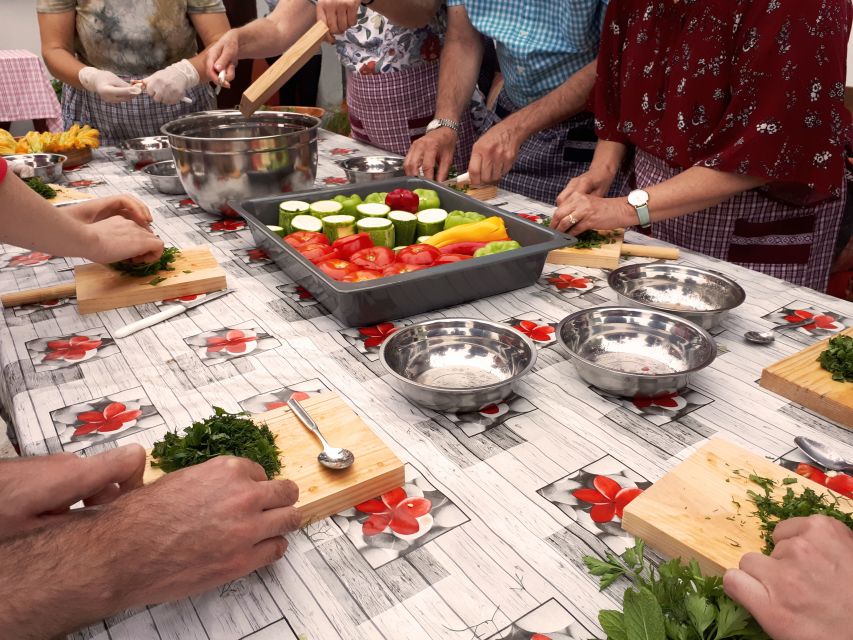
The first dishes include ntakos and tzatziki. Ntakos is a Cretan staple built around a crisp barley rusk, tomato, olive oil, and cheese. Tzatziki is familiar to many people, but preparing it with local guidance shows how texture, garlic, herbs, and the amount of oil affect the final dish.
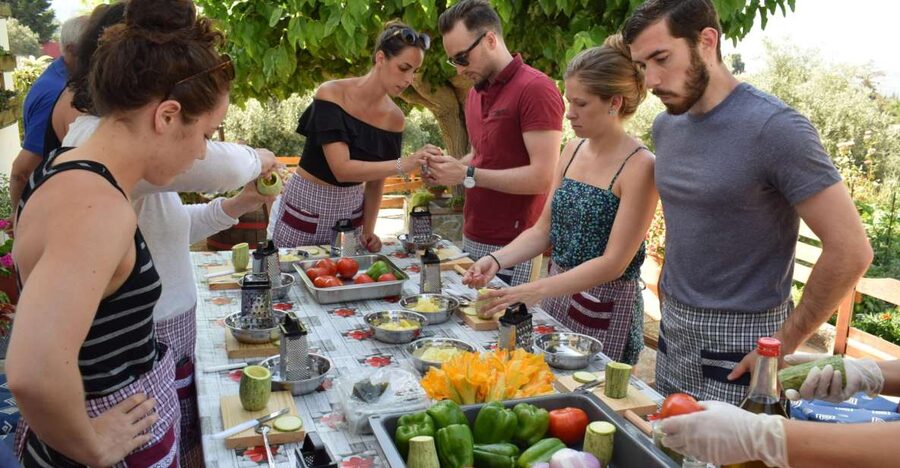
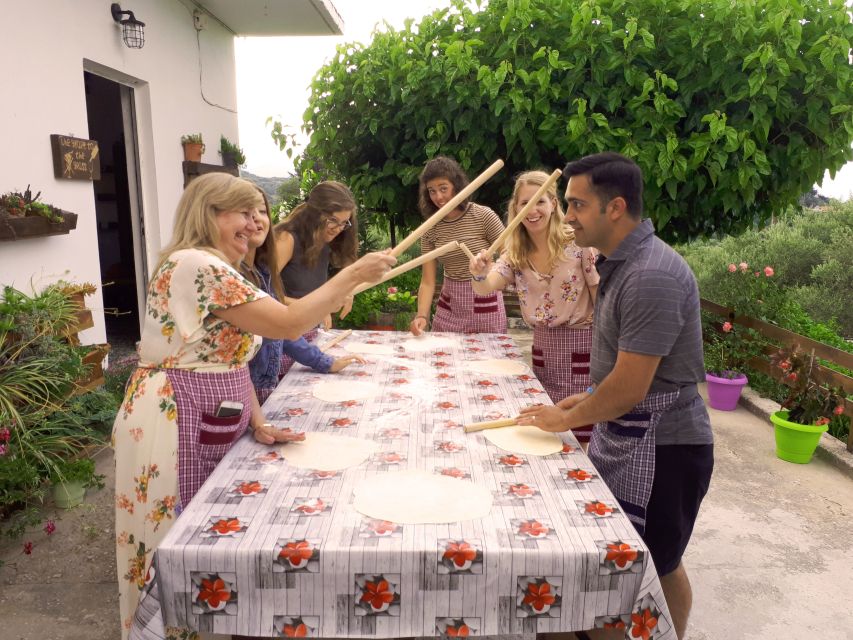
You are not just watching someone cook. You help prepare the meal, use the utensils and apron provided, and work alongside the hosts and the other members of your group. The cooking is designed for participation rather than professional skill, so you do not need to arrive with advanced kitchen experience.
The language of instruction is English. Some hosts may demonstrate in Greek, with the guide translating and explaining the steps. That arrangement can make the class feel more like a visit to a real home than a formal lesson, though instructions may be less standardized than in a cooking school.
Maria is the chef named most often in the experience details. She is described as warm, cheerful, and clear in her demonstrations. Her role, along with the family’s hospitality, gives the cooking section its personal tone.
A few more Chania options worth putting side by side
- From Kissamos Port: Boat Cruise to Balos Lagoon & Gramvousa
★ 4.2 · 6,755 reviews - From Chania: Full-Day Samaria Gorge Trek Excursion & Guide
★ 4.6 · 3,191 reviews - From Chania: Day Trip to Elafonisi Island Pink Sand Beach
★ 4.5 · 2,014 reviews - Crete: Rethimno, Chania, and Kournas Lake Day Trip
★ 4.4 · 1,694 reviews
Cooking dinner together under mountain views
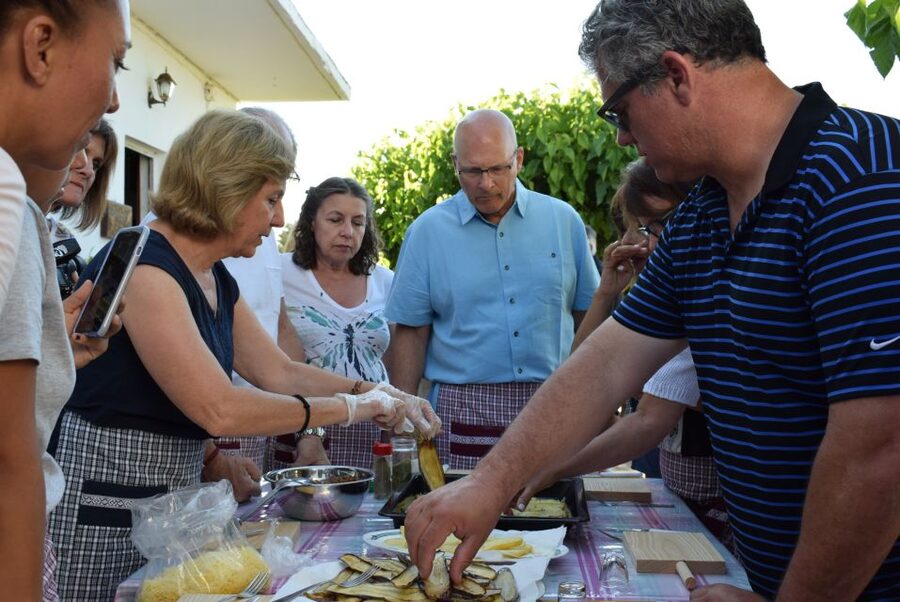
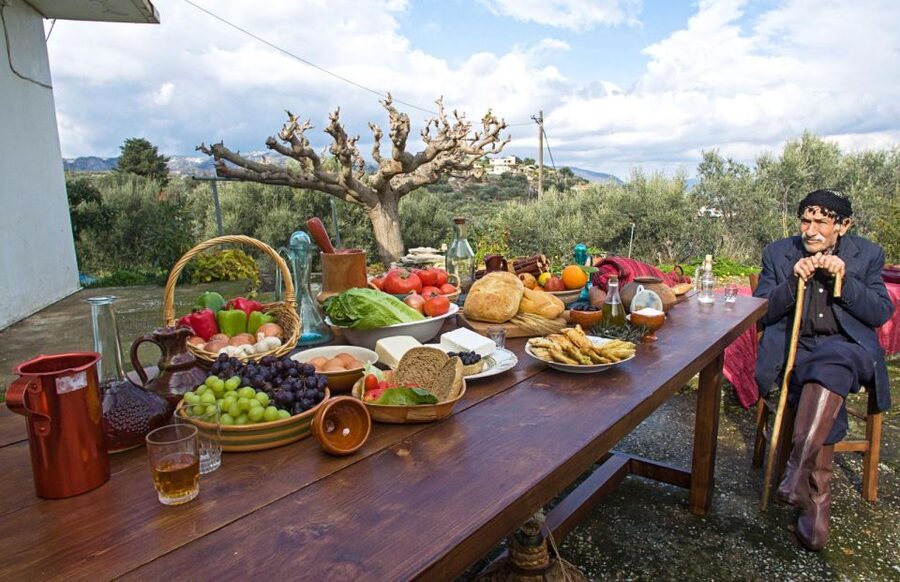
The main meal is prepared as a group and served after the cooking is complete. The menu can include appetizers such as ntakos and tzatziki, a dinner featuring meat and vegetables, regional wine, and traditional jar desserts. The exact dishes may change with the season and available ingredients.
I like the way this format turns dinner into a shared event. You do not simply receive a plate at the end of a lesson. You sit with the people you cooked alongside and see how separate tasks become one meal. Solo visitors can fit in well because the setup encourages conversation around a common table.
The setting adds much of the charm. The meal may be served outdoors, with views toward the bay and mountains. One account describes dining beneath the stars, while other details point to tables near a walnut tree and wide views from the property. Conditions and timing will affect the setting, but the meal is clearly meant to be savored rather than rushed.
The food is a strong reason to book. Ingredients come from the garden or local suppliers, and the meal includes wine and cheese as well as the dishes you prepare. You also receive recipes by email, so the class can continue after you return home. Tzatziki is one recipe that is simple enough to make again without special equipment.
The hosts also provide commemorative gifts, along with photos of the experience. These are useful extras, especially if you are traveling light and do not want to spend the evening taking pictures instead of joining the group.
Why the guides matter
The guide can shape the entire day. Alex is repeatedly singled out for his humor, warmth, clear explanations, and ability to keep everyone involved. Yannis, Costa, Giannis, and other guides are also identified with strong knowledge of Cretan culture, food, and local history.
That matters because the cooking itself may take only part of the six hours. The guide fills the rest with context, translation, transport, and conversation. You are not left guessing what a dish means or why a family tradition matters.
The guide also helps when the group includes people with different needs. Solo visitors have been made to feel included, and one family was able to accommodate a member who did not speak English by allowing extra time for translation. That is a good sign for mixed-age and international groups.
Do keep in mind that guide names can change by date. You may meet Alex, Yannis, Costa, Giannis, or another member of the team, so book for the style of the experience rather than one specific person unless your booking confirms the guide.
Is $129 a fair price?
At $129 per person, this is not the cheapest food activity in Chania. It is also not just a two-hour cooking demonstration. The price covers pickup and return from selected Chania locations, a driver and guide, minivan transport, the class, ingredients, apron and utensils, wine and food tasting, the full meal, gifts, photos, recipes, insurance, and local taxes.
The value improves if you would otherwise pay separately for transport, dinner, and a countryside excursion. You get a six-hour outing, a substantial meal, drinks, a garden and farm visit, and local interpretation in one package.
The price is less compelling if you want a short, highly technical lesson focused only on cooking. You may spend as much time hearing stories, walking, tasting, and meeting the family as you do chopping and stirring. For me, that is the point, but it may not suit someone looking for a focused chef-led workshop.
The high rating of 4.9 from 529 bookings reflects unusually consistent praise, especially for the guides, the family hosts, the setting, and the food. Transport also receives a 95 percent perfect score. Still, allow for the normal limits of a rural group outing: departure times can vary, the group size is shared rather than private, and the return may be late.
Timing, pickup, and useful packing advice
The stated duration is six hours, with starting times based on availability. Afternoon and evening departures are common for this kind of meal, and one account notes a return after 11 p.m. Check the exact start time before booking and avoid scheduling a tight evening commitment afterward.
Pickup is included only from specific locations within the Chania region. Confirm that your hotel or a nearby meeting point is covered. If it is not, you may need to reach the pickup point yourself.
Pack:
- Comfortable walking shoes
- Sunglasses
- A jacket
- A water bottle
You do not need to bring cooking equipment or ingredients. Aprons and utensils are provided, and the recipes and photos are sent by email after the experience.
Free cancellation is available up to 24 hours before the activity for a full refund. You can also reserve now and pay later, which helps if your Chania plans are still shifting.
Who will enjoy this Cretan cooking class?
I would choose this experience if you want to connect food with ordinary life in Crete. It works particularly well for couples, families, solo visitors, and small groups who enjoy meeting local people rather than moving from one sight to the next.
It is also a good pick if you want a countryside outing without arranging a rental car. The minivan, guide, meal, and return ride remove much of the planning.
You should think twice if you dislike group meals, outdoor walking, wine-based tastings, or late returns. The activity is relaxed, but it is not a quick stop. You also need to be comfortable with a class where demonstrations may involve translation and where the final menu can depend on what is fresh.
Should you book it?
Yes, if you want a full evening built around food, family hospitality, and the White Mountains rather than a standard cooking lesson. The strongest reasons to book are the personal home setting, the garden ingredients, the shared dinner, and guides such as Alex, Yannis, and Costa who add useful context and humor.
Book it early if your Chania dates are fixed, especially outside the main summer season when other excursions may operate less often. Just confirm your pickup point, carry water, wear proper shoes, and leave your evening open. For $129, you are paying for much more than recipes: you are buying transport, dinner, a rural visit, and an unusually direct introduction to Cretan life.
FAQ
How long does the cooking class last?
The activity is listed as six hours. Depending on the departure time and return journey, you may arrive back in Chania late in the evening.
What food will I prepare?
The class includes traditional Cretan recipes, with appetizers such as ntakos and tzatziki. You help prepare a larger dinner using vegetables, herbs, olive oil, meat, and other local ingredients. The exact menu may vary.
Is wine included?
Yes. Wine and food tasting are included, along with Cretan cheese. Regional wine is also served with the meal.
Is transportation included?
Yes. Pickup and drop off from selected locations within the Chania region are included. Transport is provided in an air-conditioned minivan.
What language is the class taught in?
The listed instruction language is English. The guide can explain and translate the hosts’ demonstrations when needed.
What should I bring?
Bring comfortable shoes, sunglasses, a jacket, and a water bottle. Aprons, cooking utensils, and all ingredients are provided.
New on the Chania shelf
- Chania Area: Food Tasting Tour with Winery Visit & Swim Stop★ 4.5 · 58 reviews
- Rethymno: Glyka Nera, Loutro, & Sfakia Day Trip★ 4.9 · 26 reviews
- Samariá Gorge Hike: Day Excursion from Chania★ 4.4 · 49 reviews
- Crete: Samaria Gorge Hike★ 4.4 · 201 reviews
- Rethymno: Gramvousa & Balos Lagoon Day Trip with Boat Ticket★ 4.6 · 249 reviews
- From Rethymno: Lake Kournas and Villages Full-Day Tour★ 4.4 · 45 reviews
- Chania: Paratriking Experience with a Professional Pilot★ 4.7 · 43 reviews
- From Chania: Guided Tour to Loutro (Boat tickets Included)★ 4.9 · 37 reviews
Cooking Classes, compared.
Classic Cooking Class with Market Visit and Wine
Read our verdict →
Food Market Visit and Cooking Class with Wine
Read our verdict →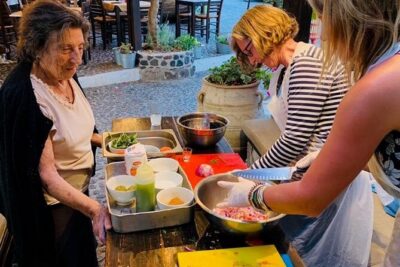
Greek Cuisine Cooking Class in Santorini with Recipes and Wine
Read our verdict →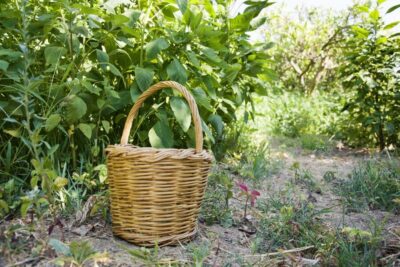
Half-Day Cooking Class at Basiliko Family Tavern
Read our verdict →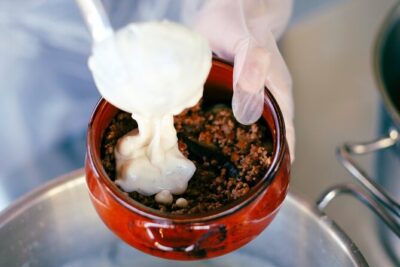
Greek Cooking Class in Athens Including Rooftop Dinner with Acropolis View
Read our verdict →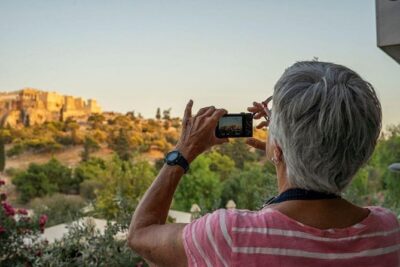
Greek Small-Group Athens Cooking Class & Dinner
Read our verdict →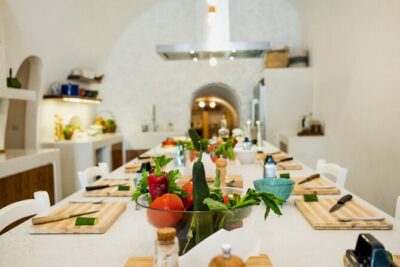
Exclusive Cooking Experience in our Cave Home by Petra Kouzina
Read our verdict →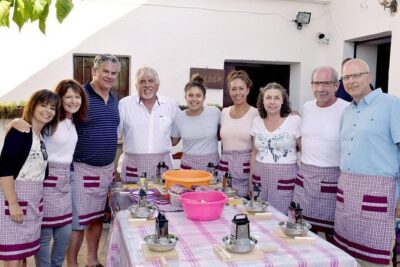
Browse the lists this tour appears in