
Review · OLIVE OIL TOURS
Traditional Olive Grove and Dragon Fruit Farm Tour
Crete’s liquid gold gets a fresh twist here: alongside old olive trees, you’ll see dragon fruit, a relatively new crop on the island. I like the hands-on approach, especially the chance to handle traditional tools and, when fruit is available, harvest your own dragon fruit. I also like that the visit ends with a generous tasting rather than a rushed sip of oil.
The main consideration is that the farm tour itself may take about an hour, even though the experience is sold as 90 minutes and can run longer. That is not a problem if you value a relaxed tasting, but you should not expect a large museum or a full-day farm program.
Key points to know before you go
- Five generations of farming: The family has cultivated olive trees for more than five decades, with about 2,500 trees on the property.
- Two crops, one visit: You learn traditional olive growing and harvesting, then see how dragon fruit is being cultivated in Crete.
- Alex leads the visit: He guides in English and Greek, explains the work clearly, and welcomes questions.
- Tasting is a real part of the experience: Expect olive oil with local bread, olives, and a selection that may include yogurt, honey, marmalade, tomatoes, and dragon fruit.
- Private and low-key: The tour is for a private group, with free parking beside the farm sign.
- Good value at $9: For a short cultural stop with a farm walk, tasting, and drink, the price is especially appealing.
A working Cretan farm, not a staged attraction
This experience gives you a look at farming as a family trade rather than a polished food show. The farm has been in the family for five generations, and olive cultivation has been part of its work for more than 50 years.
That matters because the visit is built around practical knowledge. You walk among the trees, see the plants up close, and learn what goes into raising olives before they ever reach a bottle. Alex explains cultivation, the harvest, and olive oil extraction, then shows you the tools used in the process.
I like this format for a first introduction to Cretan olive oil. You do not need to know anything about farming before arriving. The explanations are designed for ordinary visitors, and the guide is happy to answer questions rather than simply deliver a fixed speech.
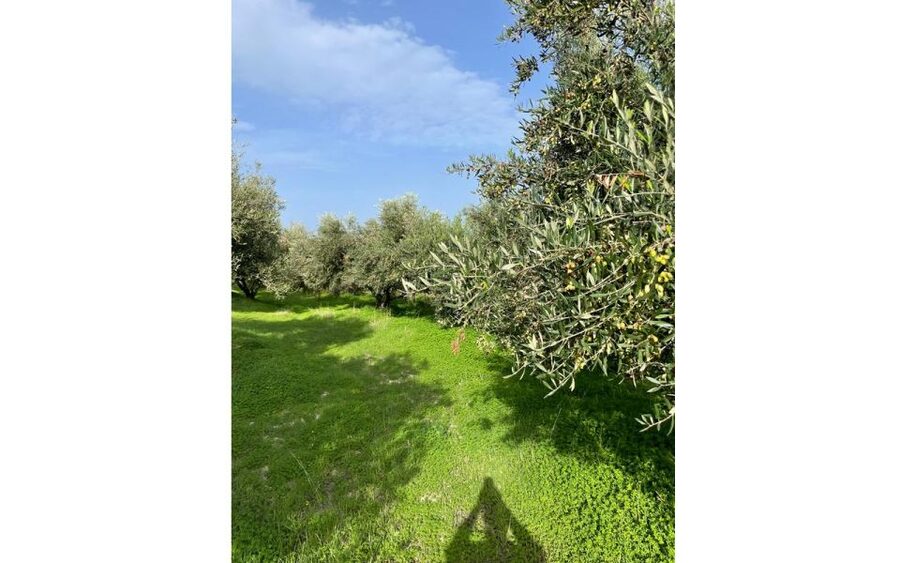
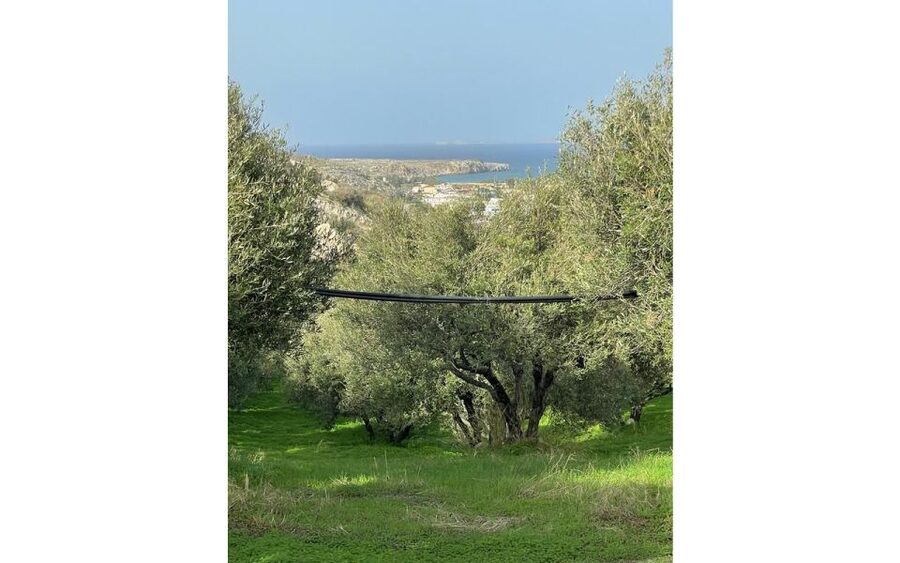
The setting also gives the experience a pleasant rhythm. You start outdoors among the trees, take in views across the farm, and later sit on the patio with coffee or tea and food. It feels closer to a family visit than a formal production tour.
More Olive Oil Tours in Heraklion
- Knossos-Zeus Cave -Old Traditional Villages-Olive Oil Factory
★ 5.0 · 694 reviews - Heraklion: Olive Farm Tour with Tasting of Local Delicacies
★ 4.9 · 411 reviews - Heraklion: Knossos, Zeus, Villages & Olive Oil Factory Tour
★ 5.0 · 88 reviews
Meeting Alex beside the olive grove
The meeting point is marked by the farm’s sign on the right side of the road as you drive up. Parking is free and located next to the sign, which makes arrival simple if you are driving.
The tour is available in English or Greek, and Alex is the main guide. His English is clear, and he explains both the family business and the crops in an easy, conversational way. He is also described as friendly and funny, which helps keep the agricultural details from becoming too technical.
Because the group is private, you can ask questions without feeling that you are holding up a large crowd. That is useful if you are curious about olive varieties, harvest timing, tools, oil production, or why dragon fruit has begun to grow well in Crete.
You should still expect a working farm, not a visitor center with extensive indoor displays. Much of the visit happens outside, so sensible shoes and protection from the sun are wise. Bare feet are not allowed, and the property also prohibits alcohol, drugs, littering, and explosive substances.
Walking among the olive trees
The olive grove is the traditional heart of the experience. As you walk through it, Alex explains how the trees are cultivated and what happens during harvesting. You can see and touch the tools, and you may have a chance to try them yourself.
That hands-on element gives the talk some purpose. Instead of hearing a list of farming terms, you connect the explanation to the equipment and the trees in front of you. If you have only tasted olive oil from a supermarket bottle, this is a useful introduction to the work behind the product.
The farm has roughly 2,500 olive trees, so the grove is not just a token planting beside a tasting room. The trees are part of an active agricultural operation. You also learn about extraction, which helps explain why freshness, handling, and production methods affect the final oil.
I would not book this expecting a detailed technical course in olive science. The tour is short, and the explanations are aimed at visitors with different levels of interest. But for a 90-minute stop, it gives you enough context to make the tasting more meaningful.
The best time to see harvesting in action depends on the season and the farm’s work schedule. The activity focuses on the cultivation and harvesting process, but it does not promise a full harvest demonstration on every date. Ask Alex what is happening on the farm during your visit if that part matters most to you.
Dragon fruit in the Cretan sun
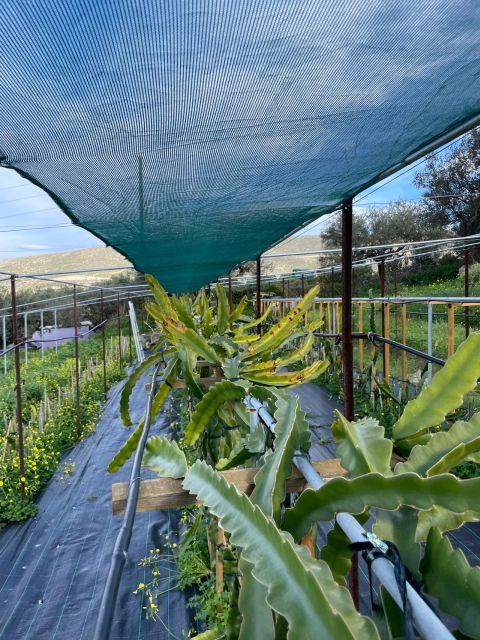
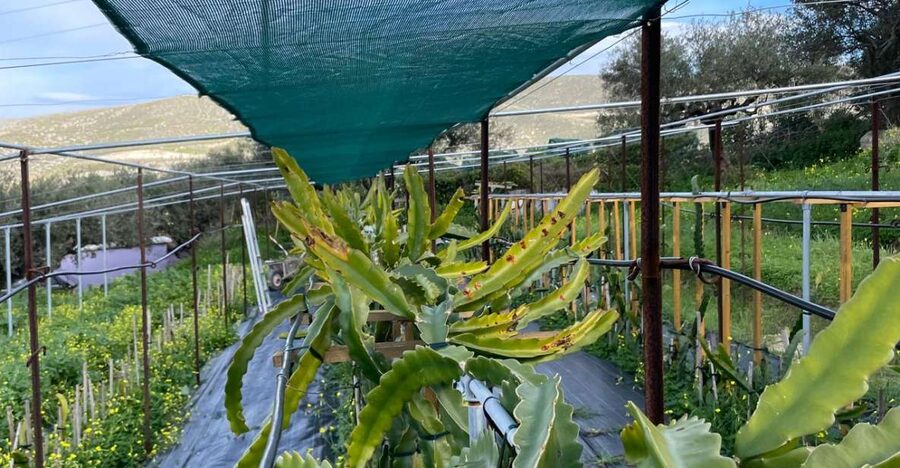
The dragon fruit section gives the tour its most unusual feature. Crete is strongly associated with olives, so seeing an oriental fruit being grown on the island adds a surprising second chapter.
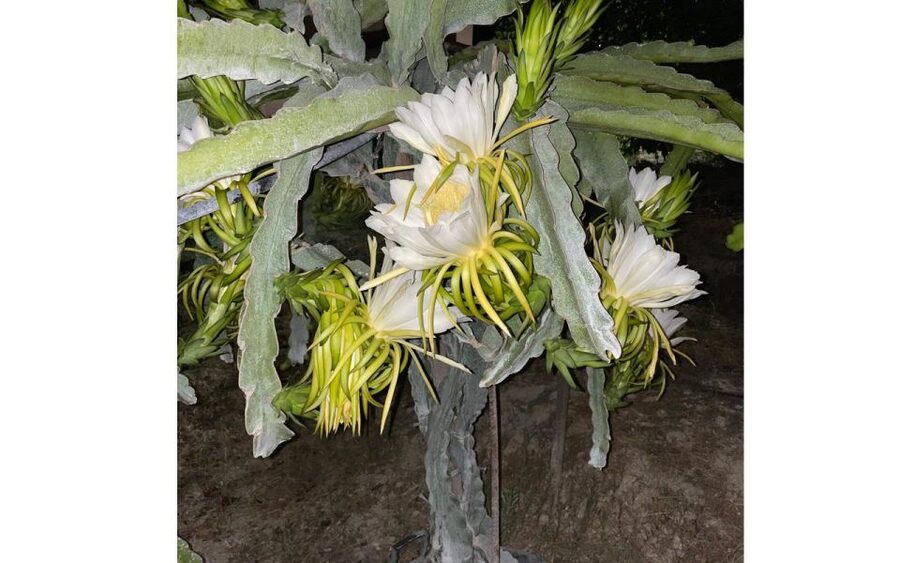
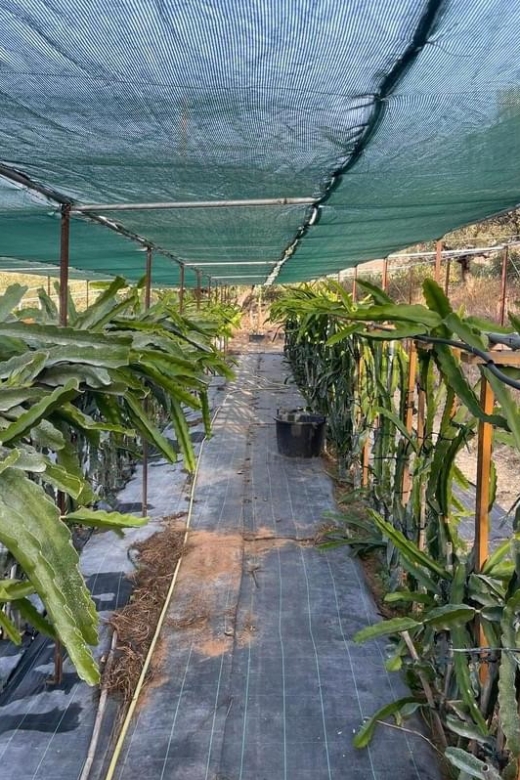
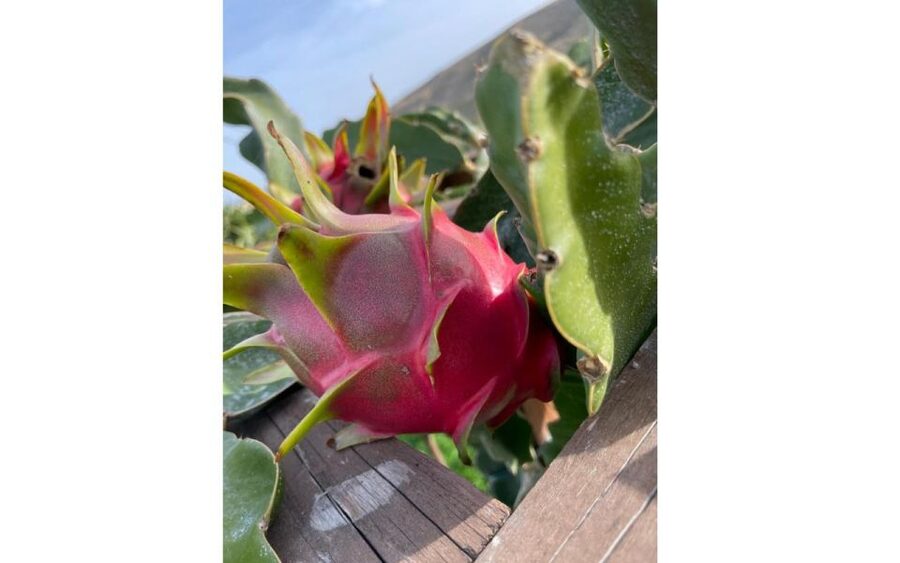
Alex explains how dragon fruit has developed as a newer crop in Greece and why it has found suitable conditions in Crete. You walk around the plants, learn about their cultivation, and, when fruit is available, you can harvest your own.
Availability is important here. Do not assume that every visit includes picking fruit. The experience allows it when the farm has fruit ready, and the timing of your visit will affect what you see.
You may also taste dragon fruit and products made with it. Dragon fruit tea is one of the drink choices, and the tasting can include a generous platter of fresh fruit. Dragon fruit tea and local Cretan herb tea are available alongside espresso or Greek coffee.
This part is especially good for families and curious eaters. Children and teenagers can see a crop they may know from shops or restaurants growing in a real field. Adults get a useful look at how Cretan agriculture is changing beyond its most famous crop.
Close by, and nothing like it:
- Heraklion: Dia Island Sailboat Cruise with Swimming and Meal
★ 4.8 · 2,579 reviews - Crete: Knossos Palace Entry Ticket with Optional Audio Guide
★ 3.9 · 2,251 reviews - Heraklion Area: CRETAquarium Admission Ticket
★ 4.4 · 2,055 reviews - Crete: Palace of Knossos E-Ticket and Audio Guide
★ 3.8 · 1,540 reviews
The patio tasting with bread and olive oil
The tasting is not an afterthought. It is the part that turns the farm walk into a complete food experience.
You taste the farm’s olive oil by dipping local bread into it, the simple way many people in the region judge and enjoy oil. You may also be offered olives, yogurt, tomatoes, honey, marmalade, and other homemade products. The exact selection can vary, but expect more than a tiny sample in a plastic cup.
The tasting is served on the patio, where you can have espresso, Greek coffee, or dragon fruit and local Cretan herb infused tea. The shaded waiting and sitting area is useful in warm weather, particularly after walking among the trees.
I like that the tasting keeps the food uncomplicated. Bread, oil, olives, yogurt, and fruit let you focus on flavor without a long lecture or elaborate presentation. It also gives you time to sit down, talk with your group, and ask Alex follow-up questions.
The farm sells olive oil, olives, dragon fruit products, tea, and fruit when available. Purchases are not included in the admission price, so you pay separately for anything you take home. That is helpful to know if you are comparing the $9 admission with a food tour that includes a larger take-home package.
How the 90 minutes usually works
The advertised duration is 90 minutes. The guided farm portion is about one hour, followed by roughly 30 minutes for the patio break and tasting. The full visit may run between one and two hours depending on the pace of the group and the time spent eating, asking questions, or shopping.
A typical visit follows this pattern:
- You arrive at the farm sign, park beside it, and meet Alex.
- You walk through the olive grove and learn about cultivation, tools, harvesting, and extraction.
- You visit the dragon fruit plantings and hear about this newer crop in Crete.
- You return to the patio for coffee or infused tea and the olive oil tasting.
- You can buy farm products if you wish, then leave from the same farm.
Some people may find the guided walk shorter than expected. The farm is relatively compact, and once you have seen the trees, tools, and dragon fruit, there is no need to stretch the visit artificially. I see the shorter guided portion as reasonable, provided you treat the patio tasting as part of the tour rather than extra time after it.
Why the $9 price is strong
At $9 per person, this is one of the easier farm experiences to fit into a Cretan itinerary. You receive a guided visit, a drink, an olive oil tasting, and food samples in a private-group setting.
The value comes from the combination. A short walk alone might not justify a special detour, and a small tasting alone could feel limited. Together, the farm setting, agricultural explanation, dragon fruit stop, and food make the admission feel worthwhile.
The tasting also appears generous for the price. Expect local bread with olive oil and possibly a wider spread of olives, yogurt, honey, marmalade, tomatoes, and fruit. The exact serving depends on what the farm has available, but the experience is clearly designed to feed your curiosity as well as your appetite.
You should keep your expectations sensible. The fee does not include bottles of oil, packaged olives, tea, or dragon fruit to take home. Those are available for purchase if you want them. If you are looking for a formal oil certification session or a long production demonstration, choose a more specialized food tour.
Who will enjoy this farm visit most
I would recommend it to anyone who wants a short, local experience between larger Cretan sights. It works particularly well for:
- Families with older children and teenagers who enjoy seeing unusual crops.
- First-time visitors who want basic context about olive oil.
- Food-focused visitors who prefer tasting in a working farm setting.
- Couples and small groups who value a private guide.
- Anyone looking for a quiet alternative to crowded attractions.
- Visitors driving through the area who can make use of the free parking.
The activity is not suitable for babies under one year or people over 95. That rule is stated directly for the experience, so check it carefully when booking for a multigenerational group.
You should also be comfortable walking around an agricultural property and being outdoors. The tour is not presented as a fully accessible indoor attraction, and the supplied details do not promise special accessibility arrangements.
Booking, timing, and small practical tips
You can cancel up to 24 hours before the visit for a full refund, and the reserve-now, pay-later option lets you hold a place without paying immediately. Starting times vary, so check availability for your date.
I would arrive with enough time to find the farm sign. The meeting point is on the right as you drive up, and free parking is beside it. Further directions may be sent after booking, which is useful because a farm entrance can be easy to miss.
Wear closed shoes, bring sun protection, and keep water with you unless you are happy waiting for the included coffee or tea. The farm offers a shaded patio, but the grove itself may be exposed.
If you have dietary concerns, ask before the tasting. The listed foods include bread, olive oil, olives, yogurt, honey, marmalade, tomatoes, and fruit, but no special dietary menu is promised. Do not assume every product will be available at every visit.
Should you book the Traditional Olive Grove and Dragon Fruit Farm Tour?
Book it if you want an affordable, personal look at two sides of modern Cretan farming. The family olive business, the unusual dragon fruit crop, Alex’s clear English, and the generous patio tasting give the visit more substance than its short length suggests.
Skip it if you want a large-scale mill tour, a long harvest demonstration, or a full-day agricultural program. The guided portion can be brief, and the setting is informal.
For $9, I think it is an easy recommendation for a curious family, food lover, or independent driver. Treat it as a relaxed farm visit with a tasting, not as a major attraction, and the experience should fit neatly into a day in Crete.
FAQ
Where is the Traditional Olive Grove and Dragon Fruit Farm Tour?
The experience takes place at the Traditional Olive Grove and Dragon Fruit Farm in Crete, Greece. The meeting point is marked by the farm sign on the right side of the road as you drive up.
Is parking available?
Yes. Free parking is available next to the farm sign and meeting point.
How long does the tour last?
The advertised duration is 90 minutes. The guided farm visit takes about one hour, followed by around 30 minutes for a break and tasting. The total visit may last between one and two hours.
What languages does Alex speak?
The live tour is offered in English and Greek.
Is the tour private?
Yes. The activity is organized as a private group.
What will I learn about olive trees?
You learn about olive tree cultivation, harvesting, the tools used on the farm, and olive oil extraction. You can see and touch some of the tools and may be able to try them.
What is the dragon fruit part of the tour?
You visit the dragon fruit plants and learn about this newer crop in Crete. You may harvest your own fruit if it is available during your visit.
Is food included?
Yes. The admission includes an olive oil tasting with local bread. The tasting may also include olives, yogurt, honey, marmalade, tomatoes, and dragon fruit.
What drinks are included?
You can choose espresso coffee, Greek coffee, or dragon fruit and local Cretan herb infused tea.
Can I buy farm products?
Yes. You can purchase products separately, including olive oil, olives, specially packed items, dragon fruit when available, and dragon fruit tea. Purchases are not included in the admission price.
More Farm Visits near Heraklion
- Mykonos: Farm, Ano Mera Village, and Beaches Guided Tour
★ 4.4 · 1,283 reviews - Crete: Road-trip to Lasithi Plateau & Olive Mill Farm
★ 4.4 · 420 reviews - Crete: Knossos, Lasithi, Lasinthos and Olive Farm Combo Tour
★ 4.5 · 351 reviews - Naxos Perivoli Farm Experience & Wood-fire Cooking Class
★ 5.0 · 339 reviews
New on the Heraklion shelf
- Knossos Palace and Pottery experience (Luxury Adventure)★ 4.5 · 32 reviews
- Heraklion: Dia Island Sunset Boat Tour with Dinner★ 5.0 · 61 reviews
- Heraklion: Sunset Safari with Dinner & Prosecco★ 4.9 · 38 reviews
- Heraklion: Self-Driving 4X4 Jeep Off-Road Tour with Lunch★ 4.6 · 26 reviews
- Hersonissos: Rent a Boat – No License Needed★ 4.9 · 93 reviews
- From Hersonissos/Malia: Guided Sunset Quad Safari★ 4.8 · 99 reviews
- Knossos Palace Guided Walking Tour (Without Tickets)★ 4.6 · 32 reviews
- Knossos Palace & Heraklion Full-Day Tour from Chania Area★ 4.3 · 235 reviews
Olive Oil Tours, compared.
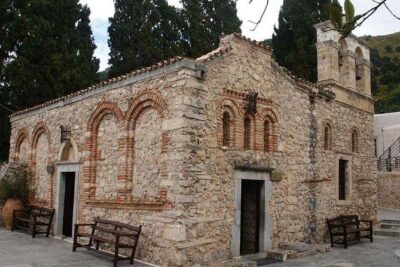
Knossos-Zeus Cave -Old Traditional Villages-Olive Oil Factory
Read our verdict →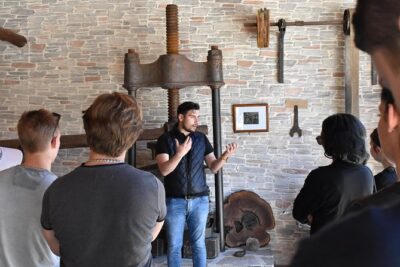
The Governor’s Olive Mill Tour with Olive Oil Tasting
Read our verdict →
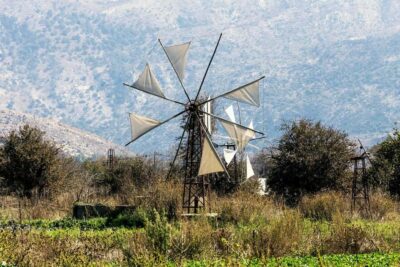
Road-trip to Lasithi Plateau & Olive Mill Farm
Read our verdict →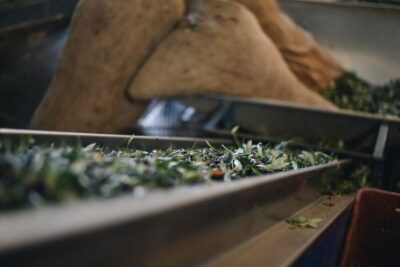
Olive Farm Tour with Tasting of Local Delicacies
Read our verdict →
Zeus Cave, Lassithi Plateau, Olive Oil Factory, Kritza, Pottery
Read our verdict →
Browse the lists this tour appears in