
Review · WINE TOURS
Rhodes: Cooking Lesson and Wine Tasting with Lunch
Rhodes is more than beaches and ancient stones. In the mountain village of Apollona, this four-hour food tour gives you a hands-on look at island life: you cook local dishes, taste Rhodian wine, visit a women’s agricultural cooperative, and eat the meal you helped prepare. It is a useful choice if you want a direct connection with the island’s countryside.
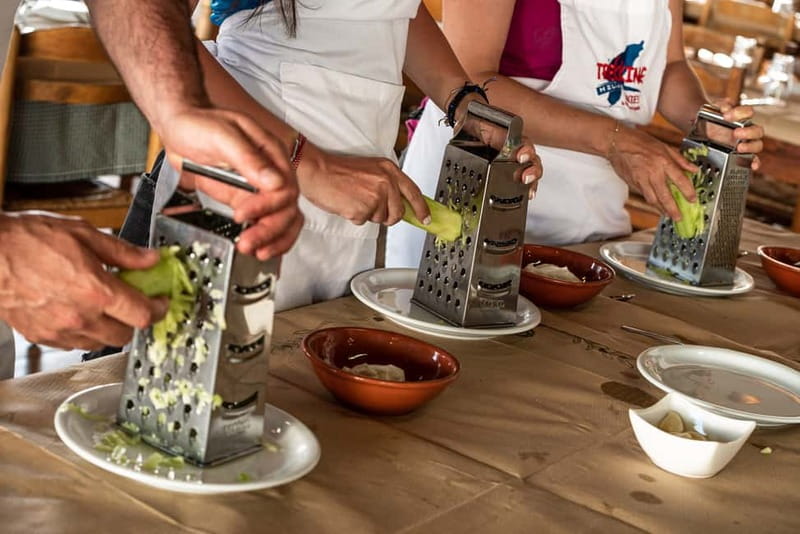
I especially like two things here. First, you do not simply sit down to sample food: you make tzatziki, eggplant salad, dolmadakia, and Greek cheese pies with a local cook. Second, the visit to the Apolloniatisses women’s cooperative adds a real community angle, rather than treating the village as just a backdrop for lunch.
The main consideration is transport. Apollona is about an hour from the starting area each way, so the four-hour activity does not include all the time you may spend on the road. The tour is also not wheelchair accessible, and comfortable shoes are important for the village walk.
Key points at a glance
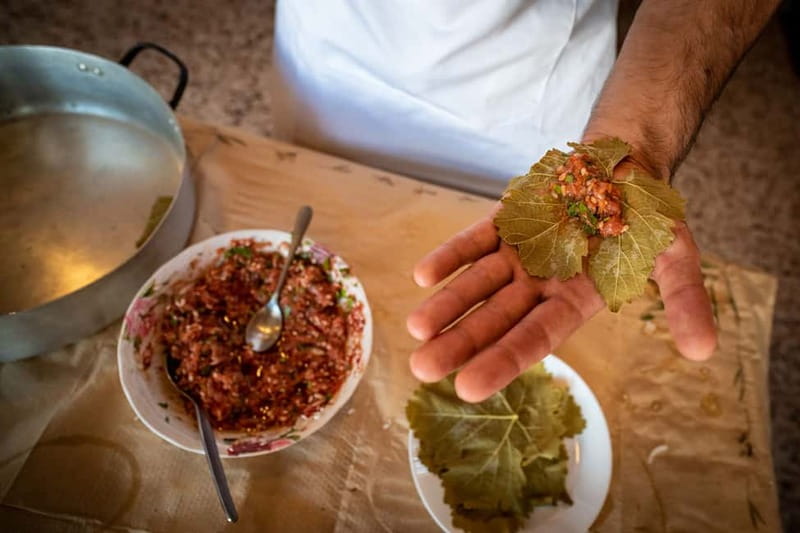
- Cook a full Rhodian meal: Prepare tzatziki, eggplant salad, stuffed vine leaves, and Greek cheese pies, then eat what you make.
- Taste wine from Rhodes: Learn about local grape varieties and sample wine at a small regional winery.
- Meet the Apolloniatisses cooperative: See how local women organize and produce a regional delicacy.
- Walk through Apollona: Explore a traditional village on the foothills of Mount Profitis Ilias and hear how residents grow food and live.
- Finish with Greek coffee: Visit a historical kafeneion to learn the traditional preparation and sample the coffee.
- Expect a village day, not a quick tasting: Optional hotel pickup involves roughly one hour of driving each way.
Why Apollona makes a good food-tour setting
Apollona gives this outing a different feel from a restaurant meal in Rhodes Town or a standard winery visit. The village sits on the foothills of Mount Profitis Ilias, and the program uses several ordinary local places to explain daily life: a cooperative, village streets, a winery, a cooking space, and a kafeneion.
That variety matters. Food in Greece is tied to work, family routines, farming, and hospitality. Here, you get to see several parts of that chain in one morning or afternoon. You learn where local products fit into village life, then use familiar ingredients in a practical cooking lesson.
I also like the pace suggested by the itinerary. You are not asked to race from one major attraction to another. The village walk, cooking session, and coffee stop give you time to look around and talk with the English or Greek-speaking guide.
The setting is rural, but do not expect a full day of sightseeing around Mount Profitis Ilias. The focus is food and local customs. If you want archaeological sites, grand scenery, or a long mountain walk, choose a different Rhodes excursion.
More Food Tours in Rhodes
- Rhodes: Sunset Cruise with Unlimited Aperol, Beer, and Wine
★ 4.8 · 323 reviews - Rhodes: Gulet Trip with Food, Drinks, SUP, Kayak & Swimming
★ 4.6 · 208 reviews - Rhodes: Private Wine Tasting Experience for Beginners
★ 5.0 · 199 reviews
Starting with the Apolloniatisses women’s cooperative
The meeting point is outside the women’s agricultural cooperative called Apolloniatisses. If you arrange hotel pickup, you should wait in the lobby 10 minutes before the scheduled collection time. If you make your own way there, meet the guide outside the cooperative as instructed.
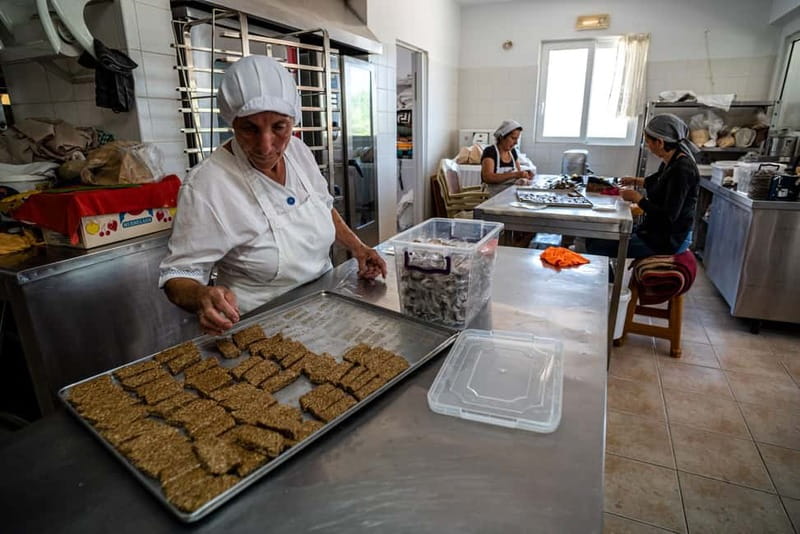
This first stop introduces an important part of village life. You learn how the women run the enterprise, how they make decisions, and what they hope to achieve. You also watch the production of a local delicacy, which gives the stop a practical purpose instead of turning it into a simple photo opportunity.
I find this one of the strongest parts of the outing. Small agricultural cooperatives can show you how rural communities keep local food traditions active. You are not just hearing that village customs matter. You see people organizing work and maintaining a product associated with the area.
The stop is described as a quick tour, so keep your expectations in check. It is an introduction, not a long workshop on cooperative management or farming. Still, it makes the later food activities feel more connected to the place.
Walking through a traditional Rhodian village
From the cooperative, you walk through Apollona. The guide explains what local people grow and how they live, giving you a basic sense of the village beyond its food businesses.
This walk helps put the cooking lesson in context. Stuffed vine leaves, eggplant dishes, cheese pies, and other Greek foods do not appear from nowhere. They depend on crops, household skills, preserved ingredients, and recipes passed through local communities. Even a short village walk can make those connections easier to understand.
Wear comfortable shoes. The activity includes walking through the village, and the total day combines several stops rather than keeping you seated. A sun hat is also sensible, especially if your departure time places the walk under strong midday light.
You should not book this as a strenuous hike. The information describes a village walk, not a mountain trek. That makes it manageable for many visitors who want some movement but are mainly here to cook and eat.
Tasting Rhodes at a local winery
The winery visit focuses on Rhodian grape varieties and regional wine. Your guide explains the local grapes, then you taste wine from the area, including award-winning examples.
This is a useful stop for anyone who wants more than a generic Greek wine sample. Rhodes has its own wine identity, and learning about grape varieties gives you a better sense of what you are tasting. The tasting also breaks up the cooking portion and adds another part of the island’s food culture.
The wine visit is described as taking place at a small local winery. That usually means a more focused setting than a large commercial attraction, although the exact winery and tasting format are not specified. You should expect an educational sampling stop, not an extended wine course.
If you do not drink alcohol, the listing does not explain whether alternatives are available. You can still enjoy the village and cooking elements, but anyone booking mainly for the wine should treat the tasting as a central part of the experience.
More Wine Tours in Rhodes
- Rhodes: Sunset Cruise with Live Music, Wine & Greek Buffet
★ 4.6 · 236 reviews - Rhodes: Bay to Bay Swim Cruise with Greek Buffet and Wine
★ 4.8 · 187 reviews - Sunset Cruise with Greek BBQ & Unlimited Aperol Spritz, Beer Wine
★ 4.5 · 159 reviews - Faliraki: Sunset Cruise with Unlimited Aperol, Beers & Wine
★ 4.8 · 91 reviews
Cooking the dishes you will eat for lunch
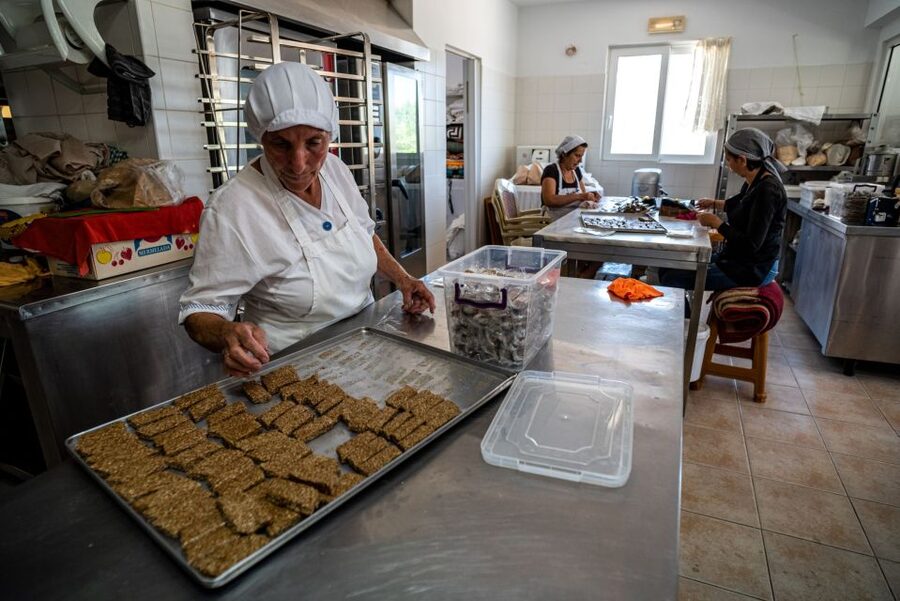
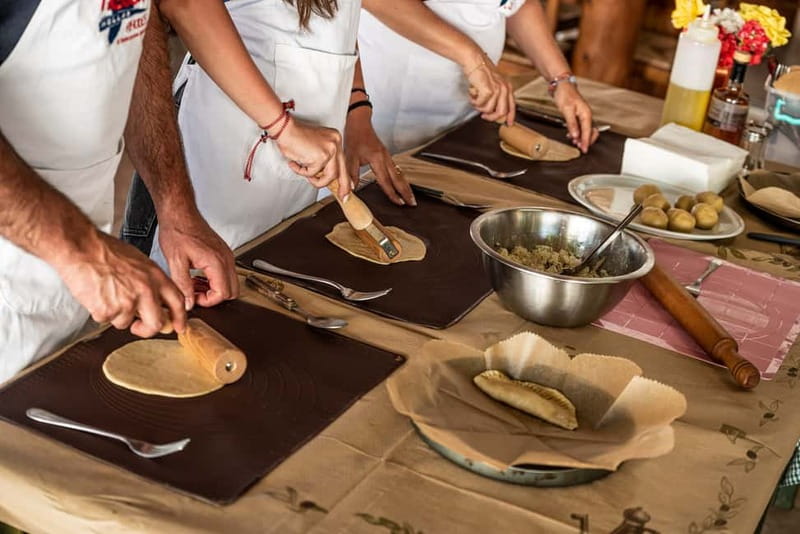
The cooking class is the heart of the tour. A local cook shows you how to prepare traditional Greek dishes, including tzatziki, eggplant salad, dolmadakia, and Greek cheese pies.
The appeal is simple: you do not just watch someone prepare lunch. You take part, then sit down to eat the food made during the lesson. That gives the meal a personal connection and makes the class more useful than a demonstration where the finished dishes appear in front of you.
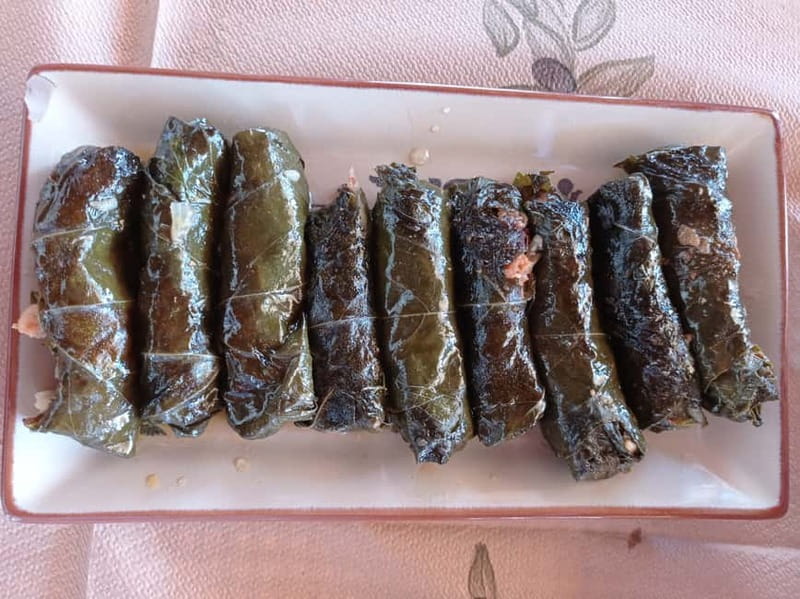
Tzatziki is a familiar Greek staple, while eggplant salad offers a chance to see how a common vegetable is treated in regional cooking. Dolmadakia, or stuffed vine leaves, require a little more hands-on work. Greek cheese pies round out the lesson with a pastry-based dish.
The supplied details do not state the recipe quantities, class size, or whether you receive printed instructions. If you want to recreate the dishes at home, ask the cook or guide for tips during the lesson. The live format is your best chance to learn small details that may not be included in a formal recipe.
I would also keep your expectations realistic about skill level. This is a cultural cooking lesson included in a larger village tour, not a professional culinary course. You are there to learn, participate, and eat well, not to master every technique in one session.
Lunch made by your own group
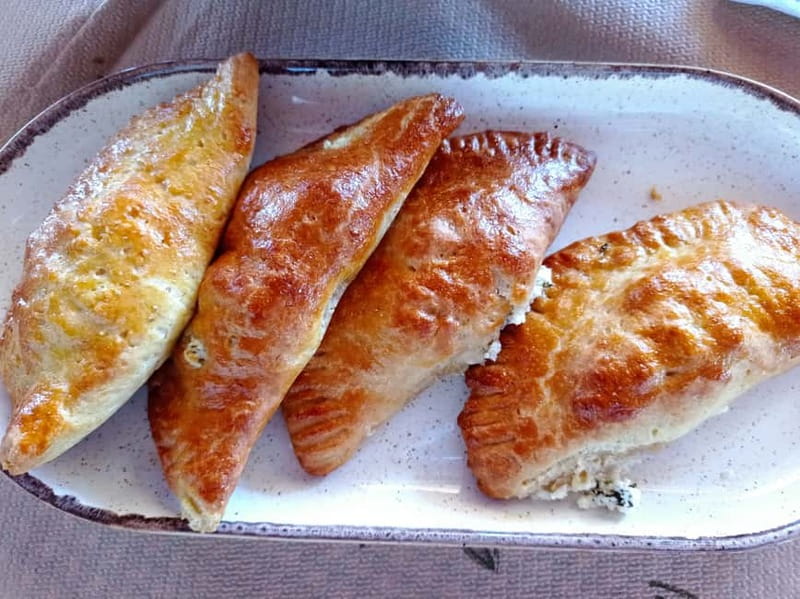
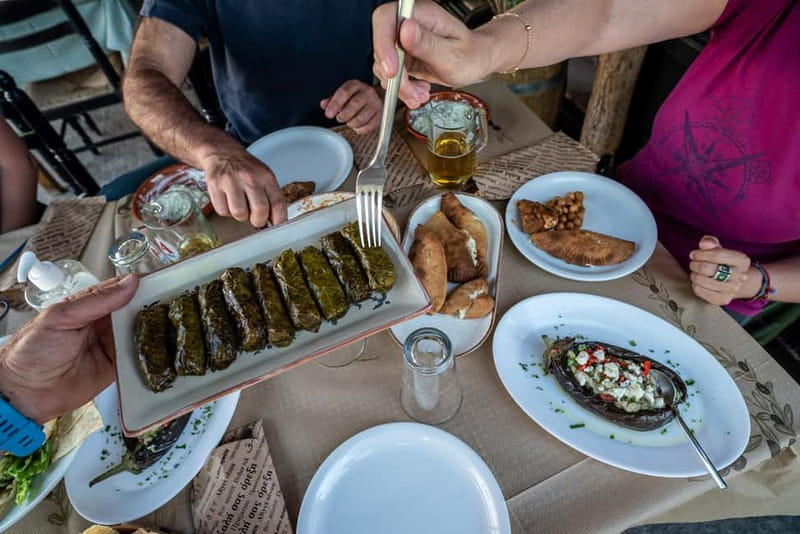
After the lesson, you sit down to a full lunch prepared by you and the other participants. That meal is included in the price, along with the cooking lesson and wine tasting.
This arrangement gives the lunch a relaxed, social feel. You have already spent time working with the food, so the meal becomes the payoff for the activity. It also makes the $107 price easier to assess: you are paying for transportation options, a guide, several cultural stops, instruction, a substantial meal, wine, and coffee rather than one isolated tasting.
The exact lunch menu beyond the dishes named in the class is not provided. You should expect the prepared specialties to form an important part of the meal, but do not assume that every possible Greek dish is included.
The atmosphere is intended to be informal and authentic rather than polished and formal. That suits the setting. If you want a carefully timed restaurant lunch with a broad menu, this may feel basic. If you prefer food that connects directly to the place and the people preparing it, the format has real value.
Greek coffee at a traditional kafeneion
The final stop is a traditional kafeneion, where you learn how to make Greek coffee and sample it. A kafeneion is a classic social setting in Greek villages, so this stop gives you a look at a custom that is as much about routine and conversation as it is about caffeine.
The coffee lesson is a small detail, but it completes the day nicely. The tour has already covered farming, wine, cooking, and lunch. Coffee adds one more everyday ritual and lets you finish in a setting associated with local social life.
Do not expect an elaborate coffee-tasting program. The information promises preparation and sampling, not a long lecture on roasting or brewing. Think of it as a short cultural stop with a drink at the end.
If you dislike strong coffee, you can still appreciate the demonstration. The activity is about the method and tradition as much as the taste.
What the four-hour schedule really means
The stated activity lasts four hours, but optional hotel pickup adds roughly one hour of driving each way to the starting location. That can turn the outing into a much longer part of your day.
This is the most important planning detail. Check where your hotel is and how the pickup timing works before booking. If you are staying far from Apollona, the road time may be significant. On the other hand, hotel pickup removes the need to arrange transportation to a rural village, which can make the higher total time worthwhile.
The tour starts and ends at the meeting point outside the women’s cooperative. Pickup is optional, and the guide speaks English and Greek. Starting times vary, so check availability for the date you want.
The activity is not wheelchair accessible. You should also plan for walking, outdoor exposure, and a village setting rather than fully adapted facilities. Comfortable shoes and a sun hat are specifically recommended.
Is $107 a fair price?
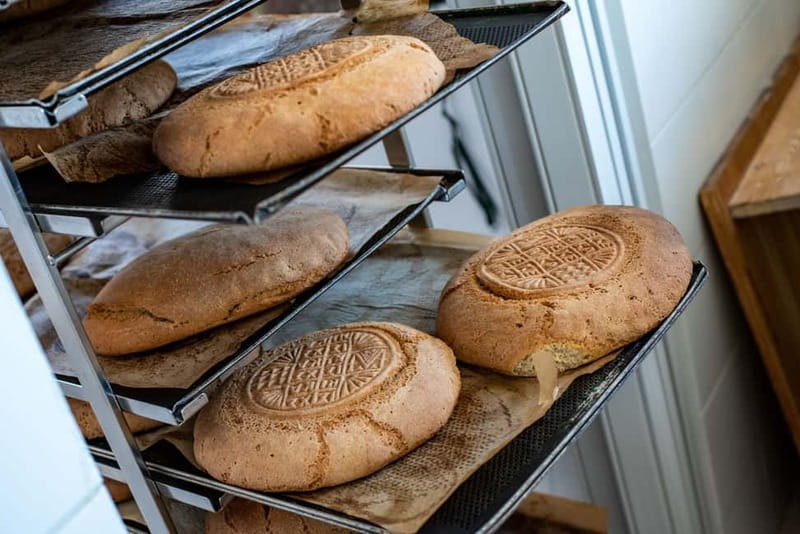
At $107 per person, this is not the cheapest way to eat in Rhodes. But comparing it with the price of lunch alone misses the point. The fee includes a guided village visit, the cooperative stop, winery tasting, cooking instruction, full lunch, Greek coffee, souvenir photos, and optional hotel pickup.
I see the best value for visitors who would otherwise book separate food, wine, and countryside activities. Combining them saves planning time and gives the day a clear theme. The included lunch also means you are not paying for the class and then buying another meal afterward.
The value is weaker if you already have a rental car, plan to visit several wineries independently, or mainly want a quick Greek cooking class. In that case, the travel time to Apollona may feel long for a four-hour program.
The wine tasting and cooking lesson are the two parts most likely to justify the cost. The women’s cooperative and kafeneion add local character, while the guide helps connect each stop. The package is particularly useful for first-time visitors who want a structured introduction to food traditions outside the main resort areas.
Who should book this Apollona food tour?
I would recommend it to you if you:
- Want to learn by doing rather than simply watch a demonstration
- Enjoy Greek food and want to understand how several familiar dishes are made
- Prefer a small rural village to a busy resort setting
- Like combining food, wine, local work, and daily customs in one outing
- Want a guided option with hotel pickup available
- Are comfortable walking and spending extra time on the road
You may want another activity if you:
- Have limited time and cannot spare the driving period
- Need wheelchair access
- Want a serious wine-focused tour with extensive tasting
- Prefer a highly polished cooking school
- Are looking for archaeological sightseeing or a full mountain excursion
The strongest praise attached to this activity centers on its organization, friendly guides, food, wine, and relaxed atmosphere. Those qualities fit the design of the tour: it combines several simple stops and lets the cooking and lunch carry the day.
Final verdict: book it for food and local contact
Book this tour if you want to meet Rhodes through its food rather than simply photograph its major sights. The best parts are the hands-on preparation of dolmadakia and cheese pies, the meal made by your group, the Rhodian wine tasting, and the visit to the Apolloniatisses cooperative.
Before you commit, allow for the roughly one-hour drive each way and the lack of wheelchair access. For visitors who accept that tradeoff, this is a well-rounded introduction to village life, with enough cooking and eating to make the day memorable without turning it into a formal culinary course.
FAQ
How long does the cooking and wine tour last?
The activity itself lasts four hours. If you use hotel pickup, the driving time to the starting location is approximately one hour each way.
Where does the tour start and end?
The tour starts outside the women’s cooperative called Apolloniatisses in Apollona. It ends back at the same meeting point.
What food will I learn to prepare?
The cooking lesson includes tzatziki, eggplant salad, dolmadakia, which are stuffed vine leaves, and Greek cheese pies.
Is lunch included?
Yes. A full lunch prepared during the cooking lesson is included.
Is hotel pickup available?
Yes. Hotel pickup is optional. If you arrange it, wait in your hotel lobby 10 minutes before the scheduled pickup time.
Is the activity wheelchair accessible?
No. The activity is not wheelchair accessible. Comfortable shoes and a sun hat are recommended.
More Cooking Classes in Rhodes
- Rhodes: Cooking Class & Lunch at a Traditional Farmhouse
★ 5.0 · 52 reviews - Athens: Classic Cooking Class with Market Visit and Wine
★ 5.0 · 1,101 reviews - Athens: Food Market Visit and Cooking Class with Wine
★ 4.9 · 1,087 reviews - Greek Cuisine Cooking Class in Santorini with Recipes and Wine
★ 5.0 · 969 reviews
New on the Rhodes shelf
- Throne of Helios: The History of Rhodes in 9D Experience★ 4.5 · 272 reviews
- Rhodes: Profitis Ilias Guided Sunset Hike★ 4.9 · 34 reviews
- South Rhodes: ATV Quad Guided Tour 2 or 1 person on 1 Quad★ 4.9 · 167 reviews
- Sailing tour around Lindos with food and drinks★ 4.8 · 54 reviews
- Rhodes: Horseback Riding Trip with Digital Photos★ 4.7 · 164 reviews
- Rhodes: Lindos & Butterfly Valley Guided Tour★ 4.7 · 38 reviews
- Faliraki: Yellow Sub Cruise to Anthony Quinn Bay & the Caves★ 4.8 · 249 reviews
- Rhodes Town: Pomegranate Pottery Masterclass★ 5.0 · 87 reviews
Wine Tours, compared.
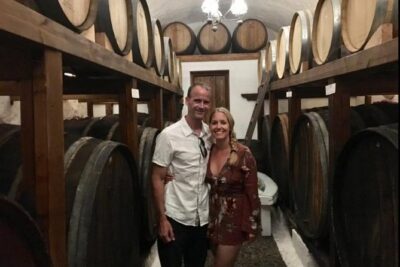
Santorini Wine Adventure with 12 Wine Tastings, Tapas and Sunset
Read our verdict →
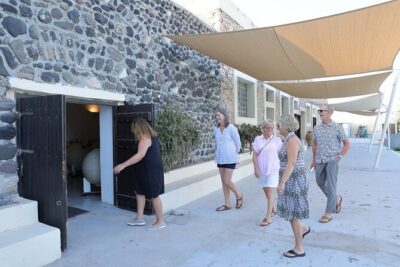
Santorini Wine Stories: Sunset Tour with Tasting & Dinner
Read our verdict →
Classic Cooking Class with Market Visit and Wine
Read our verdict →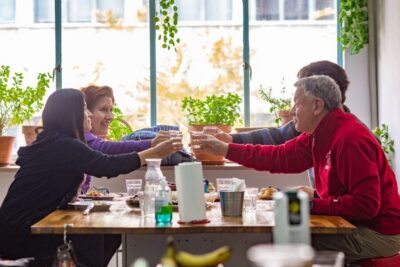
Food Market Visit and Cooking Class with Wine
Read our verdict →
Swimming Cruise with Lunch, Wine & Live DJ on Board
Read our verdict →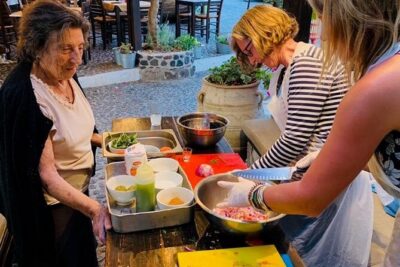
Greek Cuisine Cooking Class in Santorini with Recipes and Wine
Read our verdict →
Santorini Highlights Small-Group Tour with Wine Tasting option
Read our verdict →Browse the lists this tour appears in