
Review · HISTORICAL TOURS
Naxos: Half-Day Guided History and Culture Sightseeing Tour
The best thing about this tour is its range. In four hours, you move from a 6th-century-BC sanctuary to an old capital, a family pottery workshop, ancient olive groves, and a huge unfinished marble statue. It gives you a quick look at the Naxos that lies beyond the beaches.
I like the local guides, especially when guides such as Thanos, Alex, and Aggeliki add personal stories about island life. I also like the practical value: for $35, you get comfortable transport across roads that can be narrow and twisty, plus several stops that would be hard to link together without a car. The trade-off is simple: you get a taste, not a full visit, with only about an hour in Chalki and short stops at several sites.
Key points to know before you book
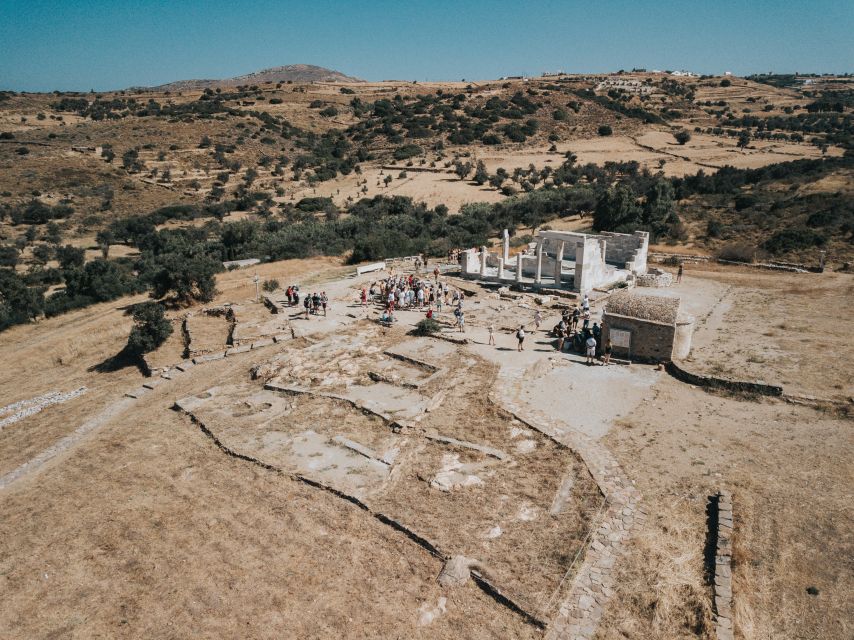
- Demeter’s Temple sets the tone: You visit a carefully restored ancient sanctuary and its small museum, with a €5 cash entry fee paid separately.
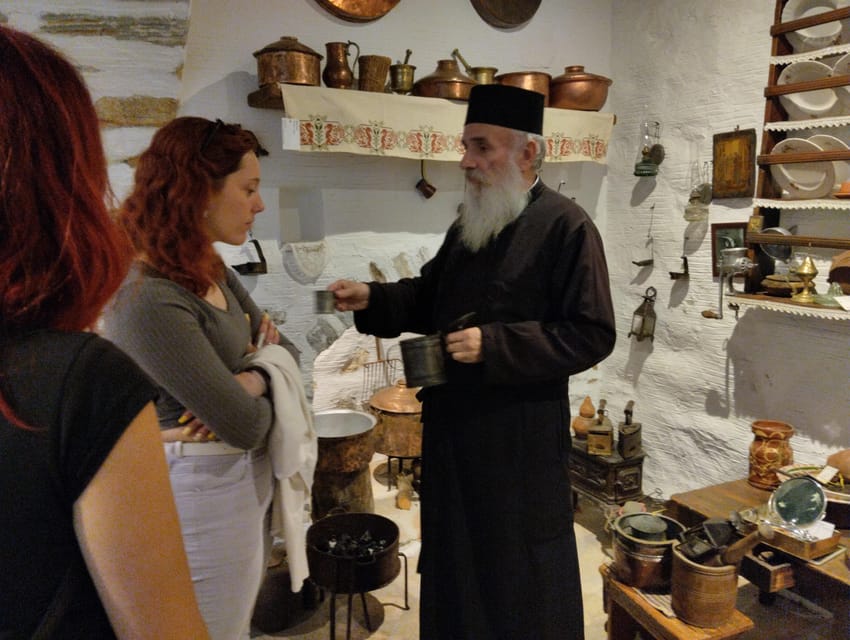
- Damalas offers a real local encounter: A fourth-generation potter demonstrates his work and sells handmade pieces from his workshop.
- Chalki gets the longest free time: Use roughly an hour to browse lanes, visit the Vallindras Kitron Distillery, or stop for coffee.
- The Kouros Statue is an unusual finish: In Flerio Valley, you see a massive unfinished marble figure still lying near the ancient quarry area.
- The bus saves you the hard work: A skilled driver handles winding island roads while you watch olive groves, villages, and quarries pass by.
- The schedule changes on some dates: On Tuesdays and May 1, Demeter’s Temple is replaced by Filoti Village. A predicted heat wave can also cause the afternoon tour to visit Filoti.
Why this four-hour route works so well
Naxos is a large island by Cycladic standards. Chora, the port town, has the postcard views, shops, and restaurants, but the island’s inland character is just as important. Olive groves cover the lower hills, villages sit along old roads, and marble has been cut here since antiquity.
This tour is a useful answer if you have no rental car, limited time, or little interest in navigating steep roads yourself. The bus links a set of places that do not naturally fall into one easy walking route. You also get commentary between stops, which turns the drive into part of the experience rather than dead time.
The price is unusually fair for the amount covered. At $35, the tour includes transport, a Greek and English-speaking guide and driver, taxes, and luggage storage. You still pay separately for Demeter’s Temple, the optional distillery visit, and any church donation, but the extras are modest. I would bring cash, since the temple fee is €5 and the distillery costs €3.
The pace is brisk. That is good if you want an overview, but less useful if you like sitting quietly in a village square or studying every stone at an archaeological site. Think of this as a first look that helps you decide where to return later.
More Historical Tours in Greece:
- Historical Delphi One Day Tour with Arachova Stop & Expert Guide
★ 4.5 · 1,247 reviews - Historic Athens: Small Group Electric Bike Tour
★ 4.9 · 740 reviews - Naxos Half Day History and Culture Guided Tour
★ 5.0 · 491 reviews
Starting outside Naxos Port
The meeting point is the Naxos Bus Transfer Office just outside the port. Morning pickup is also available from selected spots around Plaka Beach, Maragkas, Agia Anna, Agios Prokopios, Stelida, Naxos Camping, and nearby hotels. The listed pickup times run from 7:50 to 8:15 in the morning, so you need to wait at your chosen stop five minutes early.
The morning option includes pickup from set locations but no hotel drop-off. A private-tour option includes pickup and drop-off in selected areas, so check the exact choice before paying. Luggage storage is included, a handy detail if you are changing accommodation or arriving with bags.
The coach is air-conditioned, and that matters on exposed roads and hot summer afternoons. The driver is not just a chauffeur here. Names such as George and Yorgos come up often, and their careful handling of tight turns and narrow roads is part of the value. You can look out the window instead of concentrating on the next hairpin bend.
Demeter’s Temple and a quiet start in the hills
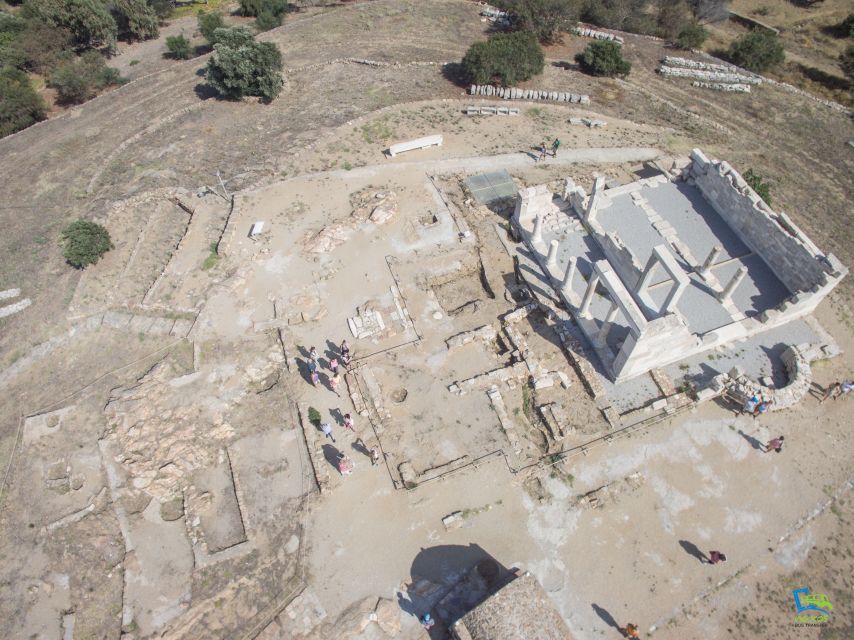
The first major stop is the Temple of Demeter, reached after about 30 minutes by bus. The sanctuary dates from the 6th century BC and has been restored in a way that lets you understand its shape without losing the sense of age.
You have about 40 minutes here. That is enough to walk around, take photographs, and visit the small on-site museum. You will need to climb steps and walk uphill, so sturdy shoes are more useful than fashionable sandals.
The guide explains the monument before you enter because the guide is not licensed to lead inside the temple itself. That arrangement is worth knowing in advance. You receive context from the guide, but your time inside is self-guided.
The site closes early, at noon, if a heat wave is predicted. It is also closed on Tuesdays and May 1. On those dates, or during an affected afternoon departure, the route switches to Filoti Village. This is not a reason to avoid the tour, but it does mean you should check the planned schedule if Demeter’s Temple is your main reason for booking.
Damalas and the pottery that makes the tour feel local
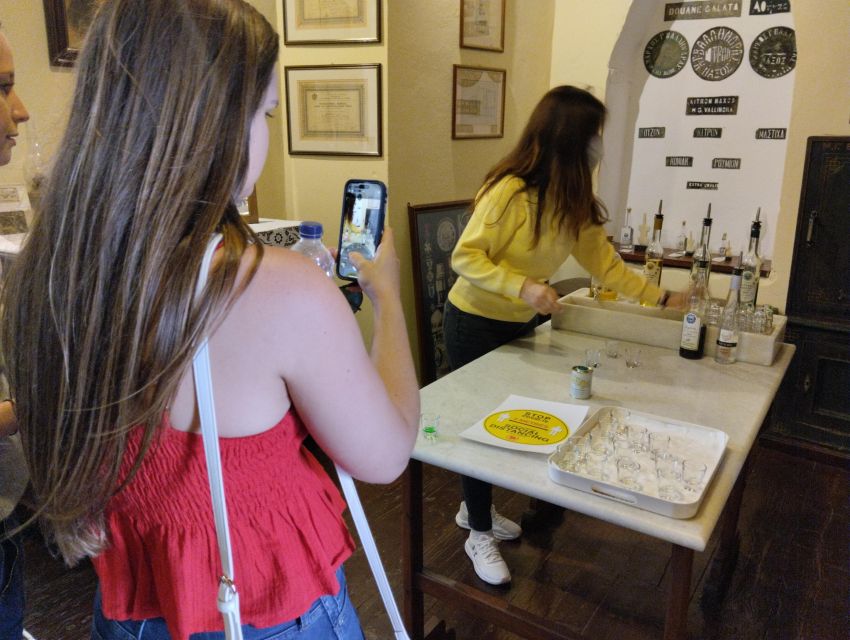
A short drive brings you to Damalas, a tiny village among the olive groves of Tragea. About 100 people live here, and the stop feels less like a formal attraction and more like a small window into island work and family tradition.
Local potter Manolis welcomes the group into his workshop. He demonstrates traditional methods on the wheel and explains how the craft has been passed through four generations. You can buy pottery and other handmade items, so this is the place to find a souvenir with a clear connection to Naxos rather than a generic island trinket.
The visit lasts about 30 minutes. That is enough to see the demonstration and browse, but not enough for a long shopping session or an extended craft lesson. I like this stop because it breaks up the ruins and viewpoints with a living tradition. It also gives you a chance to support a local maker directly.
If you prefer archaeological sites to shopping, keep your expectations in check. The workshop is a cultural stop with a retail element, not a museum. Still, the demonstration gives the purchase more meaning.
A few more Greece options worth putting side by side
- Athens: Cape Sounion & Poseidon Temple Sunset Half-Day Trip
★ 4.8 · 8,241 reviews - Best of Athens Half Day Private Tour
★ 5.0 · 3,714 reviews - Cape Sounion and Temple of Poseidon Half-Day Small-Group Tour from Athens
★ 4.5 · 3,205 reviews - Half-Day Exclusive Catamaran Cruise in Santorini with Meal and Open Bar
★ 5.0 · 2,975 reviews
Chalki, the old capital, in about an hour
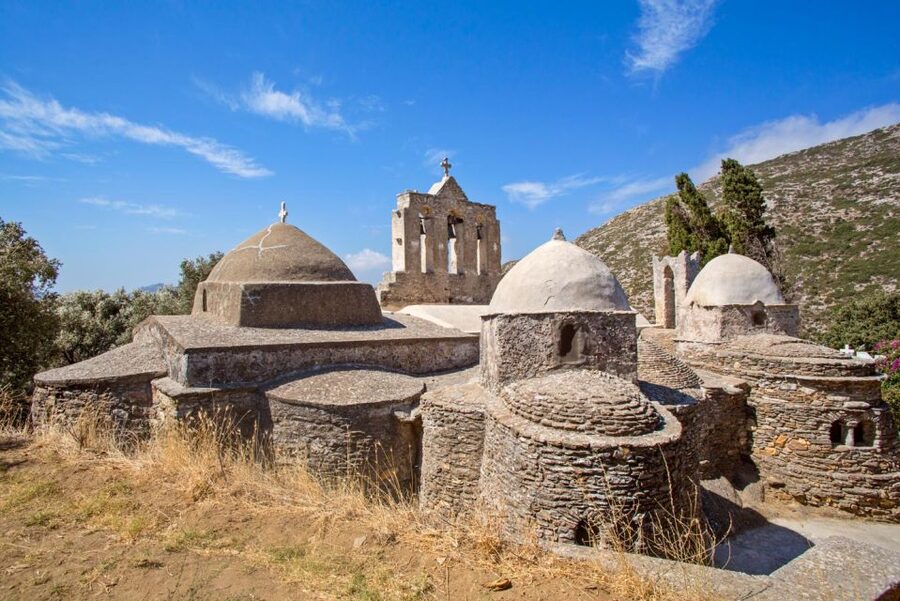
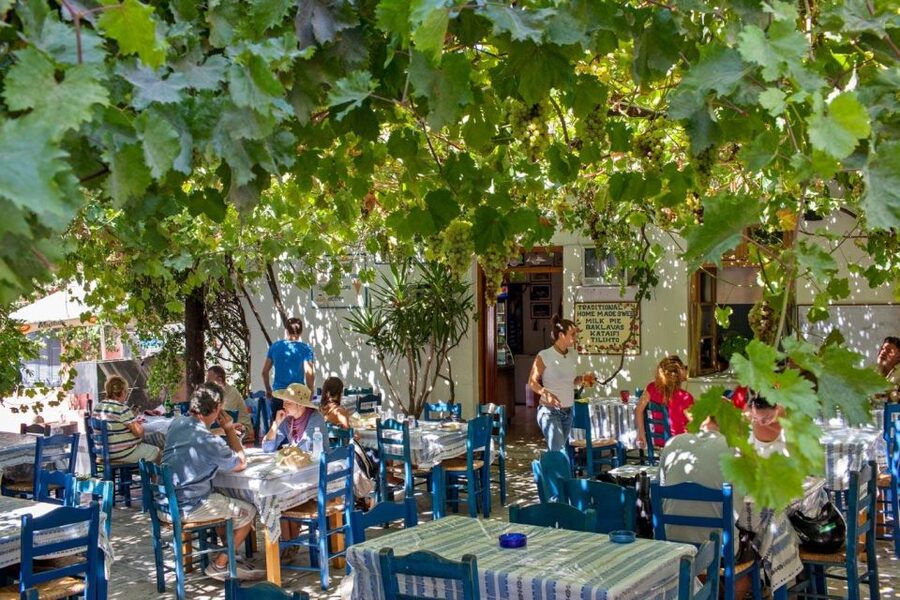
Chalki is the most flexible stop of the day. Once the island’s capital and main commercial center, it now offers colorful lanes, old buildings, cafés, small shops, and a slower rhythm than the coast.
You get about 50 to 60 minutes of free time. That is the longest stretch without a guide leading the group, so use it according to your interests. You can walk through the lanes, look for handmade souvenirs, sit down with a coffee, or visit the Vallindras Kitron Distillery.
The distillery visit is optional and costs €3 in cash. The fee is not included, and you should not assume you will have time for every possible stop. If you want to see the distillery, go there early in your free period. If you would rather wander, Chalki rewards unhurried walking, but the schedule will eventually call you back to the bus.
This is also the stop where the tour’s main weakness becomes clear. An hour gives you a useful introduction, but you may wish for more time. Chalki is small enough to explore on foot, yet attractive enough to make a short visit feel frustrating. I would choose one priority before getting off the bus: distillery, shopping, coffee, or a simple walk.
Panagia Drosiani and the limits of a short church stop
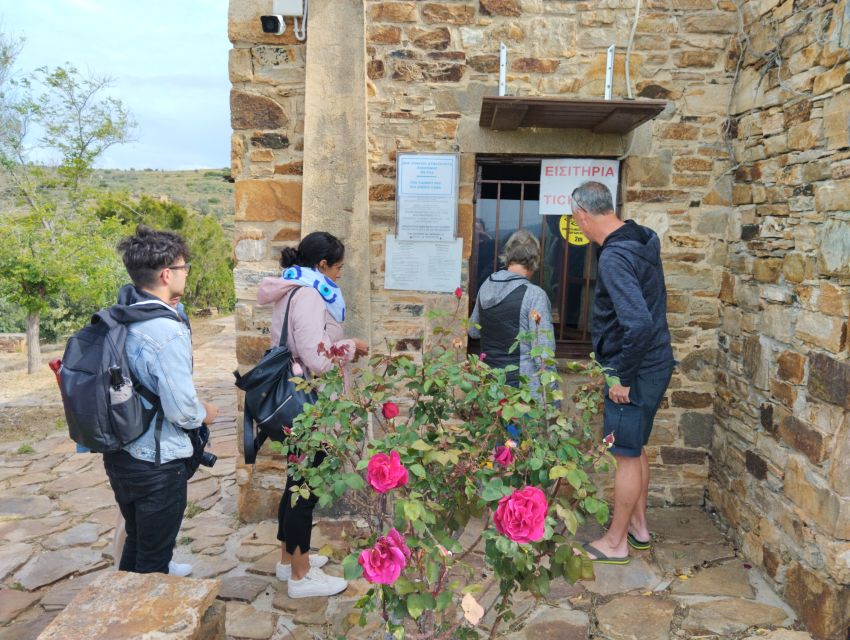
The route continues through old olive groves to Panagia Drosiani, a church dedicated to the Virgin Mary and regarded as one of the oldest in the Balkans. Its architecture and frescoes make it one of the most important religious sites on the route.
The stop is brief, about 10 minutes, and may be limited to photographs from outside if the church is closed. If it is open, you can step inside to see the frescoes. The guide provides information before entry, since the guide cannot conduct the explanation inside the church itself.
Bring a few coins. Small church donations of €1 to €5 are customary in Greece. This is not a required admission fee, but it is a useful bit of etiquette to understand before you arrive.
The short visit works as an introduction, not a close study. If religious art or early Byzantine buildings are high on your list, you may want to return independently with more time.
Marble quarries and the Kouros at Melanes
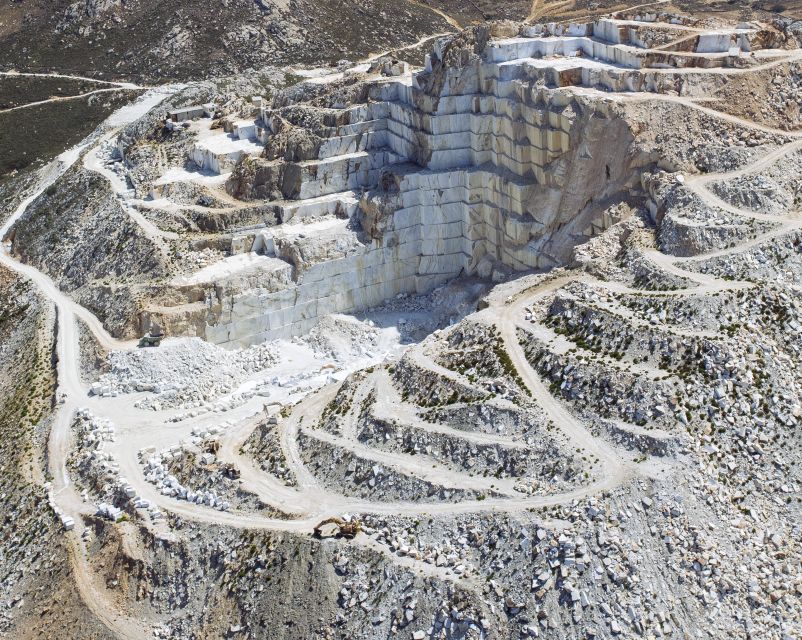
Near Kinidaros, the bus pulls over for a photo stop overlooking modern marble quarries. You do not enter the quarry, but the view helps connect ancient Naxian sculpture with a working industry that still matters to the island.
The stop lasts only about five minutes, so have your camera ready. It is easy to treat this as a quick roadside pause, yet it adds useful context. The same stone that shaped ancient monuments remains part of Naxos today.
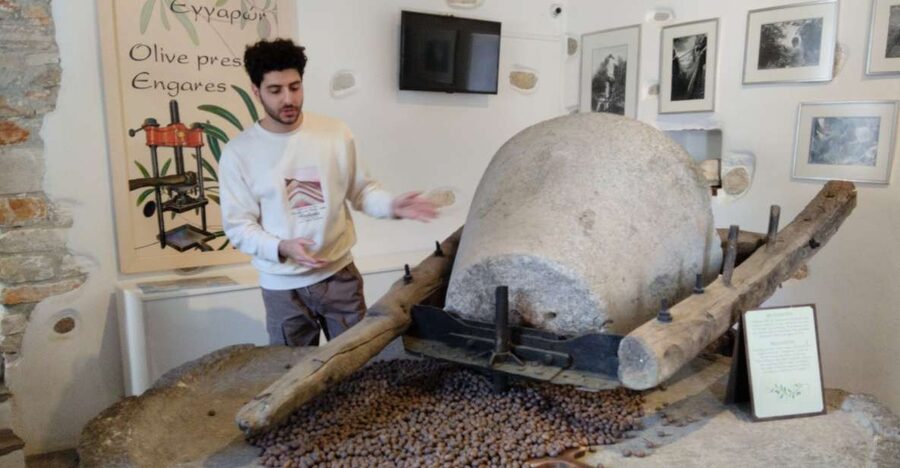
The final main visit is the Kouros Statue in Flerio Valley, reached after another short drive. You walk through green gardens and see a large unfinished marble figure lying near the ancient quarry area. The statue is an impressive example of Naxian marble work, especially because the abandoned piece lets you see how the sculptor began shaping the stone.
You get about 20 minutes here. Wear shoes with a good grip, since the route includes walking over uneven ground. The setting is quieter and more open than the formal temple site, and the unfinished statue invites questions about ancient technique, scale, and transport.
The Kouros is a fine final stop because it combines archaeology, geology, and the island’s modern identity. It is also a good reminder that Naxos is not just a collection of pretty villages. Its stone and agricultural traditions have shaped life here for centuries.
What the guide and driver add
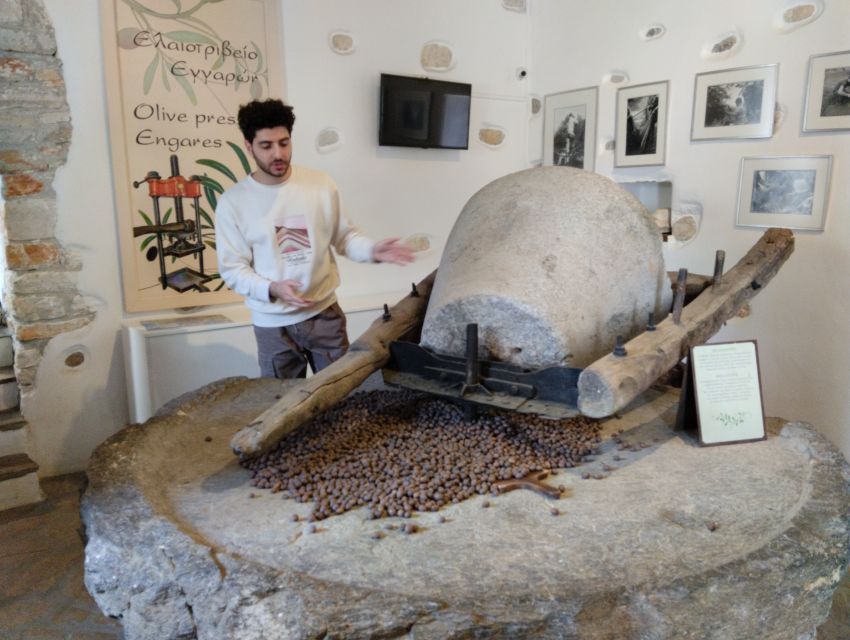
The guide makes a large difference on this tour. Several guides lead the route, including Alex, Thanos, Aggeliki, Demetrius, and Panos. The strongest descriptions of the experience point to guides who explain island history, geology, local customs, and everyday life in clear English, often with humor.
Thanos is from Naxos, which gives his commentary a personal angle. Alex has been praised for warmth and the ability to answer questions beyond the prepared material. Aggeliki is another guide associated with clear explanations for mixed-age groups.
You should not expect a licensed archaeological guide inside Demeter’s Temple or Panagia Drosiani. Instead, the guide sets up the story outside, then allows you to look around on your own. For many people, that is enough at this price. If you want detailed academic interpretation at every monument, a specialist private guide would be a better fit.
The drivers also matter. Roads through the interior can be narrow, winding, and steep. A careful driver lets you focus on the scenery and arrive relaxed. The air conditioning is another practical advantage, particularly in July and August.
The pace, walking, and who should skip it
The tour is not suitable for people with mobility impairments. You climb steps and walk uphill at Demeter’s Temple, and the overall pace is fairly brisk. The Kouros stop also involves walking, while village lanes can be uneven.
I would pack comfortable shoes, a hat, water, and cash. The activity runs rain or shine, so a light rain layer can be useful outside the hottest months. The bus protects you from much of the weather, but the stops are outdoors.
This tour suits you best if:
- You are visiting Naxos for only a few days.
- You do not want to rent a car.
- You want history, villages, crafts, and scenery in one morning or afternoon.
- You prefer a guided overview before choosing places to revisit.
- You are comfortable with short walks, hills, and a full schedule.
It is less suitable if you want a slow village day, long museum visits, or extensive time at one archaeological site. Families can manage the four-hour length more easily than a full-day excursion, and the mix of stops helps keep the outing varied.
Should you book the Naxos culture tour?
I would book this tour if you want to see inland Naxos without driving. The combination of Demeter’s Temple, Damalas, Chalki, Panagia Drosiani, the marble quarries, and the Kouros Statue gives you far more than a coastal sightseeing loop.
At $35, the value is strong even after adding the temple entry and any optional distillery fee. The main compromise is time. You will leave Chalki wanting a longer walk, and each archaeological stop gives you an introduction rather than a full examination.
Book it early in your stay if possible. The tour will show you which places deserve a return visit, and the local guides can help you understand the island beyond Chora and the beaches. If you want a relaxed day centered on one village, choose something else. If you want a smart, affordable first look at Naxos, this is an easy choice.
FAQ
Where does the tour begin?
You meet the guide at the Naxos Bus Transfer Office just outside Naxos Port. Morning pickup is also available from selected spots around Plaka Beach, Maragkas, Agia Anna, Agios Prokopios, Stelida, Naxos Camping, and nearby listed hotels.
How long does the tour last?
The tour lasts four hours. The route begins at the selected pickup or meeting point and finishes at the Naxos Bus Transfer Office.
What languages are available?
The live guide service is available in English and Greek. The driver also speaks English and Greek.
Is Demeter’s Temple entry included?
No. Entry costs €5, paid in cash on the spot. The guide gives information before you enter because the guide is not licensed to guide inside the temple.
What happens if Demeter’s Temple is closed?
On Tuesdays and May 1, the visit is replaced by a stop in Filoti Village. If the temple closes at noon because of a predicted heat wave, the afternoon tour also visits Filoti instead.
Is the Vallindras Kitron Distillery visit required?
No. The visit is optional and costs €3 in cash. During free time in Chalki, you can visit the distillery, shop, walk through the village, or relax at a café.
Is the tour suitable for people with mobility impairments?
No. The tour includes steps, uphill walking at Demeter’s Temple, and a fairly brisk pace. It is not recommended for people with mobility impairments.
What should I bring?
Bring comfortable shoes, a hat, and cash. Cash is useful for Demeter’s Temple, the optional distillery visit, and customary €1 to €5 donations at churches.
New on the Greece shelf
- Acropolis of Athens, Parthenon and Acropolis Museum private tour with dinner★ 5.0 · 77 reviews
- Small-Group Wine Tour in Athens with Tasting★ 5.0 · 33 reviews
- Private Athens Transfer Airport/Port -Greek Tours-Hourly service★ 5.0 · 88 reviews
- Hydra Private Day Trip by Ferry from Athens with Transfers★ 4.0 · 30 reviews
- Athens: Meteora 2-Day Tour Sunset & Morning Small Group + Hotel★ 5.0 · 188 reviews
- VIP Day Cruise from Athens to Hydra, Poros and Aegina★ 4.5 · 58 reviews
- VIP Private Guided Tour of Athens Acropolis & Plaka in a Sidecar★ 5.0 · 108 reviews
- 2-Day Delphi and Meteora Tour from Athens★ 4.5 · 262 reviews
Historical Tours, compared.
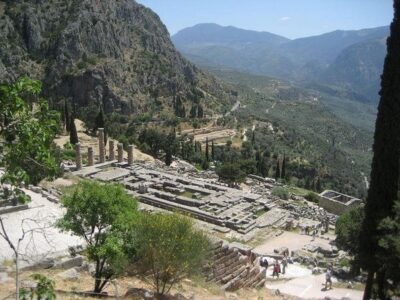
Historical Delphi One Day Tour with Arachova Stop & Expert Guide
Read our verdict →
Historic Athens: Small Group Electric Bike Tour
Read our verdict →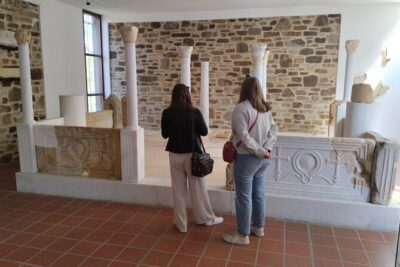
Naxos Half Day History and Culture Guided Tour
Read our verdict →


Throne of Helios: The History of Rhodes in 9D Experience
Read our verdict →
The History of Athens: Greek Mythology Private Tour
Read our verdict →
Athens Highlights by E-Bike: Small-Group Historic Tour
Read our verdict →Browse the lists this tour appears in