
Review · OLYMPIA TOURS
Katakolon: Olympia Highlights Shore Excursion
Olympia is where sport, religion, and Greek mythology meet. In just four hours, this shore excursion takes you from Katakolon to the sanctuary of Zeus, where the ancient Olympic Games were held every four years. I like the air-conditioned roundtrip transport and the freedom to explore the archaeological site at your own speed rather than follow a guide at every stone.
I also like the optional town time. After the ruins, you have about 50 minutes for lunch, a drink, or a little shopping in Olympia. The main drawback is that this is not a fully guided walk inside the ruins, and the time at Olympia can feel divided if you want both the archaeological site and museum.
Key points at a glance
- Olympia is explored at your own pace: A tour escort handles the journey, but no licensed guide accompanies you inside the ruins.
- The archaeological site ticket is included: You can see the sanctuary of Zeus, temples, Gymnasium, Palaestra, Nymphaion, Leonidaion, and ancient stadium.
- The Olympia Museum costs extra: It is an optional stop during your free time, so budget separately if you want to go inside.
- The coach ride takes about 70 minutes total: Expect roughly 40 minutes from Katakolon to Olympia and 30 minutes back.
- Town time is useful but limited: You get about 50 minutes for food and shopping after the ancient site.
- Tina and Elias made one departure especially smooth: Tina explained the visit before arrival, while driver Elias provided a safe, air-conditioned ride back to the ship. Staff names can vary by departure.
Why Olympia is worth the trip from Katakolon
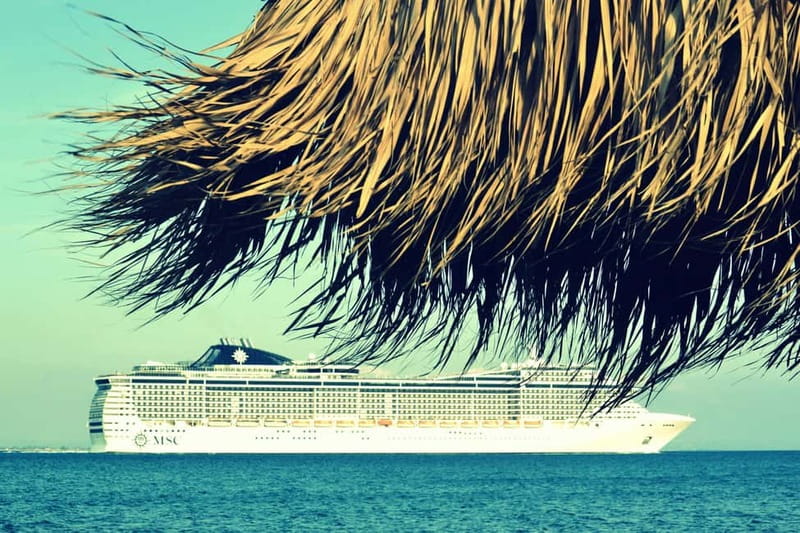
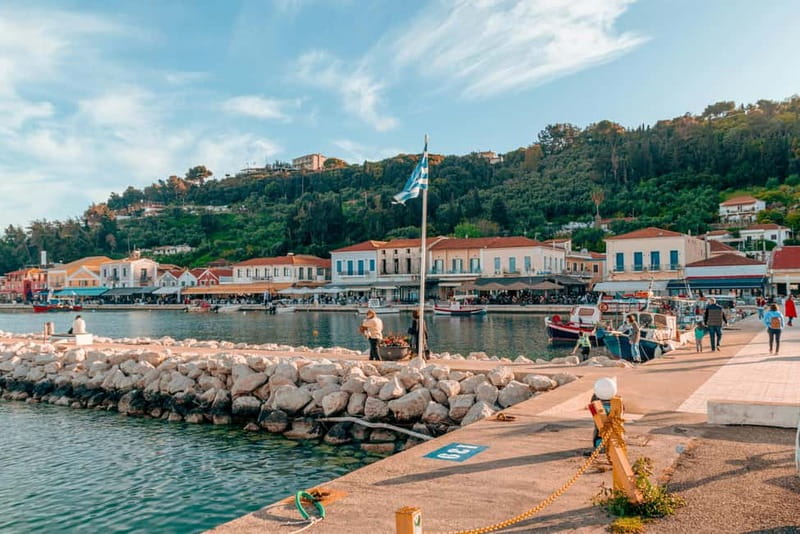
Katakolon is a small port, and its great advantage is access to Olympia, about 40 minutes inland by road. If you have never visited the site, this is one of the more meaningful shore trips in the Peloponnese. You are not simply looking at fallen columns. You are walking through the sanctuary built for Zeus, where athletic contests became a religious event watched by the ancient Greek world.
The Games were held every four years in honor of Zeus. Athletes competed in a setting that joined worship, training, ceremony, and public spectacle. That helps explain why Olympia includes more than a stadium. The site had temples, practice grounds, lodging, offices, and spaces for visitors and competitors.
I find that context important because the ruins can otherwise look scattered. A broken column at the Temple of Zeus, a long stretch of stone at the Gymnasium, and the remains of the Palaestra make more sense when you know that Olympia was designed as a complete athletic and religious center.
The site is still being excavated, and work has continued since 1829. You will see a place that is partly restored, partly uncovered, and still being studied. It does not feel like a polished theme park. That is part of its appeal, but it also means you need comfortable shoes and a willingness to use your imagination.
More Shore Excursions in Olympia:
- 4 hour Katakolon shore excursion (Olympia – Winery – Beach)
★ 5.0 · 88 reviews - Katakolon and Olympia Shore Excursion
★ 4.7 · 27 reviews - Mykonos Shore Excursion with Pickup from Cruise Ship Terminal
★ 4.5 · 766 reviews
Leaving Katakolon on a 40-minute coach ride
Your meeting point is at the exit of John Latsis Katakolo Port. After leaving the ship, look for the large blue overhead sign. The driver and tour escort wait there with a sign marked YOUR SHORE TIME.
The ride to Olympia takes about 40 minutes. Transport is by air-conditioned coach or minibus, which matters in the warm Greek sun. You avoid arranging a taxi, checking local bus schedules, or worrying about getting back to the port on your own.
The return trip is scheduled for about 30 minutes. That shorter estimate may reflect the route or traffic conditions, but you should still keep an eye on the all-aboard time from your cruise ship. The tour is designed as a port excursion, and the driver returns you to John Latsis Port at the end.
Your escort speaks English and gives you information before you reach the ruins. On one departure, Tina handled this introduction particularly well, explaining what to expect and answering questions about Greece. The exact escort and driver can change, but that pre-arrival briefing is useful because you can plan your limited time before stepping onto the site.
Entering the sanctuary of Zeus
The central archaeological visit lasts about 1.5 hours. You are free to decide where to spend that time, rather than moving as one group from stop to stop.
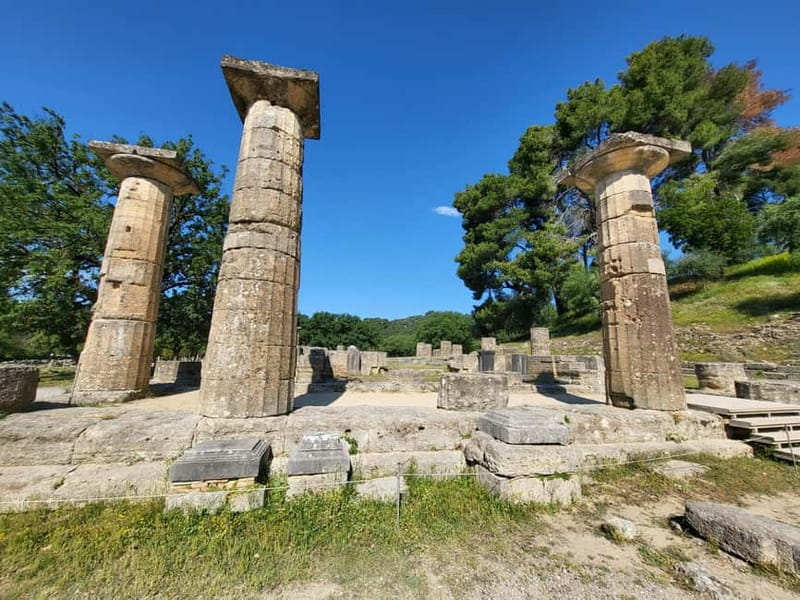
Olympia was dedicated to Zeus, described in Greek mythology as the father of the gods. The most important remains include the Temple of Zeus and the Temple of Hera. Both are essential stops, but they offer different impressions.
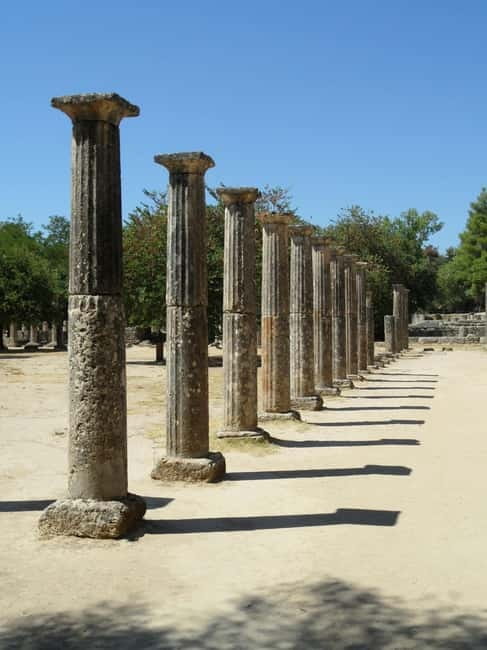
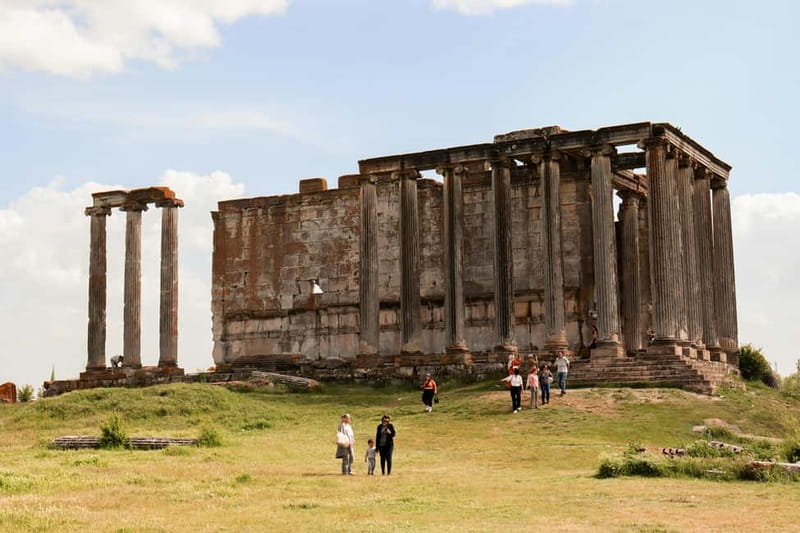
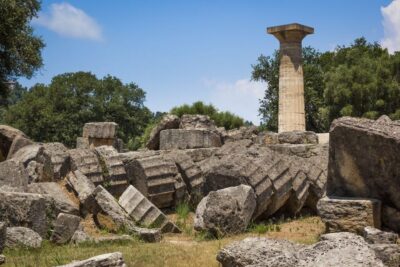
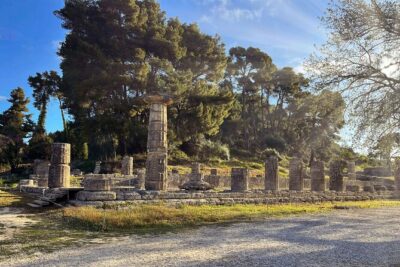
The Temple of Zeus was once the main religious building at Olympia. Today, its fallen columns and foundations give you a sense of scale without presenting a complete monument. Look closely at the massive stone drums and the layout of the temple. The remains show why this was the sanctuary’s leading building, even though earthquakes and time have left it incomplete.
The Temple of Hera is linked to one of the oldest religious buildings at the site. The altar of Hera is also included among the places you can see. These remains connect Olympia to ceremonies that continued beyond the athletic contests.
The Altis, the sacred enclosure of Zeus, is the heart of the archaeological area. This was the sanctuary zone, not just a sports field. Temples, altars, monuments, and public buildings were gathered here. I recommend beginning with the broad picture of the Altis, then moving closer to individual remains.
A downloadable audio guide is included. Since no licensed guide escorts you inside, the audio guide becomes your main source of explanation unless your coach escort gives detailed information before entry. Download it before leaving the port if possible, and bring headphones if you prefer to listen privately.
The Gymnasium and Palaestra show the athletic side
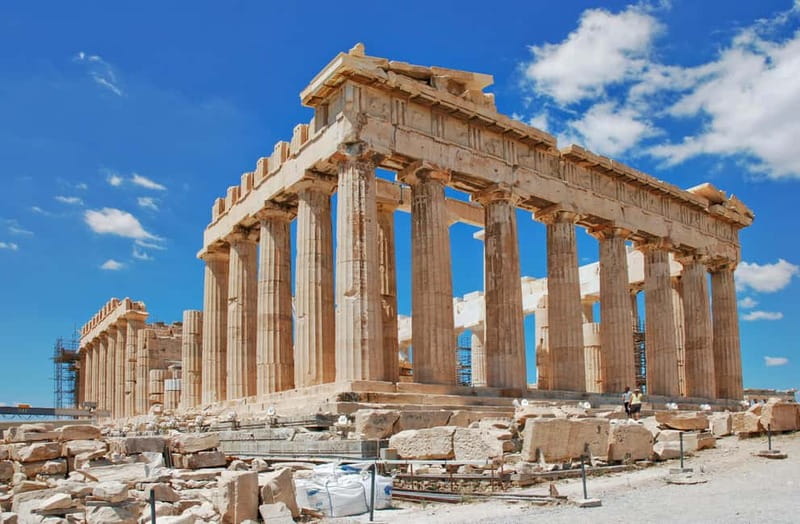
The Gymnasium and Palaestra help you picture the daily work behind the Games. Athletes did not arrive and compete without preparation. These buildings were linked to training and practice, giving Olympia a practical side that balances the grand temples.
The Gymnasium was a large training area. The Palaestra was associated with wrestling and other forms of athletic preparation. Their remains may not look as immediately dramatic as the Temple of Zeus, but they explain how athletes used the sanctuary.
This is where a self-guided visit can work well. You can pause at the buildings that interest you and move more quickly through areas that feel less clear. The tradeoff is that you must supply some of the interpretation yourself. If you enjoy learning through a guide, you may find the absence of a licensed guide inside disappointing.
A few more Olympia options worth putting side by side
- Ancient Olympia: Archaeological Site and Museum Entry Ticket
★ 4.3 · 555 reviews - Olympia: Tour with Virtual Reality and Audio
★ 4.8 · 505 reviews - Katakolo Port: Transfer to Ancient Olympia and VR Audio Tour
★ 4.1 · 403 reviews - Olympia: Archaeological Site & Museum E-Ticket & Audio Guide
★ 4.3 · 272 reviews
Nymphaion and Leonidaion add practical details
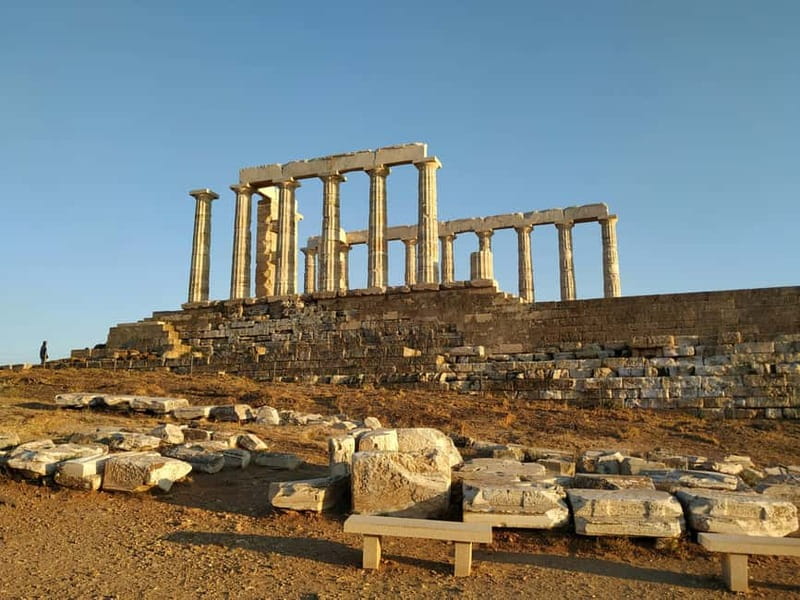
The Nymphaion gives you a look at the water system and public architecture of Olympia. It is easy to focus only on temples, but water and daily services were necessary for a major sanctuary that drew athletes, officials, and worshippers.
The Leonidaion was a guesthouse. Its remains remind you that Olympia needed places for important visitors to stay. This was not an isolated altar in the countryside. It was a working religious and athletic center with accommodation and public facilities.
These smaller stops are valuable because they widen your view of the site. The Olympic Games were the headline event, but the sanctuary depended on buildings that supported people before, during, and after the contests.
The ancient stadium is the emotional high point
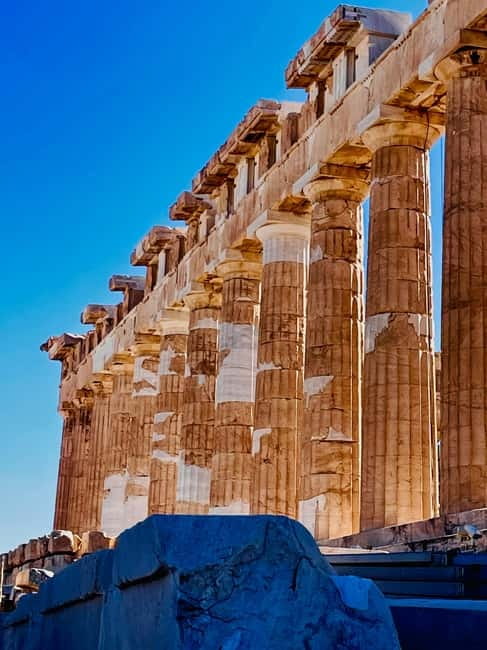
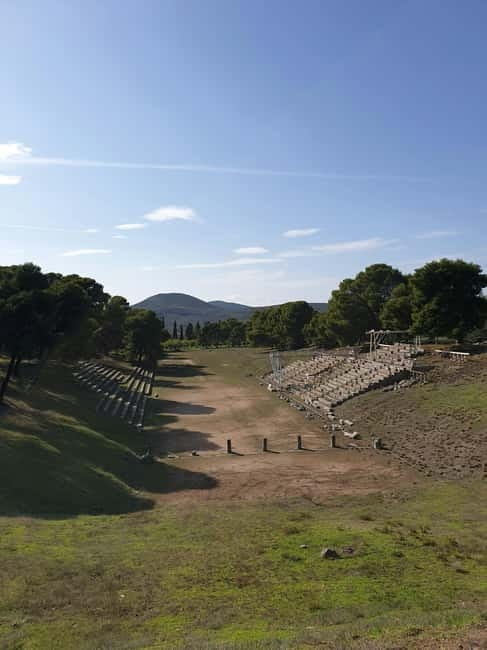
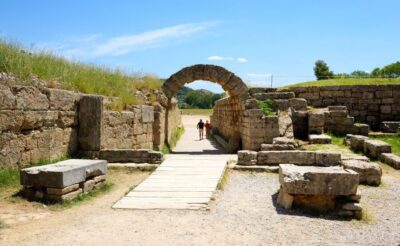
The ancient stadium is often the place that makes the visit feel real. You can see where athletic contests were held, with the open track set apart from the sacred buildings.
The stadium is viewed from outside as part of this experience. You may not receive a formal stadium tour, so use the audio guide and pause to consider the scale of the running area and the number of people who once gathered here.
I suggest saving enough time for this stop instead of rushing past it. The temples explain the religious purpose of Olympia, while the stadium connects directly to the athletic contests that gave the modern Olympic Games their name.
The word ancient can make the Games seem remote, but the four-year cycle and the link between sport and ceremony still feel familiar. That is the charm of Olympia. You can see the origin of an idea that continues today, while also seeing how different the original event was from modern international competition.
How to use the 1.5 hours wisely
The stated schedule allows about 1.5 hours at Olympia, with a further 50 minutes in the town. That is enough for a focused visit, but not enough to wander without a plan.
I would use the archaeological time in this order:
- Start with the Altis and the main sanctuary layout.
- Visit the Temple of Zeus and Temple of Hera.
- See the Gymnasium, Palaestra, Nymphaion, and Leonidaion.
- Leave time for the ancient stadium.
- Use the final minutes for any stop you passed too quickly.
The Olympia Museum is optional and has a separate entrance fee. Some departures have divided the available time between the ancient site and museum, with about 45 minutes in each place. That arrangement may suit you if you want a quick look indoors, but it can feel restrictive if the ruins are your main reason for booking.
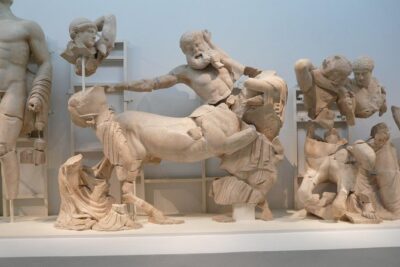
I would not assume the museum is included. It is not. Ask your escort how the timing will work on your departure, then choose your priority. If you mainly want the sanctuary, spend the full site period among the ruins. If you care about museum displays and sculpture, keep the optional entry fee and shortened site time in mind.
Fifty minutes for lunch and shopping in Olympia
After the archaeological visit, you get about 50 minutes of free time in Olympia. This is not a second guided tour. It is a chance to eat, browse, or take a break before the coach ride back.
That town stop is useful after walking outdoors. You can look for a quick meal, buy a drink, or browse local shops. Tina, on one departure, gave practical suggestions for food and shopping and helped visitors find a more local-feeling experience.
The main criticism of this stop is simple: some people would rather have more time at the ruins. I understand that view. If the archaeological site is your main purpose, 50 minutes in town can feel like time taken away from the temples and stadium.
Still, I would not dismiss the break. A shore excursion needs a little breathing room, especially in hot weather. The best use of the stop is to keep it simple. You probably will not have time for a long restaurant meal, a museum visit, and serious shopping. Choose one or two priorities.
Is $56 a good value?
At $56 per person, the price is reasonable for a four-hour port excursion if you value convenience. The fee includes port pickup, air-conditioned roundtrip transportation, English-speaking escort service, entry to the Olympia archaeological site, and a downloadable audio guide.
The value comes mainly from removing the transport problem. Katakolon is the port, Olympia is inland, and the excursion connects the two while returning you to the ship. You also do not need to buy the archaeological site ticket separately.
The price does not include food, drinks, or entry to the Olympia Museum. It also does not include a licensed guide inside the ruins. That last point is important. You are paying for transport, admission, and basic tour coordination, not a detailed private lecture among the monuments.
If you want flexibility and a lower price than a fully guided private visit, I think the cost is fair. If you want constant explanation from an expert beside you, you may prefer a tour with a licensed guide, even if it costs more.
Who should book this shore excursion?
I would recommend it to cruise passengers who want to see Olympia without arranging independent transport. It suits you especially well if you enjoy walking through ruins at your own pace and are comfortable using an audio guide.
It also works for anyone who wants a clear mix of history and free time. You get the sacred site, the athletic buildings, the stadium, and a short chance to eat or shop in modern Olympia.
This is not a good choice if you have significant walking or mobility problems. The experience is not suitable for wheelchair users or people with mobility impairments. Wear comfortable shoes, and bring sunglasses, a hat, sunscreen, and water. Smoking is not allowed during the activity.
I would also check the date carefully. Greek archaeological sites and museums close on local public holidays, so a holiday can affect the visit.
My recommendation for a Katakolon port day
Book this excursion if Olympia is high on your list and you want a straightforward ride from the ship, included site admission, and some control over your time. I especially like the fact that you can focus on the Temple of Zeus, Temple of Hera, Altis, training grounds, and stadium without being forced into a fixed walking commentary.
The limitation is equally clear: the archaeological visit is self-guided. The audio guide helps, but it is not the same as having a licensed specialist answer questions beside each monument. The museum also costs extra, and splitting the day between the ruins and museum can make both visits feel rushed.
For most cruise passengers, the balance is good. You get to Olympia, see the buildings that shaped the Olympic tradition, enjoy a short town break, and return to port in air-conditioned transport. Just arrive prepared to walk, choose your priorities before entering, and treat the tour as a well-organized transfer with site access rather than a full guided history lesson.
FAQ
Where does the tour begin?
Meet after disembarkation at the exit of John Latsis Katakolo Port. Look for the large blue overhead sign, where the driver and tour escort wait with a YOUR SHORE TIME sign.
How long does the excursion last?
The full experience lasts four hours. The coach ride to Olympia takes about 40 minutes, and the return journey takes about 30 minutes.
Is transportation included?
Yes. The experience includes air-conditioned roundtrip transportation between Katakolon Port and Olympia.
Is entry to the Olympia archaeological site included?
Yes. The entrance ticket to the Olympia archaeological site is included.
Is the Olympia Museum included?
No. Entry to the Olympia Museum is optional and costs extra.
Is there a licensed guide inside Olympia?
No. A licensed guide does not escort you inside the archaeological site. You explore at your own pace, and a downloadable audio guide is included.
What can I see at Olympia?
You can see the Altis, Temple of Zeus, Temple of Hera, altar of Hera, Gymnasium, Palaestra, Nymphaion, Leonidaion, and the ancient stadium from outside.
How much free time is available in Olympia town?
The schedule provides about 50 minutes of free time in Olympia for food, drinks, shopping, or a break.
Is the tour suitable for wheelchair users?
No. The activity is not suitable for wheelchair users or people with mobility impairments.
What should I bring?
Bring comfortable walking shoes, sunglasses, a hat, sunscreen, and water. Smoking is not allowed.
New on the Olympia shelf
- Short Tour of Olympia, an Olive Oil Press & St. Andrew Beach★ 4.5 · 27 reviews
- Private Guided Tour of Ancient Olympia★ 5.0 · 56 reviews
- Olympia’s Ancient Site and Museum Private Walking Tour★ 4.7 · 31 reviews
- Katakolon and Olympia Shore Excursion★ 4.7 · 27 reviews
- Ancient Olympia full day private tour from Athens★ 4.9 · 54 reviews
- Katakolon Small Group Tour: Olympic site, Honey/Olive Oil Tasting★ 5.0 · 59 reviews
- Private Katakolon Excursion to Ancient Olympia, Winery and Beach★ 5.0 · 82 reviews
- Half Day Olympia Private Tour★ 5.0 · 105 reviews
Olympia Tours, compared.
Ancient Olympia: Archaeological Site and Museum Entry Ticket
Read our verdict →
Katakolo Port: Transfer to Ancient Olympia and VR Audio Tour
Read our verdict →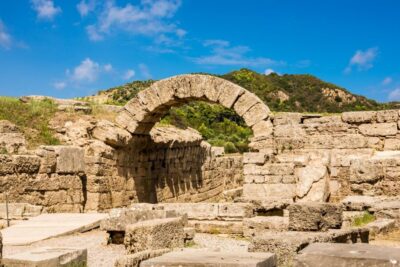
Archaeological Site & Museum E-Ticket & Audio Guide
Read our verdict →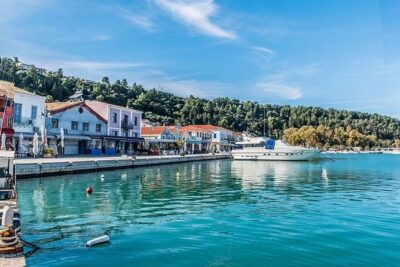
Ancient Olympia Half-Day Tour from Katakolo Cruise Port
Read our verdict →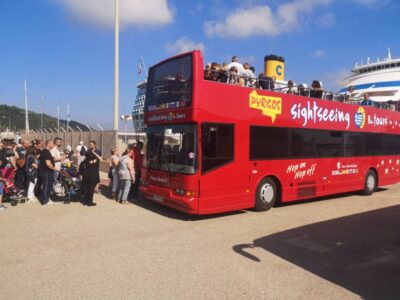
Browse the lists this tour appears in