
Review · ANCIENT SITES
Athens: Kerameikos Stone House Cooking Class
The best part of this Athens cooking class is that it feels like an invitation into a family kitchen, not a staged restaurant lesson. You shop for ingredients at the Tuesday market, work with recipes from Crete and the Peloponnese, then sit under the garden trees to eat what you made.
I like the hands-on format, where everyone gets a real task, and the old stone house with its shaded outdoor eating area. I also like the practical menu: tzatziki, stuffed vegetables, spinach pies, and egg dishes are simple enough to make at home. The one drawback is that the dessert may be prepared partly out of sight while you eat the main meal, and the seasonal menu can change.
Key points to know before booking
- Six dishes in one class: Prepare Yemista, spinach cheese rolls, Cretan Ntakos salad, Kagiana, tzatziki, and loukoumades, subject to seasonal changes.
- A 1920s stone house: Cook in a family-style setting in Kerameikos, then eat in a leafy courtyard or garden.
- Tuesday market stop: Spend about 15 minutes choosing fresh vegetables and other ingredients right outside the house.
- Strong personal hosting: Instructors including Elena, Kostas, and Vasilis, also called Billy, are known for patient teaching and warm conversation.
- Small-group feel: Groups can be small, with one reported class having only two participants and another having seven.
- Useful take-home value: Local wine accompanies the meal, and recipes are provided digitally, usually through a QR code.
A family kitchen in the middle of Kerameikos
Kerameikos is a good setting for a food class because it gives you a different view of central Athens. The neighborhood is known for bars and restaurants, yet the cooking takes place behind the door of a traditional stone house rather than in a polished commercial kitchen.
The building dates to the 1920s and has been renewed as a welcoming cooking space. Inside, you can expect a clean, comfortable preparation area. Outside, the garden and courtyard provide a calmer place to eat. Lemon trees, olive trees, shade, and handmade items from local artists help the property feel personal without turning the class into a museum display.
I find this setting more valuable than a standard cooking studio. You are not simply watching someone demonstrate Greek food. You are working in a home-style space where the food, stories, and setting fit together. That makes the meal feel connected to daily Greek life.
The address is Mama’s Roots in Kerameikos. From Monastiraki, one participant found it to be about a 20-minute walk, which makes it easy to combine with central Athens sightseeing. Give yourself extra time to find the entrance, since it is tucked on a backstreet rather than placed on a large, obvious tourist avenue.
More Ancient Sites in Athens
- Athens: Acropolis & up to 5 Archaeological Sites Combo Pass
★ 4.4 · 12,619 reviews - Athens: Ancient Greek Theater Performance
★ 4.7 · 2,481 reviews - Athens: National Archaeological Museum Ticket & Audio Guide
★ 4.3 · 1,330 reviews
The Tuesday market gives the class a local start
If you book a Tuesday session, the experience begins with a short market visit. The farmers’ market takes place directly in front of the house, so you do not lose much class time getting there. The shopping portion usually lasts about 15 minutes.
This is not a full market tour or a long lesson in Greek produce. Think of it as a useful introduction to the ingredients you will cook. You help select fresh vegetables and other supplies, then carry them back to the kitchen. It is a small detail, but it gives the meal a clear beginning: first choose the food, then prepare it.
The market visit may be the strongest reason to choose a Tuesday class. You see how a simple Greek meal begins with produce bought close to home, rather than ingredients already measured and waiting on a counter. On another day, you still receive the cooking class, but not this extra shopping step.
Six Greek dishes, with plenty for the table
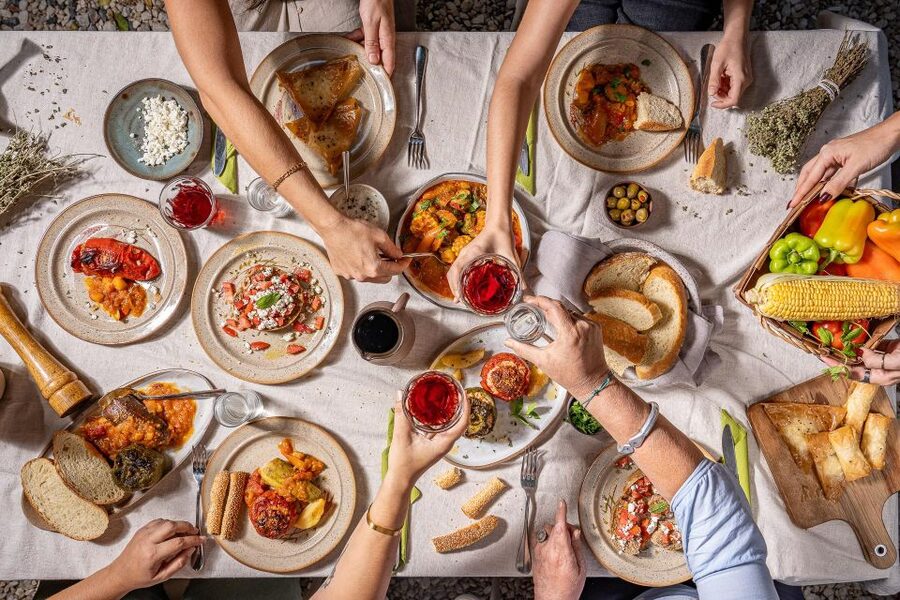
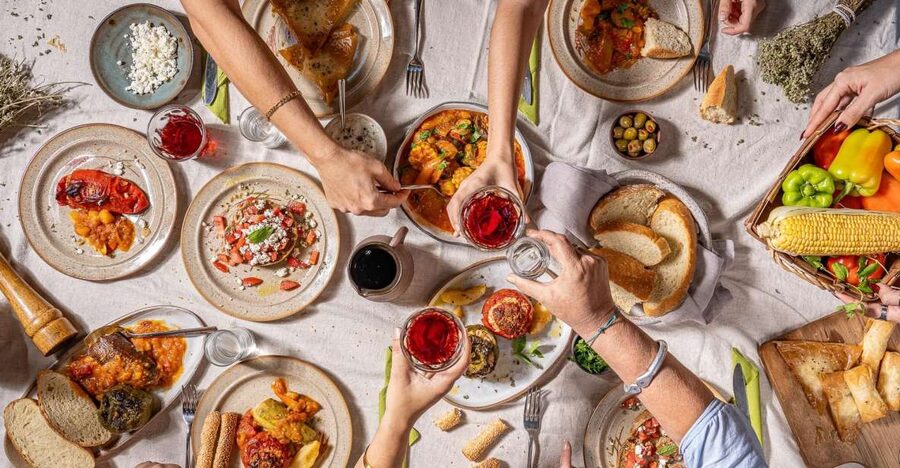
The menu focuses on dishes from Cretan and Peloponnesian family traditions. The listed menu contains six recipes, and the portions create a large shared meal. You should arrive ready to eat well, because the food is not a token tasting at the end.
Yemista
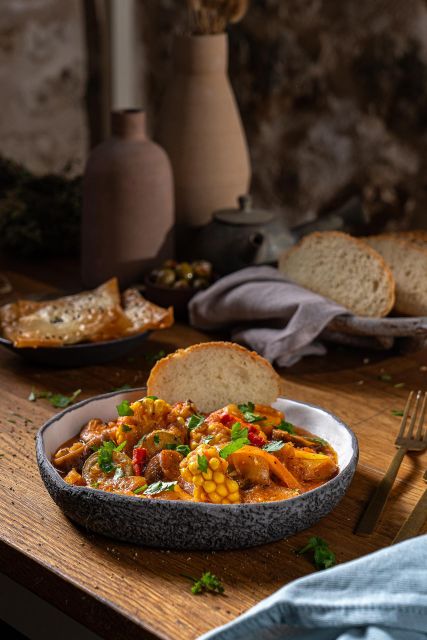
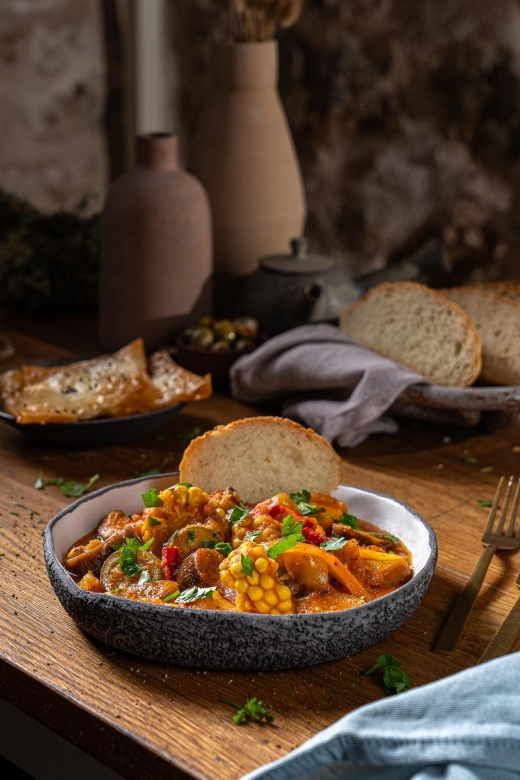
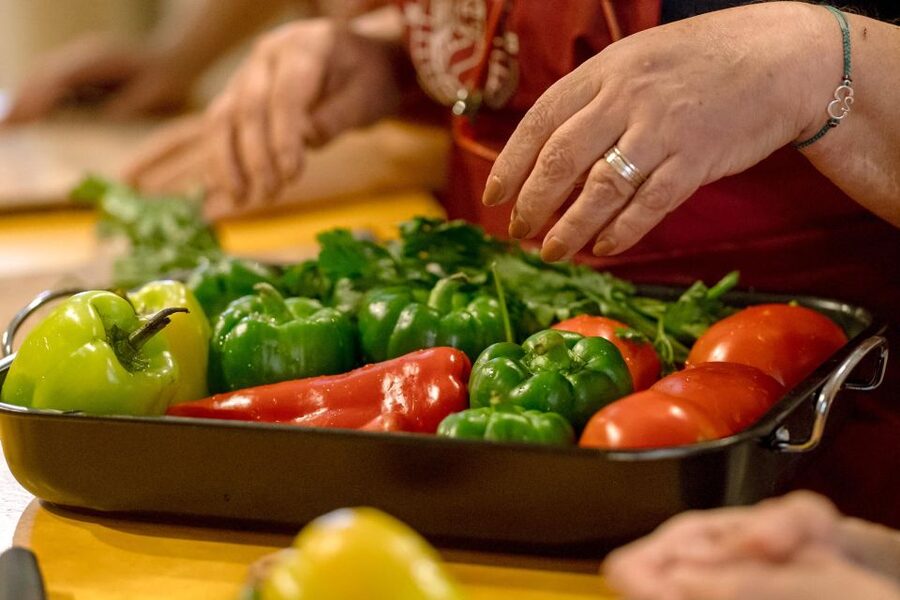
Yemista consists of tomatoes and peppers stuffed with rice, fresh vegetables, herbs, and extra virgin olive oil. This is a useful dish to learn because it shows how Greek cooking turns basic produce into something filling and fragrant.
You will pay attention to the filling, seasoning, and oven cooking. The recipe also gives you an easy way to use summer vegetables at home. Since produce changes through the year, the exact ingredients may vary.
More Cooking Classes in Athens
- Athens: Classic Cooking Class with Market Visit and Wine
★ 5.0 · 1,101 reviews - Athens: Food Market Visit and Cooking Class with Wine
★ 4.9 · 1,087 reviews - Greek Cooking Class in Athens Including Rooftop Dinner with Acropolis View
★ 5.0 · 826 reviews - Greek Small-Group Athens Cooking Class & Dinner
★ 5.0 · 574 reviews
Spinach cheese rolls
The spinach cheese rolls are small pies made with feta, fresh spinach, herbs, and phyllo dough. They are baked until crisp and are often the favorite dish of the class.
Working with phyllo is one of the more practical skills here. You learn how a thin pastry can hold a savory filling without becoming heavy. The finished rolls are easy to serve at a party, picnic, or family meal, so this is one of the recipes you are most likely to repeat.
Cretan Ntakos salad
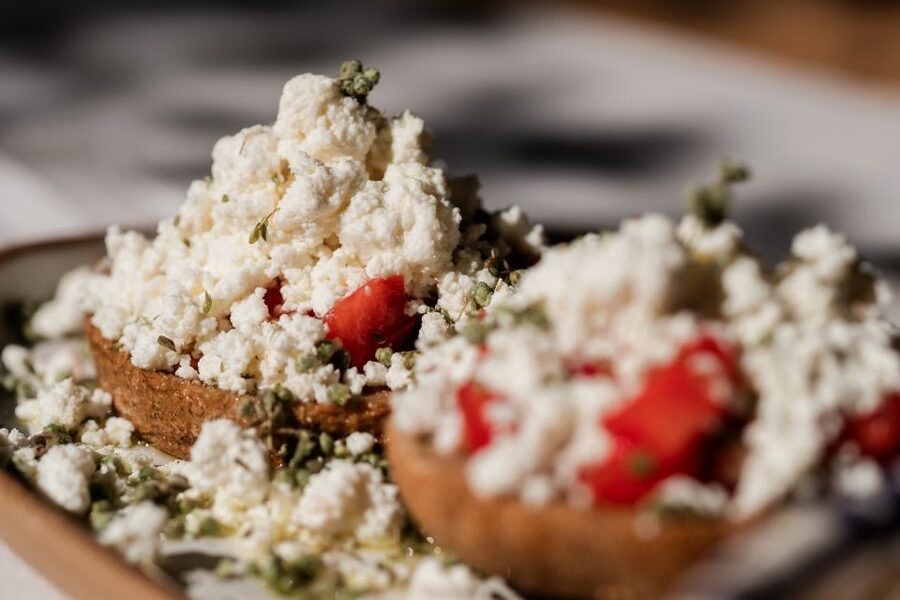
Ntakos is a Cretan salad built around crunchy barley rusks, diced tomato, capers, oregano, olive oil, and sour mizithra cheese. The rusks soften as they absorb the tomato and oil, but they retain enough texture to keep the dish interesting.
This salad gives you a good lesson in balance. The tomato adds freshness, the cheese brings tang, and the barley rusk makes the salad more substantial than a bowl of raw vegetables. It is also a welcome change from the familiar Greek salad found on many restaurant menus.
Kagiana
Kagiana is Greek-style scrambled eggs made with grated tomatoes, peppers, and feta. It is one of the simplest dishes on the menu, but simplicity is part of its appeal.
You learn how a few fresh ingredients can make a satisfying breakfast or light meal. One participant still prepared the egg dish at home months after the class, which tells you something about its usefulness. This is not just a holiday recipe. It can become part of your regular cooking.
Tzatziki
The tzatziki uses yogurt, cucumber, garlic, and the usual Greek attention to freshness. The class explains how to combine the ingredients into a sauce that works with vegetables, bread, grilled foods, and many other meals.
This may be the easiest recipe to repeat. A participant noted learning to make it in under five minutes, and that is a fair measure of its value. You leave with a recipe that needs no special equipment and can improve a plain meal at home.
Loukoumades
Loukoumades are small round doughnuts served with honey and cinnamon. They provide a sweet finish after the savory dishes.
The main point to know is that you may not watch every stage of the dessert preparation. One participant would have preferred to see the loukoumades made from start to finish, since some of the dessert work took place while the group was eating. If a full demonstration matters to you, ask about the timing at the start.
The menu can change with seasonal availability. That is sensible for a class built around fresh ingredients, but do not book with the expectation that every session will follow the exact six-dish list.
How the class works in practice
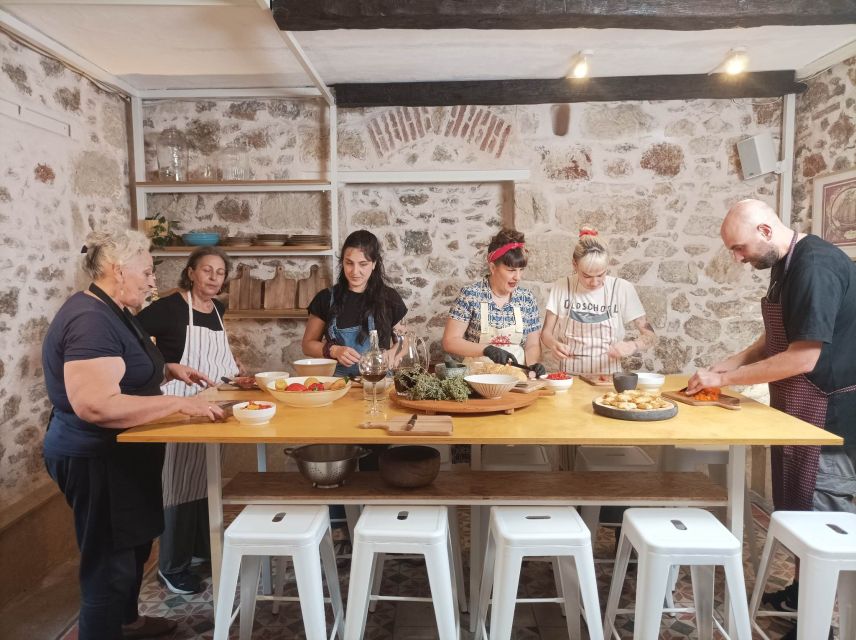
The format is genuinely participatory. You do not sit at the back while a chef performs. The host assigns tasks, explains ingredients and methods, and brings the group through the recipes in a useful order so the meal is ready at the right time.
Elena is often praised for patience, clear instruction, and the way she gets everyone involved. Kostas is described as a careful teacher who explains each step. Vasilis, also called Billy, brings a more playful style, with cooking advice, stories, and plenty of conversation. The instructor can vary, but the experience is conducted in English.
The cooking is suitable for beginners. You do not need advanced kitchen skills, and the recipes are explained in a straightforward way. At the same time, experienced home cooks should find enough interest in the ingredient stories, preparation methods, and regional background.
The class also works well for families. A group ranging from age seven to fifty took part successfully, with the children included in the preparation. If you are traveling with young family members, remember that this is a three-hour kitchen activity, not a quick demonstration. Children who like to help with food should enjoy it most.
Eating in the garden changes the mood
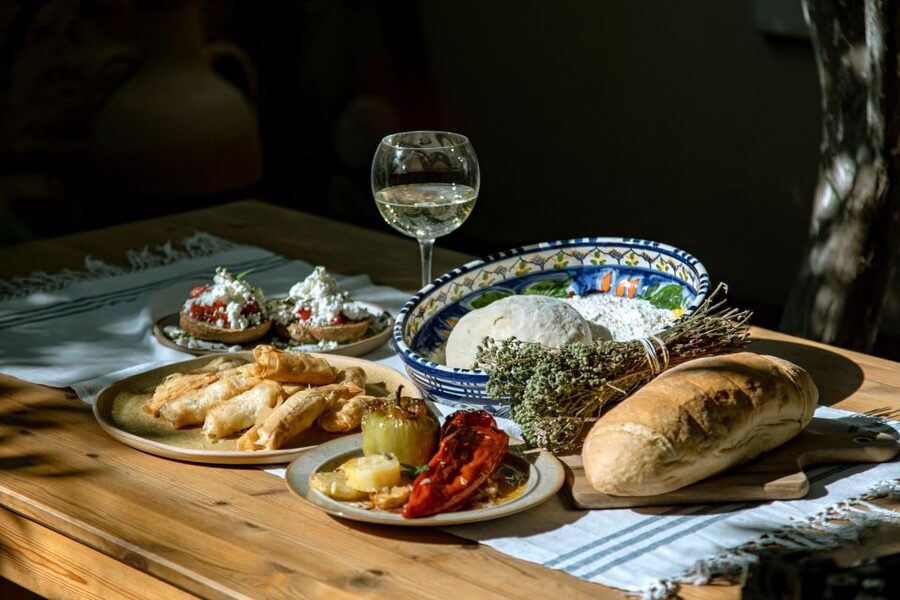
Once the dishes are ready, you sit down together to eat. This communal meal is a major part of the value. You have already handled the ingredients and shared the work, so the food feels more satisfying than a plate placed in front of you at a restaurant.
The garden and courtyard provide a pleasant setting, especially in warm weather. Some sessions take place indoors with air conditioning when needed. Local wine is included with the meal, and the relaxed table setting encourages conversation with the other people in the group.
Group size matters here. A small class gives you more chances to cook and ask questions. One couple had a private-feeling session with only two participants, while another group had seven people. The exact size depends on the date, but the activity is presented as a small-group experience.
There is also a social side that you cannot get from a self-guided food tour. You meet people from places such as Australia, Canada, the United States, and the United Kingdom, then share a meal made by everyone. If you want a quiet, private lesson with no interaction, this may feel too social. If you enjoy meeting people over food, it is a strong match.
What the $106 price really includes
At $106 per person, this is not the cheapest meal you can buy in Athens. You can eat a good Greek lunch for much less, especially away from the main tourist streets.
The comparison is not quite fair, though. The price includes three to three and a half hours of instruction, six dishes, market shopping on Tuesdays, wine from local producers, and digital recipes. You also receive the setting, the host’s time, and the chance to prepare the meal yourself.
I consider the price reasonable for anyone who would otherwise book a cooking class and eat out afterward. The meal is substantial, and several people needed help packing leftovers because there was too much to finish at the table. That makes the experience closer to a class, meal, and cultural visit in one booking.
The value is lower if you dislike cooking or mainly want a quick food tasting. It is also worth checking what is included if you have strict dietary needs, since the menu changes with the season.
Small details that make the visit easier
Wear clothes that are comfortable for kitchen work and shoes you do not mind standing in. The experience lasts most of an afternoon or evening, depending on the start time, so avoid placing an important timed attraction immediately afterward.
Bring a phone to scan the QR code for the recipes. The recipes are provided digitally rather than necessarily as a printed booklet. If you do not receive them, ask before leaving, since one participant had a communication problem with the recipe delivery.
Mama’s Roots also has a small area selling pottery, jewelry, art, and other handmade items from local makers. This is not part of the cooking fee, but it can be a pleasant browse before or after class. Carry some cash if you hope to buy a small keepsake, as payment details are not specified.
The provider allows free cancellation up to 24 hours before the activity for a full refund. You can also reserve now and pay later, which helps if your Athens schedule is still shifting. Starting times vary, so check the available session before planning your day.
Who should book this Kerameikos cooking class?
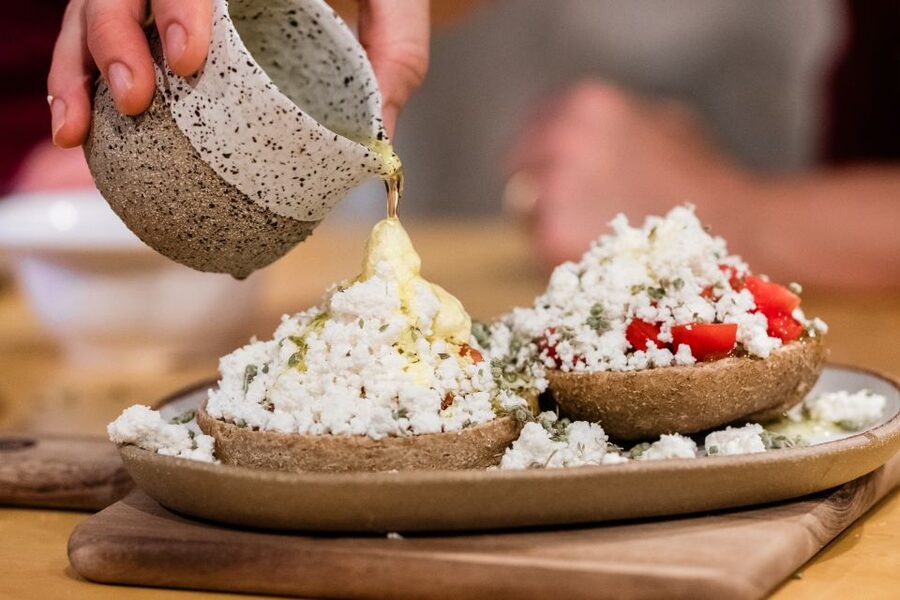
I would recommend it most strongly to people who want a meal connected to local family cooking rather than a formal chef performance. It suits couples, families, solo visitors, and small groups who enjoy conversation and shared work.
It is especially good for first-time visitors to Greece who want context for the food they are already eating. The recipes are approachable, the atmosphere is informal, and the digital instructions let you carry the experience home.
Vegetarians should find the listed menu appealing, since the six dishes contain vegetables, eggs, cheese, yogurt, and pastry rather than meat or fish. Still, the menu changes by season, so contact Mama’s Roots first if you have allergies or firm dietary requirements.
I would skip it if your Athens schedule is packed with short sightseeing stops, if you want a professional kitchen demonstration with no participation, or if you are uncomfortable with a shared meal and group conversation.
Should you book it?
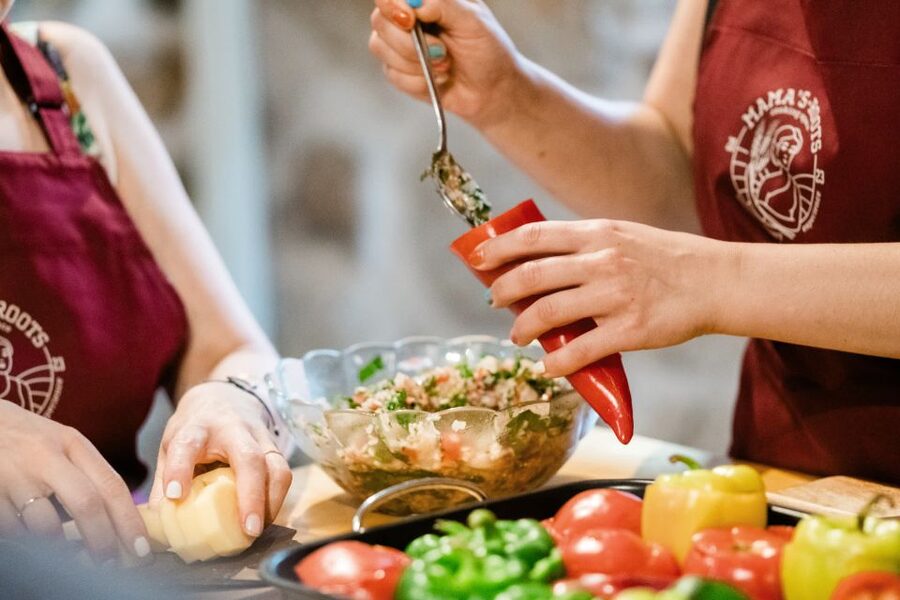
Yes, if you want to spend half a day cooking, eating, and talking in a personal setting. The strongest reasons are the useful recipes, generous meal, patient hosts, and lovely stone house garden. Choose Tuesday if the market visit appeals to you, and confirm the current menu if a particular dish matters.
At $106, you are paying for more than lunch. You are paying for time, instruction, ingredients, wine, and a story behind the food. For someone who wants to bring a small piece of Greek home cooking back from Athens, that is a fair deal.
FAQ
How long does the Athens cooking class last?
The class lasts approximately 3 to 3.5 hours.
Where does the cooking class take place?
It takes place at Mama’s Roots in a traditional 1920s stone house in Athens’ Kerameikos neighborhood.
What language is the class taught in?
The class is taught in English.
What dishes are prepared?
The listed menu includes Yemista, spinach cheese rolls, Cretan Ntakos salad, Kagiana, tzatziki, and loukoumades. The menu can change with seasonal availability.
Is the Tuesday market visit included?
Yes. On Tuesdays, the farmers’ market is directly in front of the house, and the group usually spends about 15 minutes choosing fresh ingredients.
Is wine included?
Yes. Wine from local producers is included with the meal.
Do I receive the recipes?
Yes. Recipes are provided in digital form, usually through a QR code.
Can I cancel the booking?
You can cancel up to 24 hours in advance for a full refund. The activity also offers a reserve-now, pay-later option.
New on the Athens shelf
- Acropolis of Athens, Parthenon and Acropolis Museum private tour with dinner★ 5.0 · 77 reviews
- Small-Group Wine Tour in Athens with Tasting★ 5.0 · 33 reviews
- Private Athens Transfer Airport/Port -Greek Tours-Hourly service★ 5.0 · 88 reviews
- VIP Private Guided Tour of Athens Acropolis & Plaka in a Sidecar★ 5.0 · 108 reviews
- Athens Moonlight Waling Tour with Drinks and Meze Dishes★ 5.0 · 259 reviews
- Private Athens Landmarks Layover Tour★ 4.5 · 41 reviews
- Departure Transfer from Athens City to Athens Airport★ 5.0 · 41 reviews
- Classic Athens Food Tour with Local Drink & Market Visit★ 5.0 · 34 reviews
Ancient Sites, compared.

Acropolis & up to 5 Archaeological Sites Combo Pass
Read our verdict →

National Archaeological Museum Ticket & Audio Guide
Read our verdict →
Ancient Corinth Day Trip with Canal & VR Guide
Read our verdict →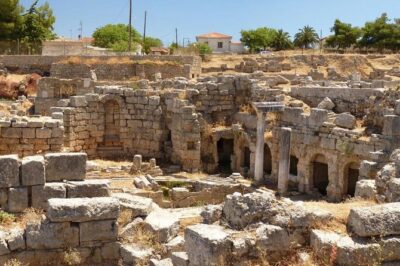
Private Biblical Tour Ancient Corinth & Isthmus Canal from Athens
Read our verdict →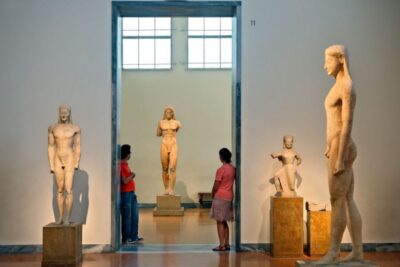
National Archaeological Museum Ticket w/ Opt. Audio
Read our verdict →
Ancient Olympia: Archaeological Site and Museum Entry Ticket
Read our verdict →
Delphi: Archaeological Site & Museum Ticket with Audio Tours
Read our verdict →Browse the lists this tour appears in