
Review · METEORA TOURS
From Athens: 4-Days Classical Tour with Meteora
The most rewarding part of this four-day journey is the sheer range of Greece you cover. In one sweep, you’ll see the theater at Epidaurus, the Tomb of Agamemnon, the birthplace of the Olympic Games, Delphi’s oracle, and monasteries perched above Meteora. This is a serious history route, not a lazy countryside outing.
I especially like the smart northward arc through the Peloponnese, and the fact that major entrance fees, a guide, coach transport, breakfasts, and dinners are built into the price. The route also uses the long drives well, with stops at the Corinth Canal, the Rio-Antirrio bridge, Nafpaktos, Itea, and Thermopylae.
The trade-off is time. You cover a lot of ground in four days, so several visits are brisk and the bus rides are unavoidable. Hotel quality can vary by package, so I’d ask about the four-star upgrade before booking. At $711 per person, this makes the most sense if you want one organized trip rather than arranging several long-distance journeys yourself.
Key points to know before booking
- Six major ancient sites in four days: Epidaurus, Mycenae, Olympia, Delphi, Meteora, and Thermopylae all fit into one route.
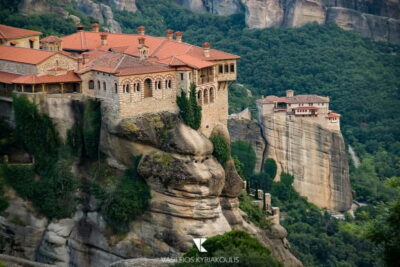
- Meteora is the visual climax: Monasteries sit on huge rock pillars above Kalambaka, with Byzantine art inside.
- A lot of driving, but sensible breaks: The route crosses the Peloponnese and central Greece, using stops to break up the longer transfers.
- Guides are central to the experience: English, French, and Italian tours are available, with guides including Georgia Dova, Evie, and Anthony on past departures.
- Meals and admission are included: Breakfast, dinner, entrance fees, coach transport, and bus Wi-Fi are covered, while lunches and drinks are extra.
- Check the hotel category: A four-star upgrade is worth considering, especially if overnight comfort matters to you.
Why this four-day route works
Greece can be awkward to explore independently when the sights are spread across the mainland. Epidaurus, Mycenae, Olympia, Delphi, and Meteora are not arranged in a neat circle from Athens. This tour handles the long transfers by coach and links them into a route with a clear story: ancient kingdoms, classical city-states, Roman and Byzantine eras, religious centers, and modern Greece.
You should think of it as a moving history course with scenery outside the window. The guide gives meaning to places that can otherwise feel like piles of stones, while the bus lets you reach sites that would take much more planning by public transport.
The pace is full. You won’t have a free day in Olympia or Delphi, and the stops in Nafplio, Nafpaktos, Itea, and Thermopylae are short. Still, the route is divided into manageable sections rather than one endless transfer. The major visits happen in the morning or early part of the day, with the coach continuing toward the next overnight town.
The coach is air-conditioned and has free Wi-Fi. That matters on a route with several long stretches. You’ll want comfortable shoes, water, and a willingness to be on the move.
A few more Meteora options worth putting side by side
- Thessaloniki: Full-Day Bus Trip to Meteora
★ 4.8 · 3,471 reviews - Athens: Meteora Monasteries Day Trip with Caves and Lunch
★ 4.7 · 2,964 reviews - Athens: Meteora Monasteries Day Tour with Lunch
★ 4.8 · 2,196 reviews
Day 1: Epidaurus, Mycenae, and Olympia
The first morning takes you along the coastal road toward the Corinth Canal. The stop is short, but the canal is an excellent opening image: a narrow cut through the land linking the Gulf of Corinth with the Saronic Gulf. You’ll have time to take in the scale and photograph the steep sides before continuing.
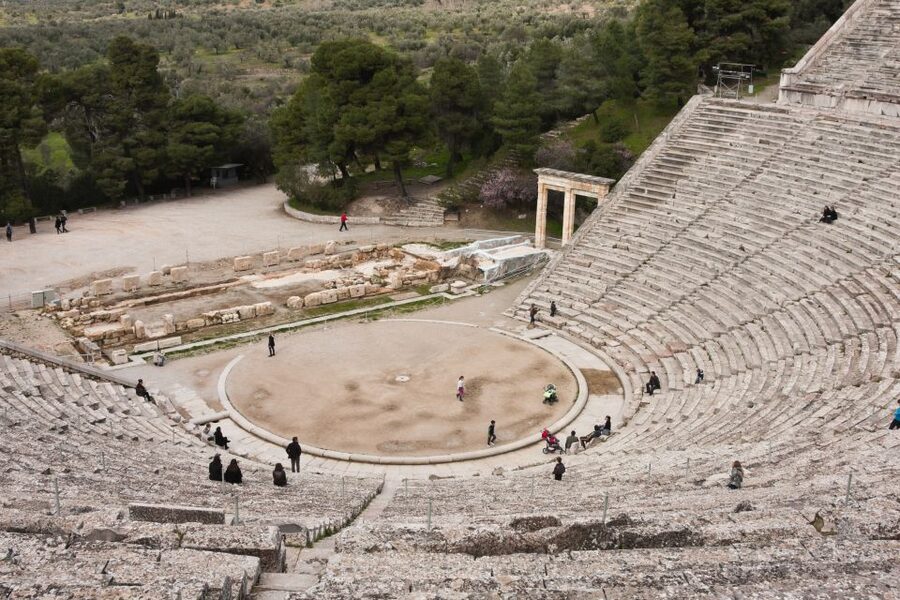
Epidaurus is the first major archaeological visit. Its theater is famous for its acoustics, and this is one place where the guide’s explanation helps. The theater is not just an impressive semicircle of stone. Its design lets sound carry remarkably well across the seating area, giving you a direct sense of the technical skill behind classical Greek architecture.
The site was part of a sanctuary dedicated to Asclepius, the ancient Greek god associated with healing. The supplied program specifically highlights the theater, so the amount of time inside the wider site can depend on the day’s schedule. Wear shoes suited to uneven ground and expect the visit to involve walking outdoors.
Next comes Nafplio, one of Greece’s prettiest historic towns, though this itinerary allows only a short photo stop. That limitation is important. You will see the town and its setting, but you will not have enough time here for a relaxed meal, a waterfront walk, or a full visit to its fortifications. Treat it as a scenic pause rather than a proper town visit.
Mycenae gives the day its strongest connection to Homeric legend. You’ll visit the archaeological site and the Tomb of Agamemnon, also known as the Treasury of Atreus. The site recalls the Mycenaean civilization that flourished long before classical Athens, with monumental stonework and a powerful sense of age.
The Tomb of Agamemnon is especially memorable because of its beehive-shaped interior and massive stone entrance. The name links the place with the legendary king from the Trojan War, although the archaeological site belongs to a much earlier period than the classical stories most visitors know.
From Mycenae, the coach crosses central Peloponnese toward Olympia, passing through Tripolis and Megalopolis. This is a long transfer, but it gives you a look at the interior of the region rather than only its famous coastal sites. You’ll spend the night in Olympia and have dinner there.
Day 2: Olympia and the bridge to Delphi
Olympia is more than the birthplace of the modern Olympic Games. It was a major sanctuary dedicated to Olympian Zeus, and the archaeological site helps explain why athletic contests were tied to religion, politics, and civic identity.
The morning visit includes the Sanctuary of Olympian Zeus, the ancient stadium, and the spot where the flame for the modern Olympic Games is lit. That last location connects the ancient site with a ceremony still used today. The ancient stadium is less polished than a modern sports venue, which is part of its appeal. You can better picture contests taking place on a simple earth track surrounded by sloping ground.
The Archaeological Museum of Olympia is included as well. This is valuable because the museum provides details that the outdoor ruins cannot. Sculptural fragments and surviving artworks help you understand the scale and decoration of the sanctuary.
You’ll need to keep an eye on the guide and the meeting time here. Olympia can reward slow looking, but the route must continue north. A good strategy is to focus on the sanctuary, stadium, museum, and the modern Olympic flame site rather than trying to examine every remaining foundation.
After Olympia, the coach crosses the plains of Ilia and Achaia toward the Corinthian Gulf. The Rio-Antirrio bridge is one of the modern engineering highlights of the trip. It carries the road between Rion and Antirion and provides a sharp contrast with the ancient sites visited earlier in the day.
The route then passes Nafpaktos, also called Lepanto, and Itea. The stop pattern is mainly scenic, so you should not expect a long independent visit in each town. Nafpaktos is particularly attractive from the road, with its connection to the Gulf of Corinth and its old harbor setting.
You arrive in Delphi for dinner and an overnight stay. This is a good overnight location because the next morning’s visit can begin without a long transfer from another city.
Day 3: Delphi, the oracle, and Kalambaka
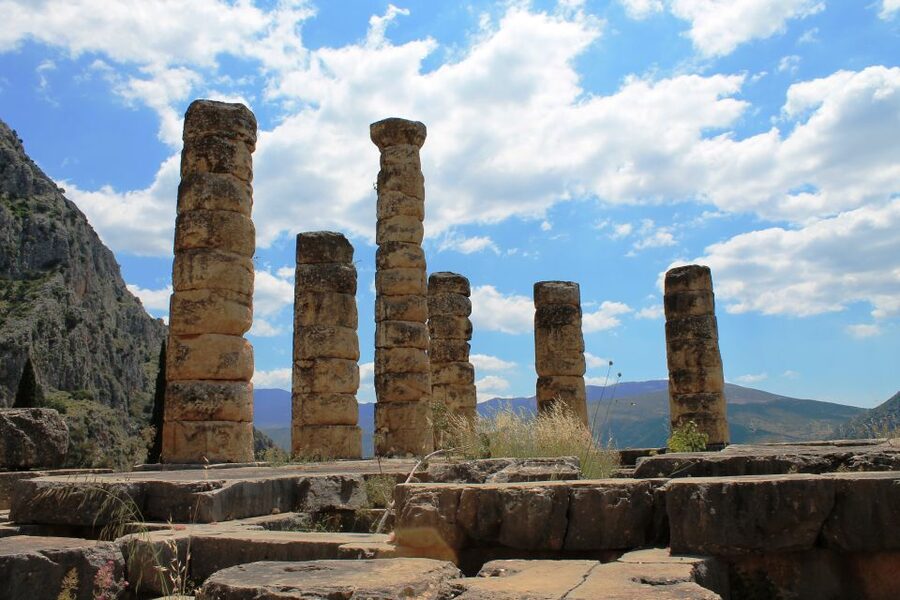
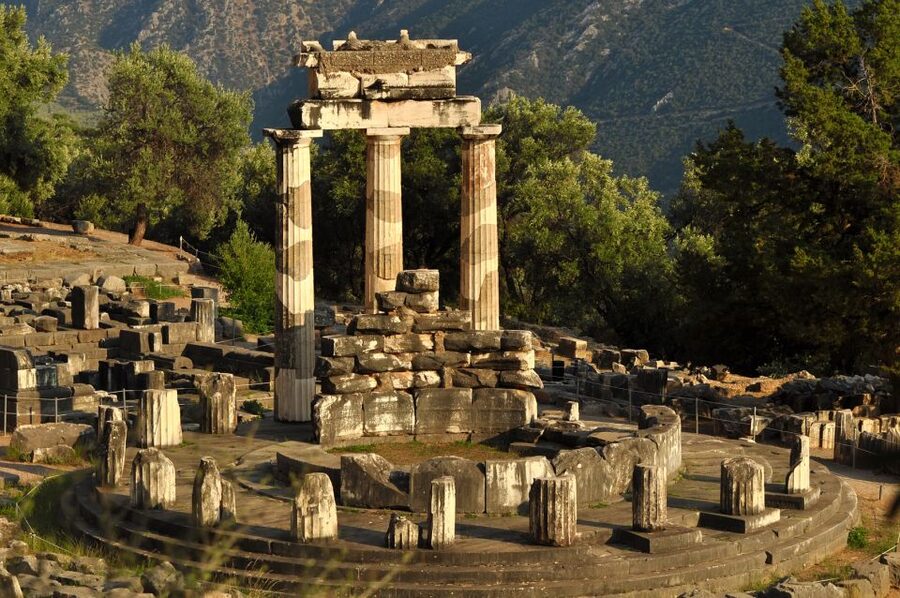
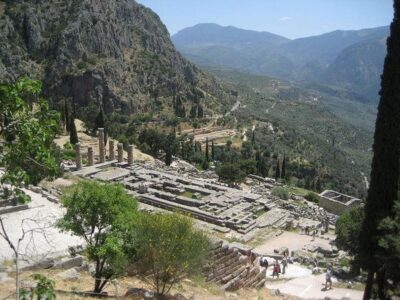
Delphi was considered the center of the ancient Greek world, and the morning visit takes you to both the archaeological site and its museum. The sanctuary was home to the oracle of Apollo, whose pronouncements influenced rulers, colonies, and military decisions across the Greek world.
The site is built into a mountainside, so expect some uphill walking and uneven surfaces. The setting is a major part of the visit. From the ruins, you look across the surrounding countryside, and the placement of the sanctuary becomes easier to understand.
The museum adds essential context. It gathers important finds from Delphi in one place, allowing you to see sculpture and architectural details that would be scattered or missing outdoors. If you like ancient art, this museum is one of the strongest parts of the tour.
Delphi can feel rushed if you try to see every detail. I’d listen closely during the guide’s explanation, then use any free minutes for the most important structures and museum pieces. A guide such as Georgia Dova, Evie, or Anthony can make a real difference here, since Delphi’s meaning depends heavily on knowing what each building was used for.
After the Delphi visit, you head toward Kalambaka. This is another substantial coach ride, but it takes you from the southern mainland into central Greece. Kalambaka is a small town at the foot of Meteora’s huge rock formations, and it is the base for the final night.
The arrival near Meteora is one of the route’s great visual changes. The rocks rise abruptly above the town, and the monasteries seem to occupy impossible positions on top of them. Dinner and the overnight stay are in Kalambaka.
Close by, and nothing like it:
- Athens: Meteora Tour with Local Guide and Greek Lunch
★ 4.8 · 1,561 reviews - Athens: Meteora Monasteries, Caves & Coastal Stopovers with Lunch
★ 4.5 · 1,432 reviews - Meteora Monasteries & Caves DayTrip from Athens with Greek Lunch
★ 4.5 · 879 reviews - From Athens: Delphi and Meteora 2-Day Guided Tour
★ 4.5 · 825 reviews
Day 4: Meteora monasteries and Thermopylae
Meteora is the reason many people choose this particular tour. The setting is striking: enormous rock pillars support monasteries that appear suspended above the ground. The exact monastery visits can depend on operating schedules, but the program includes a visit to Meteora and a look at Byzantine art.
These monasteries were built as religious retreats in places that were difficult to reach. Their position offered isolation and protection, while the interiors preserved icons, paintings, and other examples of Byzantine religious art. The experience is different from the earlier ancient sites. At Epidaurus, Mycenae, Olympia, and Delphi, you are reading the remains of ancient institutions. At Meteora, the religious buildings remain part of the visual and cultural setting.
You should dress respectfully for the monastery visit and be prepared for steps or uneven access. The provided information does not specify which monasteries are included or how many you enter, so check the final schedule if that detail matters to you.
After Meteora, the coach returns to Athens by way of Trikala, Lamia, and Thermopylae. Thermopylae receives a short stop to see Leonidas’s Monument from across the road. This is not a full archaeological visit, but it gives the final day a strong historical footnote.
Thermopylae is tied to the famous stand of King Leonidas and the Spartan force against the Persian army. The stop is brief, so keep expectations realistic. You will not have time for a long museum visit or an extended exploration, but the monument makes a useful closing reference to the ancient world before the return to modern Athens.
Arrival is expected in Athens early in the evening, back at the meeting point.
What the $711 price really covers
At $711 per person, the price is not simply paying for transport between ruins. It includes three nights of accommodation, a professional guide, luxury air-conditioned coach transport, entrance fees, breakfasts, dinners, and free Wi-Fi on the bus.
That bundled structure can be useful if you value predictability. You don’t need to buy separate admission tickets at each major site, and you don’t need to arrange hotels in Olympia, Delphi, and Kalambaka. The coach also removes the challenge of planning a mainland route with several one-way transfers.
Lunches and drinks are not included, so budget for those each day. Because the schedule keeps moving, you may prefer to buy lunch quickly rather than expect a long restaurant stop.
The accommodation tax is also extra. The stated amount is €1.50 per night for a three-star hotel, €3 for a four-star hotel, and €4 for a five-star hotel, charged per overnight per room at check-in or before check-out. Confirm the hotel category and exact tax before you go.
Hotel quality deserves attention. A four-star upgrade has been a worthwhile choice on some departures, while the standard accommodation has not satisfied everyone. If you care about room comfort, ask specifically about the upgrade option instead of assuming all packages use the same hotels.
Guides, transport, and the daily pace
The guide is the thread tying this journey together. The available languages are English, French, and Italian. Guides who have led departures include Georgia Dova, Evie, and Anthony, and drivers have included John and Socrates.
A strong guide matters most at Delphi, Olympia, and Mycenae, where the ruins need explanation. At Meteora, the guide can also clarify the religious purpose of the monasteries and point out the Byzantine art inside.
The coach is a practical choice for this route. You will spend several hours on the road, but the air conditioning and included Wi-Fi make the transfers easier. The bus also allows the group to move together, which keeps the four-day schedule possible.
The cost is a fairly active touring pace. You should be comfortable boarding the coach repeatedly, walking around archaeological sites, and keeping to fixed departure times. This is not the right choice if you want to linger for half a day at each ruin.
Who should book this tour?
I’d recommend it to a first-time visitor who wants a broad introduction to mainland Greece without renting a car. It works especially well for anyone interested in ancient Greek civilization, classical architecture, Orthodox religious art, and the way the country’s regions connect.
It also suits you if you have only four days and want the major highlights in one organized trip. The combination of included admissions, hotels, dinners, and transport reduces planning work.
I’d be more cautious if your priority is slow travel. Nafplio, Nafpaktos, Itea, and Thermopylae receive short stops, while the main sites have fixed visit windows. Families and older visitors should also consider the amount of walking and the long coach transfers.
Free cancellation up to 24 hours before departure and reserve-now, pay-later terms give you some booking flexibility. The start point may vary by option, although the listed starting choices are at Zappeio, and the tour finishes back at the meeting point. Confirm those details before setting your Athens plans.
Should you book it?
Book this tour if you want the ancient Greek essentials, Meteora, and several important mainland sights in one efficient four-day circuit. The price is reasonable for the amount included, especially when entrance fees, dinners, accommodation, and a guide are counted together.
Choose the four-star hotel option if available and important to you. Go in expecting long drives and short stops, not a relaxed village holiday. If that trade-off sounds fair, this is a strong way to see far more of Greece than you could comfortably reach from Athens on separate day trips.
FAQ
Where does the tour start and finish?
The activity starts at a meeting point that may vary by booking option. The listed starting choices are at Zappeio, and the tour ends back at the meeting point in Athens.
How long does the tour last?
The tour lasts four days and returns to Athens early in the evening on the fourth day.
Which languages are available?
Live guided tours are available in English, French, and Italian.
Are meals included?
Breakfast and dinner are included according to the itinerary. Lunches and drinks are not included.
Are entrance fees included?
Yes. Entrance fees for the scheduled visits are included in the tour price.
Is the accommodation tax included?
No. The accommodation tax is paid at the hotel and ranges from €1.50 to €4 per overnight per room, depending on the hotel category stated for the booking.
New on the Meteora shelf
- Athens: Meteora 2-Day Tour Sunset & Morning Small Group + Hotel★ 5.0 · 188 reviews
- 2-Day Delphi and Meteora Tour from Athens★ 4.5 · 262 reviews
- Thermopylae, Meteora and Delphi Private Full Day Tour★ 5.0 · 216 reviews
- Athens: 3 days 2 nights Meteora with small size tours & hotel★ 5.0 · 63 reviews
- Private Full-Day Trip to Meteora by Train From Athens – Local Agency★ 5.0 · 28 reviews
- Delphi and Meteora, 2-Days Private Tour★ 5.0 · 30 reviews
- Meteora Full Day Private Tour from Athens including Lunch★ 5.0 · 124 reviews
- Delphi and Meteora Private Day Trip from Athens including Dinner★ 5.0 · 200 reviews
Meteora Tours, compared.
Meteora Monasteries Day Trip with Caves and Lunch
Read our verdict →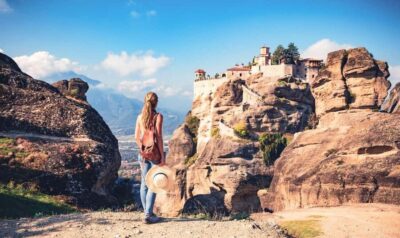
Meteora Tour with Local Guide and Greek Lunch
Read our verdict →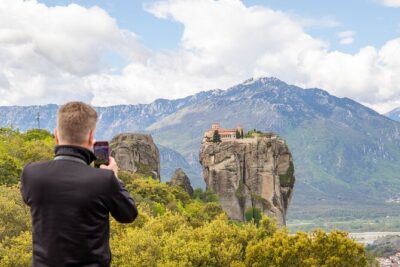
Meteora Monasteries, Caves & Coastal Stopovers with Lunch
Read our verdict →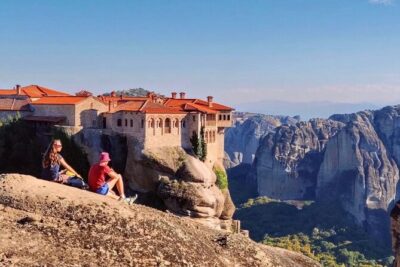
Meteora Monasteries & Caves DayTrip from Athens with Greek Lunch
Read our verdict →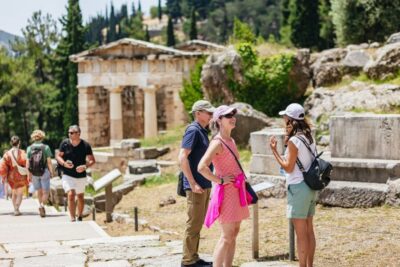
4-Day Classical Greece Tour: Epidaurus, Mycenae, Olympia, Delphi, Meteora
Read our verdict →
Meteora Monasteries, Hermit Caves Tour with Pickup
Read our verdict →Browse the lists this tour appears in