
Review · WORKSHOPS
Experience Marble Carving: Naxos Island
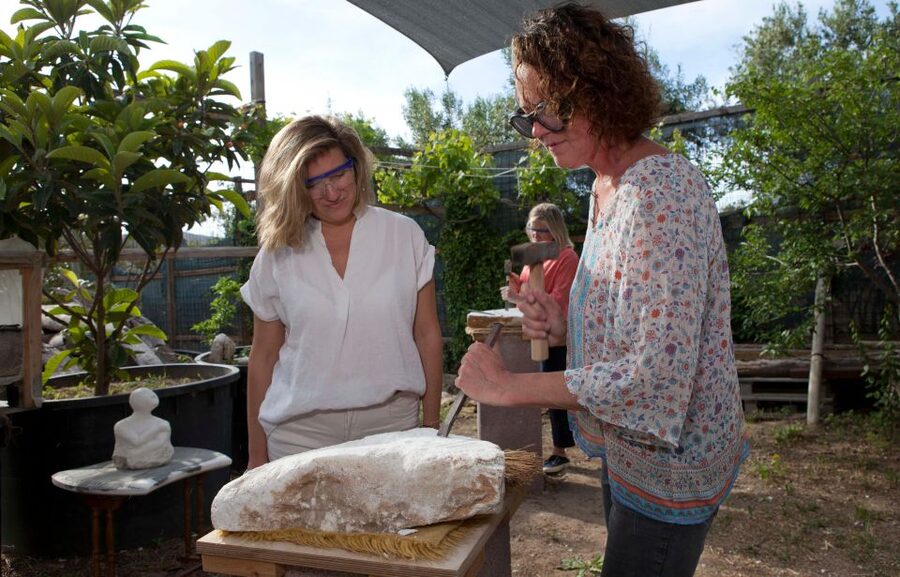
Naxos marble becomes personal here. At Maggie Ross’s outdoor workshop near Vivlos, you do not just look at a finished statue. You choose a block, learn to read its surface, and slowly turn it into a small piece of your own. No carving experience is needed, and the work moves at a calm, patient pace.
I like the hands-on teaching and the chance to take home a real Naxos marble souvenir rather than another shop-bought trinket. I also like the setting: a working farm with open views, fresh fruit, and local snacks that make the workshop feel tied to the island.
The main consideration is physical. You will hold metal tools and tap a hammer for hours, so wear practical clothes, leave jewelry at home, and choose a project small enough to carry home.
Key points to know before you book
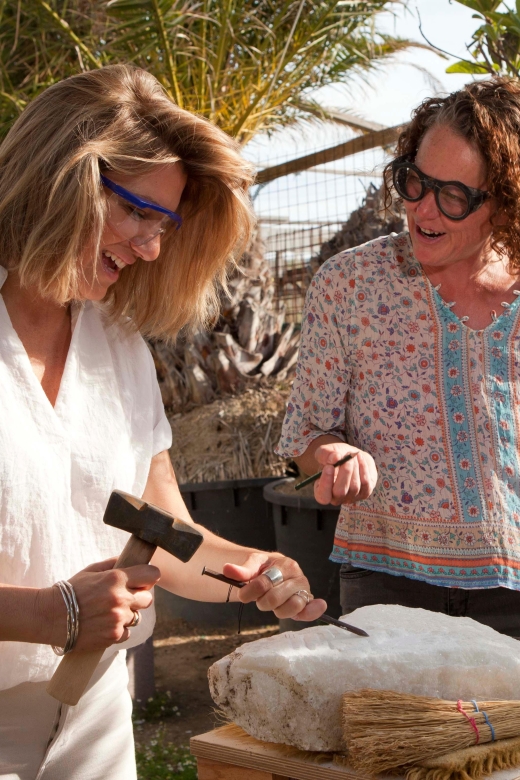
- Carve with Naxos marble: Work with white marble sourced from the island and traditional locally forged tools.
- Learn before you start: Maggie Ross demonstrates each tool and gives you time to practice on a separate block.
- Make your own design: Choose an Archaic Greek template or bring an idea such as a column, olive branch, or Portara ruin.
- Small-group instruction: The workshop accepts no more than 10 people, with personal help as you work.
- A peaceful farm setting: The outdoor workshop has views toward farms and the sea, plus fruit and drinks.
- Plan for the souvenir: Marble is heavy, and your finished piece will add weight to your luggage.
Why marble carving fits Naxos so well
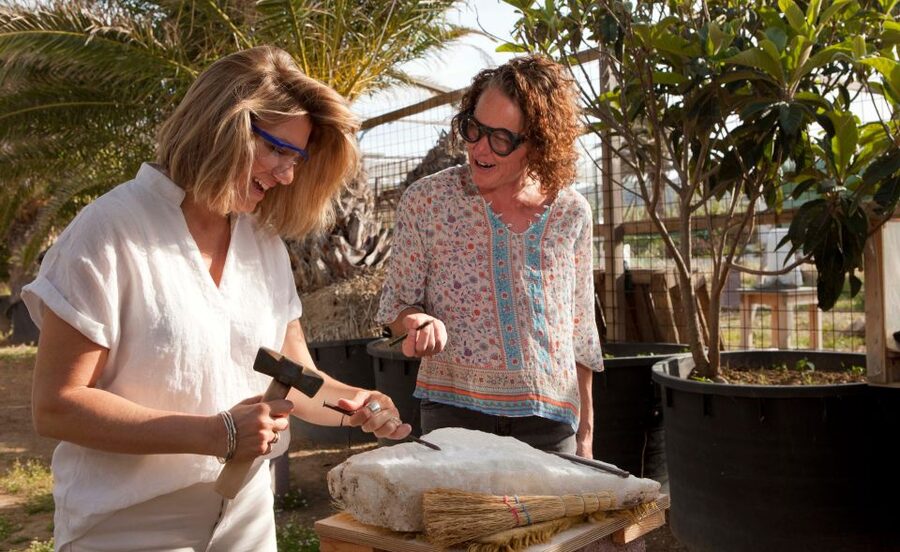
Naxos is closely linked with marble, so this is not a generic craft class moved onto a Greek island. The material in front of you comes from the island, and the tools and methods connect your work to a long local tradition.
That connection matters because marble can look simple from a distance. It is white, clean, and smooth, but the stone has its own grain, hardness, and limits. Maggie begins by explaining how marble differs from other stones and how each tool affects the surface. You learn that carving is less about forcing a shape into the block and more about removing material carefully.
I like this kind of lesson because it changes how you see ancient sculpture afterward. A column or small statue may look polished and effortless in a museum, but your own piece shows you how much control and patience the work demands.
You are not expected to produce a museum-quality sculpture in one sitting. The point is to learn the basic process, make thoughtful choices, and leave with something that carries the marks of your hands. That makes the finished object more meaningful than a standard souvenir.
More Workshops in Greece:
- Zeus Cave, Lassithi Plateau, Olive Oil Factory, Kritza, Pottery
★ 5.0 · 362 reviews - Heraklion: Beginner Scuba Diving Lesson with PADI Instructor
★ 4.9 · 355 reviews - Crete:Zeus & Lassithi Plateau, OliveTasting, Kritza, Pottery
★ 4.8 · 259 reviews
Arriving at the farm near Vivlos
The workshop is a couple of minutes south of Vivlos on the main road. Look for the Shell gas station on your left. About 30 meters later, you will find a paved drive on the right, through a metal fence, with parking in front of a blue building.
This is a practical meeting point if you have a car. Transportation and transfers are not included, so you need to arrange your own ride. If you need a taxi, the supplied contact is Dimitris with Radio Taxi at (30) 697 661 1159. You can also contact Maggie at (30) 694 765 8462 if you need help before arrival.
Give yourself enough time to find the entrance. The directions are specific, but this is a farm workshop rather than a large attraction with a prominent ticket office. Once you arrive, the outdoor work tables, marble blocks, tools, and blue building make the place clear.
The setting adds to the appeal. You work outside in a farm environment, with views across farmland and toward the sea. This is not a polished studio visit, and that is part of its charm. You are surrounded by the practical signs of a working home and workshop rather than a staged cultural display.
The first hour: tools, stone, and practice
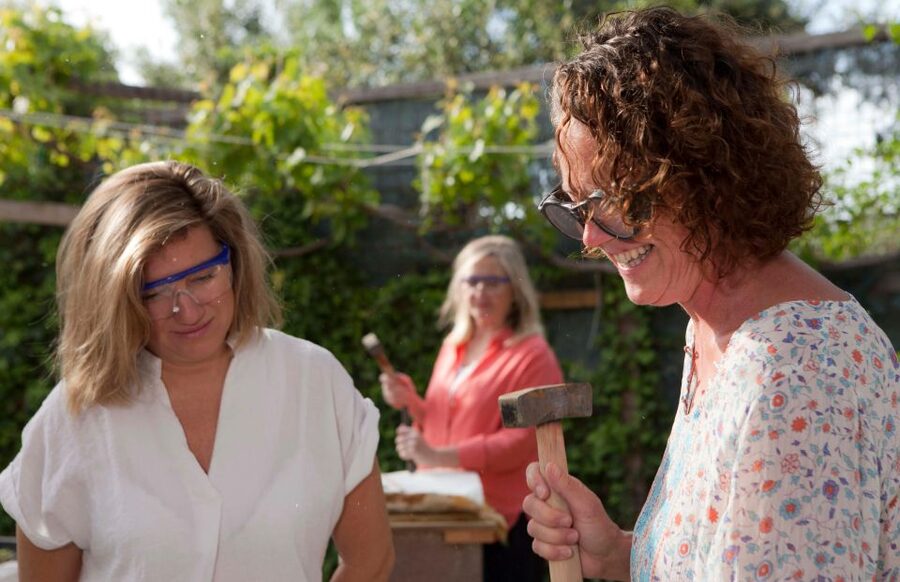
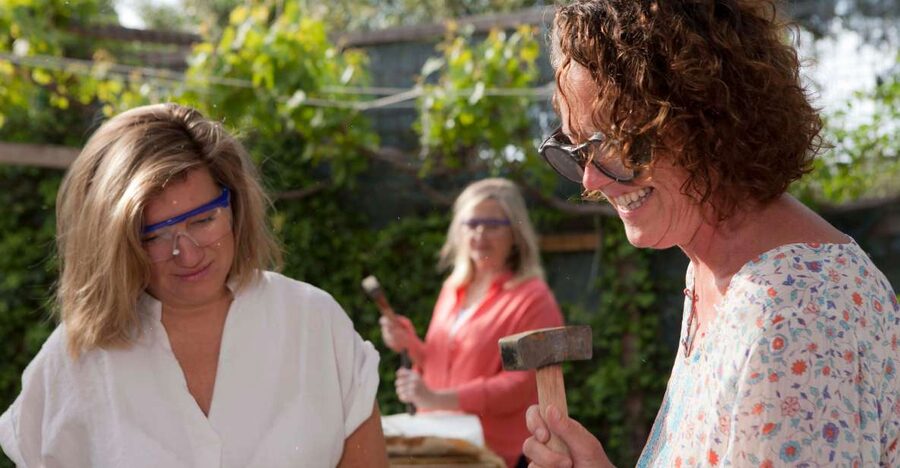
Maggie starts with the basics. You are introduced to the different hand tools and shown how to hold and use them. Safety gear is provided, and you practice on a block of marble before beginning your final design.
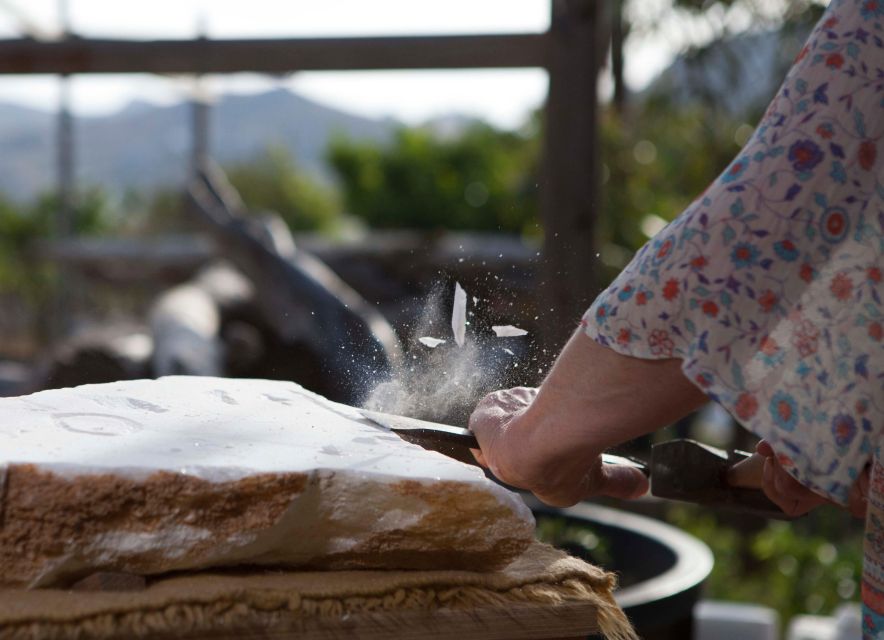
This practice period is important. A chisel and hammer do not behave like a pencil or a kitchen utensil. You need to learn the angle, pressure, and rhythm. The early marks help you understand how much material comes away with each strike, and they also let you make mistakes before working on the piece you plan to take home.
Expect to spend a substantial part of the session practicing. One family described about an hour of tool practice before planning their designs. That may sound slow if you want to start carving right away, but it is time well spent. The workshop is built around learning, not rushing everyone to a finished product.
Maggie’s teaching style is personal and steady. She explains the purpose of each tool, watches how you work, and offers help when you need it. You are not simply handed a chisel and left to figure everything out. At the same time, you get room to work independently once the basic technique is clear.
That balance suits beginners. You receive direct help at each stage, but the finished piece remains your work. Maggie may step in when a difficult cut needs extra skill, yet the aim is to guide your hands rather than take over.
Choosing a design you can finish
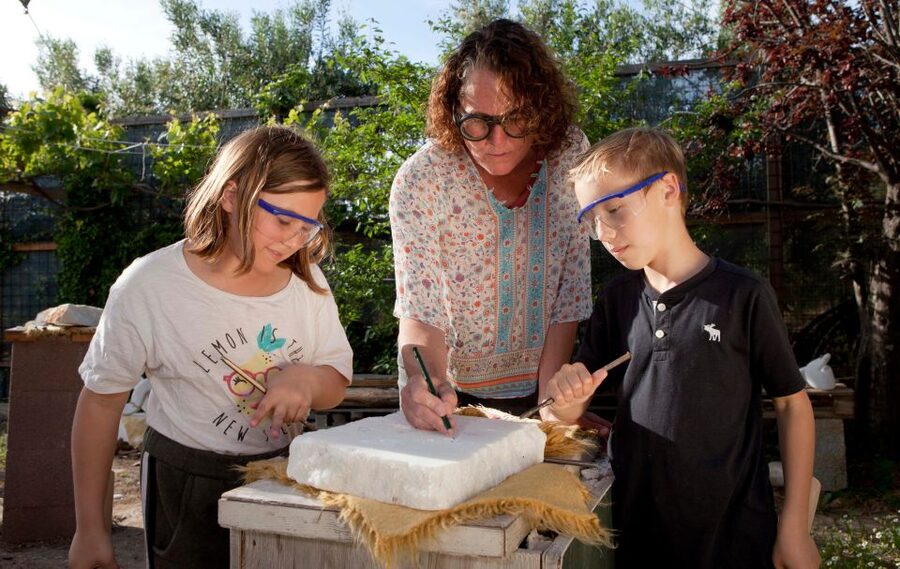
Once you understand the tools, you select a piece of marble and decide what to carve. Maggie provides Archaic Greek design templates, but you can also bring your own idea.
Simple designs are often the smartest choice for a three-and-a-half-hour activity. Examples made in the workshop have included an olive tree branch, an Ionic column, and the Portara ruin, Naxos’s familiar marble gateway. These ideas give you a clear shape while leaving room for personal touches.
You can sketch or mark the design before cutting. Maggie helps you think through the shape, scale, and details. This planning stage is where the size of your marble matters most. A large block gives you more room, but it also means more work and a heavier object to transport.
Be realistic about your luggage. One of the less obvious costs of making a marble souvenir is carrying it home. A small piece can fit into your belongings more easily, while a substantial carving may become awkward on flights or add weight to a suitcase. Ask yourself how much marble you really want to transport before you select your block.
I appreciate that the activity does not force every person into the same design. A family can work on different subjects, and an individual can follow a Greek pattern or try something personal. That choice makes the class work for couples, families, and solo participants.
A few more Greece options worth putting side by side
- Naxos Highlights Bus Tour with Free Time for Lunch at Apeiranthos
★ 5.0 · 1,215 reviews - Naxos: Half-Day Cooking Class at Basiliko Family Tavern
★ 5.0 · 887 reviews - Naxos Half Day History and Culture Guided Tour
★ 5.0 · 491 reviews - Naxos:Half-day cooking class at Basiliko
★ 5.0 · 457 reviews
Three hours of patient hand work
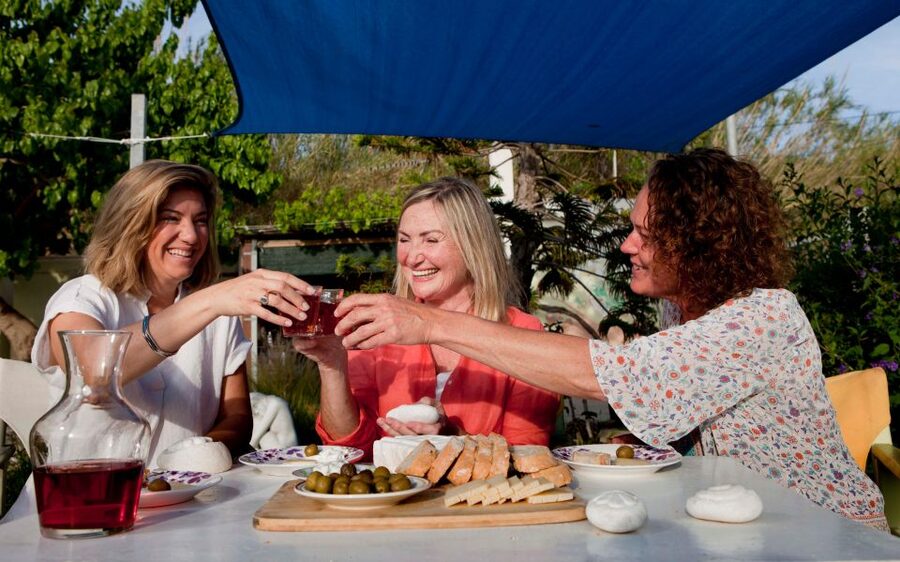
The central part of the session is quiet, repetitive, and physical. You hold a tool against the marble and strike it with a hammer, gradually removing small pieces. The sound of tapping fills the outdoor workspace, and progress can be hard to see at first.
This is where the therapeutic side of the activity becomes clear. You have to focus on the next mark rather than rush toward the final image. Your hands stay busy, and the work gives you a break from screens, schedules, and the usual sightseeing routine.
Do not confuse peaceful with effortless. You will be holding tools and repeating the same motion for a long time. The activity can be tiring, especially if you are not used to hammering or gripping metal tools. Wear comfortable clothes and sturdy shoes, and avoid rings, bracelets, and other jewelry that could get damaged or catch as you work.
The practical advice about wedding rings is worth taking seriously. The combination of a metal tool, repeated hammering, and a firm grip can cause discomfort or blisters. Removing rings before you begin is sensible.
The workshop supplies safety equipment, marble, tools, workstations, and materials. That means you do not need to bring specialist equipment or buy supplies before arriving. You only need to show up ready to work and accept that your first marks may be uneven.
Maggie’s teaching and the pace of the class
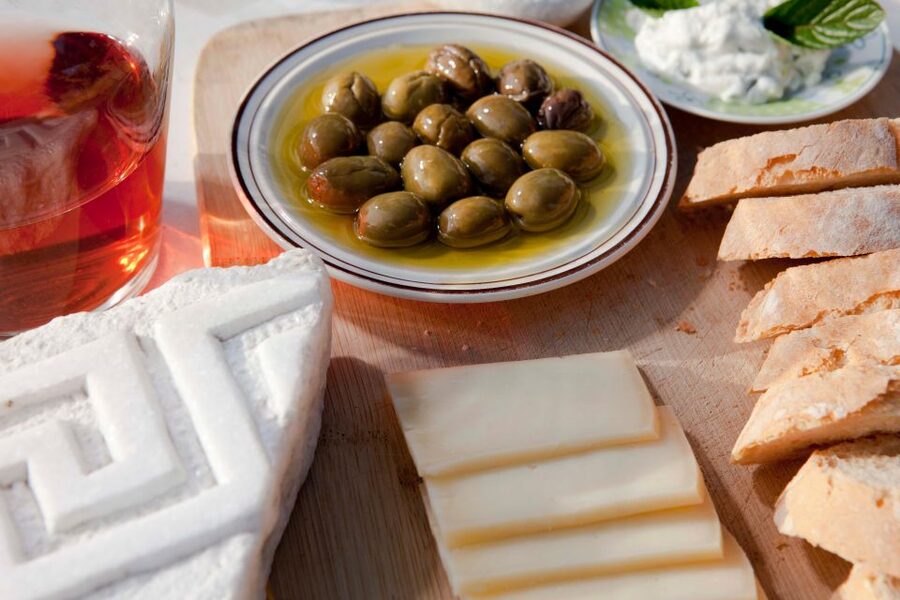
Maggie Ross leads the class in English and Greek. Her role is part artist, part teacher, and part project guide. She introduces the tools, explains the material, helps with the design, and checks on your progress as the carving develops.
This matters more than a long lecture. Marble carving is learned through correction and repetition. Maggie can show you how to change the angle of a tool, where to remove material, and how to add detail without breaking the form.
The class limit is 10 people. That is still large enough to have a social feel, but small enough for personal instruction. Actual groups can be smaller, and examples from the workshop include a group of five and family groups. If you prefer a private lesson with constant one-on-one attention, this is not advertised as a private session. If you are comfortable sharing a work area while receiving individual help, the format should suit you well.
The pace is not rigid. The planned duration is 3.5 hours, while the practical workshop time is described as about three hours. Build your day around the full period rather than scheduling a tight connection immediately afterward. Carving is hands-on, and you will want enough time to finish your design without watching the clock.
Fruit, cheese, and a taste of island hospitality
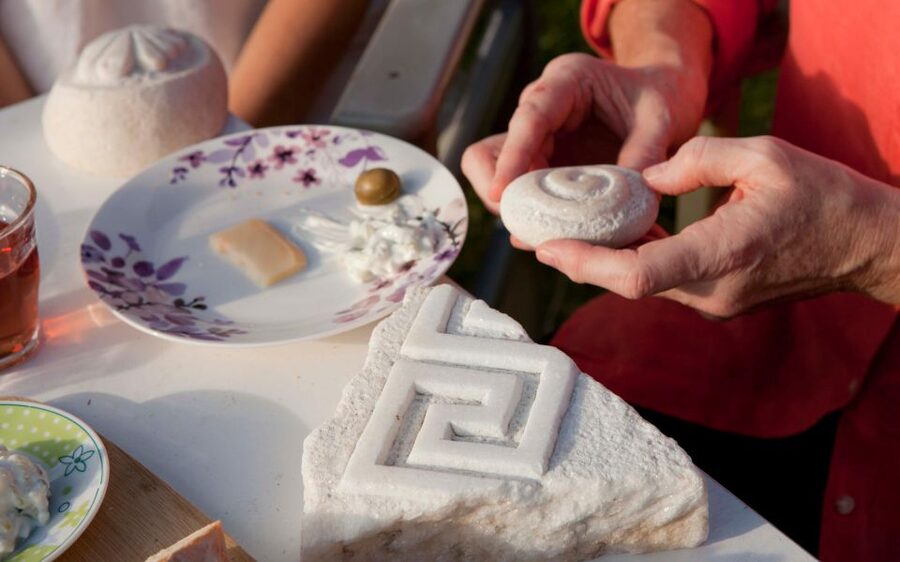
Fresh fruit and drinks are included. The food varies, but the experience has included local cheese, bread, tea, lemonade, olives, fresh salad, sweet bread, and produce from the farm. One session even included eggs from Maggie’s own chickens.
These snacks are not the main reason to book, but they improve the rhythm of the day. A short break gives your hands a rest and lets you talk with Maggie and the other people at the tables. It also adds a local touch that a standard craft studio might not provide.
Some food and drink may come after the tools are put away, including local wine or rakia. If alcohol is served, it is best enjoyed only once you have finished using the hammer and chisels. The workshop itself is about the craft first, with refreshments supporting the relaxed farm setting.
I like this part because it feels generous without turning the activity into a formal meal. You get time to pause, sample local products, and look at the pieces taking shape around the workshop.
What your finished souvenir is really worth
At $94 per person, this is not the cheapest activity on Naxos. Its value comes from what the price covers and how much time you spend with the instructor.
The fee includes the marble, every tool, workstations, safety gear, guided teaching, personal help with your design, refreshments, 25 percent booking commission, and 24 percent VAT. You also leave with a piece you made yourself. There are no extra material charges listed at the workshop.
Compare that with a short demonstration or a shop purchase. A store-bought marble object may be easier to pack, but it will not carry the memory of learning the technique or making the marks yourself. If you enjoy creative activities and want a souvenir with a story, the price is reasonable for a half-day lesson with materials included.
The value is weaker if you dislike repetitive handwork or mainly want to watch an artist demonstrate. You are paying for participation, not a passive show. You should also account for your own transport, since transfers are not included.
Who will enjoy this Naxos workshop most
This is a good fit if you want something beyond beaches, ruins, and food stops. It gives you a focused half-day and a reason to slow down.
It suits:
- First-time carvers who want clear instruction.
- Families with older children or teenagers who can handle tools responsibly.
- Couples looking for a shared activity with a useful souvenir.
- Art-minded visitors who enjoy making things with their hands.
- Anyone curious about Naxos marble and traditional sculpture methods.
- People who prefer small groups to large bus tours.
A 13-year-old has taken part successfully with patient help from Maggie, and older teenagers have enjoyed the full process. Still, the activity involves hammers, chisels, dust, and sustained concentration. Parents should decide if their child can follow tool-safety guidance and manage several hours of handwork.
It may not suit you if you have limited time, dislike physical tasks, or cannot transport a marble object afterward. The class is also less appealing if you want a polished finished statue created by an expert. Your piece will show that you made it.
Booking, cancellation, and practical details
The experience costs $94 per person and lasts 3.5 hours. Groups are limited to 10, and instruction is available in English and Greek.
You can reserve now and pay later, which helps if your Naxos plans may change. Free cancellation is available up to 24 hours in advance for a full refund. Check the available start times before booking, since the workshop does not list one fixed daily departure time.
Bring practical clothing and avoid anything you would worry about getting dusty or marked. Leave jewelry at home, especially rings and bracelets. The workshop provides safety gear and materials, but it does not provide transportation.
The most important packing advice is simple: leave room for the marble. Even a small carving can be heavier than expected. If you are traveling with only a small bag, choose your design and block size with care.
Should you book the marble carving experience?
Book it if you want a personal Naxos memory, enjoy learning by doing, and can spare a relaxed half-day near Vivlos. Maggie’s patient guidance, the island marble, the outdoor farm setting, and the chance to make your own design give the experience a clear identity.
Skip it if you want a quick cultural stop, dislike hammering, or have no practical way to carry a stone souvenir. For everyone else, the $94 price buys more than a craft session. You get time with a local artist, a lesson in an ancient material, simple island hospitality, and a piece of Naxos shaped by your own hands.
FAQ
Where does the marble carving workshop take place?
It takes place at an outdoor farm workshop a couple of minutes south of Vivlos on the main road. After passing a Shell gas station on your left, look for a paved drive on the right about 30 meters later, through a metal fence, with parking near the blue building.
How long does the activity last?
The activity lasts 3.5 hours. The workshop itself is described as about three hours, with time for instruction, practice, carving, and refreshments.
Do I need previous marble carving experience?
No. The workshop is designed for beginners. Maggie explains the tools, demonstrates the hand-carving method, and gives you time to practice before you begin your own design.
What is included in the price?
The $94 price includes marble, tools, workstations, materials, safety gear, guided instruction, personal help with your project, fresh fruit and drinks, the 25 percent booking commission, and 24 percent VAT.
Is transportation included?
No. You need to arrange your own transportation to the farm. A taxi can be called through Dimitris with Radio Taxi at (30) 697 661 1159.
Can I cancel the booking?
Yes. You can cancel up to 24 hours in advance for a full refund. You can also reserve now and pay later.
New on the Greece shelf
- Acropolis of Athens, Parthenon and Acropolis Museum private tour with dinner★ 5.0 · 77 reviews
- Small-Group Wine Tour in Athens with Tasting★ 5.0 · 33 reviews
- Private Athens Transfer Airport/Port -Greek Tours-Hourly service★ 5.0 · 88 reviews
- Hydra Private Day Trip by Ferry from Athens with Transfers★ 4.0 · 30 reviews
- Athens: Meteora 2-Day Tour Sunset & Morning Small Group + Hotel★ 5.0 · 188 reviews
- VIP Day Cruise from Athens to Hydra, Poros and Aegina★ 4.5 · 58 reviews
- VIP Private Guided Tour of Athens Acropolis & Plaka in a Sidecar★ 5.0 · 108 reviews
- Private Athens Landmarks Layover Tour★ 4.5 · 41 reviews
Workshops, compared.
Zeus Cave, Lassithi Plateau, Olive Oil Factory, Kritza, Pottery
Read our verdict →
Beginner Scuba Diving Lesson with PADI Instructor
Read our verdict →
Zeus & Lassithi Plateau, OliveTasting, Kritza, Pottery
Read our verdict →
Athens Airport Private Transfer by Mercedes-Benz E Class Wagon to City Center
Read our verdict →
Lassithi Plateau & Kera Monastery Tour with Ceramics
Read our verdict →

Wine Workshop Create your Own Wine under the Acropolis
Read our verdict →Browse the lists this tour appears in