
Review · OLIVE OIL TOURS
From Chania: Wine and Olive Oil Tasting Tour with Snacks
The most memorable part of this Chania day trip may be a gnarled olive tree estimated to be 3,000 years old. It gives the tasting a useful sense of place: wine and olive oil here are not passing fads, but part of everyday Cretan life.
I like the mix of family wineries and a working olive oil factory, rather than a day spent only at tasting tables. I also like the generous range, from Vidiano and Muscat of Spina to Syrah and Mourvèdre, followed by cheese, snacks, and a final glass of tsikoudia. The main consideration is food: it is a light lunch, not a full restaurant meal, so bring a little extra if you need substantial food with several tastings.
Key points to know before booking
- Two winery visits: Taste local and international grape varieties at family-run producers in the Kissamos region.
- The ancient olive tree: Stop in a traditional village to see a tree estimated to be around 3,000 years old.
- A real production visit: Learn how extra virgin olive oil is made at a local factory, then taste several oils.
- A wide tasting menu: Expect up to about ten wines across the day, plus olive oils, cheese, and Cretan snacks.
- Helpful English-speaking guides: Guides have included Alex, Andreas, Kostas, Nikos, and others, with strong attention to local culture and food.
- Six hours with transport: Pickup and return from specific Chania area locations make this easier than arranging rural wineries yourself.
From Chania to the Kissamos hills
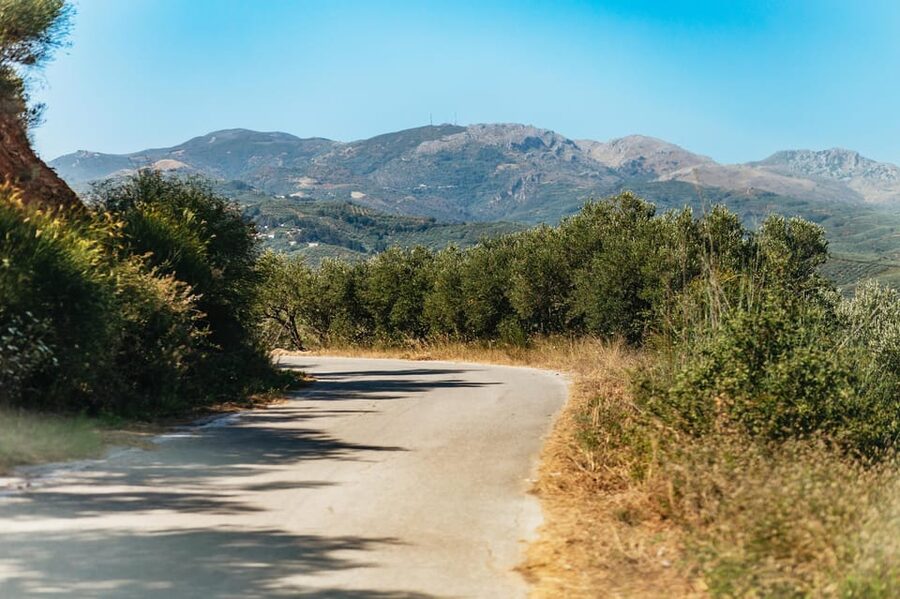
The tour lasts about six hours, with pickup beginning 30 to 60 minutes before the listed departure time. You leave Chania by air-conditioned bus or van and head toward the Kissamos region, traveling through olive groves and hilly Cretan countryside.
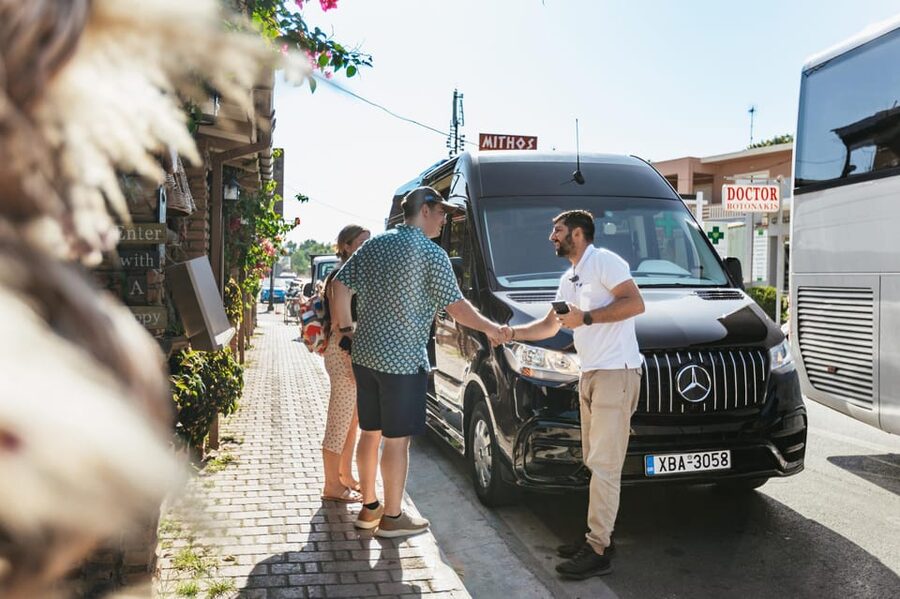
That transport is a real part of the value. The wineries and olive oil producers are outside central Chania, and the roads into the countryside can be narrow and winding. You can taste without worrying about driving, while your guide handles the route and adds background on Cretan life along the way.
The exact pickup point matters. Pickup is included only from specific locations in the Chania region, so check the available meeting point carefully when you book. One useful practical detail is that a pickup location may sometimes be adjusted after you contact the operator, but do not assume a hotel-door pickup unless it is confirmed.
Guides on this experience have included Alex, Andreas, Kostas, Nikos, Thanassi, and Maria. The strongest part of the guiding is not simply getting from one stop to the next. Guides explain the role of olive oil and wine in Crete, point out details in the countryside, and make the group feel at ease. Andreas has also led the tour as a sommelier, which is useful when you want more than a simple list of grape names.
More Food Tours in Chania
- From Chania: Olive Oil, Wine, Cheese & Honey Tasting Tour
★ 4.6 · 490 reviews - Chania: Old Town Highlights Guided Tour with Street Food
★ 4.9 · 407 reviews - Walking “Food tasting tour” in the town of Chania
★ 5.0 · 297 reviews
First winery: local grapes and modern Cretan wine
The first winery is a family business established in 1993. You learn about the grapes grown there and how the producers combine older Cretan methods with modern farming and wine production.
This is a good introduction because the tasting is not limited to familiar international varieties. Local grapes include Vidiano, a Cretan white known for its fragrant character, and Muscat of Spina, another regional variety. You may also taste red wines made from Grenache rouge, Syrah, and Mourvèdre.
The point is not to memorize every grape. It is to notice how the same broad categories of wine can taste different when grown in Crete. The local soil, sun, altitude, and dry conditions affect the finished wine, and the host explains those links as you taste.
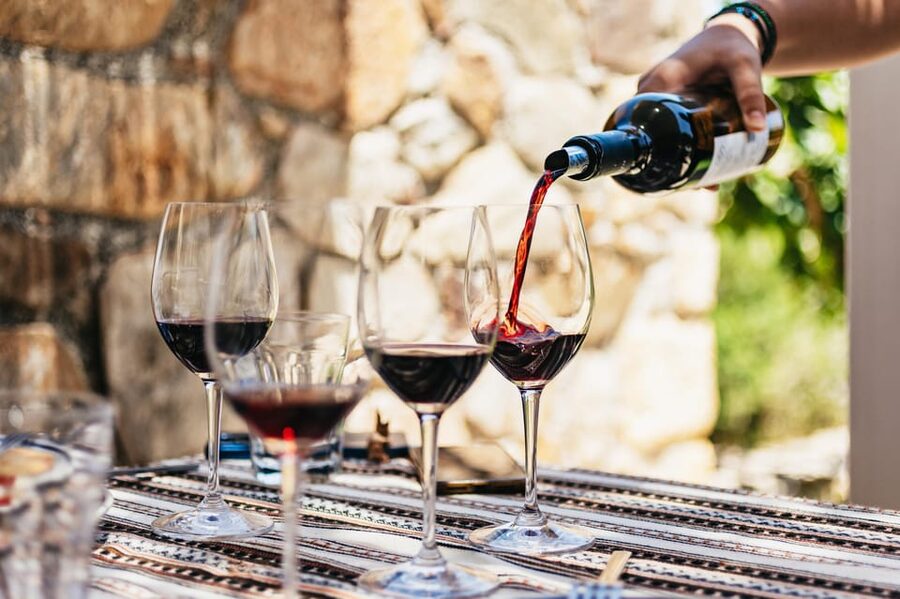
Several people have found the pours generous, which is worth noting. This is not a quick sip at a single table. The full day may include five wines at the first stop, then another five at the later winery, though the exact selection can change.
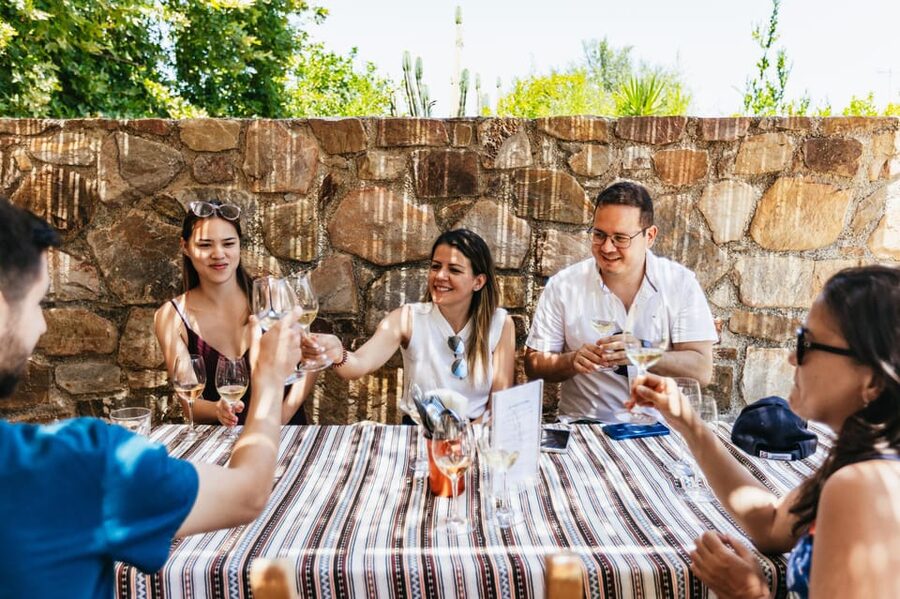
The setting also helps. You are tasting at a family producer, not in a city bar, and the visit gives you a closer look at how smaller Cretan wineries present their work. The atmosphere is generally friendly and informal, with time for questions.
If you are new to wine tasting, do not worry about using the right vocabulary. Smell, taste, compare, and ask what you like. A good guide can explain the differences without turning the session into a lecture.
The 3,000-year-old olive tree
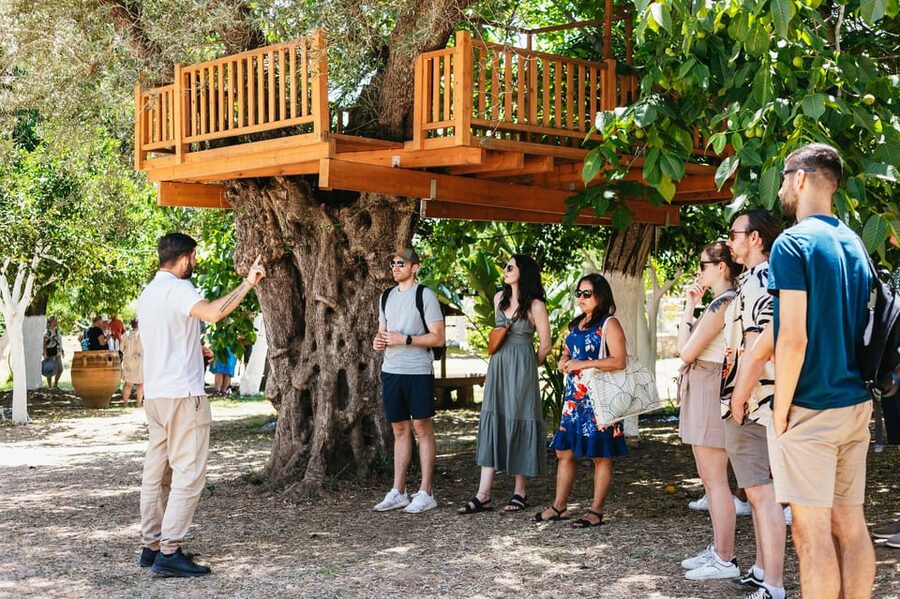
The tour then pauses in a traditional village to see an ancient olive tree. Its estimated age is about 3,000 years, making it one of the oldest known olive trees and a striking reminder of how long olive cultivation has shaped Crete.
This is a short sightseeing stop, not a major archaeological visit. You will not spend hours there, but the tree gives the olive oil tasting more meaning. After seeing its thick, twisted trunk, the idea of olive oil as a basic part of Cretan food feels less abstract.
The stop also breaks up the tasting schedule. Six hours of driving and sampling can become repetitive if every stop involves another table and another glass. A quiet village and an old tree add a bit of variety.
Bring your passport or ID card, as this is listed among the items to carry. Children may join only with an adult, and anyone under 18 receives water or fresh orange juice instead of wine.
The olive oil factory and vineyard visit
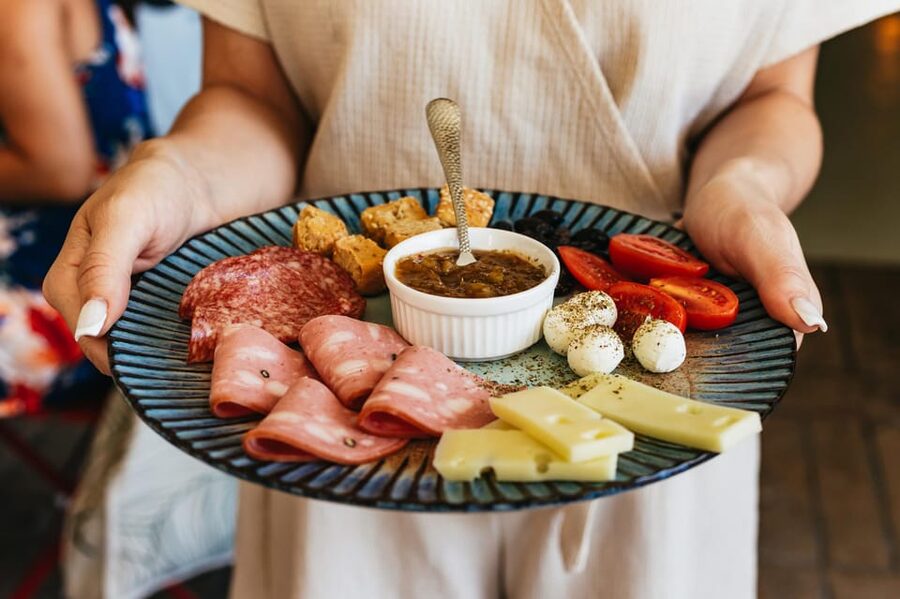
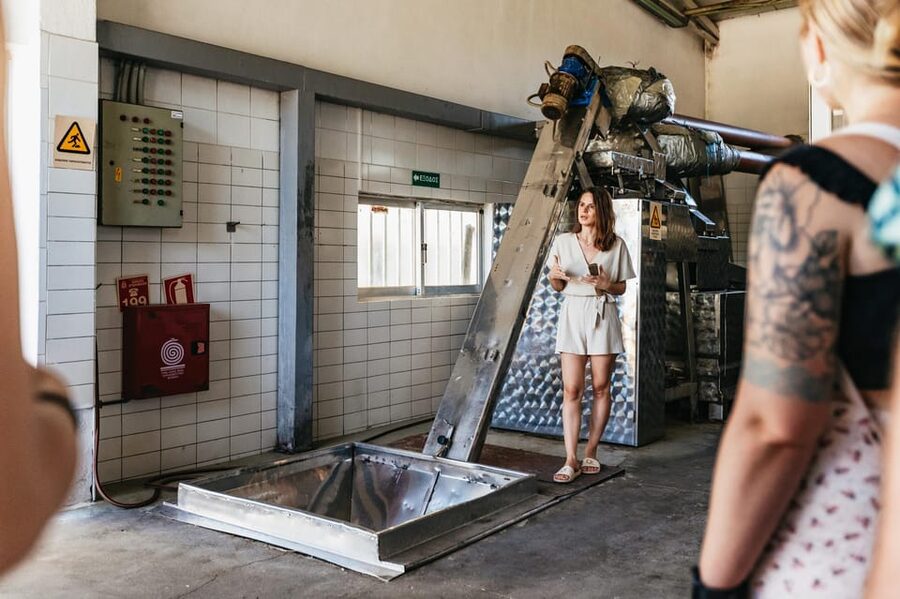
The olive oil stop is one of the most useful parts of the day for anyone who buys extra virgin olive oil but is unsure what the label really means. You visit a local factory and learn about the production process, from olives to finished oil.
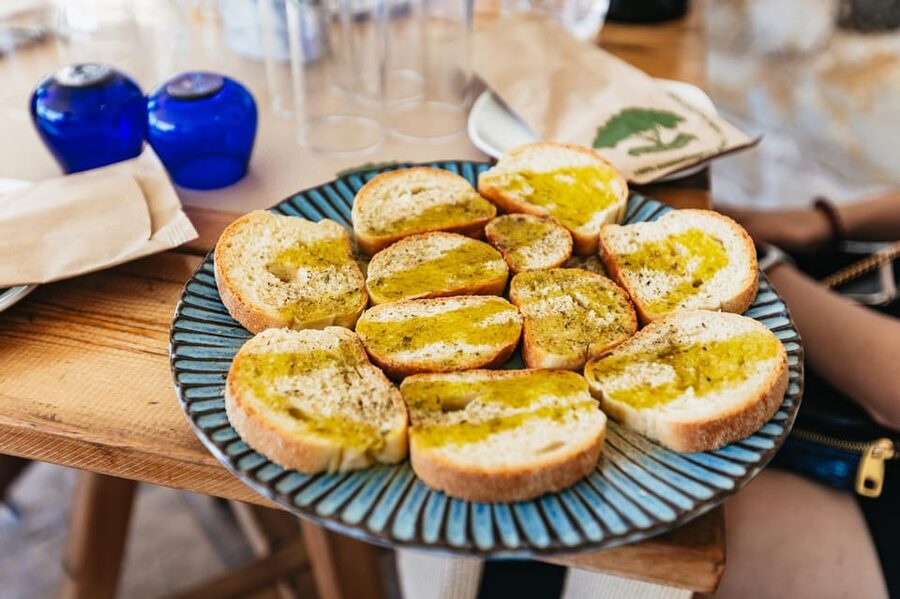
You then taste several olive oils, often alongside wine and local products. The tasting gives you a chance to compare oils directly rather than judging them from a bottle on a shop shelf. Pay attention to the smell, peppery finish, bitterness, and freshness. Those traits are part of the tasting experience, not flaws.
This is also where the tour feels tied to daily Cretan food. Olive oil is not presented only as a souvenir. It is part of the island’s cooking, farming, and family economy. The staff at the mill explain the work involved in producing it, which adds useful context to the bottle you may later buy.
Buying oil is optional, and the atmosphere is not built around a hard sell. If you want to take some home, ask about packing and luggage restrictions before purchasing. The tour information does not promise special shipping or checked-bag arrangements.
The factory may also produce or present wine, so this stop can combine olive oil and wine tasting. The exact order and products can vary. The operator reserves the right to make small changes, especially in poor weather.
More Olive Oil Tours in Chania
- Wine & Olive Oil Tour with Lunch at Milia Mountain Retreat
★ 5.0 · 194 reviews - Rethymnon: Kournas Lake, Argyroupolis, and Olive Oil Tour
★ 4.6 · 173 reviews - Wine & Olive Oil Tour with Lunch – Semi Private Safari Tour
★ 5.0 · 156 reviews - Chania: Milia Mountain Tour w/Lunch Olive Oil/Wine Tastings
★ 4.9 · 97 reviews
The second winery and Cretan snacks
The later winery is in the Kissamos region and focuses on another set of wines. A special white blend may include Vilana, Vidiano, and Assyrtiko, giving you a chance to compare a traditional Cretan grape with varieties also familiar elsewhere in Greece.
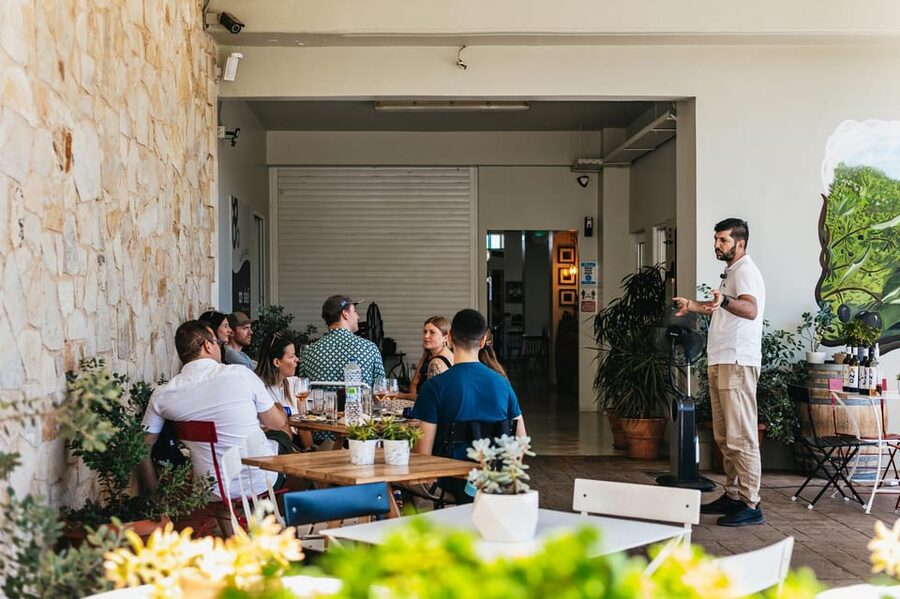
This second visit is often the most relaxed part of the afternoon. You walk among vineyards, sit down for another tasting, and eat local products with the wine. Snacks can include cheese and other Cretan items, with vegetarian and vegan needs accommodated when arranged in advance.
The food is described as a light lunch or substantial snacks, but do not book this expecting a long restaurant meal. One past participant felt that more food would have helped absorb the amount of wine. I agree that it is sensible to eat breakfast first and carry a small snack if you normally need regular meals.
The tasting itself can be substantial. A typical account of the day includes five wines at the first winery and five more at the second, along with two olive oils and local food. That makes the pace important. You have enough time to enjoy the flavors, but you should still drink water and use the food.
The final drink is tsikoudia, the clear Cretan spirit traditionally offered as a farewell. It is stronger than wine, so treat it as a small closing taste rather than an invitation to rush the finish.
What the $141 price includes
At $141 per person, this is not the cheapest way to spend a day near Chania. The price makes more sense if you use the included transport, tastings, entrance fees, guide, and food.
You are paying for two winery visits, an olive oil factory, several wine pours, olive oil samples, snacks, and a six-hour escorted route into the countryside. Private transport to these same places could cost a great deal more, especially if you would otherwise need a designated driver.
The value is strongest for visitors who want a guided introduction to Cretan wine and olive oil. You do not need prior tasting experience, and the guide helps connect each product to local farming and culture.
The value is weaker if you already know Cretan wineries well or mainly want a full meal. You may also feel the price is high if you are not interested in wine, since the day is built around repeated tastings.
The high transport score reflects an important comfort factor. The air-conditioned vehicle is welcome during warm months, and the driver handles roads that may not be easy for an unfamiliar visitor. Small groups are possible, though the exact group size is not stated and can vary by date.
Who will enjoy this day most
I would choose this tour if you are staying in Chania for several days and want one countryside outing without renting a car. It also suits solo visitors, couples, and adults who like food and drink but do not want a formal, highly technical wine course.
You will get the most from it if you are curious about local grapes. Vidiano, Muscat of Spina, and Vilana are more meaningful discoveries than simply tasting international labels you already know.
It also works well for people who want a cultural outing that is less crowded than a major historical site. The ancient tree, village stop, olive groves, and working producers show a quieter side of Crete.
Families can join, but the tour is centered on alcohol. Children must be accompanied by an adult, and those under 18 receive juice or water. If your children are too young to enjoy a long drive and several tasting sessions, the day may feel slow.
Anyone with mobility concerns should ask the operator for current details before booking. The supplied information confirms transport and entrance fees, but it does not give a full accessibility description for the wineries, factory, village, or vineyard paths.
Practical tips for a better tasting day
Eat before pickup. The included food is useful and well matched to the wine, but it is described as light lunch or snacks rather than a guaranteed full meal.
Carry water, sunglasses, and your passport or ID card. The ID requirement is specific, and you may spend time outdoors among vineyards and olive trees.
Tell the operator about dietary needs in advance. Vegetarian and vegan food has been accommodated when requested ahead of time, but do not leave this until the morning of the tour.
Plan purchases carefully. You may want olive oil or wine after tasting, but bottles take space and can add weight to your luggage. Ask the producer about available sizes and transport options.
Use the flexibility built into the booking conditions. You can cancel up to 24 hours before the tour for a full refund, and the reserve-now, pay-later option can help if your Chania plans are still moving.
Finally, let the guide set the pace. Guides such as Alex, Andreas, and Kostas are praised for combining local stories with practical help, including careful driving on narrow roads and assistance when belongings are left behind.
Should you book this Chania wine tour?
I would book it if you want a full, food-focused day outside Chania and care more about local producers than a checklist of famous sights. The ancient olive tree adds a memorable stop, while the two wineries and olive oil factory give the day enough variety.
I would skip it if you want a large meal, dislike group transport, or have little interest in wine and olive oil. The six-hour schedule is built around tasting, and the price is hard to justify if you plan to sample only a little.
For most adults who enjoy regional food, the combination is strong: local grapes, extra virgin olive oil, Cretan snacks, a working countryside setting, and a guide who can explain what you are tasting. It is a practical way to reach the Kissamos wine country without driving, and a good chance to bring home something more personal than another beach souvenir.
FAQ
How long does the Chania wine and olive oil tour last?
The tour lasts approximately six hours, including transportation from Chania, the winery visits, the olive oil factory, the ancient olive tree stop, tastings, and the return journey.
Is pickup from Chania included?
Yes. Pickup and drop-off are included from specific locations in the Chania region. Pickup may begin 30 to 60 minutes before the listed departure time, so check your confirmed meeting details.
What languages are available?
The tour includes a live guide in English.
How many wines will I taste?
The exact selection can change, but the itinerary includes local wines such as Vidiano and Muscat of Spina, international varieties including Grenache rouge, Syrah, and Mourvèdre, and a white blend with Vilana, Vidiano, and Assyrtiko. The tastings may total about ten wines.
Is food included?
Yes. Light lunch or snacks are included, along with local products such as cheese. The food is not described as a full restaurant meal, so eat beforehand if you need a substantial lunch.
Can children join the tour?
Children can join only when accompanied by an adult. Wine tasting is not allowed for anyone under 18, and water or fresh orange juice is provided instead.
What should I bring?
Bring your passport or ID card. You may also want water and sun protection for the outdoor parts of the day.
Can I cancel the booking?
You can cancel up to 24 hours in advance for a full refund. A reserve-now, pay-later option is also available.
Can the itinerary change?
Yes. The activity provider may make minor changes when needed, including changes caused by unfavorable weather. These changes may happen without prior notice.
More Wine Tours in Chania
- Chania: Wine, Food, and Sunset Tour with 3-Course Dinner
★ 4.9 · 77 reviews - Chania Area: Food Tasting Tour with Winery Visit & Swim Stop
★ 4.5 · 58 reviews
New on the Chania shelf
- Chania Area: Food Tasting Tour with Winery Visit & Swim Stop★ 4.5 · 58 reviews
- Rethymno: Glyka Nera, Loutro, & Sfakia Day Trip★ 4.9 · 26 reviews
- Samariá Gorge Hike: Day Excursion from Chania★ 4.4 · 49 reviews
- Crete: Samaria Gorge Hike★ 4.4 · 201 reviews
- Rethymno: Gramvousa & Balos Lagoon Day Trip with Boat Ticket★ 4.6 · 249 reviews
- From Rethymno: Lake Kournas and Villages Full-Day Tour★ 4.4 · 45 reviews
- Chania: Paratriking Experience with a Professional Pilot★ 4.7 · 43 reviews
- From Chania: Guided Tour to Loutro (Boat tickets Included)★ 4.9 · 37 reviews
Olive Oil Tours, compared.
Knossos-Zeus Cave -Old Traditional Villages-Olive Oil Factory
Read our verdict →
The Governor’s Olive Mill Tour with Olive Oil Tasting
Read our verdict →
Road-trip to Lasithi Plateau & Olive Mill Farm
Read our verdict →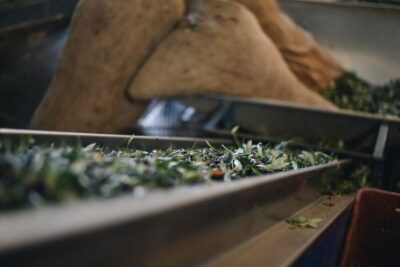
Olive Farm Tour with Tasting of Local Delicacies
Read our verdict →
Zeus Cave, Lassithi Plateau, Olive Oil Factory, Kritza, Pottery
Read our verdict →
Knossos, Lasithi, Lasinthos and Olive Farm Combo Tour
Read our verdict →Browse the lists this tour appears in